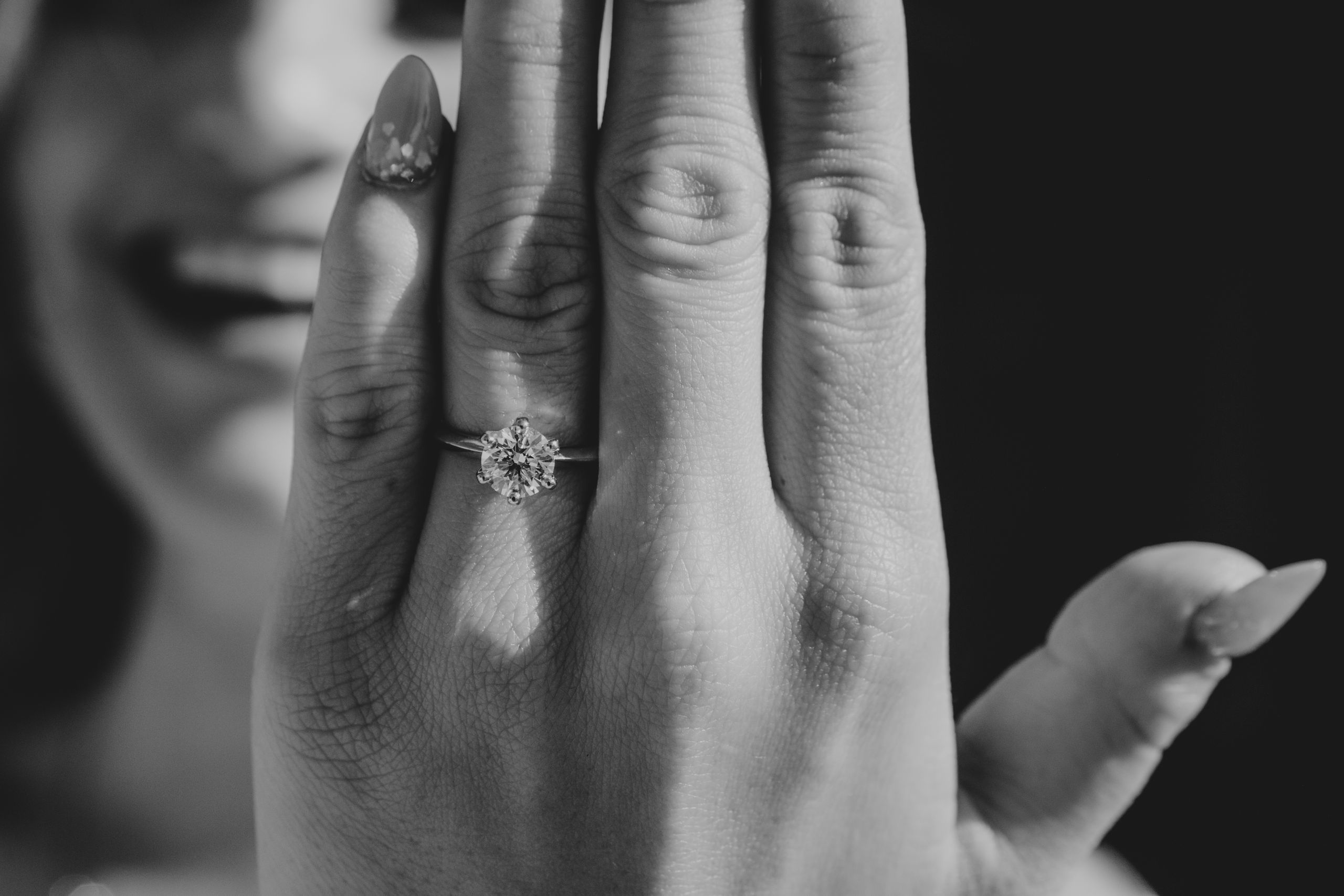
American engagement rings have meant one thing for generations: a natural diamond, mined from deep in the earth and sold on the promise of scarcity and permanence. That era just ended, and it happened faster than almost anyone in the jewelry industry predicted. According to The Knot Worldwide’s 2026 Real Weddings Study, lab-grown diamonds now make up 61% of new engagement ring center stones in the United States, a 239% increase since 2020. The average lab-grown ring rings in around $4,600. For a category that spent a century selling forever, that is a remarkably fast reversal.
The Tipping Point Nobody Saw Coming
Five years ago, lab-grown diamonds were still a niche alternative, something budget-conscious couples asked about quietly at the counter. Now they are the default. The Knot Worldwide’s study, which surveyed thousands of U.S. couples who married or got engaged in the past year, found that the majority of new rings sold today carry a stone grown in a lab rather than pulled from a mine. A 239% increase in five years is not a gradual style shift. It is a category flip, the kind that usually takes a decade or more to show up in an industry built on tradition and inherited expectations.
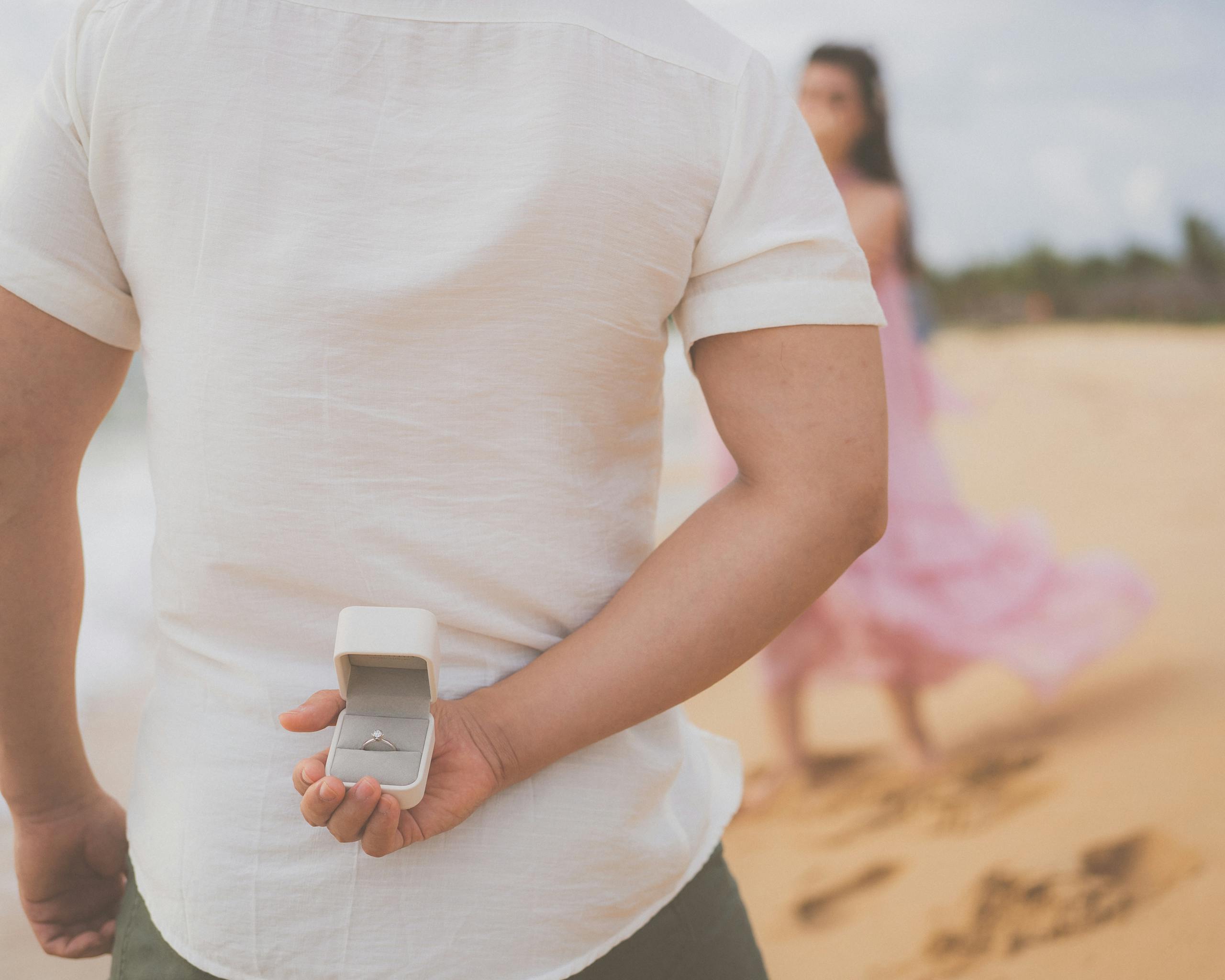 photo credit: unsplash
Bigger Stones, Smaller Price Tags
Part of what is driving the switch is simple math. The same study found that couples buying lab-grown center stones are getting an average carat size of 1.9 carats for that $4,600 average spend, according to The Knot Worldwide’s data. A natural diamond of comparable size and clarity has historically run several times that cost. So couples are not just saving money. They are buying visibly bigger stones for less, which changes the calculus for anyone weighing a ring against a down payment on a house or a wedding budget that already has too many line items competing for the same dollars.
It is not purely about the discount, either. The same research found that 40% of couples say it specifically matters to them that their stone is lab-grown, not natural, according to the study. That is a meaningful chunk of buyers actively choosing the lab-grown option on principle, whether that principle is environmental, ethical, or just a preference for putting money toward the wedding, the honeymoon, or a first home instead of a stone’s mining history.
The Ritual Survives, Even as the Rock Changes
What has not budged is the moment itself. The Knot Worldwide’s study also found that nearly 9 in 10 proposers still get down on one knee with a physical ring already in hand, per the same report. So this is not a story about couples abandoning the engagement ring tradition. It is a story about couples keeping the ritual and quietly swapping out what used to be considered non-negotiable about it. The proposal still happens. The box still opens. The stone inside it is just increasingly likely to have been grown in a lab in a matter of weeks rather than formed underground over a billion years.
What This Means for the Diamond Industry
Natural diamond producers have spent years insisting lab-grown stones were a passing trend, something younger buyers would grow out of once they had more disposable income. This data makes that argument much harder to hold. A shift this size, in this short a window, suggests lab-grown is not a discount alternative anymore. It is simply what a majority of new couples are buying, full stop. That has real consequences for how jewelers stock their cases, how insurers price ring coverage, and how the natural diamond industry positions itself against a competitor that now controls the majority of the market it used to own outright.
There is also a generational story buried in these numbers. Couples getting engaged now grew up during a stretch when “ethically sourced” and “sustainable” became standard vocabulary for big purchases, from coffee to clothing to cars. A diamond pulled from the ground carries a supply chain that is harder to fully verify than one grown in a controlled lab environment. For a lot of buyers, that difference is not an afterthought. It is part of why the switch happened this fast in the first place.
The Bottom Line
Natural diamonds are not disappearing from engagement rings, and plenty of couples will keep choosing them for reasons that have nothing to do with price. But the numbers make clear that the default has already changed. When 61% of new rings carry a lab-grown stone and that share has more than tripled since 2020, the interesting question is no longer whether lab-grown diamonds are catching on. It is how much further this shift has left to run.