If you’ve ever wondered which hotels have stood the test of time, there are some that have been welcoming guests for centuries. These places aren’t just about a bed to sleep in—they carry stories, rich history, and unique charm that you won’t find in newer spots. The oldest hotel still operating today, Nishiyama Onsen Keiunkan in Japan, has been running since 705 AD, making it a living piece of history you could actually visit.
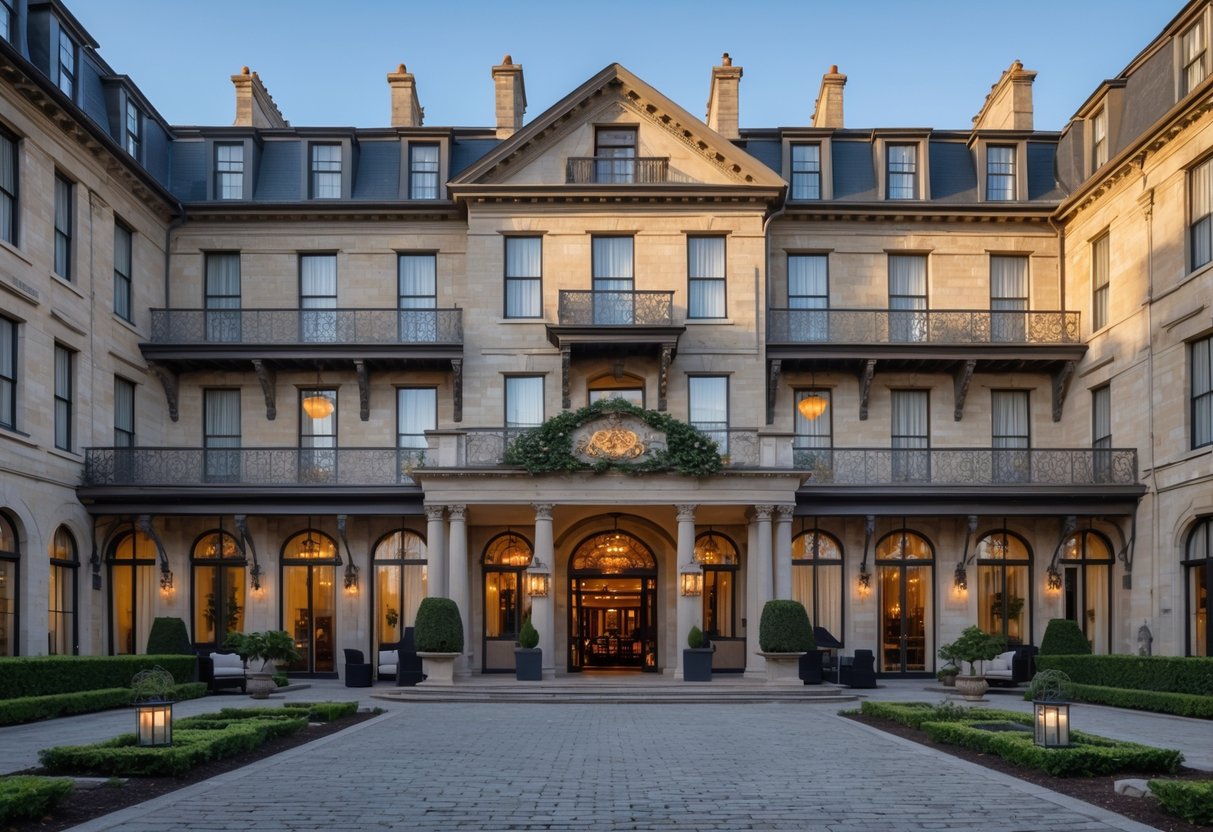
Staying at these hotels means stepping into a time machine of sorts. Many of them kept their original architecture and traditions while adapting to modern comforts. Whether you prefer cozy inns in Europe or ancient ryokans in Japan, you’ll find hotels where every corner has witnessed centuries of life.
Your next trip might just include a stay somewhere that’s seen more history than most cities. Exploring these historic hotels gives you a unique way to connect with the past while enjoying a memorable experience.
World’s Most Historic Hotels Still Welcoming Guests
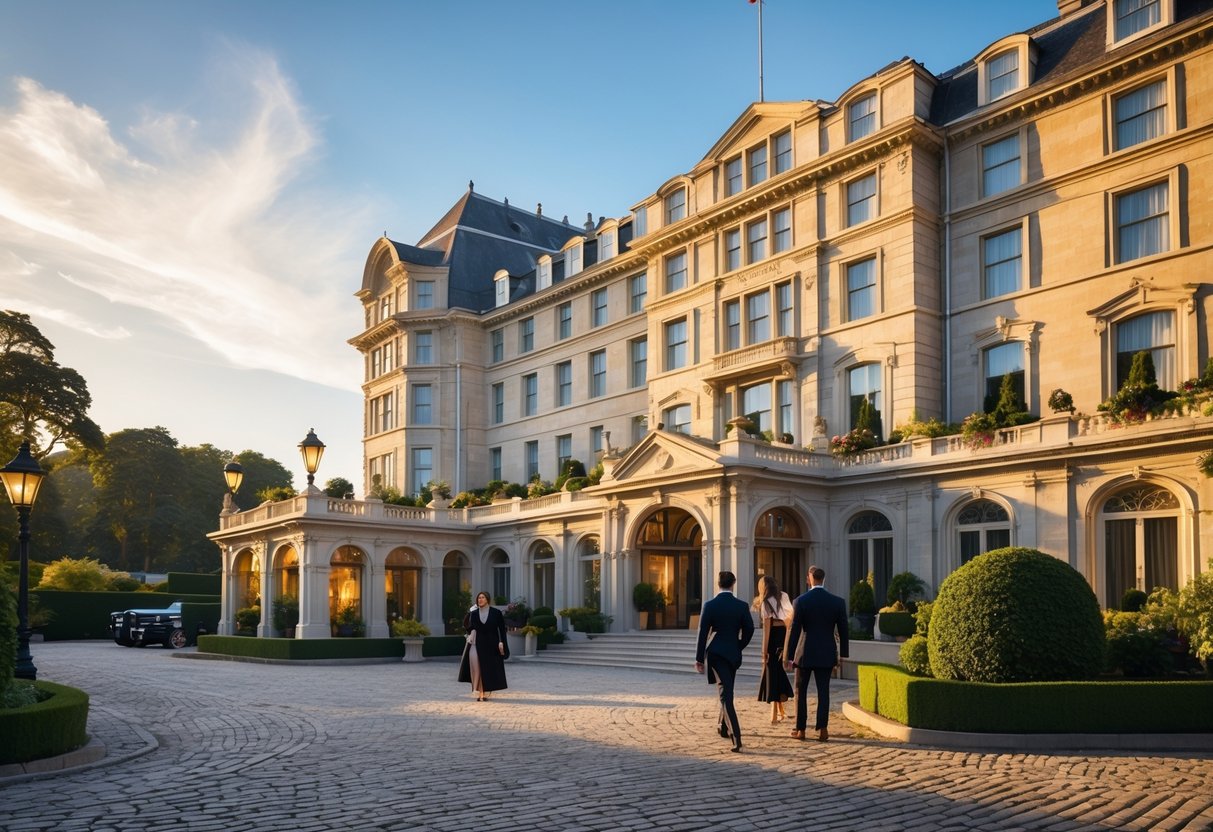
You can find some of the oldest hotels across Europe, Asia, and America, each with rich histories and centuries-old traditions. Many have welcomed famous guests and preserved unique architectural features while still providing modern comforts.
Oldest Hotels in Europe Still Operating
Europe is home to several hotels that have been operating for centuries. For example, Hotel Gasthof Stern in Austria, dating back to the 14th century, has continuously offered lodging while maintaining its medieval charm.
In England, The Old Bell Hotel in Malmesbury has been serving guests since 1220, making it one of the oldest inns in continuous operation. You’ll find original timber framing and period details that transport you back in time.
Many European historic hotels combine antique decor with modern amenities, offering you both a sense of history and comfort. Staying at these places means walking where royalty and notable figures once lodged.
Ancient Inns of Asia That Never Closed
In Asia, some inns have histories stretching back over a millennium. The Hōshi Ryokan in Japan, established in 705, is considered one of the oldest hotels still running today. You can experience traditional Japanese hospitality along with natural hot springs that samurais and monks enjoyed centuries ago.
Other ancient Asian inns focus on blending nature with comfort, often located near historic sites or in serene settings. Staying here offers authenticity through architecture, local cuisine, and age-old customs preserved over generations.
These hotels have continuously welcomed travelers without interruption, making your visit part of a living tradition spanning well over a thousand years.
America’s Longest-Running Hotels
America’s oldest operating hotels mostly date back to the 18th and 19th centuries. The Omni Parker House in Boston, opened in 1855, is famous for hosting historic figures like Charles Dickens.
The Wayside Inn in Massachusetts, founded in 1716, claims to be the country’s oldest operating inn. It retains a colonial atmosphere while serving travelers with modern comforts.
In the U.S., many of these hotels are located in historic towns, often tied to early American history. When you stay at these places, you get a real sense of the country’s development and past through their preserved architecture and stories.
Stories and Traditions of Centuries-Old Hotels
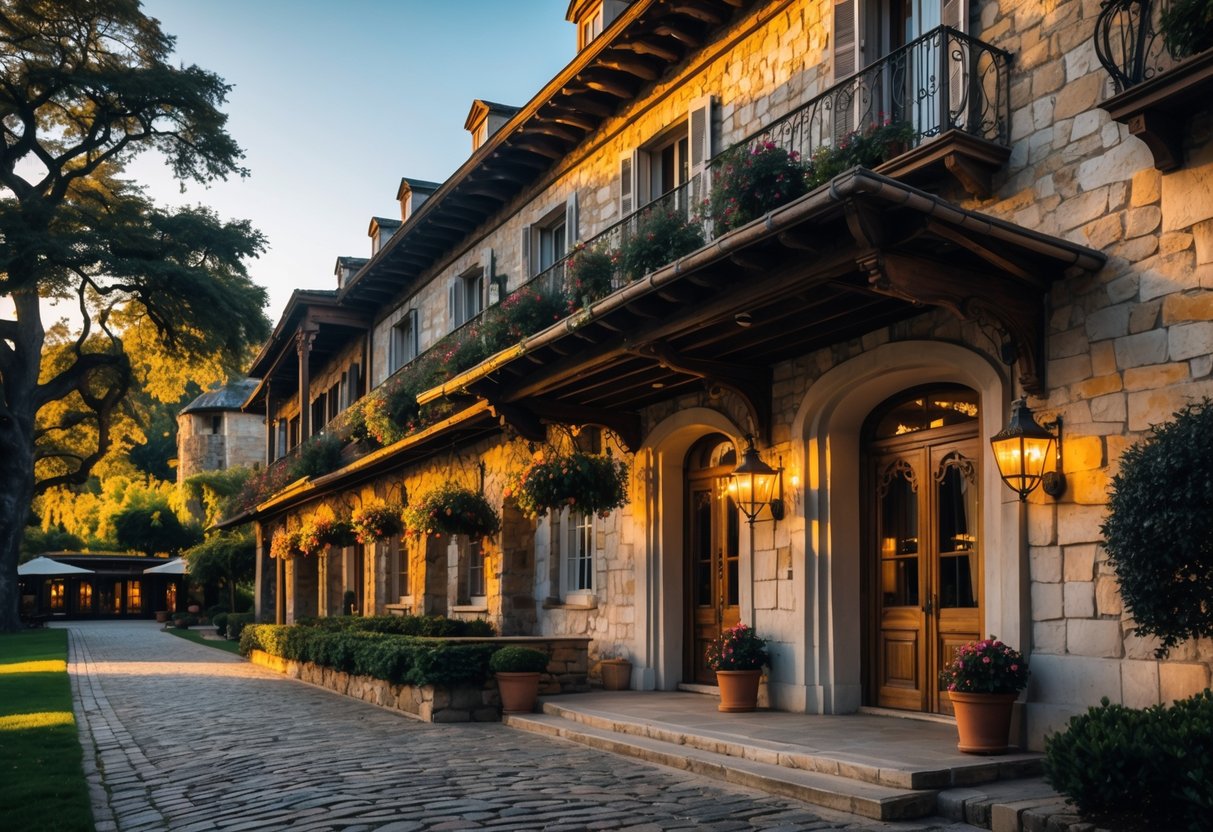
When you step into a centuries-old hotel, you’re walking through layers of history rich with famous guests, family ownership, and unique architecture. Each hotel tells stories that go beyond just a place to sleep.
Famous Guests and Unforgettable Events
Many historic hotels have hosted kings, presidents, artists, and writers. You might find that famous authors wrote some of their best works within these walls.
Some hotels also witnessed key historical moments like political meetings, secret negotiations, or cultural events. For example, certain grand hotels served as headquarters during wartime or the backdrop for film premieres.
These stories give you a connection to the past, making your stay feel like more than just a visit. You experience the same spaces that shaped history.
Family Legacies and Ownership
A lot of these hotels have been passed down through generations. You might notice how the family running the hotel still preserves old recipes, decor, and service traditions.
This continuity ensures a personal touch. You’re often greeted by owners or staff who view the hotel as part of their family heritage rather than just a business.
The pride in keeping the hotel’s history alive shows in every detail, from restoring original woodwork to carefully maintaining heirlooms displayed in public areas.
Unique Architectural Features
These hotels often showcase architecture that reflects the era they were built in, from Victorian mansions to medieval castles. You can spot original stonework, antique tiling, or hand-carved wood beams.
Some buildings were crafted by skilled European artisans, offering craftsmanship you rarely see today. Stained glass windows and ornate ironwork are common highlights.
When you explore the halls, you might even find secret passages or hidden rooms designed for privacy or security. These features make your visit visually striking and historically immersive.

As a mom of three busy boys, I know how chaotic life can get — but I’ve learned that it’s possible to create a beautiful, cozy home even with kids running around. That’s why I started Cultivated Comfort — to share practical tips, simple systems, and a little encouragement for parents like me who want to make their home feel warm, inviting, and effortlessly stylish. Whether it’s managing toy chaos, streamlining everyday routines, or finding little moments of calm, I’m here to help you simplify your space and create a sense of comfort.
But home is just part of the story. I’m also passionate about seeing the world and creating beautiful meals to share with the people I love. Through Cultivated Comfort, I share my journey of balancing motherhood with building a home that feels rich and peaceful — and finding joy in exploring new places and flavors along the way.