
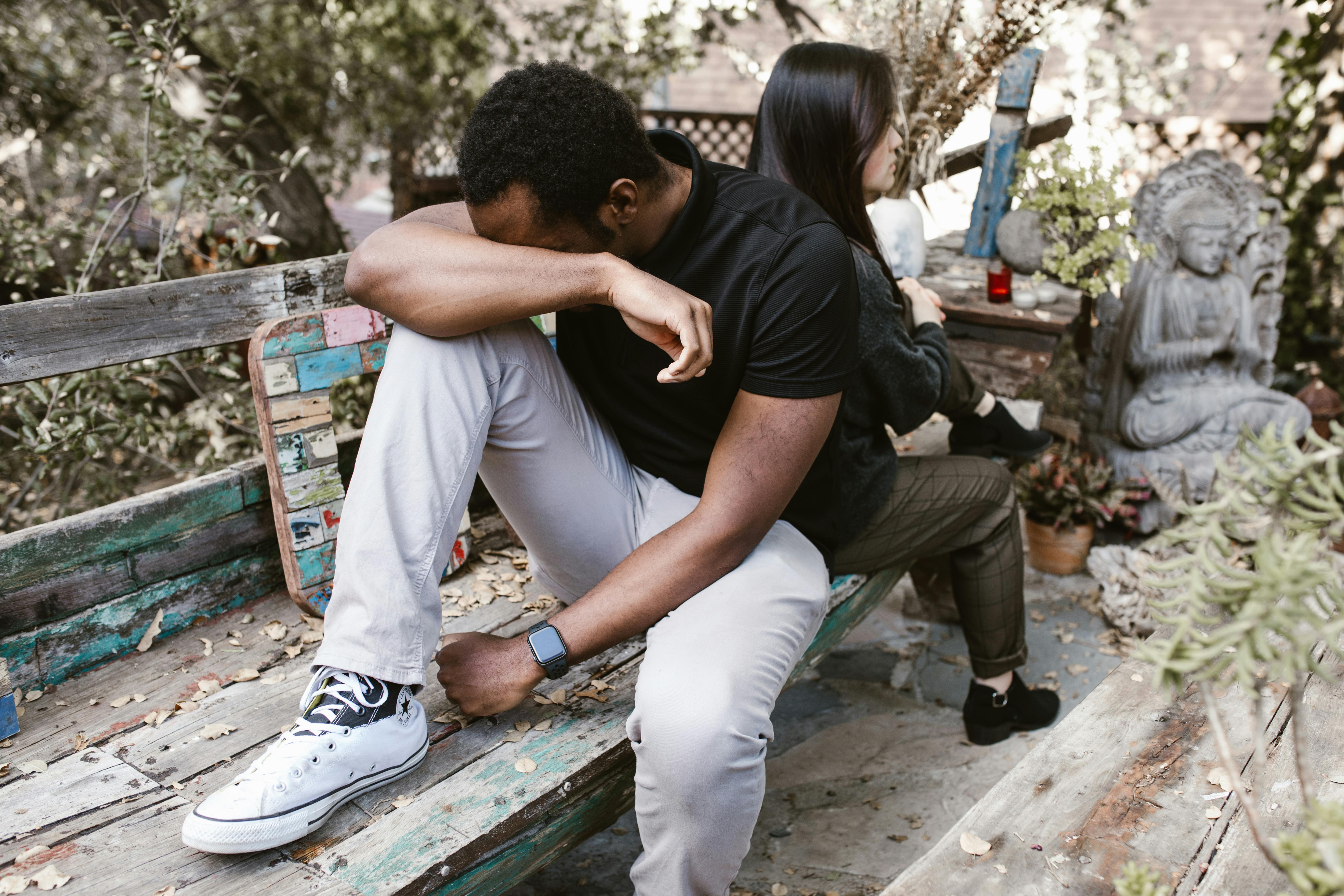
A single rough breakup is doing more damage to the dating pool than most people assume. New national data from the Wheatley Institute at Brigham Young University and the Institute for Family Studies finds that more than half of young singles say one bad breakup left them reluctant to date again, and only a small share say they can genuinely bounce back afterward. Researchers are calling it a resilience gap, and it may be doing more to shrink the dating pool than any app fatigue or busy calendar. The pattern shows up across genders and age brackets within the young adult sample, which suggests it isn’t a one-off finding tied to a particular group.
The Numbers Behind the Slowdown
Only about 28% of young adults surveyed for the 2026 State of Our Unions report said they could “stay positive after a bad date or relationship setback.” That means roughly seven in ten describe themselves as unable to shake off a rough dating experience in a healthy way. The consequences ripple outward from there. More than half, 55%, agreed that their past breakups have made them more reluctant to begin new romantic relationships. Nearly as many, 45%, said they have actually passed up chances at new relationships because of bad experiences left over from old ones.
A related figure from the same report adds context: 36% of respondents said they now end relationships too quickly, specifically to avoid the pain of a bad breakup down the line. Put together, the data describes people who are protecting themselves from a wound they never fully processed, sometimes by exiting early and sometimes by not entering at all.

Researchers Point to a Skills Gap, Not a Motivation Gap
What makes this finding notable is that it isn’t about desire. In a companion piece for the Institute for Family Studies, BYU’s Brian J. Willoughby, associate director of the Wheatley Institute, said negative dating experiences “appear to be increasingly weighing on single young adults,” adding that most people surveyed had only had a few serious relationships yet still reported serious reservations about dating again. “Having a bad date or bad relationship is challenging for modern young adults to move past,” Willoughby said. “To me, there are parallels here to a broader lack of resilience skills in modern young adults — tied to the loneliness and depression epidemic.”
Jason Carroll, director of the Wheatley Institute’s Family Initiative, framed the disconnect this way in the same report: “Most young adults across our country endorse relatively traditional purposes for dating and do not express an overt fear of commitment, but many lack the needed skills for dating and the resilience to handle the natural ups and downs of relationship starts and stops.” In other words, the goal of finding a partner hasn’t changed. What’s changed is how equipped people feel to survive the process of getting there.
A Recovery Problem, Not a Desire Problem
That distinction matters for how the “dating recession” gets talked about. It’s tempting to read declining dating rates as evidence that young adults have lost interest in relationships altogether. This data suggests something narrower and, in some ways, more fixable: people aren’t opting out because they stopped wanting connection. They’re opting out because a single hard ending left a mark they haven’t figured out how to work through, and dating again feels like risking a repeat.
The report’s authors point out that this is functionally a resilience problem, not unlike the broader struggles with setbacks that show up in other areas of young adult life. Framed that way, the fix isn’t necessarily about generating more matches or lowering the bar for a first date. It’s about building the emotional tools to process an ending well enough that it doesn’t quietly cancel the next opportunity.
Why This Matters Beyond One Bad Date
The stakes go beyond any individual person’s love life. When a majority of young adults describe themselves as gun-shy after a single setback, it helps explain a trend demographers have been tracking for years: marriage rates falling and the median age at first marriage climbing into the late twenties and beyond nationally. A dating pool full of people who are quietly sitting out after one bad ending doesn’t just mean fewer second dates. It means fewer of the long relationships that eventually turn into marriages and families, which is part of why researchers behind the report frame this as a resilience crisis worth taking seriously rather than a passing dating trend.
For anyone who has sworn off dating apps after one bruising split, the data suggests they aren’t alone, and that the hardest part may not be finding the next person, but trusting themselves to try again.