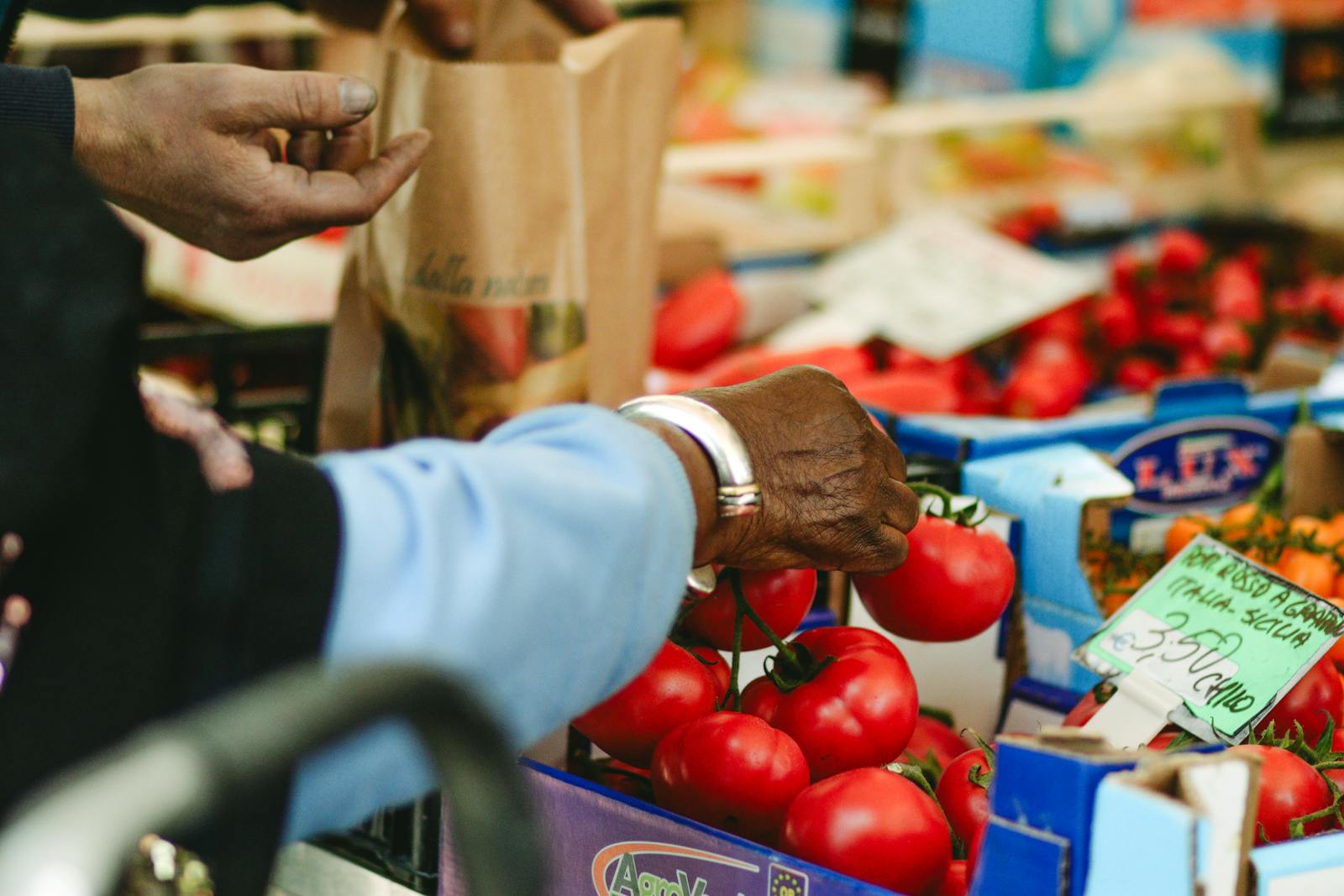
Consumers who prioritize organic food in their diets often hold a set of shared beliefs that influence their purchasing decisions and lifestyle choices. This trend affects a significant portion of the population, particularly in urban areas where health-conscious living is on the rise. Understanding these beliefs can shed light on the motivations behind the growing organic market, which was valued at over $60 billion in the United States alone in 2022.
1. Health is Paramount
One of the foremost beliefs among organic food buyers is that health is the top priority. Many individuals are convinced that organic produce and products are free from harmful chemicals, pesticides, and genetically modified organisms (GMOs). This belief often stems from a growing awareness of health issues linked to conventional farming practices, prompting consumers to choose organic options as a safer alternative for themselves and their families.
2. Environmental Responsibility
Many organic food enthusiasts believe that supporting organic agriculture is a way to contribute positively to the environment. They argue that organic farming practices promote biodiversity, reduce pollution, and conserve water. This belief resonates strongly with those concerned about climate change and the ecological footprint of conventional farming methods, driving them to make more sustainable food choices.
3. Supporting Local Farmers
Buying organic often aligns with the belief in supporting local economies and farmers. Organic consumers frequently seek out farmers’ markets or local co-ops to purchase their food, believing it fosters community relationships and supports small-scale farming. This commitment to local sourcing not only benefits the economy but also strengthens the connection between consumers and the food they eat.
4. Transparency and Trust
Transparency in food production processes is another crucial belief among organic buyers. Many consumers feel that organic labels represent a higher level of trust regarding how their food is grown and processed. This belief leads them to favor brands that offer clear information about sourcing and production practices, reinforcing their loyalty to organic products.
5. Nutritional Superiority
Organic food buyers often hold the belief that organic products are more nutritious than their conventional counterparts. Although scientific studies have shown mixed results regarding the nutritional differences, many consumers maintain that organic fruits and vegetables have better flavor, texture, and overall health benefits. This perception drives their willingness to pay a premium for organic options.
6. Ethical Considerations
A strong ethical component underlies the organic food movement, with many consumers believing that organic farming promotes humane treatment of animals. This belief is particularly significant for those concerned about the welfare of livestock in conventional farming systems. Organic standards typically require higher welfare conditions, leading consumers to choose organic options as a reflection of their values.
7. Avoiding Processed Foods
Many organic food advocates believe in minimizing processed foods in their diets. This belief aligns with the broader trend toward whole, natural foods as part of a healthy lifestyle. Organic consumers often prioritize fresh produce and whole grains, rejecting highly processed items laden with artificial ingredients, additives, and preservatives.
8. Family Health and Safety
For many organic buyers, the health and safety of their families is a driving force in their purchasing decisions. They often believe that organic food can help mitigate health risks for children, particularly regarding issues like allergies and developmental concerns. This belief motivates parents to invest in organic products as a way to ensure the well-being of their loved ones.
9. A Lifestyle Choice
Finally, buying organic food is often viewed as a lifestyle choice that reflects personal values and beliefs. Organic shoppers frequently see their dietary choices as part of a broader commitment to wellness, sustainability, and ethical consumption. This lifestyle approach has cultivated a community of like-minded individuals who share similar convictions about food and health.
Conclusion
The beliefs held by those who buy organic food religiously highlight a multifaceted approach to health, environment, and ethics. As the organic market continues to grow, understanding these beliefs can provide valuable insights into consumer behavior and the future of food production. With health-conscious choices influencing purchasing patterns, the organic food movement appears set to expand further, shaping the landscape of nutrition and sustainability for years to come.

As a mom of three busy boys, I know how chaotic life can get — but I’ve learned that it’s possible to create a beautiful, cozy home even with kids running around. That’s why I started Cultivated Comfort — to share practical tips, simple systems, and a little encouragement for parents like me who want to make their home feel warm, inviting, and effortlessly stylish. Whether it’s managing toy chaos, streamlining everyday routines, or finding little moments of calm, I’m here to help you simplify your space and create a sense of comfort.
But home is just part of the story. I’m also passionate about seeing the world and creating beautiful meals to share with the people I love. Through Cultivated Comfort, I share my journey of balancing motherhood with building a home that feels rich and peaceful — and finding joy in exploring new places and flavors along the way.