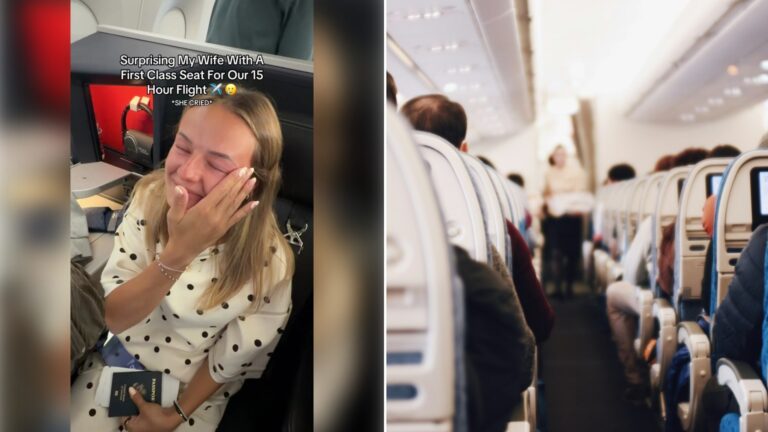
Recent studies have revealed that individuals who experience a strong dislike for flying often share certain personality traits, shedding light on the psychological factors that influence their aversion. Understanding these traits is crucial as air travel continues to be an essential mode of transportation for millions of people worldwide, especially in a post-pandemic era where travel is on the rise again.
1. Anxiety-Prone
One of the most common traits among those who dislike flying is a predisposition to anxiety. Research indicates that individuals who experience high levels of general anxiety tend to worry more about the potential dangers associated with flying. This anxiety can manifest as fear of heights, claustrophobia, or even concerns about turbulence, leading to a heightened sense of dread before and during the flight.
2. Overthinkers
People who hate flying often have a tendency to overthink situations. This trait leads them to ruminate on worst-case scenarios, such as plane crashes or emergencies. The more they contemplate these negative outcomes, the more their fear intensifies, making it difficult for them to enjoy the travel experience.
3. Low Tolerance for Uncertainty
Individuals with a low tolerance for uncertainty frequently struggle with the unpredictability inherent in flying. From potential delays to unexpected turbulence, every flight presents an array of unknowns. This discomfort with uncertainty can exacerbate their dislike for flying, as they feel out of control in an environment where many variables are beyond their influence.
4. Need for Control
A strong need for control is another personality trait that correlates with a fear of flying. Those who prefer to have their surroundings and experiences tightly governed may find it challenging to relinquish control during air travel. The inability to influence the flight path, weather conditions, or flight crew decisions can heighten their anxiety and discomfort.
5. Sensitivity to Stress
People who are highly sensitive to stress may have a more profound aversion to flying. For these individuals, the stressors associated with airports, boarding processes, and crowded cabins can trigger overwhelming feelings of distress. This heightened sensitivity can make the entire flying experience feel daunting, leading to an overall dislike of air travel.
6. Introversion
Introverted individuals may also find flying particularly challenging. The crowded and often noisy environment of an airplane can be overwhelming for those who prefer quieter, more solitary settings. For introverts, the lack of personal space and constant interaction with fellow passengers can amplify their discomfort, contributing to a negative perception of flying.
7. Past Traumatic Experiences
For many people, a history of traumatic experiences related to flying can significantly impact their feelings about air travel. This can include anything from a turbulent flight that caused panic to witnessing a distressing event in an airport. Such memories can create lasting associations that lead to fear and avoidance of flying altogether.
8. Perfectionism
Perfectionists tend to have high standards and can be particularly hard on themselves when things don’t go as planned. This trait can fuel their fear of flying, as they may fixate on the possibility of things going wrong during a flight. The pressure to perform perfectly in all aspects of life can make the unpredictability of flying feel especially daunting.
9. Lack of Experience
Finally, a lack of experience with flying can also contribute to a dislike for air travel. Individuals who have flown infrequently may not feel comfortable with the process or the environment, leading to feelings of unease. This unfamiliarity can be compounded by the anxiety and stress already associated with flying, creating a cycle of fear that can be challenging to break.
Conclusion: Understanding and Addressing Flight Aversion
Recognizing these personality traits can help individuals understand their fear of flying better and explore potential coping strategies. Whether through therapy, gradual exposure to flying, or practicing relaxation techniques, there are various methods to address and manage flying anxiety. As air travel remains integral to our global society, understanding the psychological factors behind flight aversion is vital for enhancing the travel experience for those who struggle with it.
As people continue to navigate the skies, acknowledging these traits can lead to more supportive environments within the aviation industry and better travel experiences for everyone involved.

As a mom of three busy boys, I know how chaotic life can get — but I’ve learned that it’s possible to create a beautiful, cozy home even with kids running around. That’s why I started Cultivated Comfort — to share practical tips, simple systems, and a little encouragement for parents like me who want to make their home feel warm, inviting, and effortlessly stylish. Whether it’s managing toy chaos, streamlining everyday routines, or finding little moments of calm, I’m here to help you simplify your space and create a sense of comfort.
But home is just part of the story. I’m also passionate about seeing the world and creating beautiful meals to share with the people I love. Through Cultivated Comfort, I share my journey of balancing motherhood with building a home that feels rich and peaceful — and finding joy in exploring new places and flavors along the way.