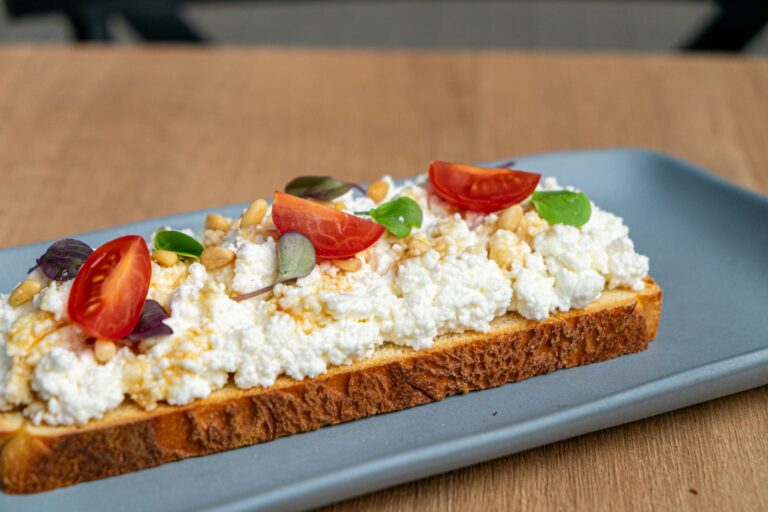
Recent studies reveal that individuals who are averse to trying new foods often exhibit similar patterns in their approach to life, affecting their social interactions and personal growth. This phenomenon, which touches on psychological theories and behavioral patterns, highlights the importance of openness and adaptability in both culinary experiences and broader life choices. Understanding this connection can provide insight into the mindset of those who resist new experiences, suggesting that these attitudes can have far-reaching implications for their overall well-being.
The Psychology Behind Food Aversion
The reluctance to explore new flavors and cuisines is often rooted in deeper psychological frameworks. According to research published in the journal “Appetite,” such aversions can be linked to personality traits like neuroticism and a low openness to experience. These individuals typically prefer routine and familiarity, leading them to gravitate toward known comforts, whether in food or daily life.
Moreover, the fear of the unknown—whether it manifests as anxiety or discomfort—can be a significant factor. For many, trying a new dish can trigger worries about taste, hygiene, or even the social implications of food choices. This mindset can mirror how they approach other life changes, such as career shifts or relationship dynamics, where they may favor stability over uncertainty.
Impacts on Social Interactions
A person’s reluctance to try new foods can often translate into their social experiences. Dining out or attending gatherings frequently involve shared meals, and those who resist new dishes may find themselves isolating from social interactions. This can lead to missed opportunities for bonding and connection with others who enjoy culinary exploration.
Additionally, social environments that encourage new experiences—like multicultural events or food festivals—may feel daunting to those with food aversions. Their reluctance can result in self-imposed barriers, preventing them from engaging fully with diverse cultures and ideas. This avoidance strategy may inadvertently perpetuate a cycle of isolation and disconnection from potential friendships and enriching experiences.
The Broader Life Perspective
The connection between food aversion and life perspectives extends beyond social dynamics. Individuals who resist culinary experimentation often display a broader reluctance to embrace change in various areas of their lives. They may shy away from new job opportunities, travel experiences, or personal development initiatives due to a preference for the known over the unfamiliar.
This tendency can lead to stagnation, both personally and professionally. The ability to adapt and embrace change is increasingly valued in today’s fast-paced world. Those who cling to familiarity may find themselves at a disadvantage, unable to seize new opportunities that could lead to growth or fulfillment.
Encouraging Openness to Experience
Understanding the roots of food aversion can also pave the way for strategies to encourage openness to new experiences. Gradual exposure to unfamiliar dishes can be an effective method. For instance, trying a small portion of a new cuisine in a supportive setting can help ease anxiety and build confidence in trying new things.
Moreover, education plays a significant role in broadening perspectives. Learning about the cultural significance of different foods can foster appreciation and curiosity, encouraging individuals to step out of their comfort zones. Cooking classes or culinary workshops can also serve as safe spaces for experimentation, allowing individuals to engage with new foods in a hands-on manner.
Conclusion: Embracing Change for a Fuller Life
The aversion to trying new foods is more than just a culinary preference; it reflects deeper psychological patterns that can influence overall life experiences. By recognizing these connections, individuals can begin to challenge their comfort zones, leading to richer social interactions and personal growth. Embracing change, whether through food or life choices, can pave the way for a more fulfilling and adventurous existence.
As society continues to evolve, fostering a mindset that values curiosity and adaptability will be crucial. Those who confront their aversions—whether on their plates or in their lives—stand to gain not only new tastes but also a broader understanding of the world around them.

As a mom of three busy boys, I know how chaotic life can get — but I’ve learned that it’s possible to create a beautiful, cozy home even with kids running around. That’s why I started Cultivated Comfort — to share practical tips, simple systems, and a little encouragement for parents like me who want to make their home feel warm, inviting, and effortlessly stylish. Whether it’s managing toy chaos, streamlining everyday routines, or finding little moments of calm, I’m here to help you simplify your space and create a sense of comfort.
But home is just part of the story. I’m also passionate about seeing the world and creating beautiful meals to share with the people I love. Through Cultivated Comfort, I share my journey of balancing motherhood with building a home that feels rich and peaceful — and finding joy in exploring new places and flavors along the way.