Some of the best trips are the ones that were never actually planned, and one creator’s spontaneous visit to Turkey is a clean example of a relatively new friendship turning into an unexpectedly full travel story.
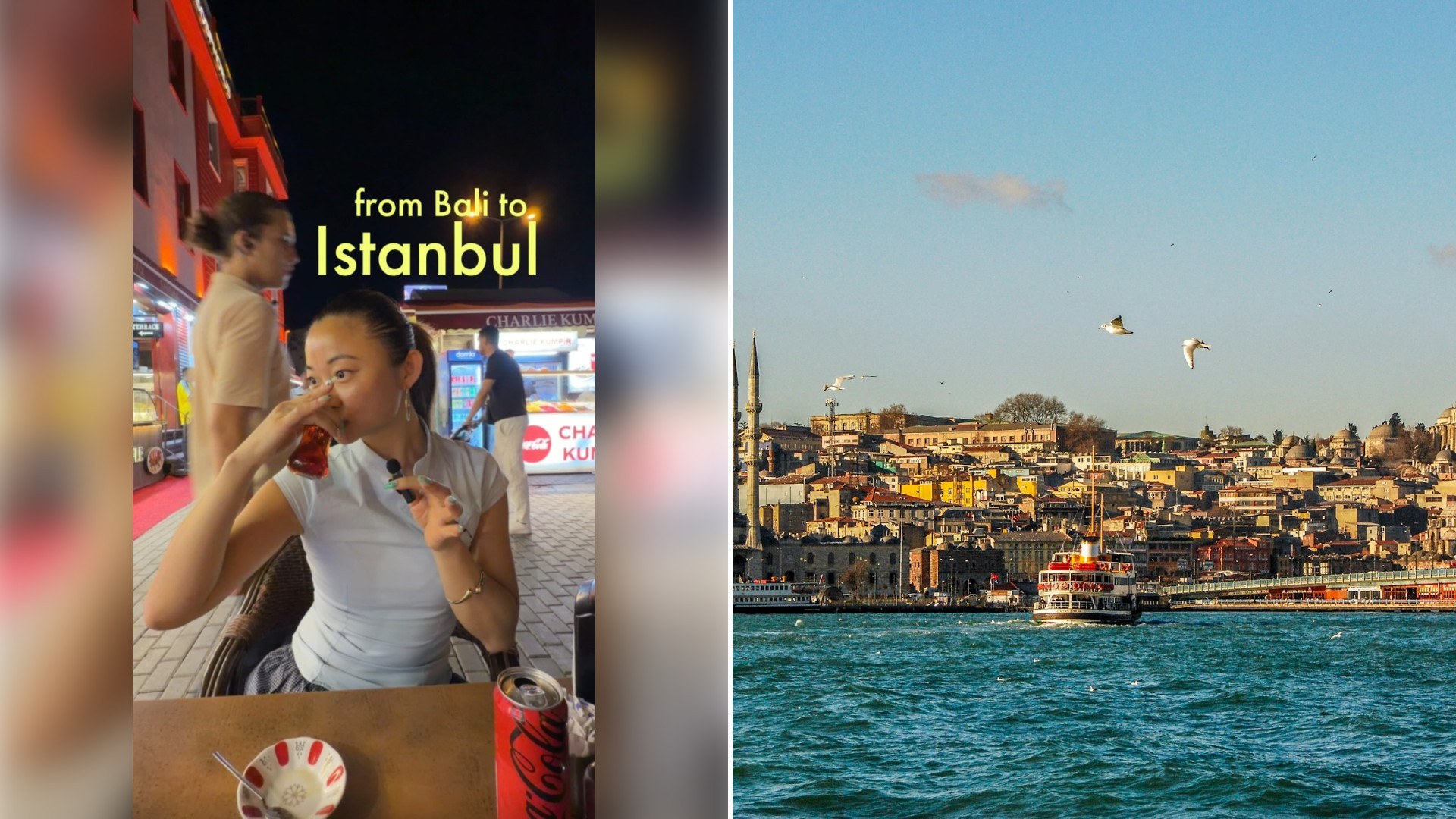
The creator, @itslizmiu, documents in voiceover how she ended up in Turkey after being invited and hosted by a friend she’d only met earlier that same year. The reel follows a loose “how I ended up here” structure, mixing city walks, interior shots, and night scenes with candid interactions alongside her host, building out the story of how a relatively new friendship turned into an entire hosted trip abroad.
View this post on Instagram
There’s a particular kind of trust required to accept an invitation like this one, agreeing to travel to another country to stay with someone who, in the grand scheme of a friendship, is still a fairly recent addition to your life. That trust tends to pay off in exactly the way this video suggests it did: a trip shaped less by a pre-planned itinerary and more by the genuine hospitality and local knowledge of someone who actually wanted to show a new friend their world.
It’s worth sitting with how counterintuitive this kind of decision can look from the outside. Conventional travel wisdom usually runs the other direction, plan ahead, book accommodations you can control, keep an exit plan in case a trip doesn’t go as hoped. Accepting a hosted invitation from a newer friend flips that logic entirely, trading predictability for trust and structure for spontaneity. It’s a decision that could easily have gone differently, and the fact that it apparently paid off says as much about the strength of the new friendship as it does about the trip itself. Some friendships simply move faster than the calendar would suggest they should, reaching a level of comfort and closeness well ahead of the amount of time technically spent knowing each other.
Travel built around personal invitations rather than tourist planning tends to produce a fundamentally different kind of trip. Hosted travelers get access to neighborhoods, routines, and relationships that a hotel-and-itinerary vacation rarely reaches, trading some control over the schedule for a far deeper, more personal version of the place they’re visiting. A host who actually lives somewhere knows which street corner has the best late-night food, which neighbors are worth stopping to chat with, and which unremarkable-looking spot is actually beloved by everyone who lives nearby, none of which shows up on a typical travel itinerary built from guidebooks and online reviews.
The looseness of the video’s own structure, mixing walks, interiors, and night scenes without a tightly scripted narrative, mirrors the looseness of the trip itself. A heavily planned vacation video tends to hit predictable beats: the landmark, the meal, the sunset shot. A video built around an unplanned, hosted trip has more room to simply follow whatever happened, which ends up capturing something closer to how the experience actually felt in the moment rather than how it was expected to look in hindsight. That unpolished, wandering quality is often exactly what makes this kind of travel content feel more authentic than the more curated alternative.
There’s also something to be said about the particular vulnerability of documenting a trip like this one publicly. Sharing footage from inside someone else’s home and city, rather than from a hotel or a generic tourist site, means implicitly vouching for the friendship behind it, letting an audience see not just the destination but the relationship that made the destination accessible in the first place. That transparency is part of why a video like this reads as more personal than a typical travel reel; the story isn’t really about Turkey as a destination, it’s about the specific, relatively new friendship that made this particular version of Turkey possible.
There’s a broader pattern worth naming here too, one that shows up again and again in travel content built around spontaneous invitations rather than planned itineraries: the trips that end up feeling the most meaningful are often the ones with the least amount of control baked in. A rigid itinerary guarantees a certain baseline experience but rarely produces genuine surprise. Handing the reins to someone who actually knows the place, by contrast, introduces exactly the kind of unpredictability that makes for a story worth telling months or years later, the unplanned detour, the conversation that ran long, the evening that turned into something nobody could have scheduled in advance. Viewers drawn to this kind of content are often responding less to the destination itself and more to that willingness to hand over control, a kind of travel courage that a polished, pre-booked vacation simply doesn’t require.
It’s also worth noting how this kind of trip reshapes what actually gets remembered afterward. A traditional vacation tends to be remembered in terms of sights: the landmark visited, the view from a particular overlook. A hosted trip built around a personal relationship tends to be remembered instead in terms of people: the friend who made it happen, the small kindnesses along the way, the conversations that happened in between the sightseeing rather than during it. That shift, from a trip organized around places to a trip organized around a person, is part of what gives this kind of travel story its staying power long after the specific details of the itinerary have faded.
What started as a friendship formed earlier in the year turned, by the account given here, into a trip worth documenting in full. Sometimes the best travel stories start with nothing more than someone saying “you should come visit” and someone else actually saying yes, a small act of mutual trust that, in this case, turned into an entire chapter worth remembering.