The survival of a species rarely hangs on a single pregnancy, but that is exactly the situation facing one small alpine lizard in Australia. A critically endangered skink, once written off as functionally gone from the wild, is now expecting babies that could nudge its global population from 11 to 13 individuals. For conservationists who have spent years trying to keep this animal from vanishing, those two extra lives are not a rounding error, they are a lifeline.
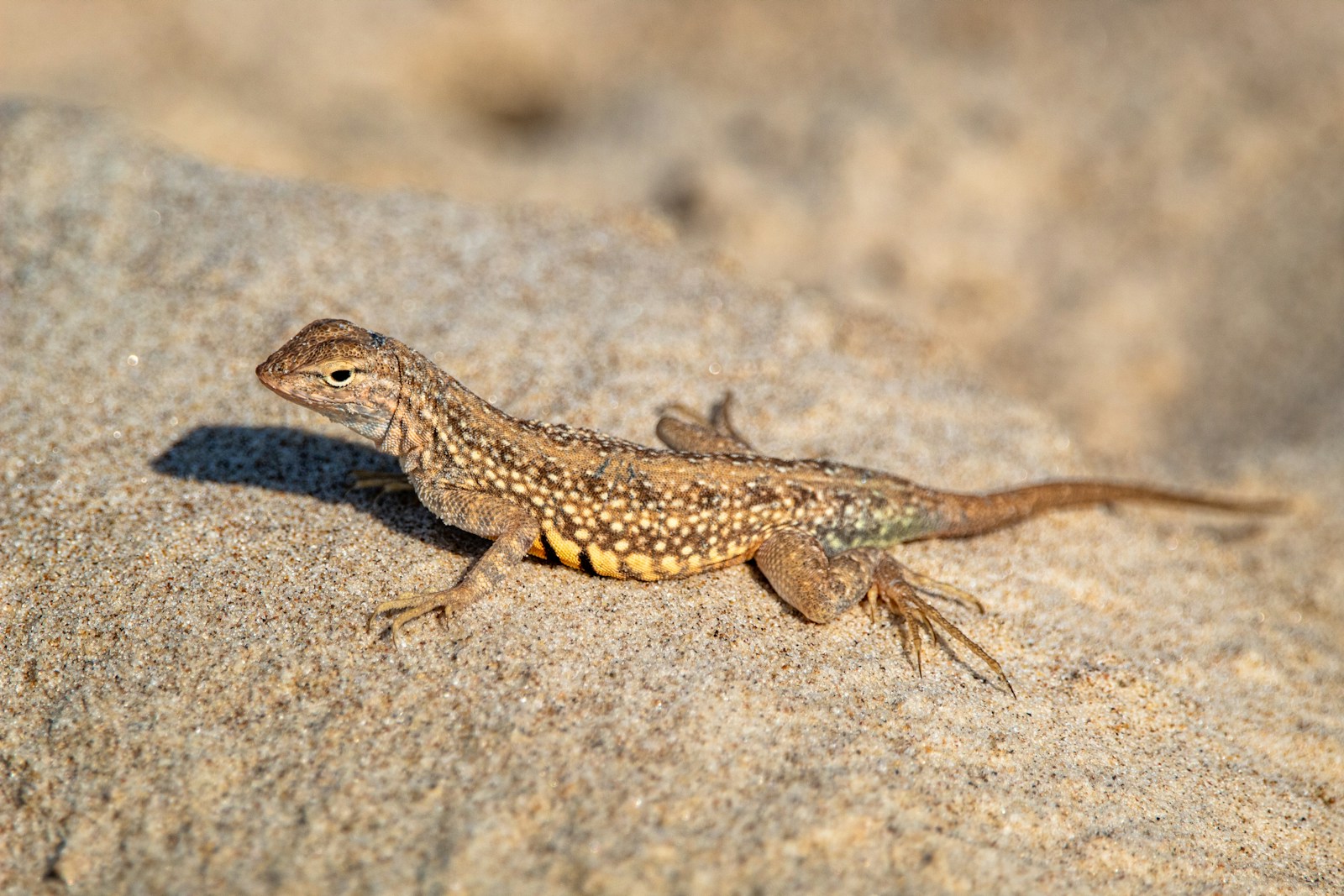
The story behind this rare pregnancy is part science experiment, part rescue mission, and part lesson in how fragile mountain ecosystems really are. It is also a reminder that when numbers are this low, every egg, every birth, and every carefully planned release can shift a species from the brink of extinction toward a shot at recovery.
The skink on the edge of oblivion
The lizard at the center of this drama is the guthega skink, a chunky, ground dwelling reptile that lives in cold, windswept alpine country where snow and frost are part of the yearly routine. Once scattered across high country habitat, it has now been squeezed into a handful of sites, with conservation teams counting a total of just 11 known individuals in managed care and the wild combined. That tiny figure is why the news that one female is pregnant, potentially lifting the population from 11 to 13, has landed like a jolt of hope among people who track extinction risk for a living, including writer representative Rachel Raposas, who has highlighted how a single pregnancy can shift the outlook for a species that is officially listed as critically endangered in the wild.
Unlike more familiar reptiles that lay clutches of eggs, this alpine skink gives birth to live young, a strategy that helps it cope with cold temperatures but also slows reproduction to a crawl. When numbers are already down to 11, the loss of even one adult to a fox, a cat, or a bad winter can erase years of careful work, which is why the prospect of two new babies is being treated as a major conservation milestone rather than a minor uptick. The pregnancy is not just a feel good moment, it is a test of whether years of captive management and habitat protection can actually translate into more skinks on the ground, as detailed in reporting that tracks how this rare lizard pregnancy could allow the population to boom from 11.
A gated community in the mountains
To give the species any chance at a future, conservation teams have gone far beyond simple fence lines or warning signs. Earlier this year, they moved 11 endangered skinks into what is essentially a gated community for reptiles inside Victoria’s Alpine National Park, a secure enclosure designed to keep out predators and give the animals space to breed. The site is tucked into the high country near ski fields and snow gum woodlands, and it is managed with the kind of attention usually reserved for high value livestock, not small lizards that most visitors will never see. The idea is straightforward: if the skinks can live and mate without being picked off by foxes or feral cats, their numbers might finally start to climb.
The scale of the effort is striking. Conservation staff monitor the enclosure, track individual animals, and watch for signs of mating and pregnancy, treating every potential litter as a critical data point in the species’ recovery plan. The release of the 11 skinks into this protected site, described in detail by reporter Petra Stock, was timed and staged so carefully that it was logged down to the 09.00 mark on the schedule, a reminder of how tightly controlled the operation had to be. That same reporting, which notes how the project was Supported by a broader push to restore alpine biodiversity, makes clear that the arrival of babies inside this gated community would be treated as a huge milestone rather than a routine breeding event.
Inside the captive breeding breakthrough
The pregnancy that has everyone talking did not happen by accident. It is the result of a captive breeding program that has been quietly building toward this moment, pairing compatible adults, fine tuning temperature and light conditions, and trying to mimic the seasonal rhythms of the high country inside controlled facilities. Captive bred guthega skinks have been carefully released into the secure alpine enclosure only after keepers were confident they were healthy and ready to handle the elements, a process that has taken years of trial and error. The pregnant female is one of those animals, and her condition is being watched closely as a proof of concept that the entire pipeline from captivity to wild style living can actually produce the next generation.
Video coverage of the project has underscored how much is riding on this single lizard, with conservation staff explaining that they expect critically endangered skink births after the success of the captive breeding program. In that footage, the team walks through how they moved Eleven endangered skinks into the protected site and how one female near Omeo falls pregnant in Victoria, turning a cautious experiment into a genuine turning point. The pregnancy is framed as a direct outcome of the Critically focused breeding work, not a lucky accident, which is why scientists are already talking about how to scale up the approach if the babies are born healthy and survive their first brutal alpine winter.
Why two babies matter so much
On paper, moving from 11 to 13 individuals might not sound like a boom, but in conservation biology, percentage change matters more than raw headcounts. For a species this rare, two extra animals can mean a broader genetic base, more potential pairings, and a slightly lower risk that a single disease outbreak or wildfire will wipe out every remaining skink. The pregnancy is also a signal that the habitat inside the gated alpine enclosure is doing its job, providing enough food, shelter, and thermal cover for the animals to feel secure enough to reproduce. That is a big deal in a landscape where climate change is shrinking snow cover and pushing alpine species into ever smaller refuges.
Advocates who have followed the project closely have framed the pregnancy as a personal turning point as well as a scientific one, asking, in effect, What does this mean for me personally when a species that most people have never heard of suddenly has a shot at recovery. Their answer leans heavily on the idea that saving the guthega skink is not just about one reptile, it is about proving that intensive, hands on management can pull a species back from the edge even when numbers are in the single digits. That perspective is laid out in a big picture overview that notes how Captive bred skinks, including Eleven individuals released into the secure site, are the foundation for establishing a self sustaining population, a goal that is central to the What and why of the entire project.
What comes next for the guthega skink
Even if the pregnancy results in two healthy babies, nobody involved is pretending that the species is suddenly safe. The next steps are all about survival rates, genetic diversity, and long term planning. Conservation teams will need to track how the young skinks cope with predators, weather extremes, and competition inside the enclosure, then decide when and whether to expand the population into additional sites. They will also have to keep managing threats outside the fence, from feral animals to ski resort development, so that any future reintroductions are not just sending rare lizards into a minefield.
More from Cultivated Comfort:
- 7 Retro Home Features That Builders Should Bring Back
- 7 Antique Finds That Are Surprisingly Valuable Today
- 7 Forgotten Vacation Spots Your Parents Probably Loved
- 6 Boomer China Patterns That Are Selling Like Crazy Online

As a mom of three busy boys, I know how chaotic life can get — but I’ve learned that it’s possible to create a beautiful, cozy home even with kids running around. That’s why I started Cultivated Comfort — to share practical tips, simple systems, and a little encouragement for parents like me who want to make their home feel warm, inviting, and effortlessly stylish. Whether it’s managing toy chaos, streamlining everyday routines, or finding little moments of calm, I’m here to help you simplify your space and create a sense of comfort.
But home is just part of the story. I’m also passionate about seeing the world and creating beautiful meals to share with the people I love. Through Cultivated Comfort, I share my journey of balancing motherhood with building a home that feels rich and peaceful — and finding joy in exploring new places and flavors along the way.