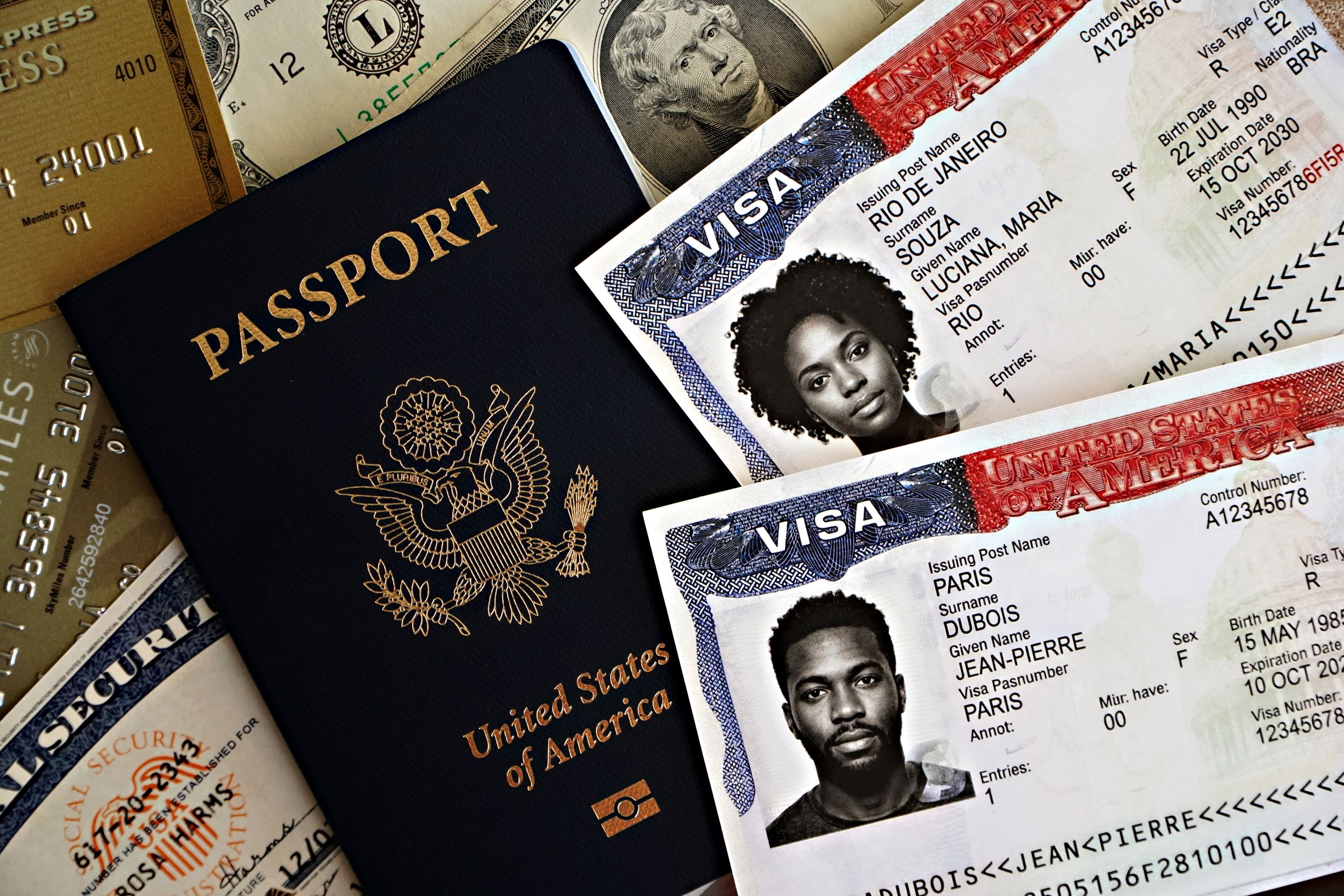
There was a stretch not long ago when renewing a passport meant filling out a form, mailing it off, and mostly forgetting about it until the new one showed up. That predictability is exactly what’s been disrupted. Current official data from the U.S. State Department’s passport processing times page shows routine applications now taking 4 to 6 weeks and expedited applications taking 2 to 3 weeks, and that’s before you account for mailing time on either end, which matters a lot more heading into fall travel season than most people realize.
What those numbers actually mean in practice
The State Department is explicit that the 4-to-6-week and 2-to-3-week windows only cover the time your application spends being processed once it reaches a passport agency. The page separately notes it can take up to 2 weeks for your application to arrive at the agency after you mail it, and another stretch of mailing time on the back end once your new passport is issued and sent back to you. Stack those mailing windows on top of the official processing time and a “routine” renewal that sounds like six weeks on paper can realistically stretch closer to two months once you factor in transit both directions.
Why this catches people off guard heading into fall
Fall is when a lot of travelers start booking winter holiday trips, and it’s also when people who let their passport lapse over a busy summer finally get around to renewing it. That combination, rising demand plus procrastination catching up, has historically been enough to strain processing capacity, which is exactly why routine and expedited windows shift throughout the year rather than staying fixed. Checking the current numbers directly on travel.state.gov before you plan around a specific date matters more than trusting whatever timeline you remember from your last renewal, because these figures move.
Expedited isn’t instant, and that’s the part people miss
It’s tempting to assume paying for expedited service solves the timing problem outright, but a 2-to-3-week processing window is still real time, and it’s still layered on top of the same mailing delays as routine service. If you’re booking international travel inside the next month or two, expedited service narrows the gap, it doesn’t erase it. For travelers who need something faster than even the expedited window allows, the State Department’s page also outlines options for life-or-death emergencies and in-person appointments at regional passport agencies, but those come with stricter documentation requirements and aren’t a substitute for planning ahead.
The math travelers should actually be doing
The safest approach, based on the current official figures, is to treat routine service as a 6-to-10-week commitment once mailing is factored in, and expedited as a 4-to-6-week commitment under the same math. That’s a meaningfully longer runway than the “quick and predictable” reputation passport renewal has carried in past years, and it’s long enough that anyone with international travel on the calendar for the holidays should already be thinking about this now, in September, rather than waiting until a trip is a few weeks out.
What predictable used to look like, and why it’s different now
None of this means the passport system is broken, it means the buffer travelers used to build into their planning has effectively been eaten by tighter processing windows and the mailing time the State Department is now flagging more explicitly on its own site. The travelers who get caught off guard aren’t the ones who left too little time by weeks; they’re the ones who assumed passport renewal still worked the way it did a few years ago and left a comfortable-sounding month, only to find out that a month was never quite enough room to begin with.