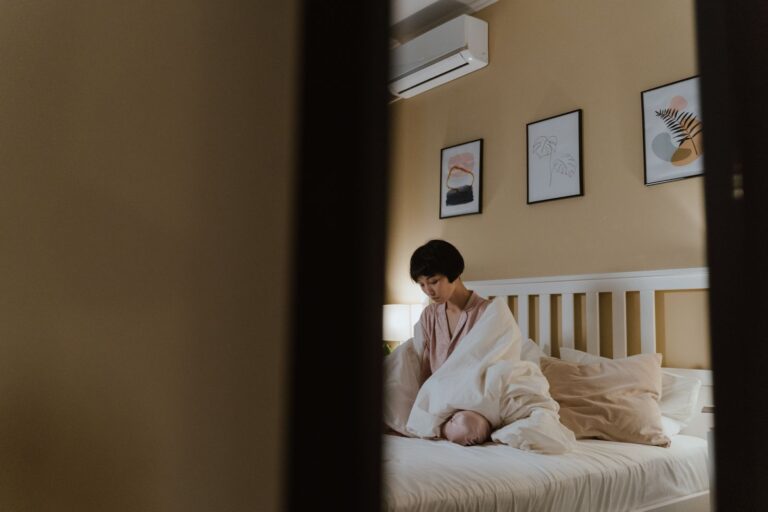
Once upon a time in a cramped college apartment, a student who we’ll call Sarah returned from a semester abroad, only to find her living situation spiraling out of control. For a year, she had signed a lease with a friend and his two roommates, Jess and Amy. Initially, everything seemed perfect; the vibes were right, and they all got along swimmingly. But as the months rolled on, the cracks began to show, particularly with Jess.

Jess had a habit of using a baby voice whenever issues arose, a tactic that often drew eye rolls from Sarah and her male roommate. Instead of addressing problems head-on, Jess preferred to wrap them in layers of passive aggression, which made conflict resolution nearly impossible. To complicate matters, Jess’s romantic escapades frequently clashed with their friend group, leading to tension that left Sarah and the male roommate feeling cornered and frustrated.
When Sarah left for her semester abroad, she thought the time apart would help clear the air. She kept in touch with Amy, the kind and agreeable roommate, but Jess barely registered on her radar. It wasn’t that Sarah intended to exclude Jess; she simply found herself gravitating towards the roommates with whom she had a more solid bond. But when she returned home a week ago, the air felt thicker than ever.
On the second night back, Sarah found herself in a tense conversation with Amy, who had always been the glue of their living situation. They discussed the growing rift between Jess, Sarah, and the male roommate, who had become increasingly resentful of Jess during Sarah’s absence. Amy understood both sides but urged Sarah and the male roommate to be more open-minded. It was a frustrating moment for Sarah, as she felt like a villain in her own story. The male roommate, meanwhile, was dead set on avoiding Jess, refusing to engage in any conversation that might involve her.
Later that week, Sarah and her male roommate discussed potential solutions. Maybe they could fix the living room wall together, which had been marred by their attempts to hang a painting. But her roommate shot that suggestion down immediately, muttering something about how he didn’t want to put effort into activities that didn’t benefit him. And just like that, it became clear that the hope of a harmonious living situation was fading fast.
During a heated discussion about house rules, which Jess suggested, Sarah felt a familiar knot of frustration tighten in her stomach. She couldn’t shake the feeling that the conversation would erupt into chaos, with accusations flying left and right. Jess’s communication style seemed to be more about winning arguments than reaching compromises, while the male roommate was increasingly stubborn, unwilling to budge on his grievances.
One night, they attempted to watch a movie together, thinking a shared activity might ease the tension. But Jess found a way to escalate the situation, pausing the film whenever conversations bubbled up, reminiscent of a strict elementary school teacher correcting her students. It wasn’t enjoyable; it turned into a passive confrontation that left Sarah feeling even more isolated and frustrated.
As the days went on, Sarah felt a growing sense of unease in her own home. She had just moved back in and was already hesitant to leave her room. Conversations seemed to happen behind closed doors, and she suspected that her male roommate was involved in discussions that excluded her. Strangely, her relationship with Amy began to fray, as the latter found herself mediating tensions between Jess and the other two. It felt like Sarah was stuck in the middle of a storm, with Amy trying to navigate between two stubborn forces.
Feeling lost and overwhelmed, Sarah grappled with her emotions. She understood she had her own issues to work through but genuinely wanted to try. Yet, the male roommate’s resistance and Jess’s retreat into passive aggression made everything feel hopeless. It was disheartening to think about the next year in such a charged environment where all they seemed to do was tiptoe around issues instead of addressing them openly.
Ultimately, Sarah was reaching out for help, not just to share her story but to seek advice from those who might have faced similar situations. She wanted to know if anyone could relate to her struggles of living with roommates who preferred passive aggression over honest communication. The apartment was supposed to be a home—so why did it feel more like a battlefield?
More from Cultivated Comfort:
- 7 Vintage Home Items From the ’60s That Are Collectors’ Dream Finds
- 7 Vintage Home Goods That Became Collectors’ Gold
- 7 Fast-Food Chains That Changed for the Worse
- 7 Frozen Dinners That Were Better Back in the Day