

Most of us have had the moment. You pick up a big bag of chips for the family get-together, and it just does not seem as big as it used to be. That is the feeling shopper @dairyqween1 captured in a quick clip that has pulled in roughly 2.3 million plays and more than 1,200 comments.
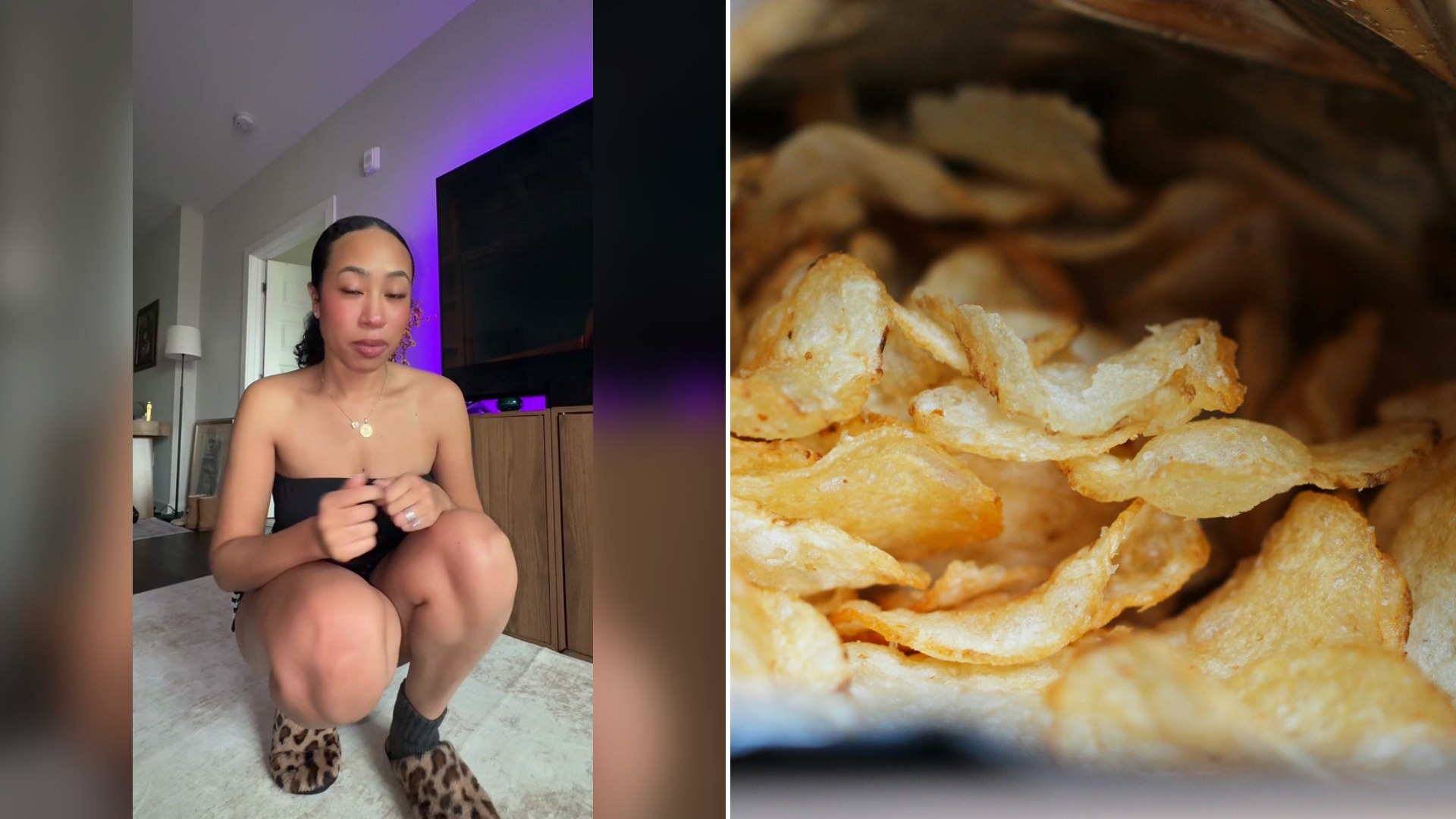
Her question was simple and a little sarcastic: does this look like a normal size bag of party size chips? The caption adds that first came the smaller bags and now this, and she tagged it with the word shrinkflation. Plenty of people in the comments clearly knew what she meant.
@dairyqween1
What she said about the bag
The clip is only about ten seconds long, so there is not a lot of detail. She holds up the bag, asks everyone whether it looks like a regular party size bag, and then says, “What are we doing here?” She finishes by calling it a rip off. She does not name the brand or the price in what she says, so we will not guess at either one.
What comes across is plain disappointment. A party size label sets an expectation: plenty to go around, enough for a crowd. When the bag looks small or half empty, that promise feels broken, and shoppers are quick to say so.
Why chip bags are never packed to the brim
Before blaming every empty-looking bag on a sneaky trick, it helps to know why chip bags have always had a lot of air in them. The extra space works as a cushion so the chips do not break into crumbs while the bags are shipped and handled. The bag is also filled with nitrogen instead of ordinary air. Oxygen can make the oil in chips go rancid and humidity can turn them soggy, and nitrogen is harmless because the air we breathe is already about 78 percent nitrogen.
Chips are also sold by weight, not by how full the bag looks. The Fair Packaging and Labeling Act of 1966 requires packages to state their net weight, so the number printed on the front is the number that counts. A big bag with only a small amount of product can still be perfectly legal if the weight on the label is right.
The trouble, as many shoppers point out, is that people are not great at judging size by eye, and a larger package tends to look like it holds more. That is the part shoppers feel is unfair.
What shrinkflation really means
Shrinkflation is when a company shrinks the amount in a package without lowering the price. The U.S. Government Accountability Office explains it as manufacturers decreasing the quantity of an item without a corresponding price drop. In its review of seven categories of common household goods, the GAO found that downsizing affected less than 5 percent of the items it examined. Where it did happen, the price per unit went up between 12 percent for paper towels and 32 percent for coffee.
The Bureau of Labor Statistics also tracks this. Its researchers explain that when a package gets smaller at the same shelf price, the price per ounce goes up, and the government counts that as a price increase. Their examples include snack items that dropped from 4.5 ounces to 4.25 ounces, and an 8 ounce bag that became 7.5 ounces. The agency found snacks were one of the categories where size changes showed up.
The GAO also noted that downsizing is usually not announced on the package, and that shoppers tend to react less to a smaller product than they do to a higher price.
Simple ways to protect your grocery budget
- Read the net weight, not the label art. Words like party size, family size, or value are marketing. The ounces printed near the bottom of the front panel tell you what is actually inside.
- Use the unit price on the shelf tag. The little price per ounce on the shelf label makes it easy to compare a bag that looks big with one that looks small. More than a dozen states and territories require unit prices, according to the GAO.
- Compare across sizes and brands. The store brand or a different size often costs less per ounce for the same kind of chip.
- Take a photo of your favorites. If you buy the same snack every month, a quick picture of the weight on the label makes it easy to spot a change next time.
- Tell the company. The consumer line on the package is there for a reason, and companies do read the feedback they get.
It also pays to think about how you plan to use the food. If the chips are for a party, work out roughly how many handfuls you need for your guests and check the ounces to see whether one bag will really stretch that far. Buying a second bag, or choosing a different brand with more ounces for the money, is cheaper than running out halfway through the game.
The bottom line
One short clip will not settle the debate over whether chip makers are playing fair. Still, with millions of plays and more than a thousand comments, it shows how many shoppers are paying attention to what comes out of the bag compared with what they expected. A party size label is a promise, and shoppers are right to look closely at whether it holds up. Checking the weight and the unit price takes only a few seconds, and over a year of grocery trips those seconds can add up to real savings.

