A shopper who goes by @bettyspaghetti55 on TikTok decided she was done guessing whether her snacks were shrinking. She took a brand new, sealed can of Pringles labeled 5.5 ounces, opened it on camera, dumped the chips onto a kitchen scale and watched the number land far short of what the label promised.
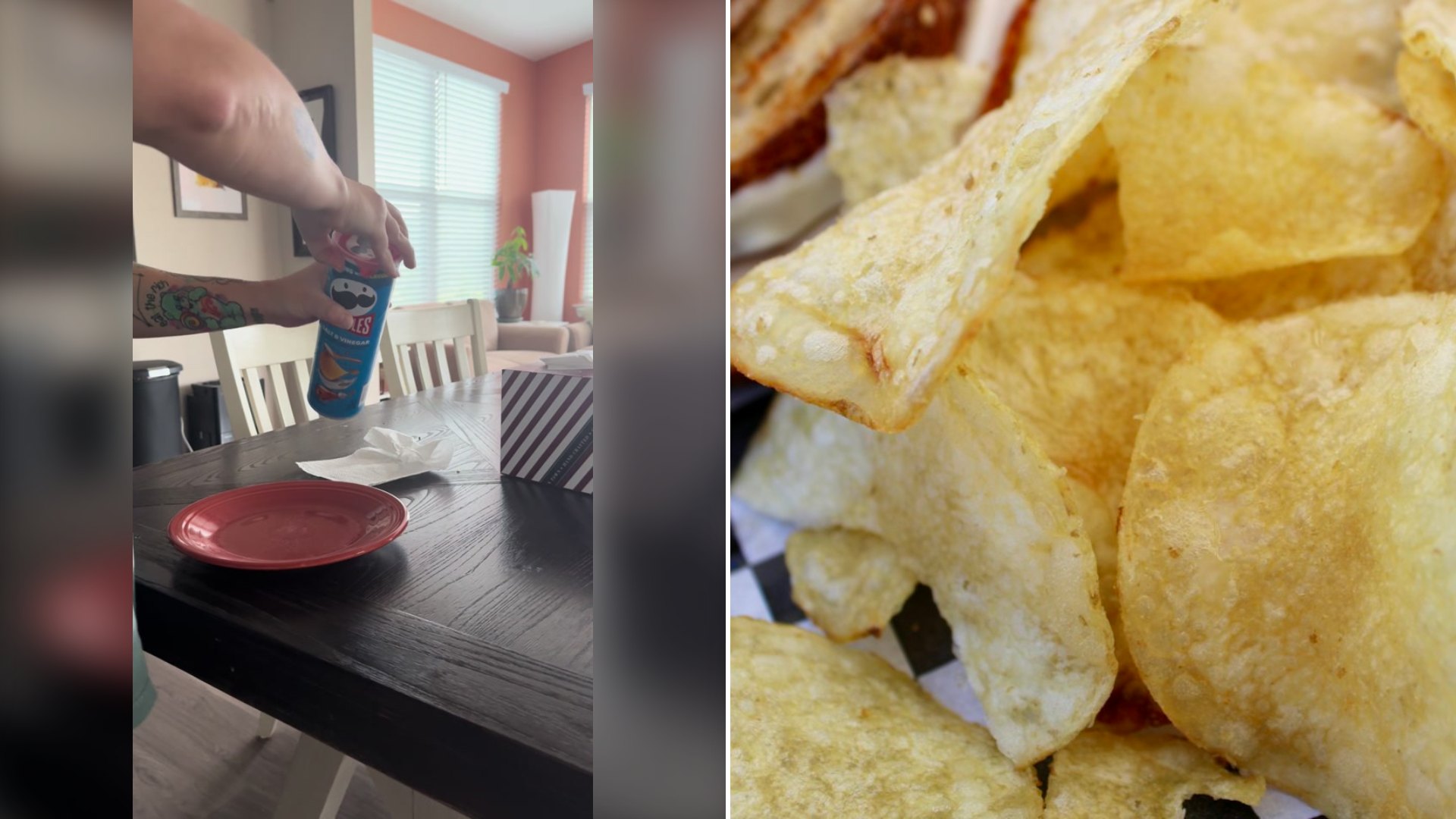
“Welp, #shrinkflation has hit @Pringles. Y’all should be ashamed!” she wrote in her caption.
The video is short and to the point. She shows the can, reads the 5.5 ounce label out loud and peels back the seal. Looking inside, she is not impressed. “It’s not even half full,” she says.
Then comes the test. She sets her scale to zero so only the chips count, explaining as she goes that she should be looking at 5.5 ounces. The scale settles at 2.31 ounces.
“2.31 ounces and that says 5.5 ounces,” she says. “I want my money back.”
If her reading is accurate, that would be about 42 percent of what the can claims, which is less than half the chips she paid for. It is worth keeping in mind that home scales are not always perfectly calibrated and only one can was weighed. Still, a gap of more than three ounces is a lot more than a scale error, and it is exactly the kind of result that makes shoppers feel cheated.
@bettyspaghetti55
What Shrinkflation Really Means
Shrinkflation is the name for a quiet kind of price increase. Instead of raising the sticker price, a company keeps the price the same, or close to it, and puts less product in the package. The candy bar gets a little thinner, the cereal box a little shallower, the roll of paper towels a few sheets shorter.
Technically, shrinkflation is legal as long as the label tells the truth. The package can shrink, but the net weight printed on the front has to match what is inside. That is the key difference in a case like this one. A can that says 5.5 ounces and holds less than half that would not be shrinkflation at all. It would be a short filled product, which is a different and more serious problem.
It also helps to know about something called slack fill, the empty space at the top of a bag or can. Some of it is normal. Chips settle during shipping, and air helps protect fragile foods from being crushed. That is why the weight on the label, not how full the container looks, is the real measure of whether you got what you paid for.
How to Check Your Own Groceries
You do not need special equipment to do what this shopper did. A basic digital kitchen scale works fine.
- Use the tare button. Place an empty bowl or plate on the scale and press tare or zero, so the scale ignores the container. Then pour in the food.
- Match the units. Make sure your scale is set to ounces if the label is in ounces, or switch to grams and compare with the metric weight that is usually printed beside it. A 5.5 ounce package is about 156 grams.
- Test the scale. If you get a surprising result, weigh something with a known weight, like an unopened can of soup or a stick of butter, to make sure the scale is reading correctly.
- Take photos. Snap a picture of the label, the scale reading and the receipt before you throw anything away.
- Keep the packaging. Hold on to the empty can or bag, including the bottom where the production codes are stamped. A store or manufacturer may ask for those codes, and you cannot get them back once the container is in the trash.
Getting Your Money Back
If a product comes up short, you have several good options, and most of them take only a few minutes.
Go back to the store. Most grocery stores will refund or replace a product that is not right, especially if you bring the receipt and the package. Many have a satisfaction guarantee that covers this exact situation.
Contact the manufacturer. Look on the package for a customer service phone number or website. Have the UPC code and the lot or best by code ready, since companies use those to track production problems. Food makers often send refund checks or coupons, and your report helps them catch a faulty batch.
Report it to weights and measures. Every state has an office, usually within the state agriculture or consumer protection department, that checks whether packages contain what they claim. If you believe products are being sold short, they are the people to call.
Shop by unit price. To protect yourself from shrinkflation in general, look at the price per ounce on the shelf tag rather than the package price. When a product shrinks, the unit price is where the increase shows up. Comparing it against the store brand or a different size often reveals a better deal.
Shoppers have been noticing smaller boxes and lighter bags for years, and many feel powerless about it. What this shopper did is a reminder that you are not. A cheap scale, a receipt and a phone call can go a long way toward making sure you get every ounce you paid for.
More From Cultivated Comfort
- Man Spends the Most Money He Has Ever Spent at Costco and Shows the Grocery Bill for the Week
- Costco Shopper in Irvine Finds the Rice She Bought Was Infested with Bugs and Shows What She Found Inside the Bag
- Shopper Tracked the Same 20 Groceries at 20 Portland Stores Every Month for 13 Months, and Then WinCo Lost Its Cheapest Store Crown by Just 21 Cents