

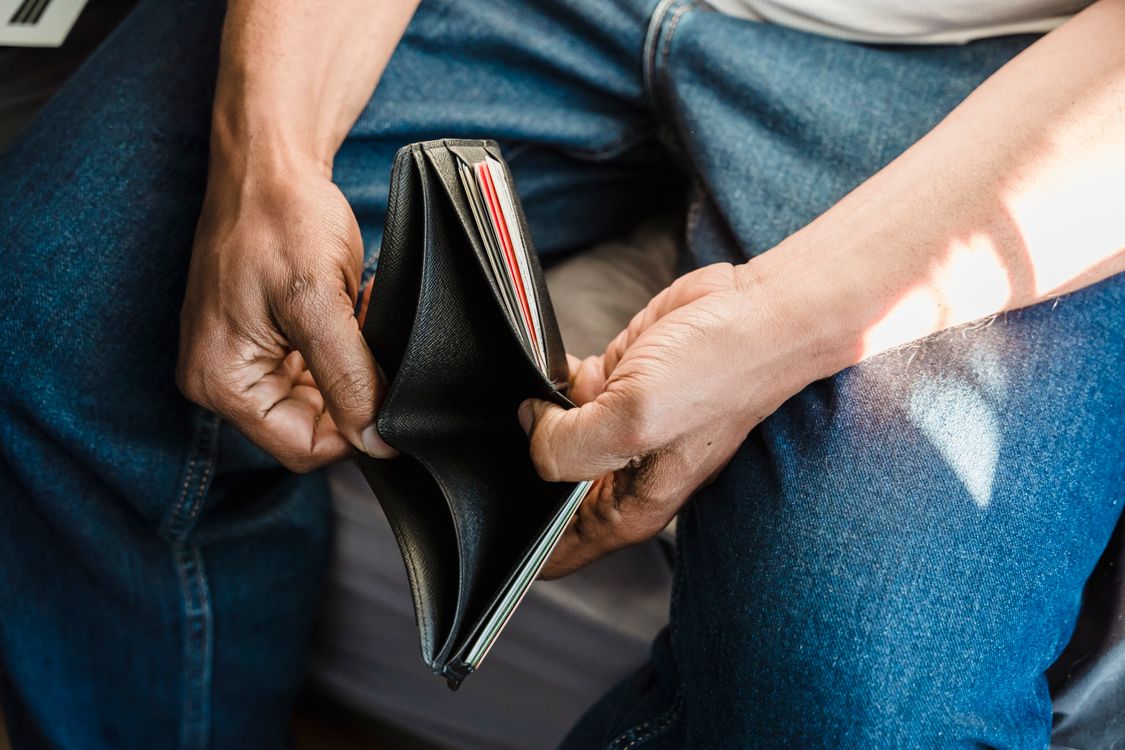
Most young singles still want to get married. They’re just not dating enough to get there, and money is the biggest reason why. A new report from the Wheatley Institute at BYU and the Institute for Family Studies, “State of Our Unions 2026: The Dating Recession,” surveyed 5,275 single adults aged 22 to 35 and found that 52% cited insufficient money as the main obstacle to dating, more than any other barrier. Meanwhile 86% of the same respondents said they expect to marry eventually. The gap between wanting a relationship and actually pursuing one has rarely looked this wide, or this explainable.
The Money Barrier, by the Numbers
The financial obstacle isn’t evenly distributed. In the IFS report, authored by researchers Alan J. Hawkins, Brian J. Willoughby, Jason S. Carroll, and Brad Wilcox and released in February 2026, 58% of men cited lack of money as their top dating barrier compared with 46% of women, a notable gap that tracks with lingering cultural expectations that men initiate and pay for dates even as wages haven’t kept pace with dating costs. Money outranked every other obstacle in the survey, including a lack of confidence, cited by 49%, bad past dating experiences, cited by 48%, and a lack of relationship experience, cited by 38%. Only 30% of respondents said they were actively dating at all, and 74% of women and 64% of men reported no dates, or only a handful, in the past year.
Wanting a Future That Feels Increasingly Out of Reach
What makes the financial barrier especially striking is how it sits against the marriage numbers. Of the 4,539 respondents who answered the marriage question directly, 86% said they expect to marry eventually, with a median expected age of 33 for women and 35 for men. The report describes that marital horizon as staying roughly five to six years away no matter how old the respondent currently is, meaning the goal keeps receding rather than approaching as people get older. That’s not a generation that’s opted out of the institution. It’s a generation that still wants it, and is running into a dating market that’s become expensive enough to actively delay the process required to get there. Coverage of the same report by AOL noted that if current trends hold, at least one in three adults now in their twenties will never marry at all, a projection that turns the money barrier from an inconvenience into something with real demographic weight.
Money Isn’t the Only Thing Making Dating Harder
The same reporting on the dating recession points to compounding factors beyond cost. Young adults now spend nearly four hours a day on social media, and the average time young adults spend in person with friends has fallen by half since 2010, according to the AOL writeup of the research. Less in-person practice appears to be denting basic dating confidence: just 36% of respondents in the IFS study said they feel confident reading social cues on a date, only about a third feel comfortable approaching someone they’re interested in, and fewer than 40% feel confident even discussing their feelings with a dating partner once they’re in a relationship. Money is the top-cited reason people aren’t dating, but it’s compounding with a broader erosion of the social skills and opportunities dating used to run on.
What Singles Actually Want, Once They Get There
The same survey found that when singles do date, they’re not doing it casually. Eighty-three percent of women and 76% of men said they want relationships focused on serious, emotional connection rather than something short-term or low-stakes, which undercuts the assumption that young adults are avoiding commitment by choice. The pattern that emerges across the full report is consistent: singles aren’t holding out for something casual, and they aren’t indifferent to marriage. They’re priced and under-practiced out of the dating that would get them there.
What This Actually Means for Singles
The takeaway isn’t that today’s singles have given up on love. It’s closer to the opposite: the desire for a relationship, and eventually marriage, is still overwhelmingly intact, but the practical path to it has gotten more expensive and less familiar at the same time. For anyone feeling like dating has become harder to justify financially, the data suggests they’re not imagining it, and they’re far from alone. Fifty-two percent of their peers are running into the exact same wall. The fix isn’t necessarily lowering the bar on what a relationship should look like. It’s being honest that money has quietly become one of the biggest gatekeepers to dating at all, and building a strategy, cheaper dates, more time together instead of more spent, around that reality instead of pretending it isn’t there.