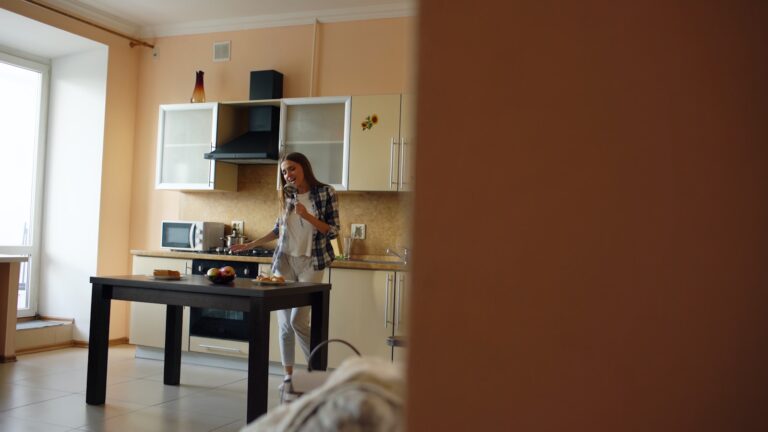
Sixteen-year-old Emma had been living in a shared flat for about two years after her family home was renovated. Initially, it felt like a manageable arrangement as she shared a room with her mother, aunt, and cousin, giving her some sense of freedom while they were all at work. She could finally hang out with her friends, play video games, and simply enjoy being a teenager. However, the atmosphere shifted dramatically when two new neighbors moved in next door.

At first, Emma didn’t mind the couple who had taken the room next to them; they seemed harmless enough. But everything changed one evening when she was having a good laugh with a friend. Suddenly, she caught snippets of mocking laughter coming from their side of the wall. Emma initially thought maybe she was just being too loud, so she brushed it off. But then, things escalated. Late that same night, all her family members were tucked away in their rooms, and the couple woke her up from a deep sleep, howling with laughter and making snide comments about her laughing earlier. She soon realized they were telling their friends about her, as if she were the subject of a late-night comedy routine.
The boyfriend, whom Emma dubbed “Dogshit” due to his atrocious hygiene (a chronic issue that included leaving feces in the shared toilet), was the ringleader of their harassment. He’d belligerently announce how she was “lucky” he hadn’t complained to the landlord about her noise. This was especially rich coming from someone who was loud enough to rival a late-night bar and whose bathroom etiquette left much to be desired. It was infuriating for Emma—she was simply laughing at a reasonable hour, while they acted like it was the crime of the century.
As time passed, their behavior grew increasingly obnoxious. Emma realized that the way their apartment was constructed allowed sound to travel alarmingly well between units. She could hear everything: their moaning during intimate moments and even their ridiculous attempts to mock her from the other side of the wall. Feeling trapped and frustrated, she began to retaliate; she started mocking their laughter whenever she heard them, making a point to glare at them as they passed each other in the hallway. The couple tried to act unaffected, but it was clear they were rattled by her defiance. The tension was palpable, and the laughter shifted from playful to passive-aggressive.
To make matters worse, Emma’s strained relationship with her mother piled onto her frustrations. Her mother, who was narcissistic and often dismissive of her feelings, seemed oddly charmed by the neighbors, claiming they accepted their faults. Emma couldn’t understand how her mother could brush off their behavior, especially when their hygienic habits were appalling. Whenever Emma tried to confront her mother about how the couple treated her, she would break down in tears, something that had never happened before in their discussions. It was like talking to a wall; her mother often responded with a litany of how much she had sacrificed for Emma, which only deepened Emma’s feelings of isolation.
The relationship between Emma and her mother deteriorated, especially as the neighbors continued their weird obsession with monitoring her life. They seemed to take pleasure in her discomfort, laughing with increasing frequency and intensity whenever they thought she couldn’t hear. Emma felt like a prisoner in her own home, walking on eggshells, constantly on alert for their next move. It was exhausting, a mental burden that left her anxious and angry.
Despite her difficult situation, Emma’s financial independence through babysitting was consistently thwarted. Her earnings were snatched away by her mother, who claimed they were needed for household expenses. Emma felt powerless; at sixteen, she didn’t have the means to escape the madness herself. The only relief she found was in her daydreams of a potential escape back to her country, a place her mother would jokingly threaten to send her whenever they got into heated arguments. Yet, the more her mother threatened, the more Emma found herself almost hoping for it. It was a twisted silver lining, a glimmer of hope that perhaps she could carve out a life away from the overwhelming chaos and conflict of their shared flat.
As Emma sat in her room one evening, listening to the howls of laughter from next door, she realized that her situation was not just uncomfortable—it was untenable. With each passing day, her patience thinned, and the longing for freedom grew stronger. It felt like she was living in a twisted reality show where she only had a minor role, but today, she decided she’d had enough.
More from Cultivated Comfort:
- 7 Vintage Home Items From the ’60s That Are Collectors’ Dream Finds
- 7 Vintage Home Goods That Became Collectors’ Gold
- 7 Fast-Food Chains That Changed for the Worse
- 7 Frozen Dinners That Were Better Back in the Day

As a mom of three busy boys, I know how chaotic life can get — but I’ve learned that it’s possible to create a beautiful, cozy home even with kids running around. That’s why I started Cultivated Comfort — to share practical tips, simple systems, and a little encouragement for parents like me who want to make their home feel warm, inviting, and effortlessly stylish. Whether it’s managing toy chaos, streamlining everyday routines, or finding little moments of calm, I’m here to help you simplify your space and create a sense of comfort.
But home is just part of the story. I’m also passionate about seeing the world and creating beautiful meals to share with the people I love. Through Cultivated Comfort, I share my journey of balancing motherhood with building a home that feels rich and peaceful — and finding joy in exploring new places and flavors along the way.