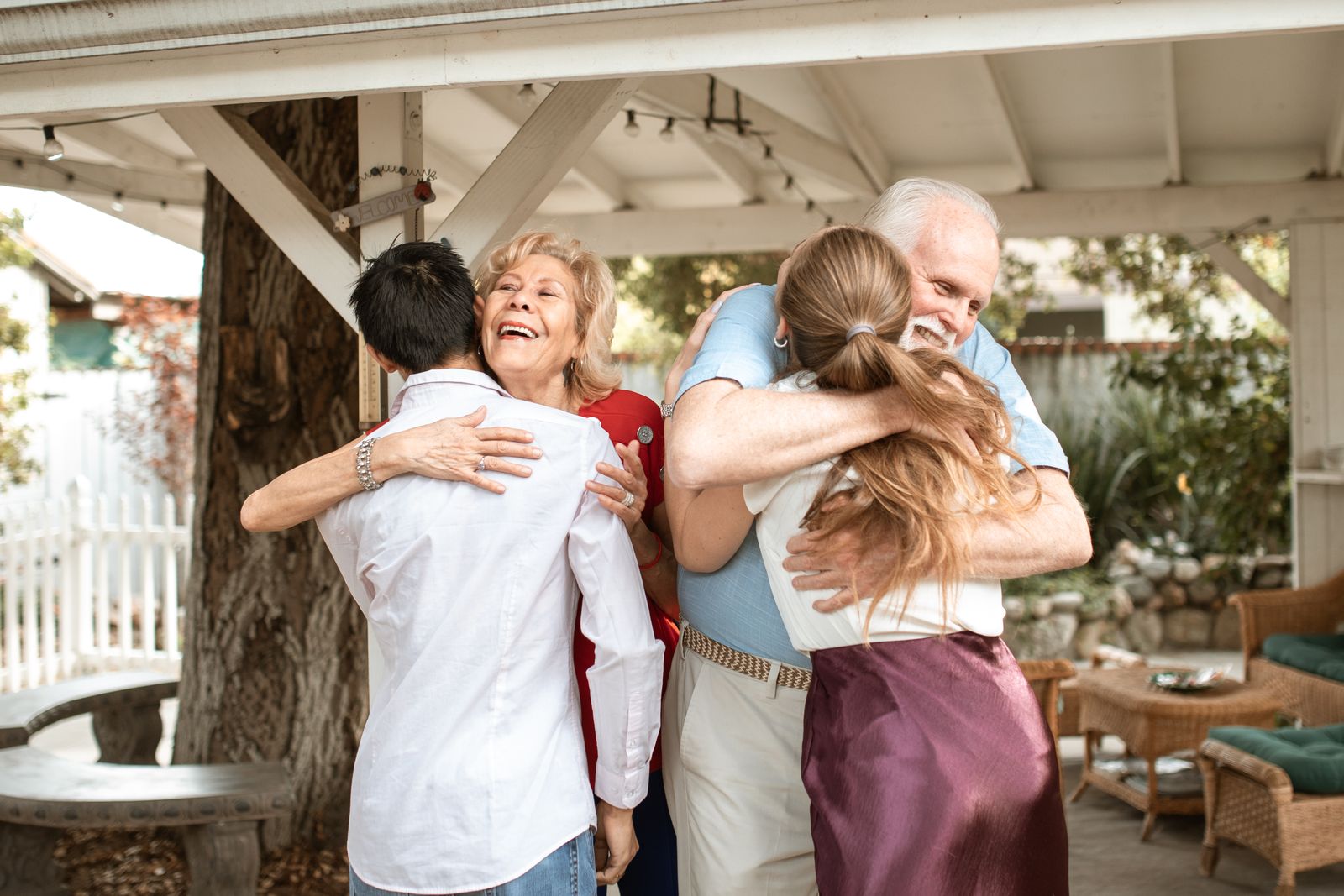
Karen Lindahl took a 23andMe test on a whim, expecting ancestry percentages. Instead, six years ago, it surfaced a half-sister she’d never known existed — and told her, for the first time, that she’d been conceived using a sperm donor. She didn’t stop at one sibling. By the summer of 2023, Lindahl had connected with 29 confirmed half-siblings, and counting, according to CBS News Minnesota, nine of whom flew in to meet each other in person for the first time. Her story isn’t a fluke. According to a survey of donor-conceived adults by We Are Donor Conceived, 70 percent of respondents who searched found at least one previously unknown half-sibling through DNA testing.
How One DNA Kit Turned Into a Family Reunion
“This past weekend we just connected with six more from Salt Lake City,” Lindahl told CBS News, describing how her sibling network kept expanding even after the first shock wore off. She started a private Facebook group so the newly discovered relatives could get to know each other, and the group grew through the isolation of the pandemic into something closer to an extended family. “I didn’t know I was donor-conceived until after I took the DNA test,” she said. Megan Christenson, one of the half-siblings Lindahl found, described the experience in similarly human terms: “It’s been hard, it’s been fun, and it’s been exciting meeting people who look like me and share some of the weird quirks and health issues,” she told CBS. “I think most of us are open to knowing more about the person who helped create us.”
The Data Behind the Trend
Stories like Lindahl’s are becoming common enough that researchers have started measuring the pattern directly. The 2020 We Are Donor Conceived survey collected 481 responses from donor-conceived adults across 15 countries and found that 78 percent had successfully identified their sperm or egg donor using consumer DNA testing — a discovery route that simply didn’t exist for earlier generations of donor-conceived people. The same survey found that 70 percent of respondents reported harm from not knowing their donor’s identity, and 80 percent reported harm from lacking access to their donor’s medical history, underscoring that for many, this isn’t idle curiosity — it’s about closing real gaps in their own health information.
Some Networks Run Into the Hundreds
Lindahl’s 29 siblings are, by some standards, a modest group. The Donor Sibling Registry — a nonprofit founded by Wendy Kramer that helps donor-conceived people and their families connect — has documented far larger cohorts. One half-sibling group tied to a single donor, first reported by The New York Times in 2011 at around 150 members, has since grown to roughly 220. Another parent privately told the registry her child has more than 300 half-siblings from a single Midwest cryobank donor. In one documented case involving a donor known as “Ralph,” 99 offspring were eventually identified worldwide, 34 of them in the U.S. — a case that mattered beyond curiosity, since the donor was later found to carry a genetic condition, neurofibromatosis, that could affect his biological children.
Why the Networks Keep Growing
Part of the explanation is sheer scale: more than 26 million people had taken an at-home ancestry test as of 2019, according to MIT Technology Review, and that number has only grown since. The other part is that sperm banks have historically had little ability — or incentive — to track how many children a single donor actually fathers. Kramer has pointed to survey data showing that 45 percent of sperm-donor recipients said the sperm bank never asked them to report a birth, and 31 percent said the bank was simply unaware the birth had happened at all. Between 22 and 28 percent of donors, she’s noted, donate to more than one facility, which means even a diligent bank often can’t see the full picture.
What This Means for Families Now
None of this is really a story about sperm banks failing to keep spreadsheets current — it’s a story about what happens when a private arrangement made decades ago runs into a technology nobody anticipated. For donor-conceived adults, half-sibling discoveries are increasingly just part of getting an ancestry test done, the way finding a long-lost cousin used to be a rare surprise and is now a routine feature of the genealogy hobby. What’s changed is the scale, and the emotional terrain that comes with realizing your family tree has branches you never knew to look for.