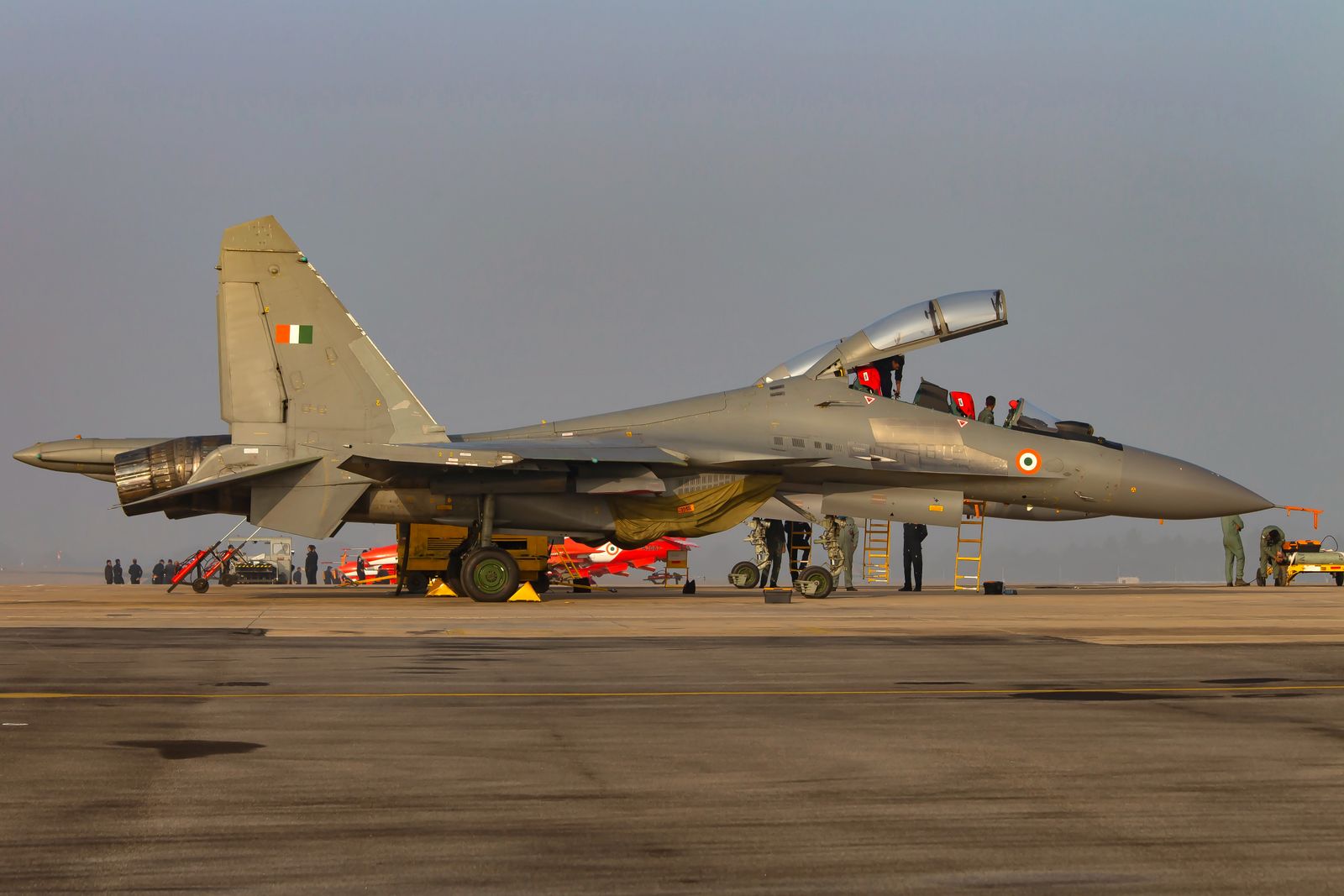
This story captures a memorable experience during a large international air force exercise at a Spanish air base. For context, it’s important to know that a considerable amount of planning goes into such exercises, which often involve multiple nations deploying their aircraft to train together. Our contingent brought around 20 fighter jets and about 200 personnel to the event. Prior to the exercise, a few members from our team made a site survey to understand the logistics, including how refueling and defueling processes would work.
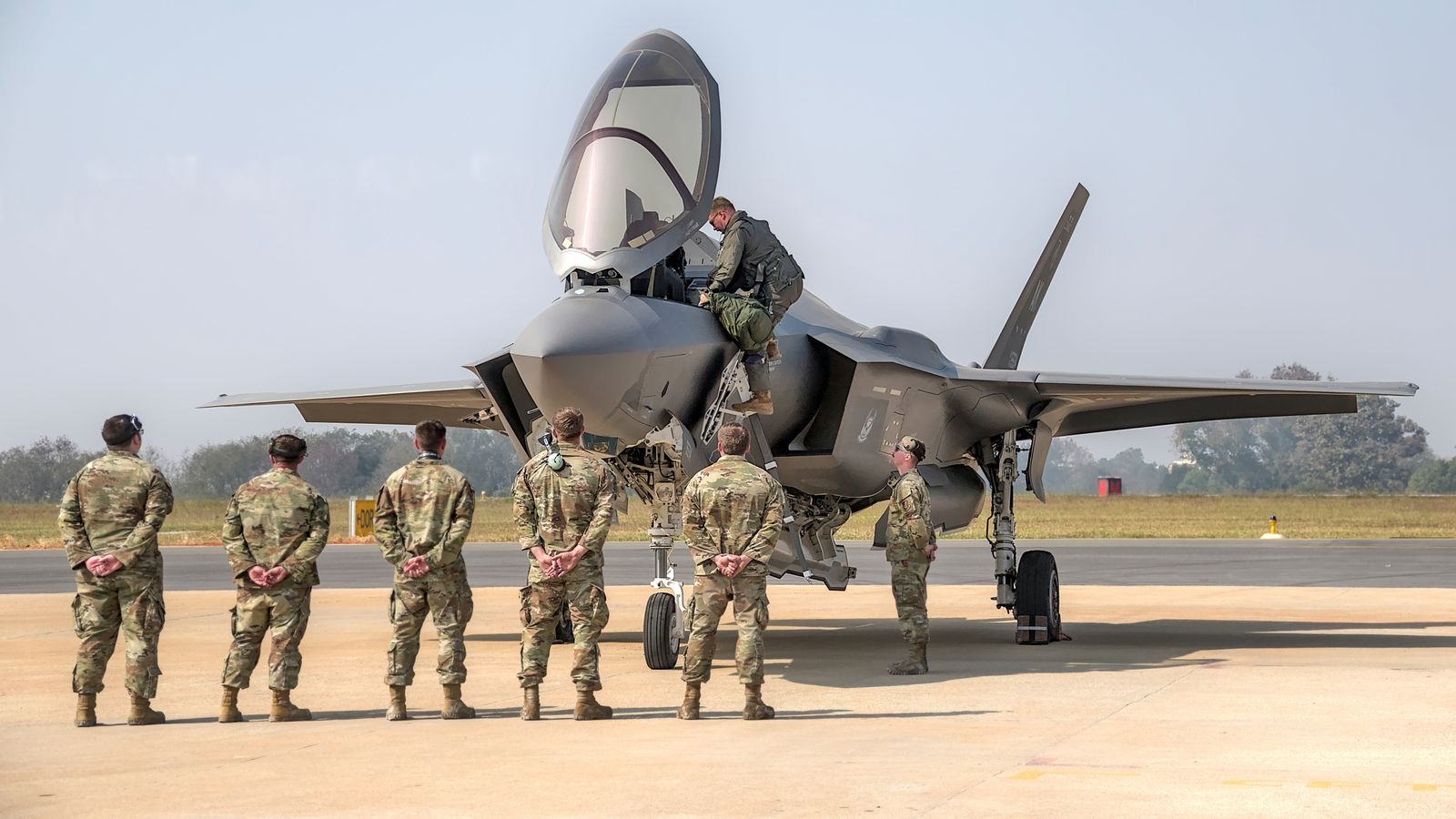
Generally, aircraft need to be refueled right after landing due to safety concerns; it’s much safer to have a fully fueled aircraft than one that’s nearly empty with only vapor inside. Refueling issues can arise unexpectedly, necessitating a process called “defueling,” where fuel is pumped back into a tanker truck. During our earlier site survey, this procedure was confirmed without hesitation, allowing for a smooth collaboration later on.
Fast forward to a day in the middle of the exercise. The missions had gone well, and our jets had been refueled as per the usual protocol. However, one jet reported an electrical issue with one of its external fuel tanks. After some troubleshooting, it was determined that the damaged tank needed to be removed and replaced. Normally, this is a quick job: the jet gets defueled, the old tank gets swapped out, and then it’s refueled again in a matter of thirty minutes. But this time, things were about to take a turn for the ridiculous.
When we asked for the defueling truck, the response was surprising. Suddenly, a specialist had to take a sample of the fuel from the jet, and that sample would go off to the lab for analysis. We would have to wait several days for the results before we could get a truck to defuel the aircraft. Our reaction was one of disbelief—this was not at all what had been agreed upon during the site survey. The aircraft would be out of commission for an extended period, hindering our exercise participation.
When we escalated our concerns, we hit a wall. Every negotiation attempt was shot down, and we were met with a rather flippant remark: “Then just burn the fuel if it’s that important.”
That was all we needed to hear. The next morning, at the crack of dawn, while the base was cloaked in silence and early morning dew, four crew members stealthily approached the parked jets. With a tranquil morning sky overhead, the calm was shattered by the unmistakable roar of engines igniting. Two fighter jets ramped up their thrust, sending vibrations through the air.
For twenty-five minutes, the engines unleashed a ferocious torrent of power, consuming an astonishing 1,700 kilograms of jet fuel. The asphalt beneath the jets dried instantly, and a massive cloud of dust, debris, and vegetation was kicked up into the air, cascading toward a nearby open shelter housing Spanish Air Force personnel.
As the flames and noise receded, our crew quickly replaced the external tank, and by 7:00 a.m., we reported to command that the jet was mission capable again. Meanwhile, the Spanish personnel were left to deal with the fallout—literally—spending two hours cleaning up the debris we had sent into their shelter. It didn’t take long before our commanding officer was summoned for an unexpected meeting with the Spanish base commander, who was not thrilled about being woken up so early.
After explaining the situation, we found ourselves on better terms with the Spanish crew. They informed us that we would now be allowed to use the defueling truck without going through the lengthy fuel sampling process. We never ended up needing it again during the exercise, but the Spanish liaison officer who suggested we “just burn the fuel” was soon seen attending a rather lengthy meeting with the commander himself—a meeting that likely involved some intense conversation.
The incident was a prime example of how a burst of creativity and a little bit of daring can resolve bureaucratic hurdles in the most explosive ways possible.
More from Cultivated Comfort:
- 7 Vintage Home Items From the ’60s That Are Collectors’ Dream Finds
- 7 Vintage Home Goods That Became Collectors’ Gold
- 7 Fast-Food Chains That Changed for the Worse
- 7 Frozen Dinners That Were Better Back in the Day

As a mom of three busy boys, I know how chaotic life can get — but I’ve learned that it’s possible to create a beautiful, cozy home even with kids running around. That’s why I started Cultivated Comfort — to share practical tips, simple systems, and a little encouragement for parents like me who want to make their home feel warm, inviting, and effortlessly stylish. Whether it’s managing toy chaos, streamlining everyday routines, or finding little moments of calm, I’m here to help you simplify your space and create a sense of comfort.
But home is just part of the story. I’m also passionate about seeing the world and creating beautiful meals to share with the people I love. Through Cultivated Comfort, I share my journey of balancing motherhood with building a home that feels rich and peaceful — and finding joy in exploring new places and flavors along the way.