

Sunday roasts are a cherished tradition, often creating a bounty of leftovers. Instead of letting these delicious remnants go to waste, why not transform them into mouth-watering Monday pies? Creative ways exist to give Sunday roast a second life, delighting your taste buds and maximizing your meals.
The Art of Reinventing Leftovers
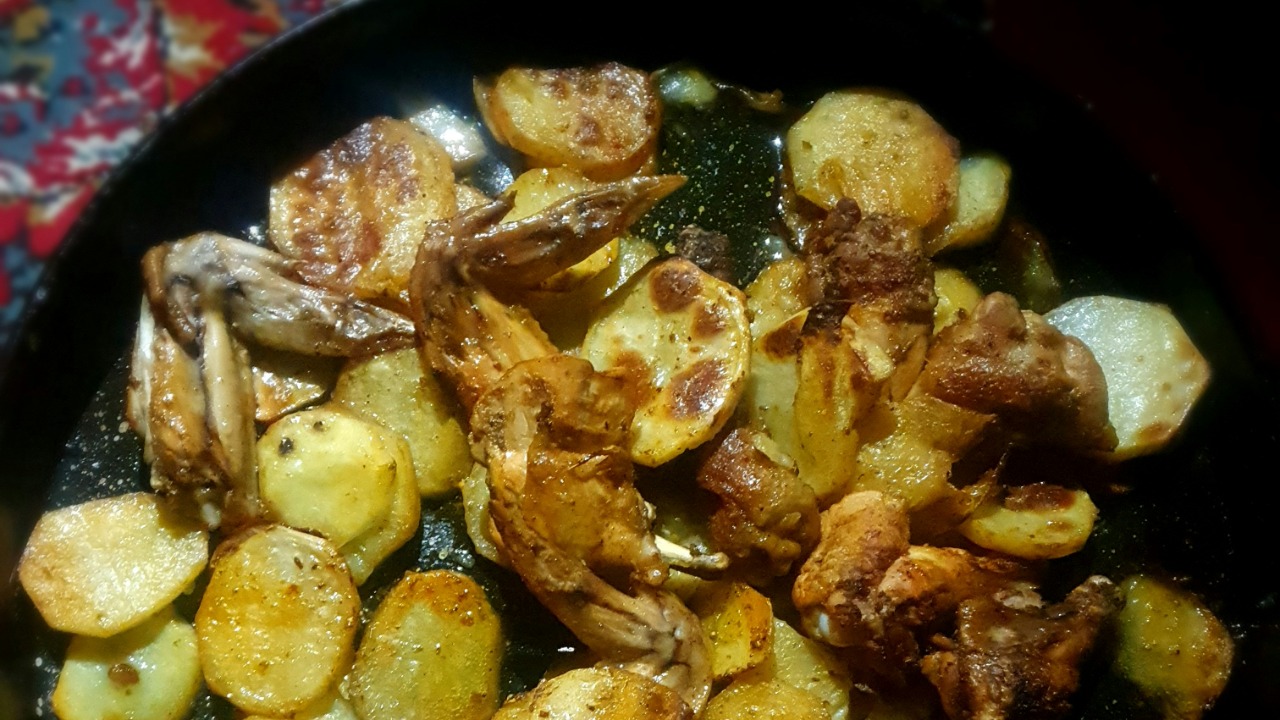
The Sunday roast holds a special place in the hearts of many, especially in countries like the UK and Ireland where it’s a beloved culinary custom. This tradition is not just about the meal itself but also about the opportunity it presents to bring family and friends together. However, with this communal feast often comes an abundance of leftovers, presenting both a challenge and an opportunity. Turning these leftovers into delicious Monday pies allows us to extend the enjoyment of the Sunday meal while exploring new culinary possibilities.
Transforming roast leftovers into pies is beneficial in numerous ways. For starters, it reduces food waste, which is a significant concern globally. By creatively repurposing leftovers, we contribute to a more sustainable way of living. Additionally, making pies from leftovers saves time during the busy workweek, as you’re essentially preparing a new meal from components that are already cooked. The culinary creativity involved in the process also allows for enhanced flavor profiles, as the combination of different ingredients can lead to unexpectedly delightful results.
Essential Ingredients for Monday Pies

When it comes to crafting the perfect Monday pie, the possibilities are virtually endless. Common roast leftovers such as beef, chicken, lamb, or even turkey serve as excellent pie fillings. Vegetables like carrots, potatoes, and peas, often accompanying a roast, add both nutrition and texture. These ingredients, when combined, create a hearty base for any pie.
Beyond the leftovers themselves, a few additional ingredients are essential to transform these remnants into a satisfying pie. A good pastry, whether it’s a store-bought puff pastry or a homemade shortcrust, forms the backbone of the pie. Gravy, either leftover from the roast or freshly made, binds the ingredients together and adds moisture and richness. Balancing flavors and textures is key; consider adding herbs like thyme or rosemary to enhance the taste or incorporating a splash of wine or stock for depth.
Step-by-Step Guide to Crafting the Perfect Pie
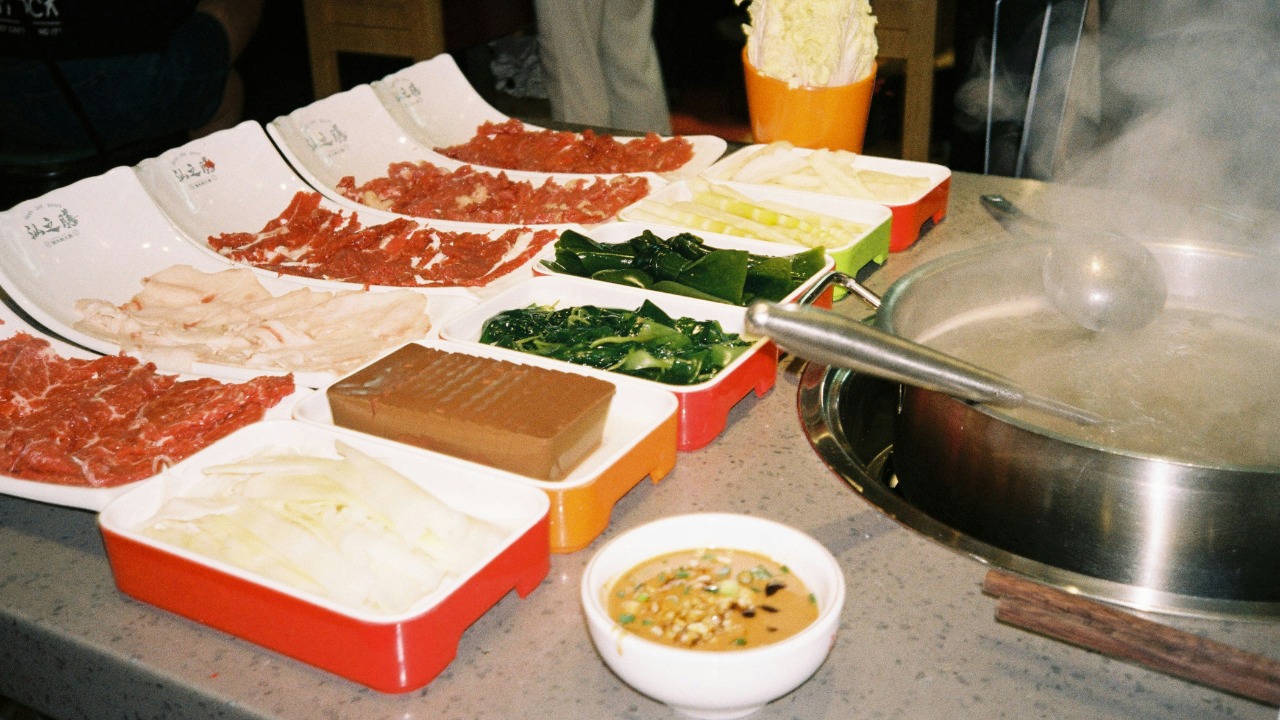
To begin, prepare your leftovers by chopping them into bite-sized pieces. This step ensures even distribution of ingredients within the pie and makes it easier to eat. Season the mixture with salt, pepper, and any additional herbs or spices you prefer. If you’re not using the leftovers immediately, store them in an airtight container in the refrigerator.
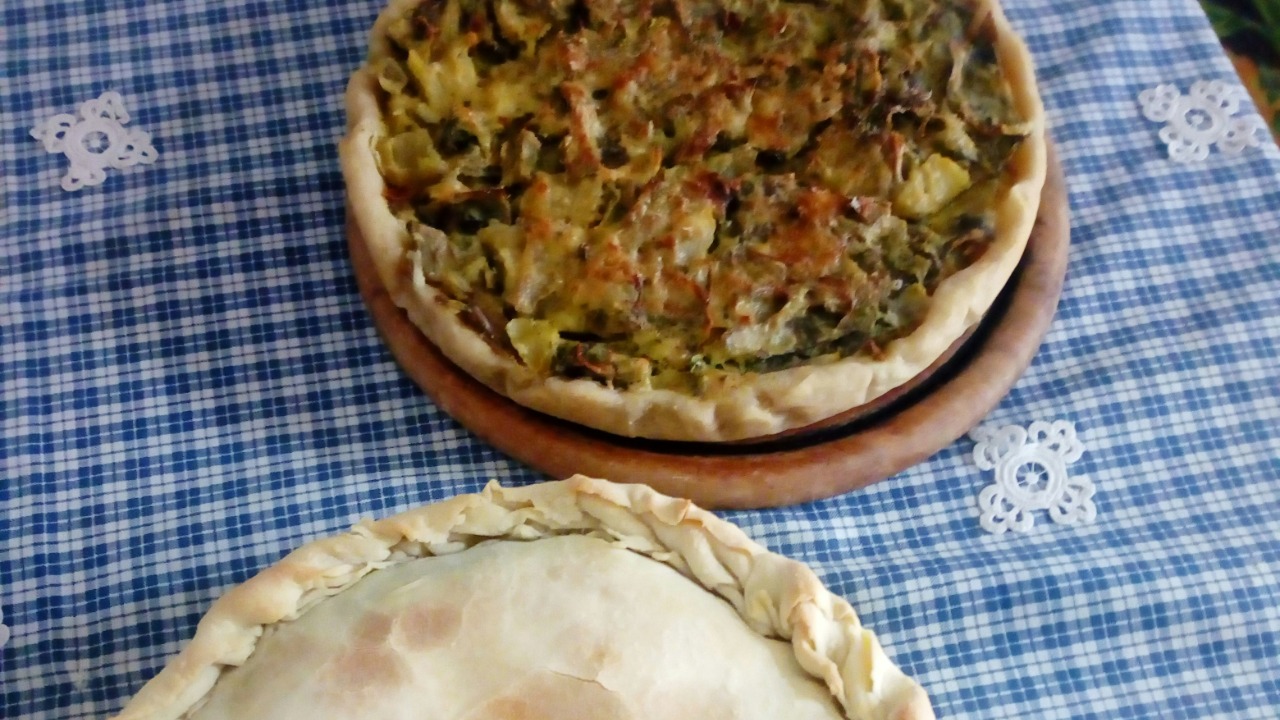
Assembling the pie involves layering the ingredients to achieve a harmonious blend of flavors. Start by lining your pie dish with pastry, then add a layer of gravy to prevent dryness. Follow with a generous layer of your chopped leftovers, ensuring an even spread. Finally, cover the pie with another layer of pastry, crimping the edges to seal in the goodness. For a golden, flaky crust, brush the top with a beaten egg before baking.
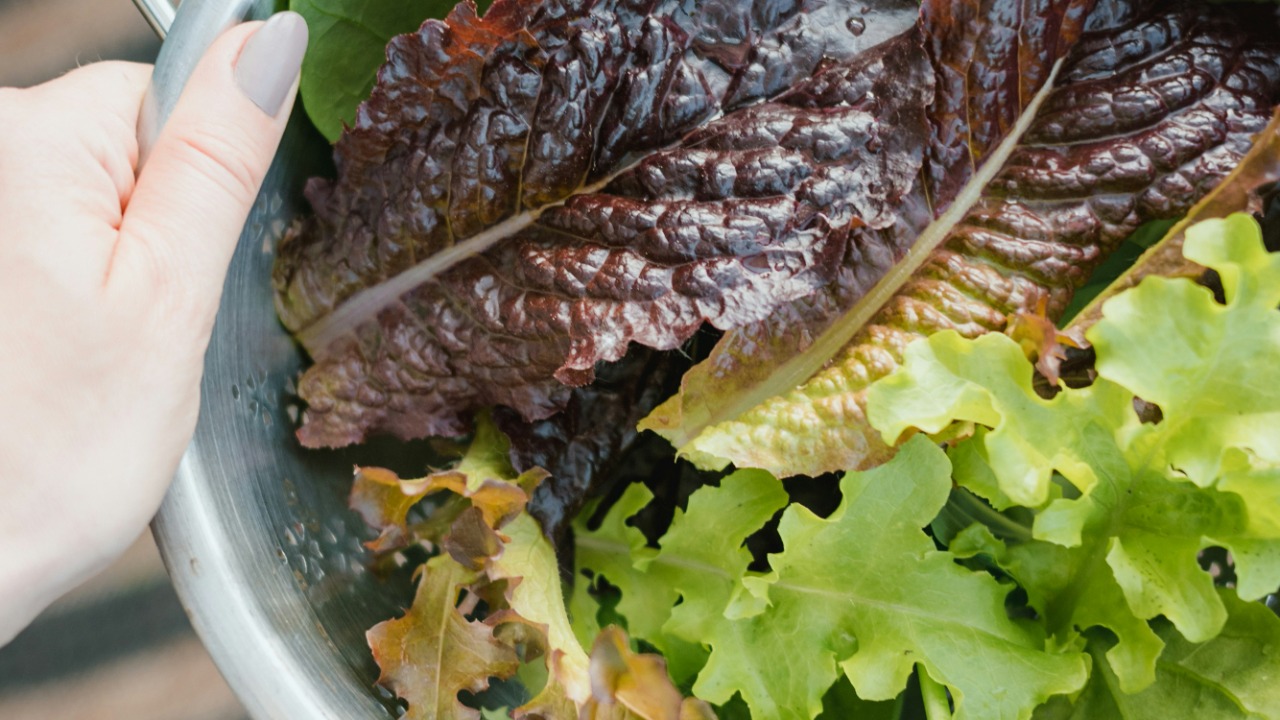
When it comes to baking, preheat your oven to around 180°C (350°F) and bake the pie for 30 to 40 minutes until the crust is golden brown and the filling is hot. Serving suggestions include pairing the pie with a fresh green salad or some steamed vegetables to add a touch of brightness and contrast to the rich, savory pie.
Culinary Tips from the Experts
Experts agree that transforming leftovers into gourmet meals is both an art and a science. According to chefs and food enthusiasts, successful pies often come down to the balance of flavors and textures. For instance, Andrew Zimmern, a well-known chef, suggests incorporating unexpected ingredients like nuts or dried fruits to add a unique twist to traditional pies. Read more about Zimmern’s tips for transforming leftovers.
Popular flavor combinations include pairing roast beef with mushrooms and red wine, or chicken with leeks and cream. These combinations not only enhance the taste but also introduce a variety of textures that make each bite interesting. For those with dietary preferences, consider vegetarian options by using roasted root vegetables and a rich vegetable stock gravy. The key is to adjust recipes to suit individual tastes, ensuring that everyone at the table can enjoy the meal.
Sustainability and Cost-Effectiveness
Reducing food waste through creative cooking has a positive environmental impact. By repurposing leftovers into new meals, we minimize the amount of food that ends up in landfills, reducing greenhouse gas emissions and conserving resources. This approach aligns with the growing movement towards sustainability and responsible consumption, encouraging individuals to think more critically about their food choices.
In addition to environmental benefits, turning leftovers into pies is also cost-effective. It allows you to stretch your grocery budget further, making the most out of every ingredient purchased. With the rising cost of food, finding ways to repurpose leftovers can lead to significant savings, making it an attractive option for budget-conscious households. By planning meals with leftover usage in mind, we can adopt a more mindful approach to cooking and eating.
Inspiration for Your Next Sunday Roast

For those looking to plan their next Sunday roast with an eye toward Monday’s meal, consider traditional recipes that yield excellent leftovers for pies. A classic roast beef with Yorkshire pudding, for example, can easily be transformed into a hearty beef pie the following day. Alternatively, a roast chicken with herbs and lemon can be repurposed into a delightful chicken pot pie.
Modern recipes also offer great potential for leftovers. For instance, a Middle Eastern-inspired lamb roast with spices and yogurt can be reimagined as a lamb and apricot pie. By planning your Sunday roast with the next day’s meal in mind, you can ensure that nothing goes to waste. Don’t be afraid to experiment and personalize recipes to suit your tastes, as the joy of cooking often lies in the creativity and improvisation it involves.

As a mom of three busy boys, I know how chaotic life can get — but I’ve learned that it’s possible to create a beautiful, cozy home even with kids running around. That’s why I started Cultivated Comfort — to share practical tips, simple systems, and a little encouragement for parents like me who want to make their home feel warm, inviting, and effortlessly stylish. Whether it’s managing toy chaos, streamlining everyday routines, or finding little moments of calm, I’m here to help you simplify your space and create a sense of comfort.
But home is just part of the story. I’m also passionate about seeing the world and creating beautiful meals to share with the people I love. Through Cultivated Comfort, I share my journey of balancing motherhood with building a home that feels rich and peaceful — and finding joy in exploring new places and flavors along the way.


