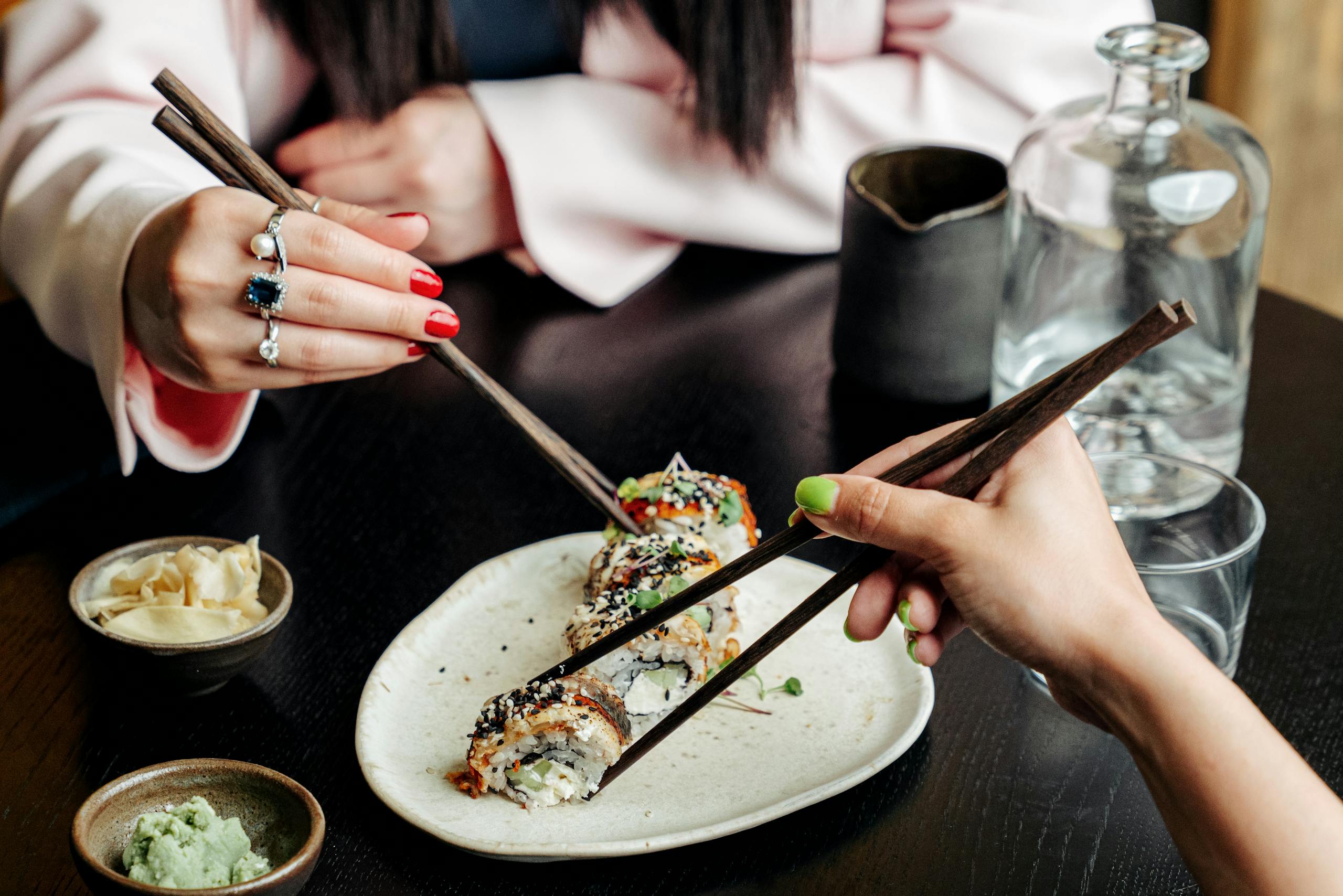
At a small, bustling sushi restaurant, the staff often dealt with a variety of customers—some polite, some rude, and others just plain confusing. One particular customer, who had previously made quite the impression, was about to create a scene that would leave everyone baffled.

About a week before the incident, the same customer had come in, ordering a variety of dishes and drinks, including a few beers. He had requested to be surprised with the food selection and, despite the restaurant not serving uni—a luxury item he had asked for—he seemed pleasantly surprised by the offerings. The server, a diligent worker who typically handled things solo in the small restaurant, found him to be engaging but time-consuming. His bill that day came to $55, and when it was time to pay, he left just a $1 tip, explaining that he didn’t know how low his bank account was. The server shrugged it off, understanding that not everyone was flush with cash, and continued with her work.
Fast forward to Mother’s Day—a notoriously busy time for the restaurant, with a line out the door and orders piling up. The server was working alongside her coworker, and both were feeling the pressure. Just then, the same customer walked in again. The server recognized him immediately but didn’t card him, assuming he was of legal drinking age from their previous encounters. He ordered two glasses of wine and a smorgasbord of appetizers and rolls, racking up a bill of $65. As was his custom, he peppered the server with questions about the menu.
However, when it came time to pay, the situation took a sharp turn. The customer attempted to settle his bill using Apple Pay, but all of his cards were declined. The cheerful demeanor he had previously displayed faded, replaced with a sense of unease. He explained that he didn’t actually have any cash on him and wouldn’t be paid until later in the week. This was alarming enough to raise red flags for both servers who were already juggling the demands of a busy restaurant.
In an effort to accommodate him, the coworker kindly suggested that he could come back to pay later, but they needed something to hold onto as assurance. The customer, however, had no wallet, no ID, and nothing to offer. He insisted that he was being honest, but the servers were understandably skeptical. With a line of disgruntled customers waiting to pay for their take-out orders, tensions rose. My coworker, trying to maintain order in the situation, told him that he had to leave something behind or they would be forced to call the police. After a moment of hesitation, he left his shoulder bag behind.
As he exited, it was clear he felt embarrassed and ashamed—a feeling that hung heavily in the air. The servers exchanged glances, a mix of relief and pity washing over them. They had enforced a policy meant to protect the restaurant, yet they were not heartless. A few moments later, the customer returned to retrieve his bag. He did end up paying but the atmosphere was tense. My coworker, still feeling frustrated, told him not to come back—they were done serving him.
The entire situation left the servers puzzled. Why would someone come in, order so much food and drink, and then have no way to pay? It was a first for them; usually, people would leave a phone number or some other form of assurance when unable to pay. They were left wondering how they might handle a similar situation in the future. Should they have been stricter, or more lenient? Could they have found a better way to navigate the delicate balance of customer service and restaurant policy without creating a scene? All questions with no easy answers.
The restaurant may have handled it the best they could, but it was a situation that would linger in their minds long after the dinner rush subsided. No one wants to end up in a public confrontation, especially during a busy holiday, and this particular instance was a reminder of the varied complexities that come with working in the service industry, where each day brings a new challenge.
More from Cultivated Comfort:
- 7 Vintage Home Items From the ’60s That Are Collectors’ Dream Finds
- 7 Vintage Home Goods That Became Collectors’ Gold
- 7 Fast-Food Chains That Changed for the Worse
- 7 Frozen Dinners That Were Better Back in the Day

As a mom of three busy boys, I know how chaotic life can get — but I’ve learned that it’s possible to create a beautiful, cozy home even with kids running around. That’s why I started Cultivated Comfort — to share practical tips, simple systems, and a little encouragement for parents like me who want to make their home feel warm, inviting, and effortlessly stylish. Whether it’s managing toy chaos, streamlining everyday routines, or finding little moments of calm, I’m here to help you simplify your space and create a sense of comfort.
But home is just part of the story. I’m also passionate about seeing the world and creating beautiful meals to share with the people I love. Through Cultivated Comfort, I share my journey of balancing motherhood with building a home that feels rich and peaceful — and finding joy in exploring new places and flavors along the way.