Smoking meat is a time-honored tradition that infuses flavors into your favorite cuts of meat, transforming them into delectable dishes. The type of wood you choose plays a crucial role in the flavor profile, aroma, and overall experience of smoked meats. Here, we will explore the best wood pairings for various types of meat to help you elevate your smoking game.
Understanding the Basics of Smoking Woods
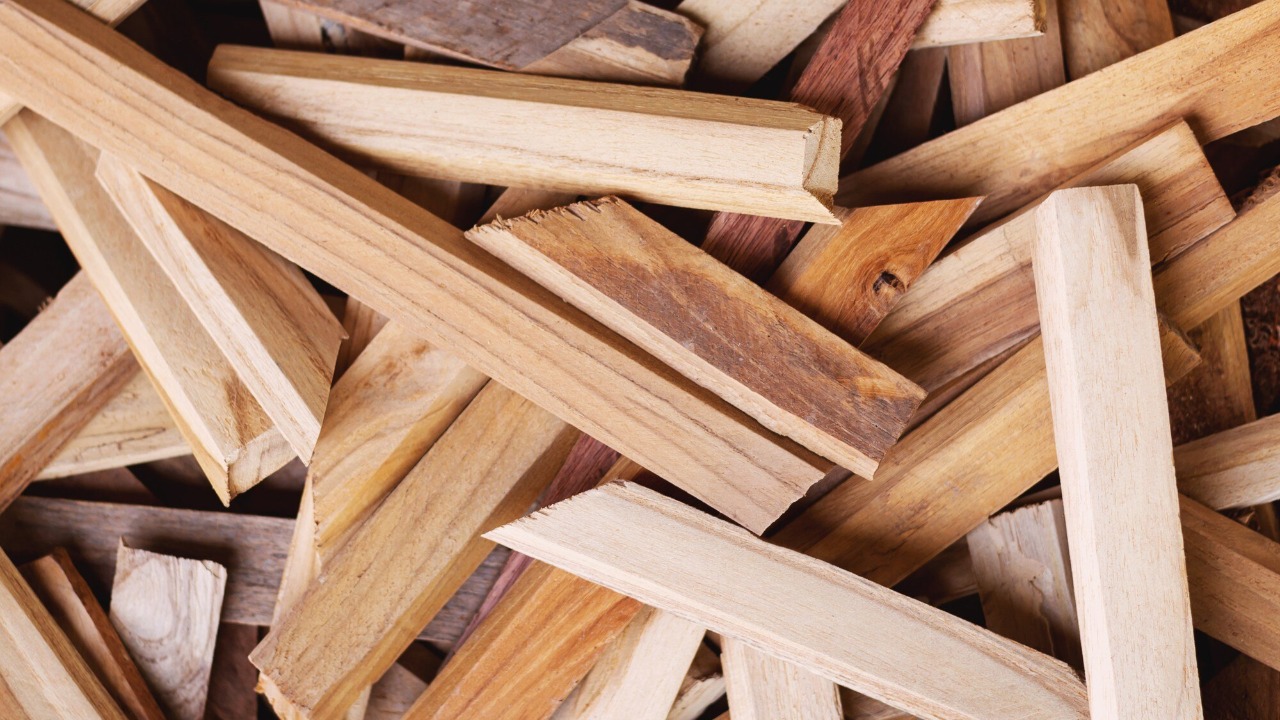
Overview of Smoking Woods: Hardwoods vs. Softwoods
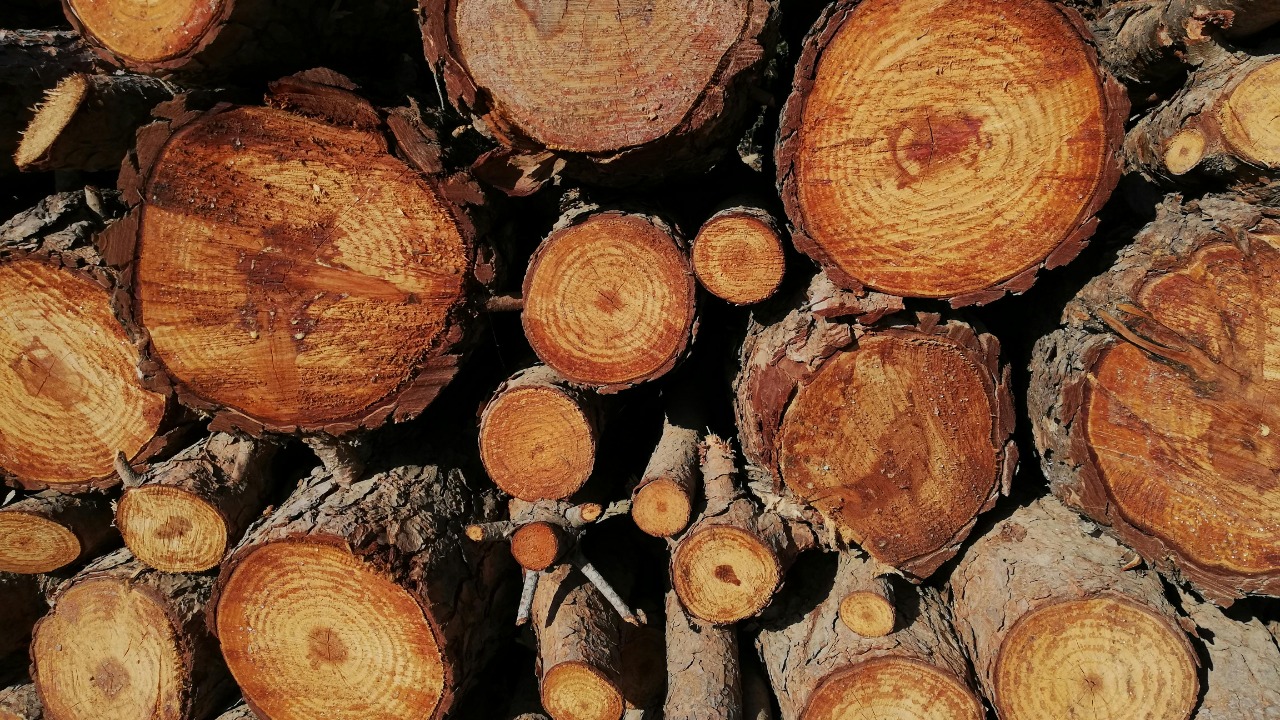
When it comes to smoking meat, the distinction between hardwoods and softwoods is crucial. Hardwoods, such as oak, hickory, and mesquite, are dense and have a low resin content, making them ideal for smoking. They produce a clean, steady burn that imparts rich flavors to the meat. On the other hand, softwoods, like pine and spruce, are generally avoided because they contain high levels of resin, which can produce a bitter taste and release harmful chemicals when burned.
The preference for hardwoods in smoking is rooted in their ability to create a consistent heat source and a flavorful smoke. Unlike softwoods, which can leave an unpleasant aftertaste, hardwoods offer a variety of flavor profiles that enhance the meat’s natural taste. From the subtle sweetness of applewood to the robust smokiness of mesquite, hardwoods provide an array of options to suit any palate.
The Flavor Spectrum: Mild, Medium, and Strong Woods
The flavor intensity of smoking woods can be categorized into mild, medium, and strong profiles. Mild woods, such as apple and cherry, offer a subtle sweetness that pairs well with delicate meats like poultry and fish. Medium woods, like oak and pecan, provide a balanced flavor suitable for beef and pork. Strong woods, such as hickory and mesquite, deliver a bold, hearty flavor perfect for robust meats like brisket and game.
Matching wood intensity with different types of meat is essential for achieving optimal flavor. For instance, using a strong wood like mesquite on chicken may overpower its natural taste, while a mild wood like apple would enhance it. Conversely, the bold flavor of hickory can elevate the richness of beef, creating a harmonious balance. By understanding the flavor spectrum of smoking woods, you can tailor your smoking techniques to suit each type of meat, ensuring a delicious result every time.
Perfect Wood Pairings for Poultry
Best Woods for Chicken

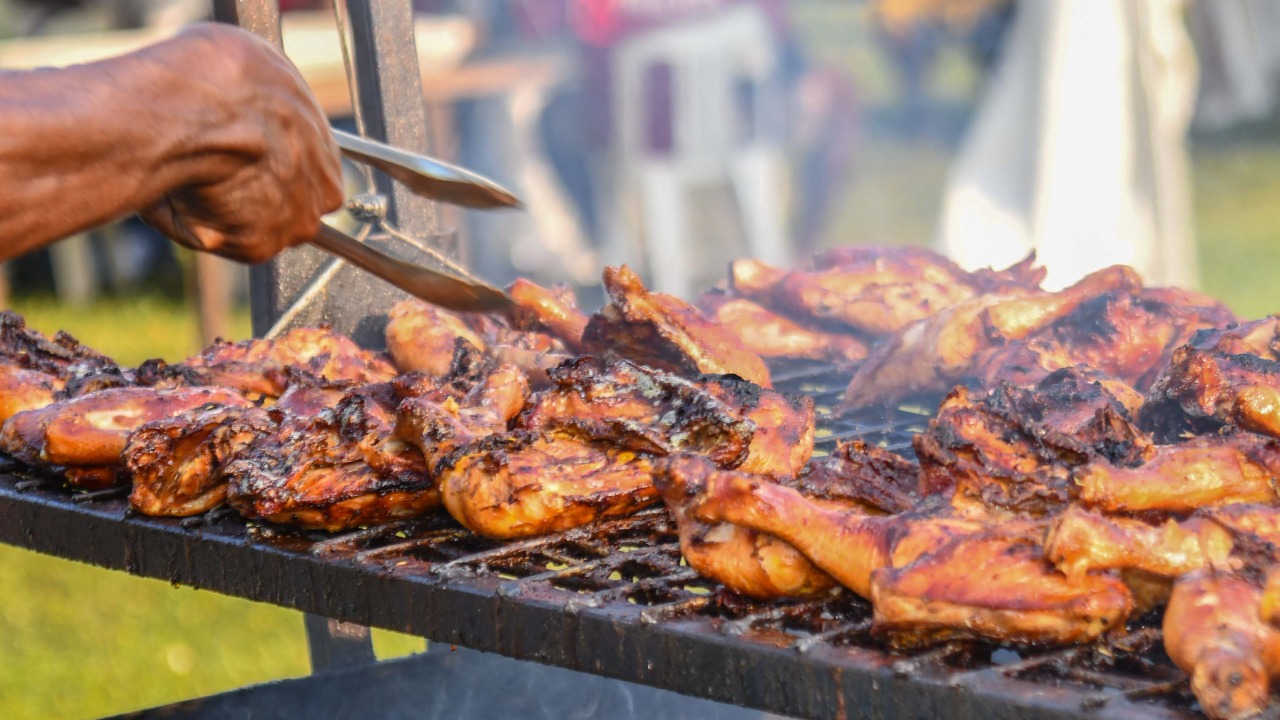
Chicken, with its mild flavor, is an excellent canvas for experimentation with different smoking woods. Applewood and cherrywood are popular choices for smoking chicken, providing a sweet and mild flavor that complements the meat’s natural taste. These fruitwoods create a light, aromatic smoke that enhances the chicken’s juiciness and tenderness.
For a more robust flavor, pecan wood is an excellent option. It lends a nutty, rich taste that adds depth to the chicken without overwhelming it. Pecan’s medium intensity makes it versatile for various chicken dishes, from whole roasted birds to smoked wings. Experimenting with these woods allows you to create unique flavor profiles that elevate your poultry dishes.
Enhancing Flavor in Turkey
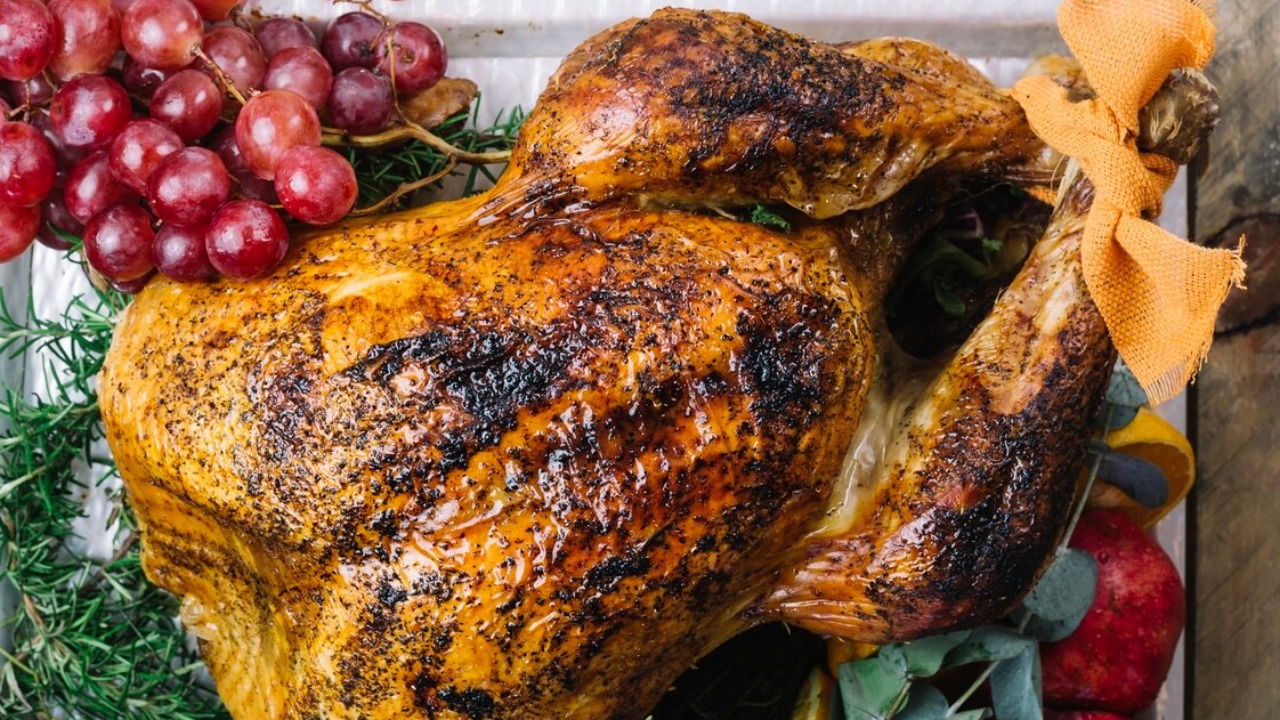
Turkey, often reserved for festive occasions, can benefit greatly from the right wood pairing. Hickory is a classic choice for smoking turkey, imparting a smoky, bacon-like taste that complements the bird’s natural flavors. Its strong flavor profile works well with turkey’s rich, dark meat, creating a harmonious balance.
For those seeking a subtler smoke, maple wood offers a gentle sweetness that enhances turkey’s natural flavors. Maple’s mild smoke adds a touch of sweetness without overpowering the meat, making it an ideal choice for those who prefer a more nuanced flavor profile. Whether you’re smoking a whole turkey or just the breast, these wood pairings will help you achieve a mouthwatering result.
Ideal Woods for Beef Smoking
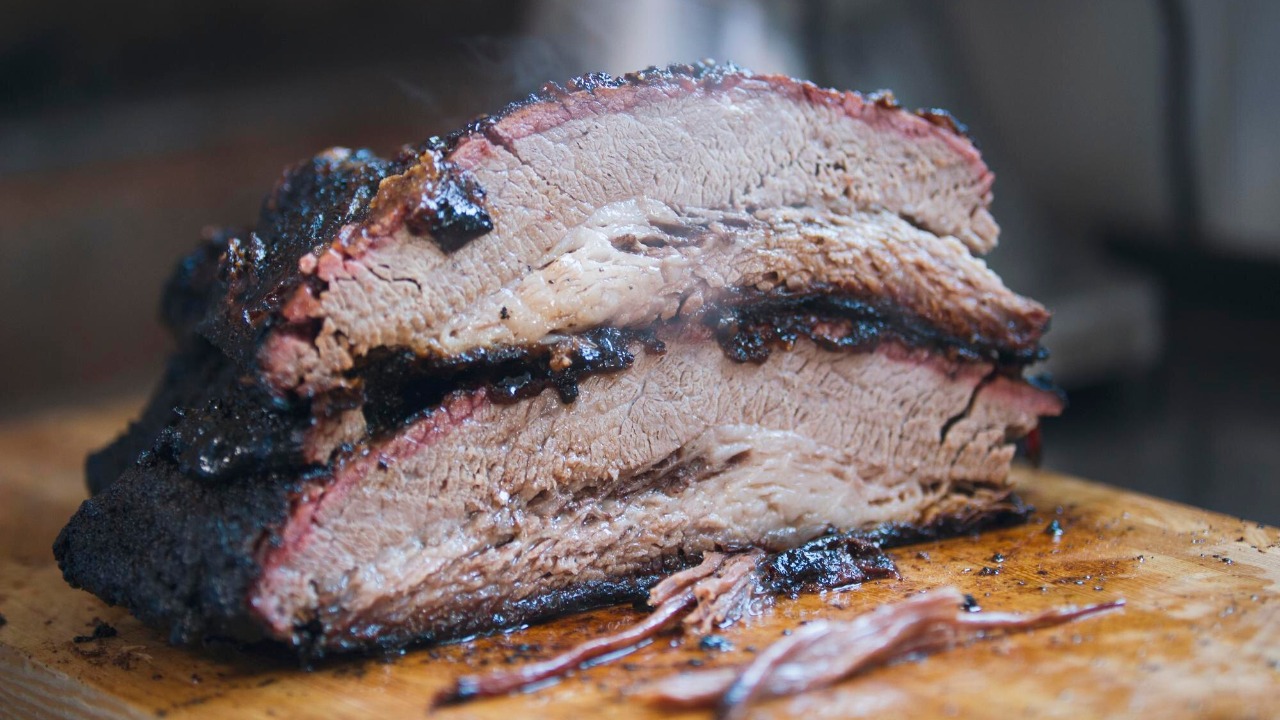
Smoking Brisket with Confidence

Brisket, a staple in the world of barbecue, requires a wood that can stand up to its rich, beefy flavor. Mesquite is renowned for its intense, earthy flavor, making it a favorite for smoking brisket. Its robust smoke deeply penetrates the meat, creating a distinct taste that is beloved by barbecue enthusiasts. However, mesquite’s strong flavor can be overpowering if used excessively, so it’s best used in moderation or blended with milder woods.
For those seeking a more traditional smoke profile, oak is an excellent choice. Its medium intensity provides a balanced flavor that complements brisket without overshadowing it. Oak’s steady burn and versatile flavor make it a staple in many barbecue circles, offering a classic taste that pairs well with a variety of beef cuts.
Elevating Steaks and Ribs
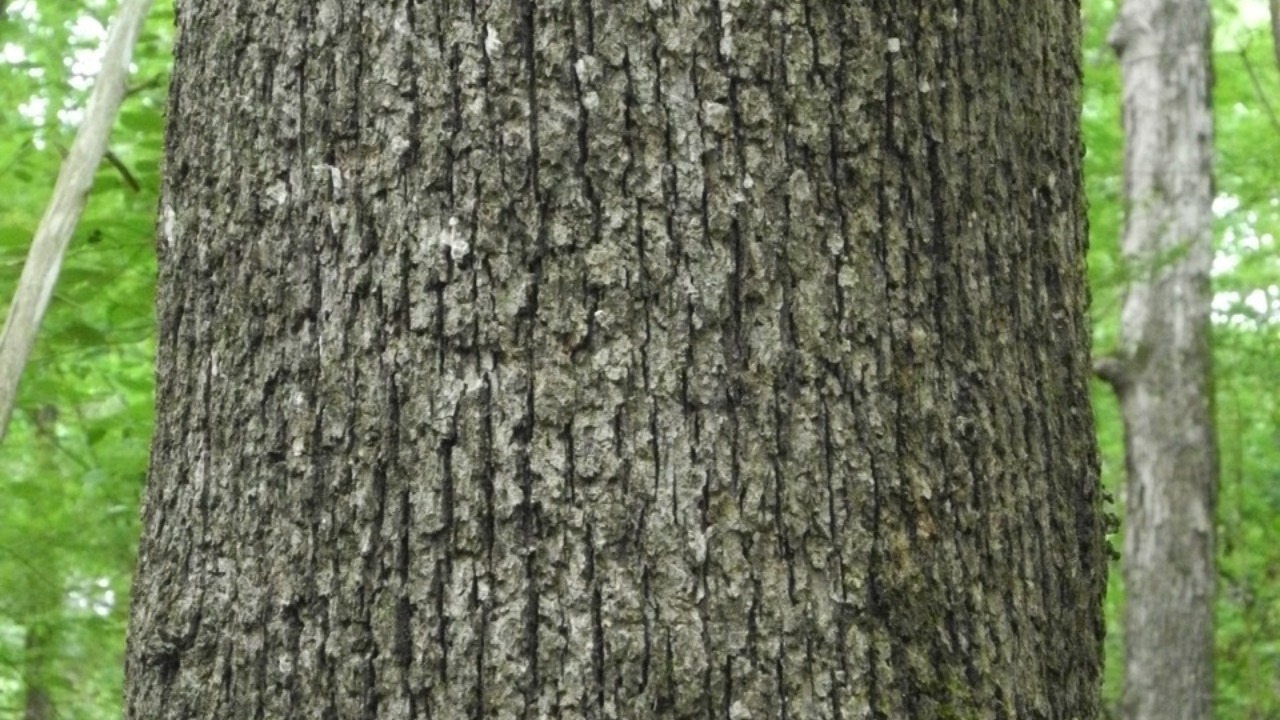
When it comes to smoking steaks and ribs, hickory is a go-to choice for its strong, hearty flavor. Its bold, savory smoke enhances the richness of beef, creating a mouthwatering combination that is sure to impress. Hickory’s robust profile is particularly well-suited for ribs, as it complements the marbling and depth of flavor inherent in these cuts.
For a well-rounded, classic barbecue taste, post oak is an excellent option. Its subtle smokiness adds depth without overpowering the meat, allowing the natural flavors of the steaks and ribs to shine through. Whether you’re grilling a ribeye or smoking a rack of ribs, these wood pairings will help you achieve a delicious result.
Pork and Its Perfect Partners
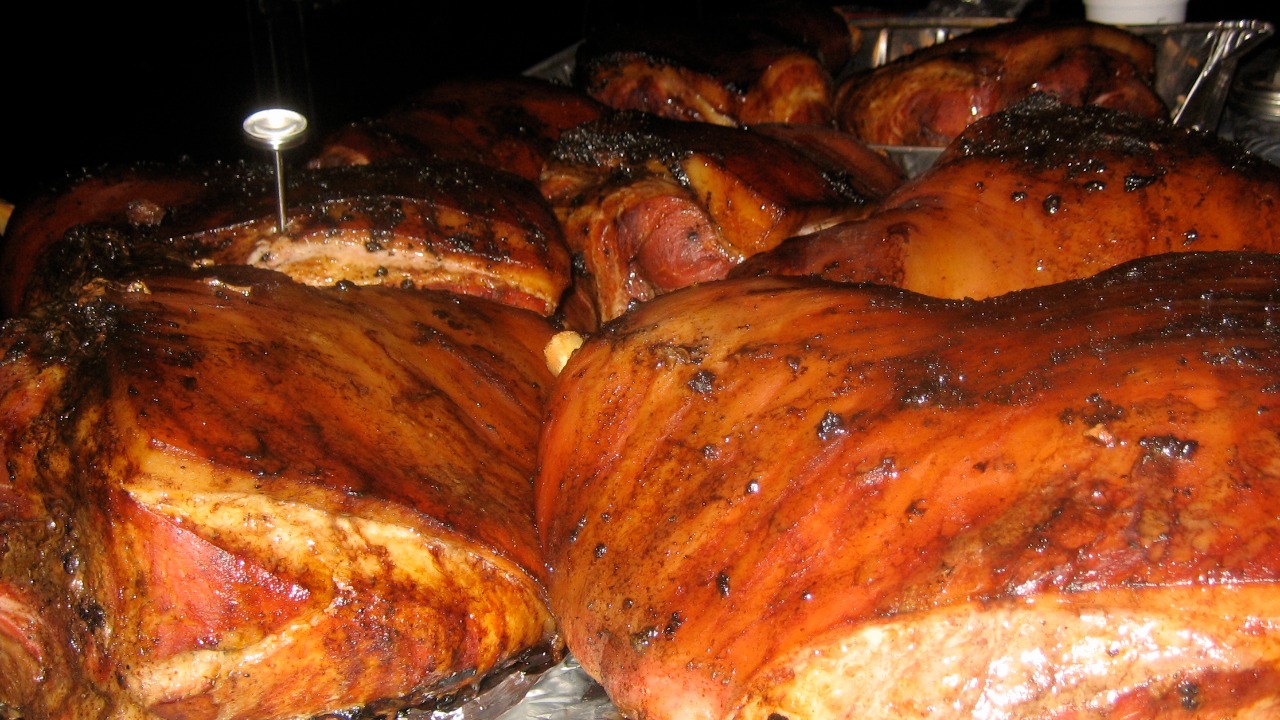
Sweet and Savory Woods for Pork Shoulder and Butt

Pork shoulder and butt are ideal for smoking due to their rich marbling and ability to absorb flavors. A combination of applewood and cherrywood offers a balanced sweetness that complements the natural richness of pork. These fruitwoods create a light, aromatic smoke that enhances the meat’s tenderness and juiciness.
For a more complex flavor profile, pecan wood is a great choice. Its nutty, rich taste adds depth to the pork, creating a savory sweetness that is irresistible. Pecan’s medium intensity makes it versatile for various pork dishes, from pulled pork to smoked sausages. By experimenting with these wood pairings, you can elevate your pork dishes to new heights.
Achieving Tender and Tasty Pork Ribs
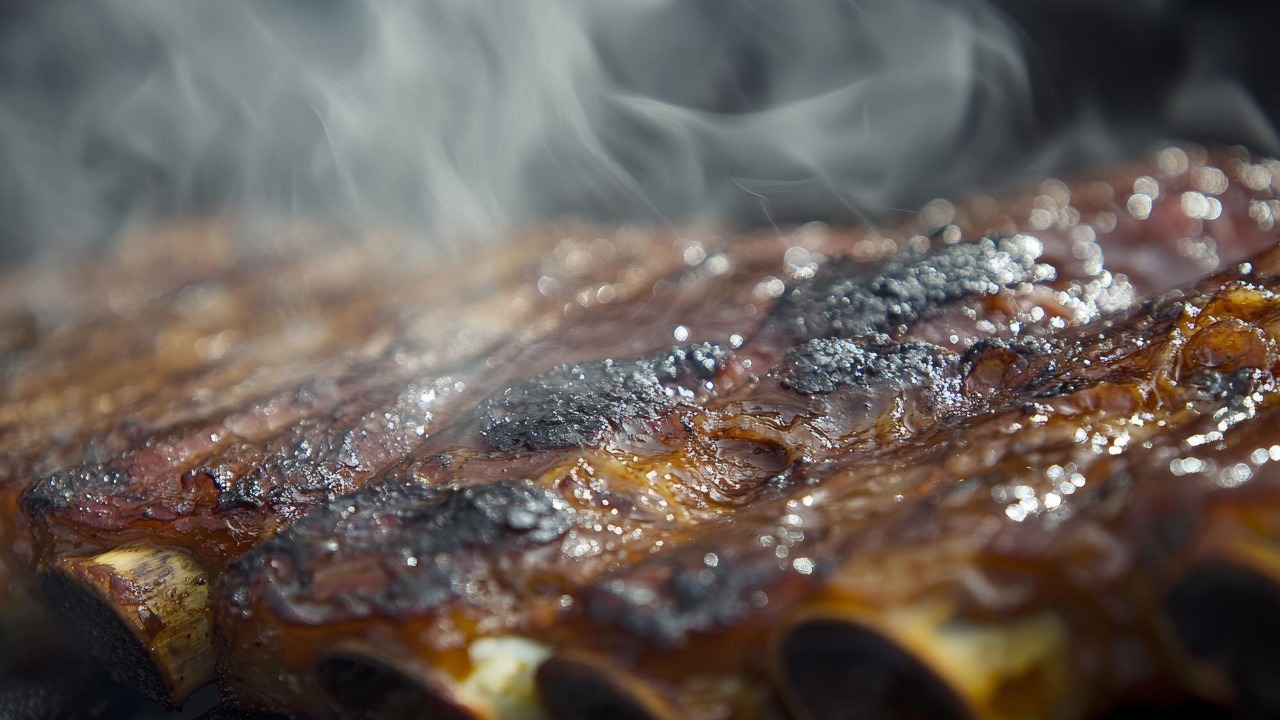
When it comes to smoking pork ribs, the choice of wood can significantly impact the final result. Hickory is a popular choice for its smoky, savory flavor that complements the richness of pork ribs. Its bold smoke adds depth and complexity, creating a mouthwatering combination that is sure to satisfy.
For a sweeter, more fragrant finish, peach wood is an excellent option. Its mild, fruity smoke enhances the natural flavors of the ribs, adding a touch of sweetness that balances the savory notes. Whether you’re smoking baby back ribs or spare ribs, these wood pairings will help you achieve tender, flavorful results.
Seafood and Subtle Smoke
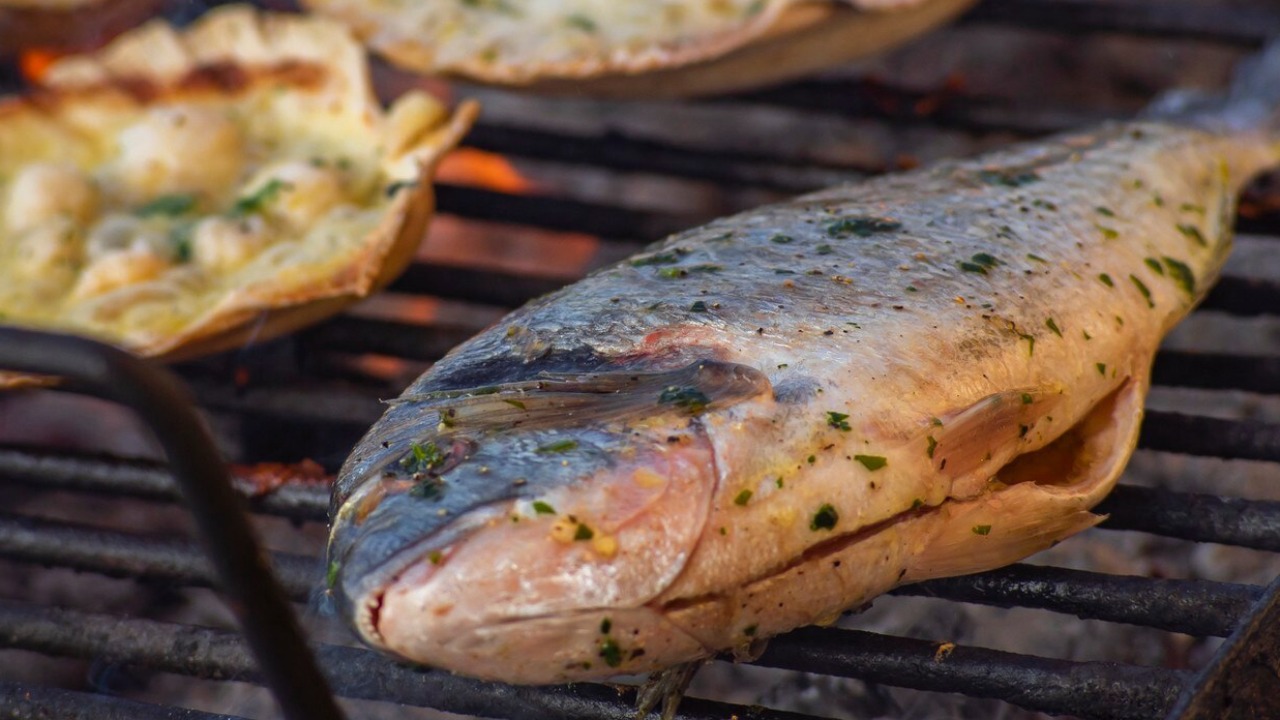
Gentle Woods for Delicate Fish

Fish, with its delicate texture and flavor, requires a gentle smoke that doesn’t overwhelm its natural taste. Alder wood is a popular choice for smoking fish, providing a light and delicate smoke that enhances the fish’s natural flavors. Its subtle smokiness is ideal for a variety of fish, from salmon to trout, creating a harmonious balance that allows the fish’s unique taste to shine.
For an aromatic infusion, cedar planks are an excellent option. The aromatic smoke from cedar enhances the fish’s natural flavors, adding a subtle complexity that is both unique and delicious. Whether you’re grilling or smoking, these wood pairings will help you achieve a flavorful, delicate result.
Enhancing Shellfish with Subtlety
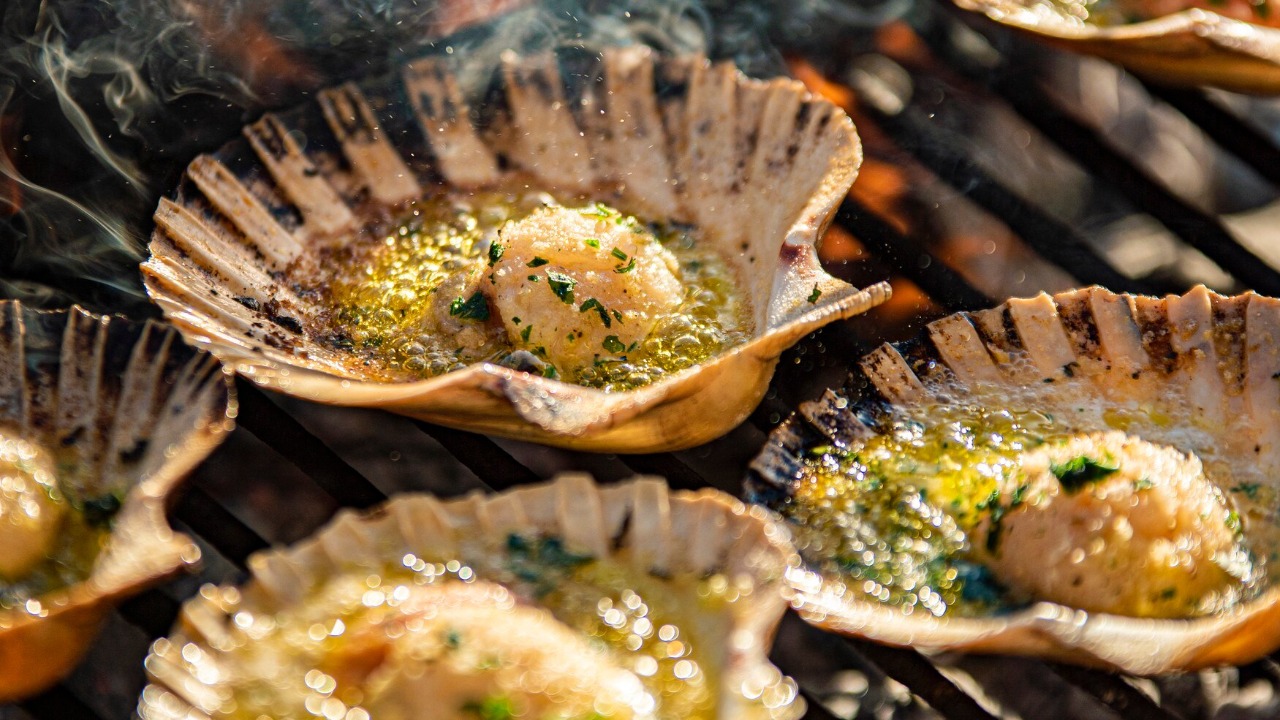
Shellfish, with its sweet, briny flavor, benefits from a mild, sweet smoke that complements its natural taste. Fruitwoods like apple and cherry are ideal for smoking shellfish, providing a gentle, sweet smoke that enhances the meat’s natural sweetness. These woods create a light, aromatic smoke that enhances the shellfish’s tenderness and juiciness.
For a more nuanced flavor, maple wood is an excellent choice. Its gentle, sweet smoke complements the shellfish’s natural flavors, adding a touch of sweetness that balances the briny notes. Whether you’re smoking shrimp, scallops, or lobster, these wood pairings will help you achieve a delicious, subtle result.
Game Meats and Unique Flavors
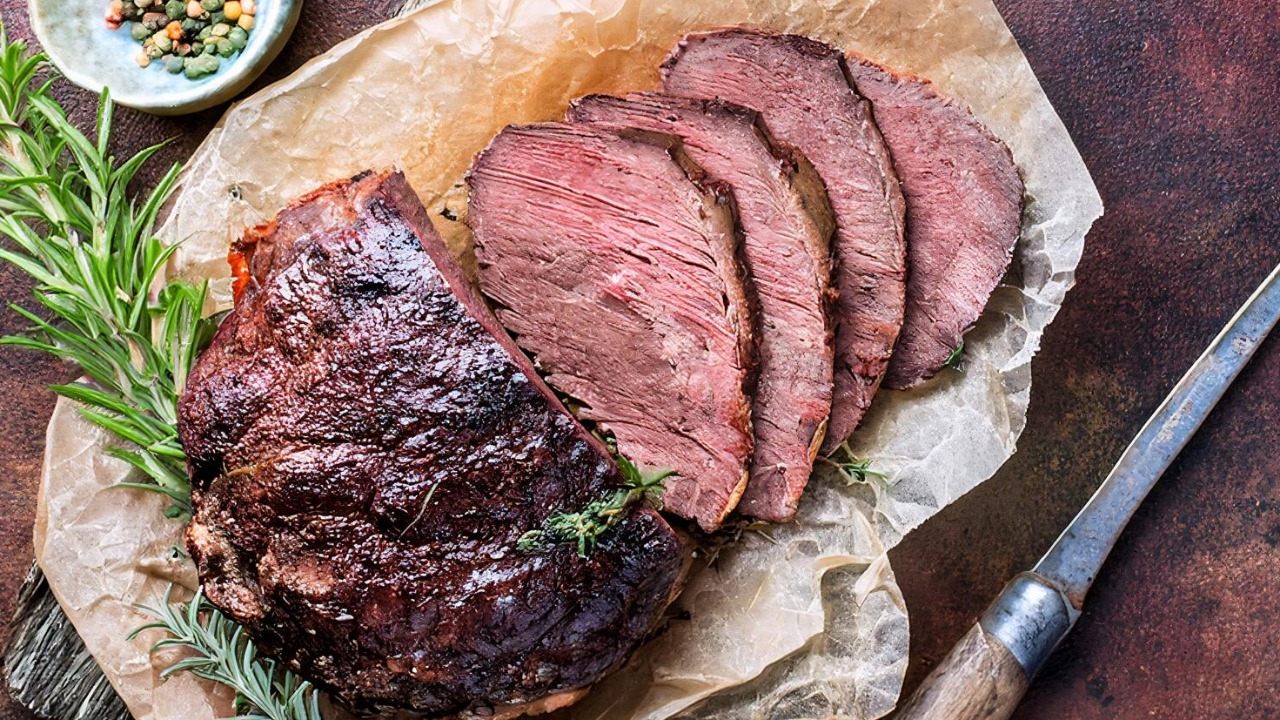
Smoking Venison and Wild Game
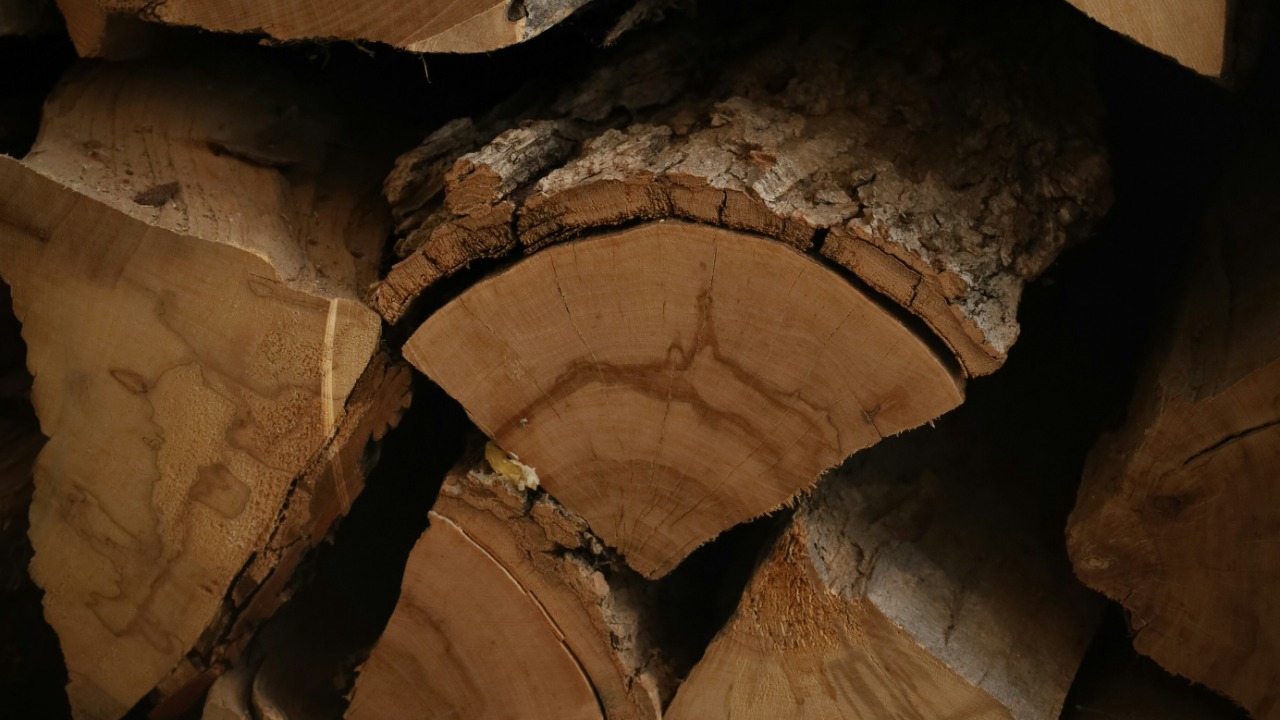
Venison and other wild game meats offer a unique flavor that can be enhanced with the right wood pairing. Mesquite is a bold choice for smoking venison, providing a distinctive, earthy flavor that complements the meat’s natural richness. Its strong smoke deeply penetrates the meat, creating a robust taste that is beloved by game enthusiasts.
For those seeking a more balanced flavor, hickory is an excellent option. Its hearty, smoky profile enhances the richness of game meats, creating a harmonious balance that is both satisfying and delicious. Whether you’re smoking venison, boar, or elk, these wood pairings will help you achieve a flavorful, unique result.
Pairing Wood with Duck and Other Game Birds
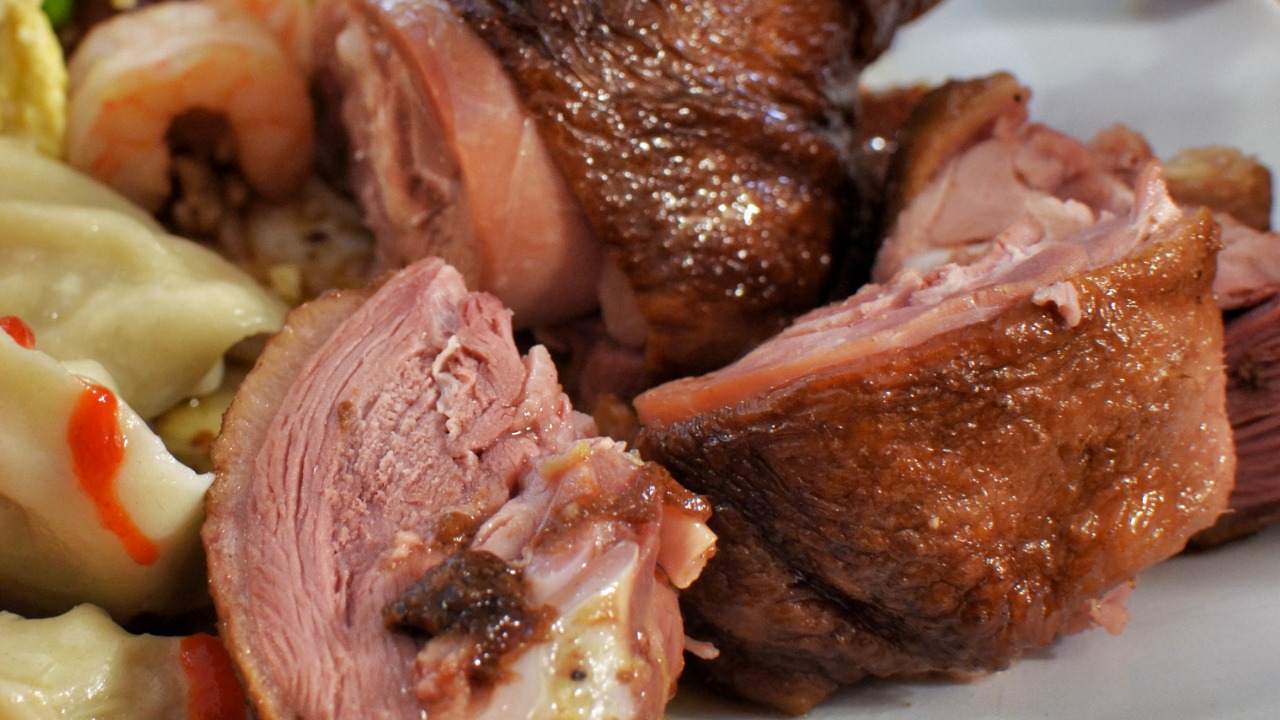
Duck and other game birds offer a rich, flavorful experience that can be elevated with the right wood pairing. Cherry wood is a popular choice for smoking duck, providing a sweet and mild smoke that complements the meat’s natural richness. Its subtle sweetness enhances the duck’s flavor, creating a delicious, balanced result.
For those seeking a more unique flavor, experimenting with walnut is an excellent option. Its earthy, robust smoke adds depth and complexity to the meat, creating a distinctive taste that is both unique and delicious. Whether you’re smoking duck, quail, or pheasant, these wood pairings will help you achieve a flavorful, memorable result.

As a mom of three busy boys, I know how chaotic life can get — but I’ve learned that it’s possible to create a beautiful, cozy home even with kids running around. That’s why I started Cultivated Comfort — to share practical tips, simple systems, and a little encouragement for parents like me who want to make their home feel warm, inviting, and effortlessly stylish. Whether it’s managing toy chaos, streamlining everyday routines, or finding little moments of calm, I’m here to help you simplify your space and create a sense of comfort.
But home is just part of the story. I’m also passionate about seeing the world and creating beautiful meals to share with the people I love. Through Cultivated Comfort, I share my journey of balancing motherhood with building a home that feels rich and peaceful — and finding joy in exploring new places and flavors along the way.