

Patio furniture can take a serious beating during harsh winters, with snow, rain, and freezing temperatures all threatening to shorten its lifespan. Many wonder how to keep their outdoor pieces looking good year after year without the hassle of moving everything indoors. The key to protecting patio furniture through the winter isn’t just storage—it’s using the right cover combined with smart cleaning and placement.
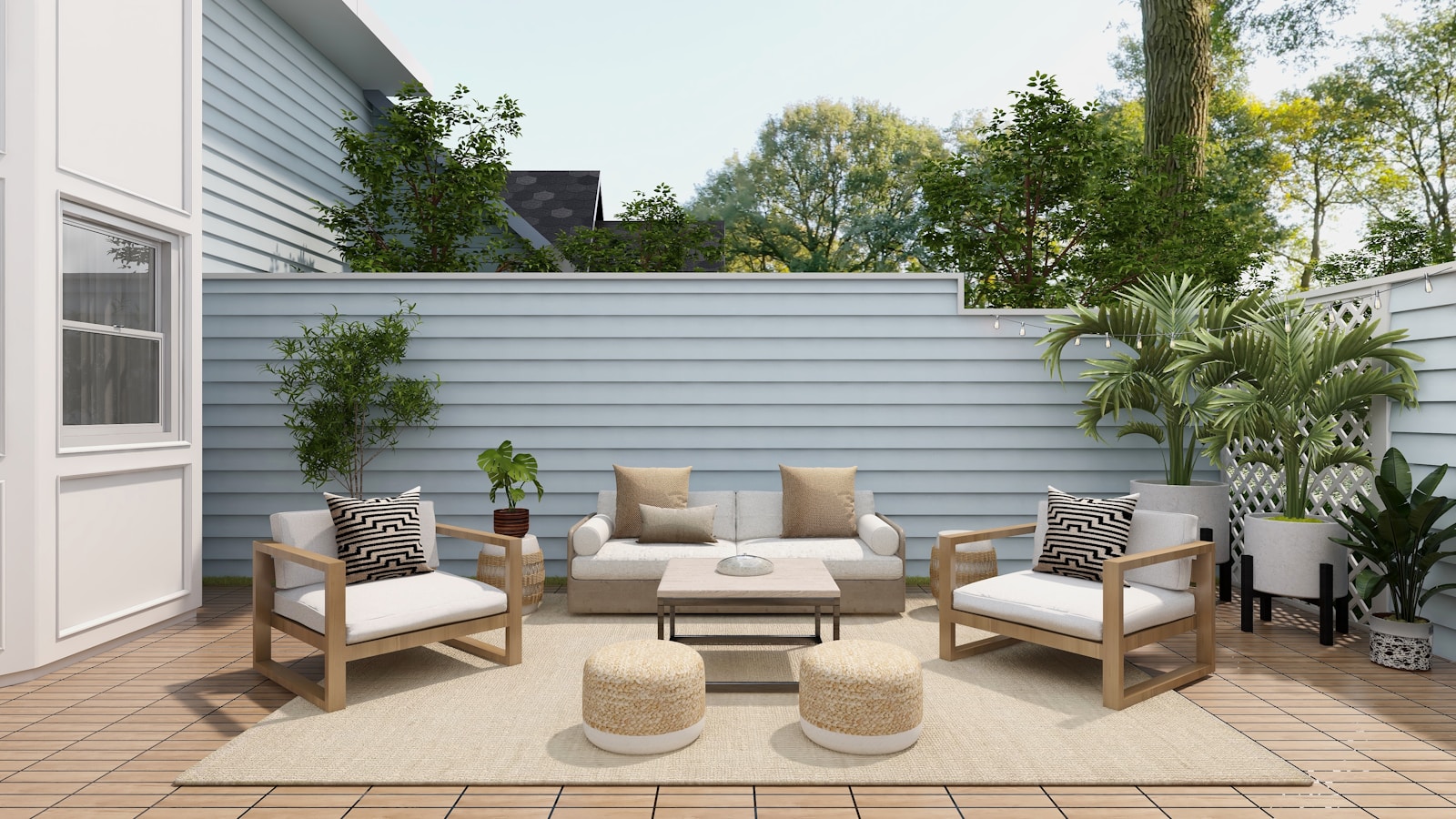
The ultimate storage hack that helps patio furniture last through harsh winters is investing in high-quality, waterproof, breathable covers that keep moisture out while allowing air to circulate. This simple step prevents rust, mildew, and fading without the need to fully bring furniture inside, saving space and effort.
Along with cleaning furniture before storage and removing cushions when possible, this approach keeps outdoor sets in good shape. By focusing on these practical care tips, anyone can extend the life of their patio furniture and enjoy it for many seasons to come.
Why Harsh Winters Threaten Patio Furniture
Winter weather can seriously wear down outdoor furniture if it’s not properly protected. Cold temperatures, moisture, and harsh winds all combine to speed up damage. Different materials react in different ways, but most patio sets face risks like rust, cracking, and fading that shorten their lifespan.
Common Winter Damage to Outdoor Furniture
Outdoor furniture can suffer a range of issues once winter hits. Water from rain or melting snow can seep into tiny cracks or joints, causing wood to warp or rot. Metal parts often start to rust when exposed to moisture and salt used on roads or sidewalks.
Plastic and resin furniture may become brittle and crack in freezing temperatures. Cushions and fabrics left outside are prone to mold and mildew if they stay damp for too long. Even paint and finishes can peel or fade, leaving furniture vulnerable to further harm.
Materials Most Vulnerable to Cold and Moisture
Wood furniture is especially vulnerable during winter since it expands when wet and contracts when dry, leading to splitting or warping. Without proper sealants, wood can quickly rot. Metal, while sturdy, risks rusting without rust inhibitors or protective coatings.
Wicker and rattan, often used for patio sets, can unravel or weaken with moisture exposure. Plastic and resin items handle moisture better but aren’t immune to becoming brittle in freezing conditions. Cushions made of foam or fabric are the most at risk for mold, mildew, and permanent damage from moisture and cold.
How Winter Conditions Impact Patio Sets
Snow and ice add weight and retain moisture on patio furniture, which leads to wear at joints and stress on frames. Constant freeze-thaw cycles push water into small gaps, causing cracks and weakening structure.
Wind can blow debris and cause physical damage or abrasions to furniture surfaces. When left uncovered, sun exposure even in winter can dry out materials, making them more prone to cracking.
Without protection or proper storage, many patio sets look older and need repairs or replacement sooner than expected.
The Storage Hack: Key Steps to Prolonging Patio Furniture Life
Storing patio furniture correctly through winter involves a mix of cleaning, protective treatments, and smart placement. These steps work together to prevent damage from moisture, rust, and harsh weather, keeping furniture ready for the next season.
Deep Cleaning and Pre-Storage Prep
Before storing, the furniture must be cleaned thoroughly to remove dirt, pollen, and any residues. Using a mild detergent mixed with warm water, all surfaces should be wiped down with a soft cloth or brush. For wooden pieces, a wood-specific cleaner helps remove grime without damaging the finish.
Cushions and fabric parts need separate attention. They should be cleaned according to care instructions, dried completely, and stored in a dry area indoors to avoid mold. Any damaged parts or rust spots should be fixed before storage to prevent further deterioration.
Applying Protective Sealants and Rust-Resistant Paint
Applying a protective sealant on wooden furniture adds a moisture barrier, reducing the risk of warping or cracking during cold, damp months. For metal furniture, a rust-resistant paint or spray is essential to stop corrosion caused by exposure to water and salt.
This treatment should be done after cleaning and drying the pieces, and ideally before storing to make sure the coatings fully bond with the surface. These layers of protection extend the furniture’s appearance and lifespan.
Using Patio Furniture Covers for Maximum Protection
Durable, waterproof patio furniture covers shield pieces stored outdoors from rain, snow, and debris. Covers made from thick, breathable fabrics prevent moisture buildup under the cover, which could lead to mildew.
For best results, the covers should fit snugly and be secured tightly with straps or elastic hems. This prevents wind from blowing them off and keeps dirt from getting in. Covers protect not just the frames but also cushions when stored on or near the furniture.
Smart Placement and Elevation Strategies
Placing furniture off the ground is critical to avoid contact with wet surfaces that speed up moisture damage. Using blocks, pallets, or bricks lifts the furniture and allows airflow underneath, reducing dampness.
Choosing a storage spot that is sheltered from direct sun and heavy winds helps maintain the furniture’s condition. Garages, sheds, or covered patios are ideal, but if outdoor storage is necessary, a spot shielded by bushes or awnings will reduce exposure.
Regularly checking the furniture during storage helps catch any moisture issues early, ensuring protective steps stay effective throughout winter.
Best Storage Solutions for Every Outdoor Space
Storing patio furniture properly during winter can make a big difference in how well it holds up. The choice between indoor and outdoor storage, where exactly to store furniture, and working around space limitations all play key roles in protecting a patio set.
Indoor vs. Outdoor Storage: Pros and Cons
Bringing furniture indoors offers the best protection from moisture, freezing temperatures, and sun damage. A garage, basement, or storage shed keeps wood from warping and fabrics from fading. Cushions should be cleaned and dried before moving them inside to avoid mold and mildew. Stacking or storing furniture upright is better than flipping it upside down to avoid scratches or stress on the joints.
Outdoor storage is an option for those without indoor space, but it requires more prep. Quality waterproof covers with UV protection are essential. Cushions need to be stored separately in waterproof bins to keep them dry and pest-free. Umbrellas should ideally be taken indoors or fully disassembled and cleaned before cold weather hits.
Choosing the Right Storage Location
A good storage spot keeps furniture dry, temperature-stable, and away from pests. Indoors, avoid damp corners near garage doors or basement windows. A temperature-controlled area with good ventilation reduces moisture buildup and protects cushions better. Using large storage totes with natural pest repellents like cedar can keep critters away and save space.
For outdoor spots, raised decks or sheltered patios work best to avoid direct contact with snow or puddles. The ground should be dry and clear of debris. Heavy-duty covers with ventilation prevent condensation, which can lead to rust or mold. Placing furniture on pallets or rubber mats helps keep it off cold, wet surfaces.
Specific Tips for Small Outdoor Spaces
Limited space calls for creative solutions. Vertical storage can free up floor space by hanging chairs or small tables on wall racks or hooks. Foldable or stackable furniture is ideal because it minimizes clutter when not in use.
Using multi-functional furniture like storage benches or rattan coffee tables with hidden compartments can merge seating with storage efficiently. Outdoor deck boxes that double as seating offer room for cushions and smaller accessories. Keeping cushions in water-resistant bins inside these boxes helps extend their life without crowding a small patio.
Extra Tips to Make Patio Furniture Last Season After Season
Taking care of patio furniture throughout the year protects it from damage and keeps it looking fresh. Simple maintenance steps and proper care of cushions and fabrics go a long way in extending the life of outdoor furniture.
Routine Maintenance and Seasonal Checks
Regular upkeep is key for outdoor furniture. It starts with inspecting for loose screws, cracks, or rust spots. Tightening hardware and sanding away rough edges early can prevent bigger issues later.
Cleaning plays a vital role too. Removing dirt, pollen, and debris with mild soap and water prevents stains and mold buildup. For metal furniture, a light coat of wax or rust inhibitor helps keep corrosion at bay.
Once or twice a season, checking protective finishes on wood or metal ensures they’re still doing their job. Reapplying sealants or oils to wood furniture maintains moisture balance and stops cracking. For metal, a touch-up paint coat or wax preserves its integrity.
Preparing Cushions, Fabrics, and Accessories
Cushions and fabric items need a little extra love. Before storing, washing cushion covers and letting everything dry completely avoids mildew and smells.
Storing cushions indoors in breathable bags or containers protects them from moisture and pests. Avoid plastic bags, which trap dampness.
Umbrellas and fabric accessories should be cleaned and dried thoroughly. Storing umbrellas upright in a dry spot helps maintain their shape and prevents rust on the poles.
For long-term care, fabric protectants or weatherproof sprays can add a barrier against water and stains, making cushions and covers easier to maintain season after season.

As a mom of three busy boys, I know how chaotic life can get — but I’ve learned that it’s possible to create a beautiful, cozy home even with kids running around. That’s why I started Cultivated Comfort — to share practical tips, simple systems, and a little encouragement for parents like me who want to make their home feel warm, inviting, and effortlessly stylish. Whether it’s managing toy chaos, streamlining everyday routines, or finding little moments of calm, I’m here to help you simplify your space and create a sense of comfort.
But home is just part of the story. I’m also passionate about seeing the world and creating beautiful meals to share with the people I love. Through Cultivated Comfort, I share my journey of balancing motherhood with building a home that feels rich and peaceful — and finding joy in exploring new places and flavors along the way.

![a person holding a [UNK] [UNK] game [UNK]](https://cultivatedcomfort.com/wp-content/uploads/2025/11/vv14djro3km-768x512.jpg)
