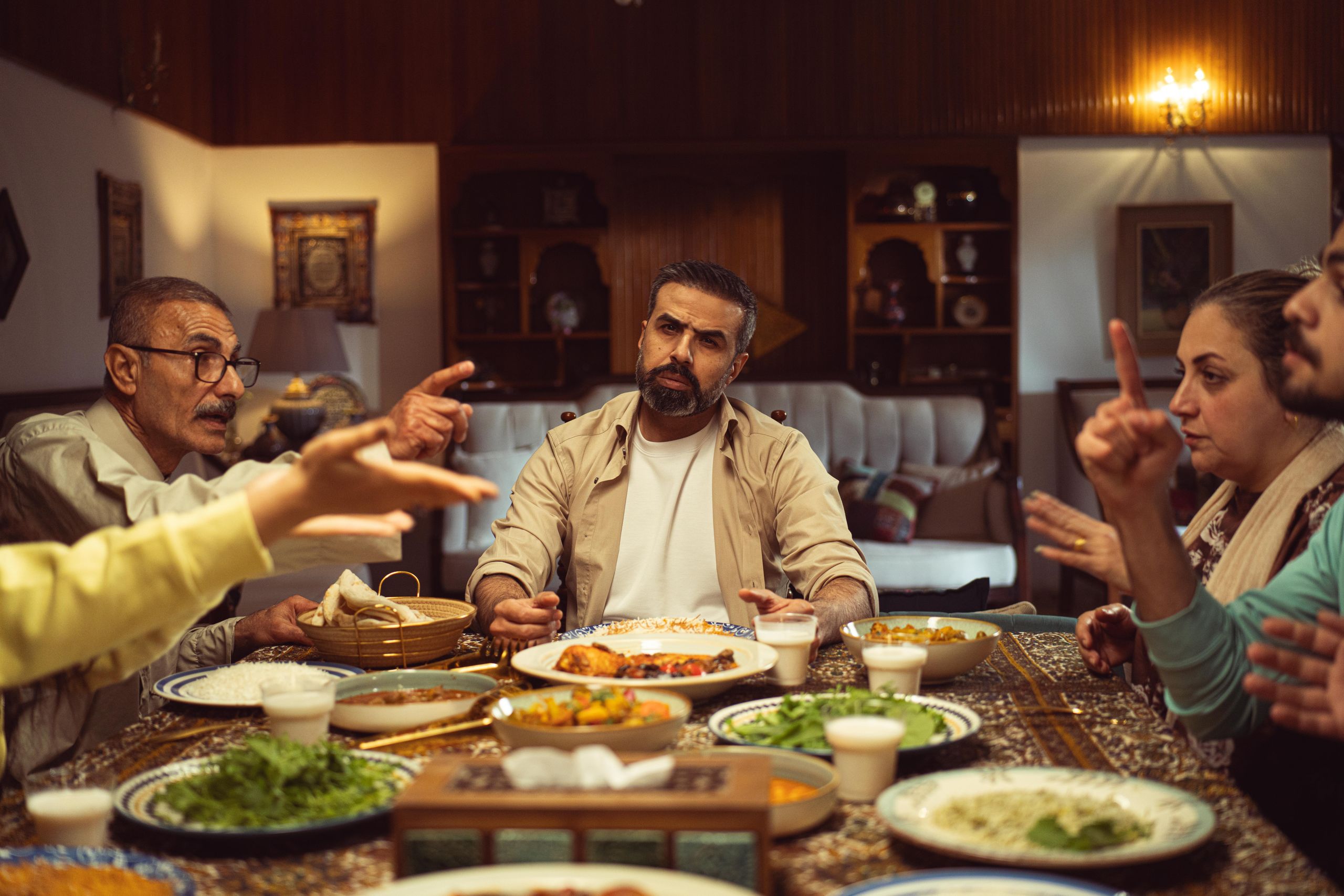
A meta-analysis of 47 separate studies, led by UCLA psychologist Rena Repetti and published in Psychological Bulletin, found that adults who grew up in high-conflict homes carried measurably more physical health problems, depression, and substance-dependency issues decades later. That finding sounds like a case against parents ever arguing in front of their children. It isn’t. Decades of research from developmental psychologist E. Mark Cummings and his collaborators points to a more precise, and for most parents more useful, conclusion: it’s not whether children witness conflict between their parents that predicts how they turn out. It’s whether they watch that conflict get resolved.
Destructive conflict versus constructive conflict
Cummings, a longtime researcher at Notre Dame, and Patrick Davies at the University of Rochester built much of their careers on what’s called emotional security theory, laid out in their book Marital Conflict and Children: An Emotional Security Perspective. Their research draws a sharp line between two categories of conflict. Destructive conflict includes verbal aggression like insults or threats of abandonment, physical aggression, and the silent tactics — sulking, stonewalling, walking away without resolution — that leave a disagreement hanging unresolved in the air of a household. Constructive conflict looks different even when the underlying disagreement is just as real: partners state their positions, work toward compromise, and let their children see them land somewhere, often with visible warmth once it’s settled.
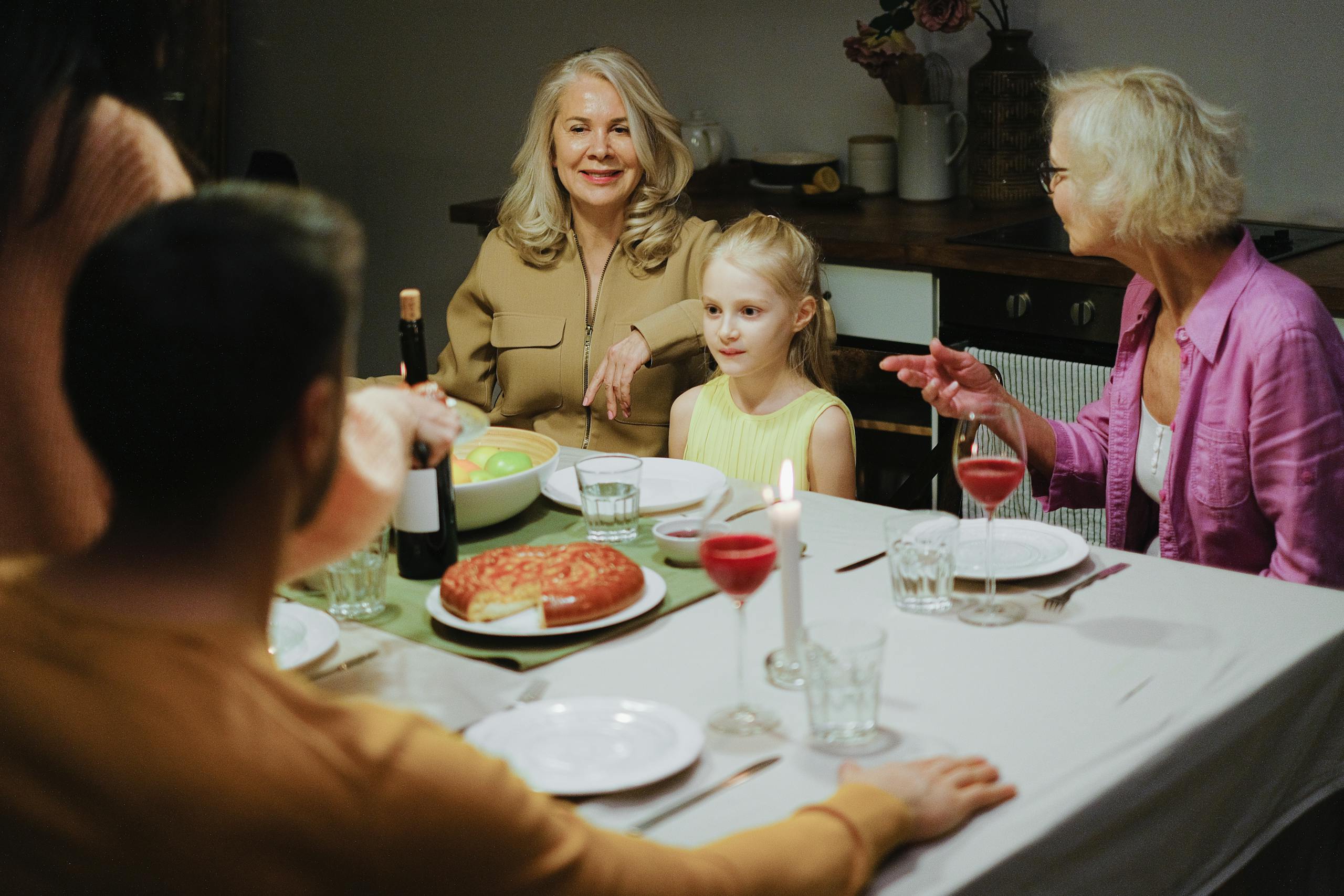
The outcomes tied to each pattern aren’t subtle. Children exposed to destructive conflict show higher rates of anxiety, aggression, sleep disturbances, and academic problems, according to Cummings and Davies’s body of work. Children who watch their parents argue and then genuinely resolve it, with real compromise rather than one parent simply giving in, tend to show better social skills, stronger emotional security, and fewer behavioral problems than children in homes where no conflict is ever visible at all. Cummings has put it plainly in his own writing on the subject: children who watch a disagreement get worked out are often happier afterward than they were before it started.
Emotional security is the mechanism, not the conflict itself
A 2009 study in the Journal of Child Psychology and Psychiatry, led by Kathleen McCoy alongside Cummings and Davies, followed 235 families with children ages 5 to 7 across three separate waves of data collection. Using statistical modeling, the researchers found that children’s own sense of emotional security — their internal read on whether the family unit feels stable — acted as the go-between connecting both constructive and destructive conflict to children’s later prosocial behavior, things like helping and cooperating with others. Conflict itself isn’t the direct cause of a child’s outcomes. It’s filtered first through how safe that child feels inside the relationship holding their household together, and that filter is shaped far more by resolution style than by the mere presence of disagreement.
Why “just don’t fight in front of them” backfires
The instinct to protect kids by hiding every disagreement is understandable, but Cummings and Davies’s framework suggests it can quietly work against the thing parents are trying to build. A household where children never see their parents disagree doesn’t teach conflict avoidance — it simply removes the modeling entirely, leaving children to encounter real disagreement for the first time with no template for how two people who love each other work through it. Emotional security theory holds that children are constantly, almost unconsciously, monitoring the stability of their parents’ relationship as a proxy for their own safety. A household with zero visible conflict doesn’t necessarily register to a child as “secure.” It can just as easily register as unreadable, since the child has no information about how their parents actually handle stress when it appears.
What this means at your own kitchen table
For parents who’ve absorbed the message that any visible conflict damages children, this research offers real relief, along with a more demanding standard. Suppressing every disagreement until the kids are in bed doesn’t teach them anything about how functioning relationships actually work, and it can leave them blindsided later by ordinary friction in their own relationships. The research doesn’t ask parents to fight less in front of their kids. It asks them to make sure their kids see the second half of the argument, not just the first — the part where two people who disagree find their way back to each other, out loud, where a child can watch it happen.
The couples raising the most securely attached kids aren’t the ones who never raise their voices. They’re the ones who let their children watch them repair what got broken.