Plenty of wives learn to live with little daily irritations, but some patterns cut deeper, quietly souring the relationship even while the couple looks fine from the outside. The most corrosive issues are rarely the dramatic blowups; they are the habits and imbalances that women swallow for years, then suddenly realize they cannot stand anymore. When those unspoken frustrations pile up, they do not just fade, they harden into long term resentment that is very hard to reverse.

What makes these hidden grievances so tricky is that they often start as compromises or “no big deal” favors. Over time, though, they become a running tally of who matters, whose time counts, and whose needs are negotiable. Naming them clearly is not about blaming wives for being angry, it is about showing where the pressure actually sits so couples can renegotiate the deal before the damage is permanent.
Invisible emotional labor and the “default parent” trap
One of the biggest long term flashpoints is emotional labor, the behind the scenes work of remembering dentist appointments, tracking school emails, buying birthday gifts, and noticing when a teenager seems off. Many wives end up as the household project manager by default, even when both partners work full time, and they tolerate it because it feels easier than arguing over every task. Over years, though, that quiet mental load turns into a sense that their partner is more like an extra child than an equal, a pattern that research on imbalance in emotional labor has flagged as a core source of hidden resentment.
That same imbalance shows up in who becomes the “default parent.” Wives often find they are the ones the school calls first, the one who leaves work when daycare closes early, the one who knows the pediatrician’s name and the shoe sizes by heart. At first, they may shrug and say they are just “better at it,” but over time, being the automatic problem solver for every family crisis can feel less like competence and more like a trap. When a partner assumes this role is natural instead of negotiated, the message many women hear is that their own career, rest, and hobbies are optional extras, while his time is protected by default.
Emotional neglect, criticism, and the slow erosion of respect
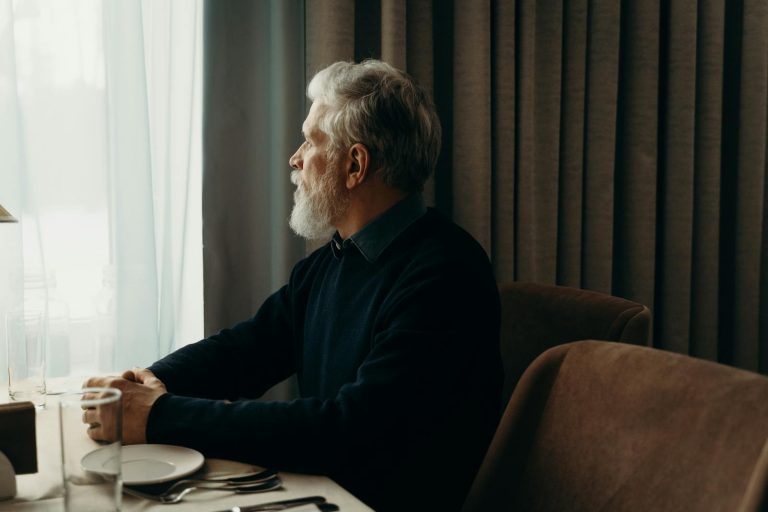
Another resentment that simmers for years is emotional neglect, the sense that a husband is physically present but emotionally checked out. Wives often put up with a partner who rarely asks about their day, tunes out during serious conversations, or treats their worries as overreactions, especially when everything else on paper looks stable. Over time, that lack of curiosity about their inner life can feel more painful than any single argument, which is why emotional neglect sits at the top of lists of things wives quietly regret tolerating, including one that names emotional neglect as a core pattern women wish they had confronted sooner.
Layered on top of that, many women live for years with low grade criticism or contempt that never quite crosses into headline grabbing abuse but still cuts deep. It might be constant comments about how they load the dishwasher, how they spend money, or how their body looks after pregnancy, all brushed off as “jokes” or “just being honest.” Over time, that drip of judgment can erode basic respect, especially when paired with a partner who expects praise for minor efforts while dismissing her daily contributions. Accounts of simmering resentments from married women repeatedly circle back to this mix of being taken for granted and then nitpicked anyway, a combination that leaves wives feeling both overworked and undervalued.
More from Cultivated Comfort:
- 7 Retro Home Features That Builders Should Bring Back
- 7 Antique Finds That Are Surprisingly Valuable Today
- 7 Forgotten Vacation Spots Your Parents Probably Loved
- 6 Boomer China Patterns That Are Selling Like Crazy Online

As a mom of three busy boys, I know how chaotic life can get — but I’ve learned that it’s possible to create a beautiful, cozy home even with kids running around. That’s why I started Cultivated Comfort — to share practical tips, simple systems, and a little encouragement for parents like me who want to make their home feel warm, inviting, and effortlessly stylish. Whether it’s managing toy chaos, streamlining everyday routines, or finding little moments of calm, I’m here to help you simplify your space and create a sense of comfort.
But home is just part of the story. I’m also passionate about seeing the world and creating beautiful meals to share with the people I love. Through Cultivated Comfort, I share my journey of balancing motherhood with building a home that feels rich and peaceful — and finding joy in exploring new places and flavors along the way.