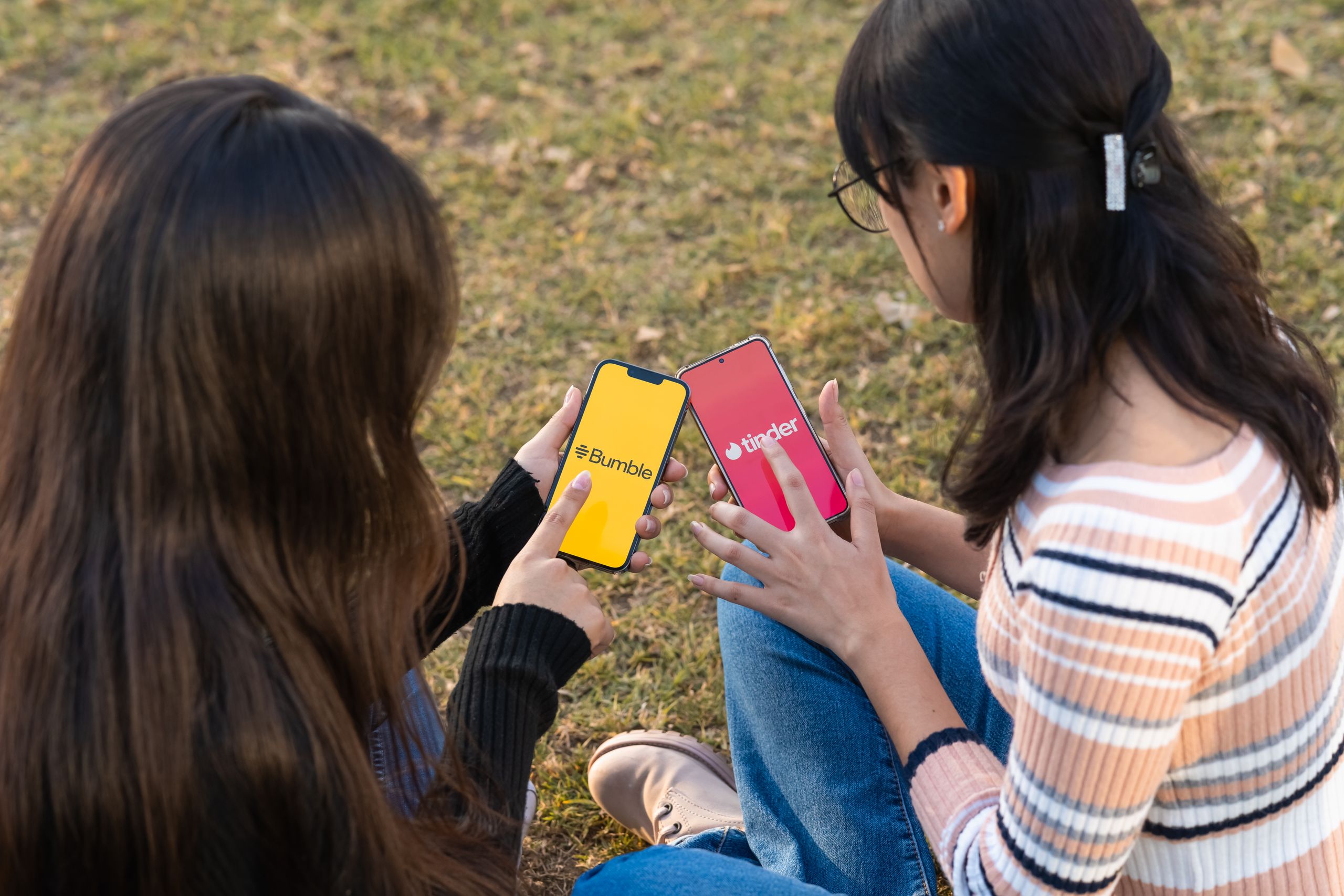
Three of the biggest dating apps rolled out product overhauls this year built around the same premise: the endless swipe is no longer the point. Bumble’s own product team says profiles with two to three prompts get 33 percent more responses, and bios that read as conversational rather than generic see engagement jump nearly 60 percent, according to the company’s February 2026 announcement of two new AI-assisted features. Hinge and Tinder made nearly identical bets around the same stretch of the year.
Bumble Is Coaching People Off the Swipe
Bumble’s new tools don’t touch the swipe mechanic directly, but they’re aimed at what happens before and after it. AI-suggested Profile Guidance gives members personalized feedback on their bios and prompts, and AI Photo Feedback flags which photos actually work. Vivek Sagi, Bumble’s Chief Product and Technology Officer, said the goal is to help members “show up more authentically” and “move toward meeting in real life.”
Hinge Is Explicit About Trading Volume for Quality
Hinge has been the most direct of the three about what it’s moving away from. In the company’s own 2026 newsroom release on dater communication, Love and Connection Expert Moe Ari Brown put it plainly: “We’re really encouraging daters to focus on quality matches and quality connections, instead of a lot of people at once.” Profiles that include a voice prompt are 32 percent more likely to lead to an actual date. Hinge CEO Justin McLeod has said AI “must stand behind us, not between us.”
Tinder’s Rebuild Points the Same Direction
Tinder, the app most associated with rapid-fire swiping, used its first-ever product keynote this March to announce a slate of features aimed at slowing users down, detailed in the company’s Tinder Sparks 2026 press release. A new Learning Mode refines matches based on real interaction rather than static filters. CEO Spencer Rascoff framed the update as expanding “the ways that people get started” toward connections that are “more trusted, social, intelligent and expressive.”
The Pattern Is the Story
None of these apps abandoned swiping outright. But all three built their 2026 roadmaps around the same diagnosis: infinite options were making it harder, not easier, to find someone worth the effort. Bumble’s own Global Dating Trends research found that 59 percent of women surveyed now prioritize a partner who is emotionally consistent, reliable, and has clear goals.
What’s striking is how openly each company is willing to describe the previous model’s shortcomings in its own words. Executives at all three apps have, in various forms, acknowledged that a design built to maximize swiping volume also maximized burnout, a rare moment of a product category diagnosing its own core mechanic as the problem rather than blaming user behavior or market conditions. That kind of self-critique from a company about its own flagship feature doesn’t happen often, and it signals these changes are being treated as structural rather than cosmetic.
For daters navigating all three apps at once, the practical effect of the shift is a slower, more effortful early experience by design: more prompts to fill out, more nudges to record a voice note or answer a specific question, fewer opportunities to coast on a photo alone. That friction is intentional. Every one of these product changes is built around the same bet — that a slightly higher barrier to a first message produces a meaningfully higher chance that the message actually leads somewhere, which is precisely the trade the endless-swipe era never made.
It’s also worth noting these shifts arrive at a moment when all three companies face real business pressure to prove their platforms still work, after years of reporting from inside the industry about user fatigue and slowing subscription growth. A product change that genuinely improves match quality isn’t just good for daters — it’s the kind of retention story each company needs to keep users paying for premium features rather than deleting the app altogether, which may be part of why the changes landed in the same year across competitors that rarely move in lockstep on anything else about how their apps work or how they talk about their own users. The company that figures out how to make slower feel better than fast, rather than just different, is the one likely to hold onto daters the longest.