You could lose access to thousands of dollars after a routine security screening — and those whose cash was taken say federal agencies relied on a civil forfeiture practice that lets them keep money without charging anyone with a crime. If you carry large sums when you fly, you may face invasive questions and even seizure of your cash under disputed TSA and DEA practices, yet you often won’t be charged or have the funds returned quickly.
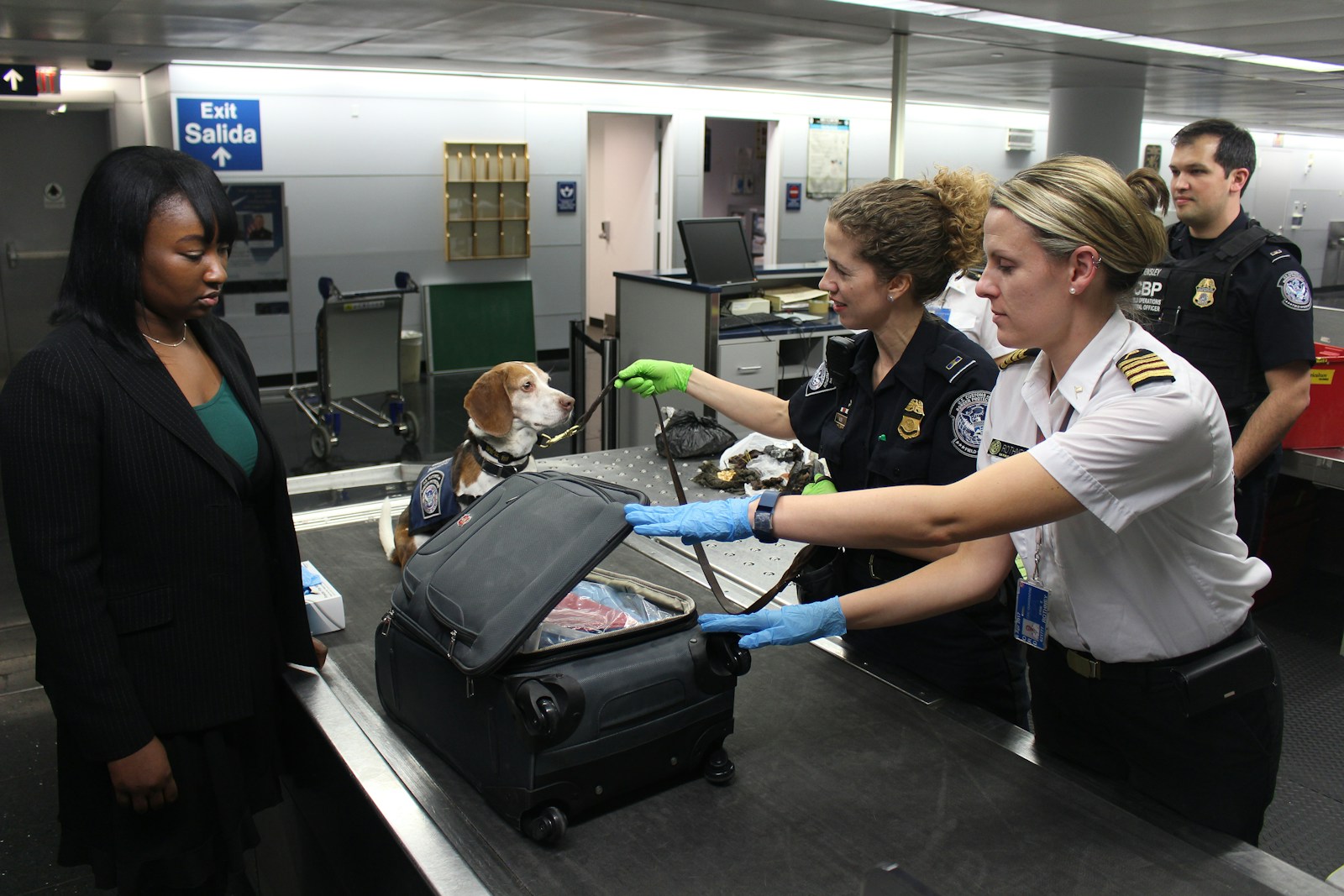
They describe moments that start like any airport delay: a bag flagged at the X‑ray belt, an agent calling in law enforcement, and then officers taking cash that travelers say proved legitimate. This post will explain how those encounters happen, what the law says about civil forfeiture and the Fourth Amendment, and what travelers can do if it happens to them.
Travelers Accuse TSA Agents of Seizing Large Amounts of Cash
Passengers say agents and responding law enforcement took cash from carry-ons and checked bags after screeners flagged large sums, then transferred custody to federal officers who pursued civil forfeiture. Plaintiffs contend seizures happened without arrests, criminal charges, or clear probable cause.
What Happened: Real Airport Cash Seizure Stories
Rebecca Brown reported TSA screeners at Pittsburgh International spotted $82,373 in her carry-on in August 2019; DEA agents later seized the cash, and the family says it represented her father’s life savings. Brown says she had no criminal charges and that the money was returned only after legal action.
Other plaintiffs described similar incidents: Stacy Jones-Nasr and her husband had roughly $40,000 taken at Wilmington International Airport after a private car sale, and Matthew Berger reported $55,000 seized at Charlotte Douglas International Airport during travel related to his business.
Plaintiffs say none faced criminal indictments when money was taken. They argue the pattern shows routine targeting of passengers carrying what authorities deemed “large” or “suspicious” amounts.
How the TSA and DEA Handle Cash at Airports
TSA employees perform security screening and may flag large amounts of cash for additional inspection under agency guidance. TSA emphasizes its mission focuses on transportation threats and says it is not a law-enforcement agency that conducts forfeiture.
When TSA screeners identify currency they consider suspicious, they typically summon local or federal law enforcement to investigate. The DEA previously ran a traveler-interdiction program that encouraged seizures of cash thought to be linked to criminal activity; plaintiffs point to a DEA practice that treated amounts above $5,000 as presumptively suspicious.
Agency policies differ: Customs and Border Protection requires reporting over $10,000 for international travel, but no parallel domestic reporting rule exists. That gap leaves domestic travelers vulnerable to law-enforcement seizures based on on-the-spot suspicion.
Overview of Current Civil Forfeiture Policies
Civil forfeiture lets government agencies seize property suspected of involvement in crime without necessarily charging the owner. Critics say the system incentivizes seizures because forfeiture proceeds often fund law-enforcement programs.
Courts have limited forfeiture in some contexts, but practices vary by agency and district. The DEA ended its traveler-interdiction program in January 2025, a development defendants cite when arguing cases are moot. Plaintiffs counter that policy changes could be reversed and that written or informal policies still guided prior seizures.
Magistrate Judge Kezia O.L. Taylor has been involved in pretrial recommendations in related litigation, including reviewing whether DEA policy changes render parts of lawsuits moot; courts continue to parse how agency authority aligns with the Fourth Amendment.
Major Lawsuit Highlights and Key Figures
The class-action suit filed Jan. 15, 2020, by the Institute for Justice challenges TSA and DEA practices as unconstitutional under the Fourth Amendment. Lead plaintiffs include Rebecca Brown, Stacy Jones-Nasr, and Matthew Berger, each alleging large cash seizures without probable cause.
Attorney Dan Alban of the Institute for Justice argues TSA maintained written directives prompting extra scrutiny of cash and that DEA’s past practices enabled seizures without charges. The DEA moved to dismiss portions of the case after ending its interdiction program, and a magistrate judge recommended dismissal on mootness grounds in some respects.
The litigation seeks to vacate TSA cash-screening policies and enjoin future practices; a district court judge will decide whether agency actions violated passengers’ rights and whether injunctive relief should issue.
Civil Forfeiture, Your Rights, and the Fourth Amendment
This section explains when law enforcement can seize property, what protections the Fourth Amendment offers against searches and seizures, and how federal interdiction programs affect travelers’ cash at airports.
Fourth Amendment and Unreasonable Searches Explained
The Fourth Amendment protects people from unreasonable searches and seizures by requiring law enforcement to show probable cause or obtain a warrant in many situations. Courts have held that routine TSA screening is administrative, not a free-for-all for other agencies; outside that narrow authority, agents generally need probable cause to detain or search personal property.
If an agent asks to search luggage, travelers can refuse consent; refusal alone is not probable cause. Officers can still detain property briefly if they have reasonable suspicion, but prolonged seizure or a warrantless forensic search can violate Fourth Amendment limits.
Key points to remember:
- Probable cause or a warrant is usually required for non-consensual searches.
- Consent must be voluntary; coerced “consent” (e.g., “you can go but not take your bag”) is legally suspect.
- Administrative airport screening authority does not automatically extend to DEA or local law enforcement looking for evidence or cash.
How Much Cash Can You Legally Carry In Airports?
No federal law caps the amount of cash a person may carry domestically. Travelers may legally carry thousands of dollars in currency through U.S. airports without violating a statute.
However, carrying large sums can draw law enforcement attention and increase the risk of civil forfeiture if officers allege the money is tied to criminal activity.
Practical items travelers should know:
- International travel requires reporting more than $10,000 to CBP with a written declaration.
- Large unexplained sums can prompt seizure under civil forfeiture statutes even without criminal charges.
- Documenting the cash’s lawful source (bank records, receipts, contracts) helps contest seizures and supports return petitions.
Transportation Interdiction Program and Recent Policy Changes
The Transportation Interdiction Program (TIP) involves federal agents working at transit hubs to identify suspected criminal proceeds, often focusing on large amounts of currency. TIP operations have led to seizures under civil forfeiture rules, sometimes without charging the traveler criminally.
Recent scrutiny—driven by litigation and reporting—has prompted policy changes in some jurisdictions and calls for higher evidentiary standards before seizure. For example, critics argue that TIP-related searches can amount to warrantless searches when agents rely on profiling or vague indicators like last-minute bookings.
What travelers should prepare for:
- Agents may use indicators (route, travel timing, demeanor) to justify further questioning, but those factors alone rarely meet probable cause.
- Challenging a seizure typically requires filing a civil claim; retaining evidence of the money’s lawful origin strengthens the case.
- Advocacy groups and recent legal challenges push for reforms to curb forfeiture practices tied to TIP activities; monitoring developments can affect local enforcement behavior.
Relevant reading on constitutional limits and airport practices appears in reporting about travel searches and civil forfeiture policies, including analysis of DEA conduct and interdiction programs (for example, reporting on airport searches and forfeiture trends).
More from Cultivated Comfort:
- 7 Vintage Home Items From the ’60s That Are Collectors’ Dream Finds
- 7 Vintage Home Goods That Became Collectors’ Gold
- 7 Fast-Food Chains That Changed for the Worse
- 7 Frozen Dinners That Were Better Back in the Day

As a mom of three busy boys, I know how chaotic life can get — but I’ve learned that it’s possible to create a beautiful, cozy home even with kids running around. That’s why I started Cultivated Comfort — to share practical tips, simple systems, and a little encouragement for parents like me who want to make their home feel warm, inviting, and effortlessly stylish. Whether it’s managing toy chaos, streamlining everyday routines, or finding little moments of calm, I’m here to help you simplify your space and create a sense of comfort.
But home is just part of the story. I’m also passionate about seeing the world and creating beautiful meals to share with the people I love. Through Cultivated Comfort, I share my journey of balancing motherhood with building a home that feels rich and peaceful — and finding joy in exploring new places and flavors along the way.