The Transportation Security Administration warns that travel could slow and security lines could grow as agents work without pay during the Department of Homeland Security funding lapse. Expect longer waits at checkpoints and a higher risk of staffing-related disruptions if the shutdown continues, because most TSA personnel are classified as essential and must keep working without immediate pay.
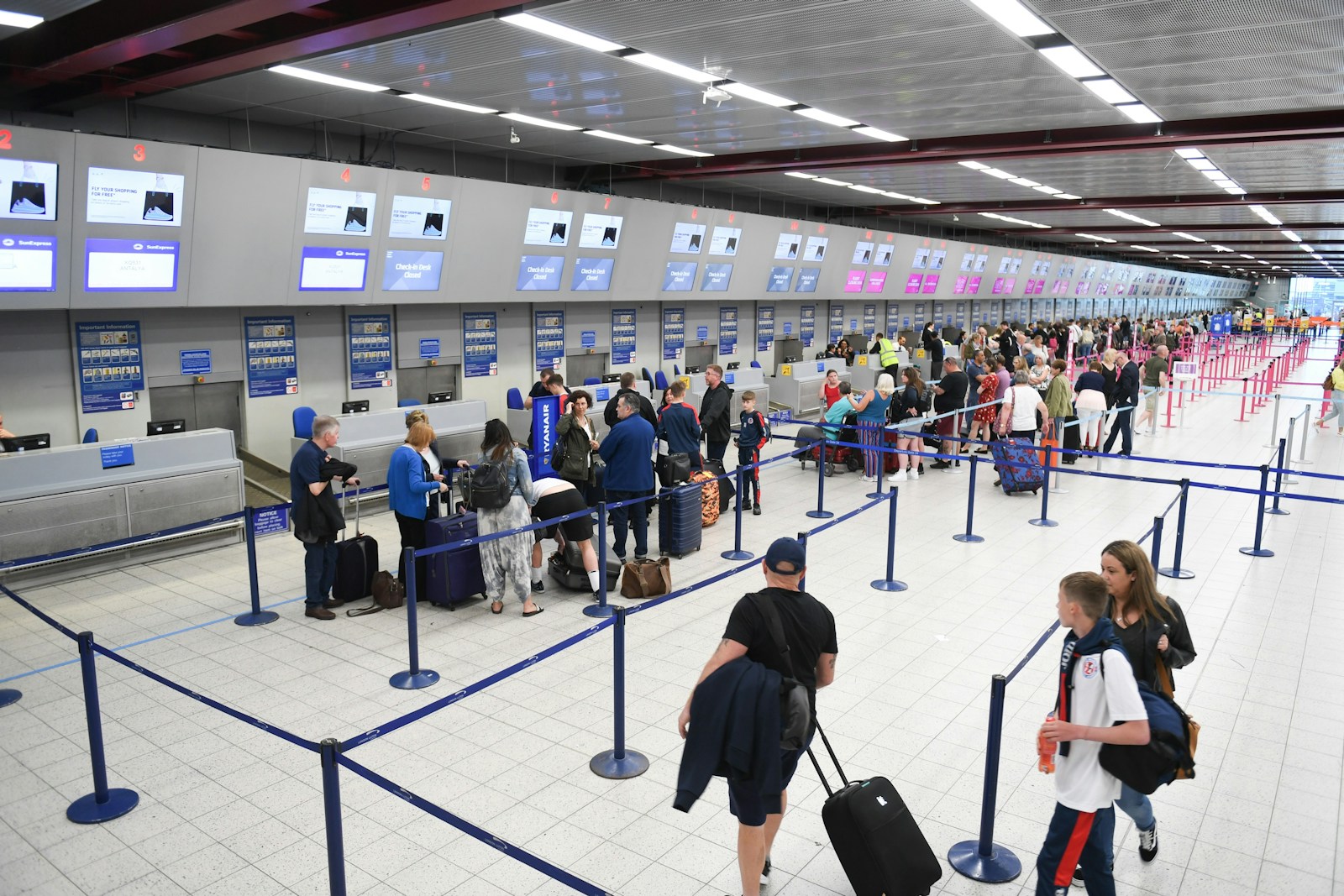
They will explain why this matters to your upcoming trips, how TSA staffing pressures could ripple into flight delays, and what other DHS agencies may scale back. Keep reading to learn practical steps to protect your travel plans and what to watch as the situation unfolds.
TSA Issues Stark Travel Warning Over DHS Shutdown
The Transportation Security Administration warns that a lapse in Department of Homeland Security funding will force most TSA staff to keep working without pay, increasing the risk of longer checkpoint lines, staffing gaps, and delayed security technology upgrades.
What the DHS Shutdown Means for TSA Operations
A partial government shutdown for DHS means TSA continues core screening and security missions but loses access to normal appropriations for hiring, overtime, and some technology contracts. Around 95% of TSA employees are classified as essential and must staff checkpoints, checkpoints at airports such as Philadelphia International Airport included, even if pay is paused.
Operationally, that constrains TSA’s ability to call in surge staff for peak travel days and to cover routine absences without using overtime, which becomes harder to fund. Planned equipment rollouts and maintenance can pause, delaying baggage-screening upgrades and deployed checkpoint enhancements.
Impact on Airport Security and Travelers
Travelers should expect longer checkpoint wait times if staffing drops or if unscheduled absences rise. During past shutdowns, increased call-outs produced measurable delays at major hubs and a cascading effect of missed connections.
Airlines may rebook or hold flights when checkpoints create bottlenecks. Passenger screening standards do not legally change during a shutdown, but slower throughput and reduced ability to surge staffing can harm the traveler experience and increase missed flights, particularly on busy travel days or during large events.
TSA Agents Required to Work Without Pay
TSA agents must continue to perform security duties without pay while DHS funding is halted. That includes Transportation Security Officers, canine handlers, and other frontline roles who staff hundreds of checkpoints nationwide.
Working without pay creates immediate financial pressure on employees who often depend on timely paychecks for rent, childcare, and transportation. Those pressures have previously led to elevated unscheduled absences and higher staff turnover, which further strains checkpoint staffing during the shutdown period.
Timeline of Missed Paychecks and Financial Strain
Pay schedules mean agents will typically miss their next scheduled paycheck once a funding lapse spans a pay period. If the shutdown extends beyond a single pay cycle, missed paychecks multiply and financial strain compounds.
During the 43-day shutdown in prior years many employees faced late bills, eviction notices, and other hardships. Extended uncertainty also affects recruitment and retention, reducing TSA’s ability to replenish staff before high-volume travel periods and events. For airports like Philadelphia International Airport, localized staffing shortages can quickly translate into longer local lines and operational headaches.
Broader Impacts Across DHS Agencies
The lapse in funding forces many frontline workers to keep operating without pay and stretches surge capacities for disasters, border operations, and cyber defense. Agencies must prioritize life‑safety missions while routine functions slow or stop, creating ripple effects for travel, relief reimbursements, and national security monitoring.
Effects on Immigration and Customs Enforcement
ICE will continue critical detention and removal operations, but many investigative and administrative functions will slow. Agents performing custody and transport remain on duty; court filings, visa reviews, and non‑urgent investigations face delays that can extend case timelines.
State and local partners that rely on federal immigration notifications may see gaps in coordination. That can complicate joint operations and slow evidence processing used in prosecutions or asylum interviews. Budget pauses also delay reimbursements that fund detention medical care and facility contracts.
Public records and FOIA processing backlog will grow, increasing legal and transparency risks. If a shutdown stretches toward the length of past gaps—such as the referenced extended shutdown—personnel fatigue and attrition could reduce ICE’s capacity for sustained operations.
Federal Emergency Management Agency and Disaster Response
FEMA will keep life‑saving disaster response teams deployed, but reimbursements for state and local disaster costs may be delayed. Public assistance and Hazard Mitigation Grant Program payouts often require upfront state spending; delays in the Disaster Relief Fund approvals strain municipal budgets and slow recovery.
Incident management teams, Urban Search and Rescue crews, and FEMA logistics continue under essential status. However, planning, grant processing, and long‑term recovery coordination—critical for infrastructure rebuilding—are lower priority and may face staffing shortfalls.
Delayed reimbursements can ripple into construction timelines and contracting. Communities hit by storms or floods could see slower debris removal and project starts if federal cash flows stall.
Customs and Border Protection Roles During Shutdown
CBP will keep ports of entry and border security operations active, with most officers required to work without pay. Processing at land crossings and airports may slow as overtime limits and staffing stress affect primary and secondary inspections.
Commercial trade throughput could experience delays if staffing gaps extend, affecting cargo clearance and inspections. That risks supply‑chain pinch points at busy ports and increases costs for importers and carriers.
Agricultural inspections and passenger screening remain prioritized, but administrative backlogs—such as appeals, certificate issuance, and training—grow. Extended shutdowns raise the likelihood of increased wait times and secondary screenings that travelers and shippers will notice.
National Security, Cybersecurity, and Travel Delays
The Cybersecurity and Infrastructure Security Agency will protect critical networks but may curtail non‑urgent outreach and vulnerability assessments. Ongoing monitoring and incident response teams remain active, yet routine audits, grant programs, and cross‑sector briefings could be paused, reducing preventative capacity.
TSA agents working without pay increases pressure on airport screening throughput; historical patterns show that longer shutdowns correlate with more delays and missed checkpoints. Airports could face heightened line times and occasional gate holdovers as staffing fatigue grows.
National security offices that support intelligence sharing and continuity of operations keep core functions running. Still, administrative slowdowns in contracts, clearances, and interagency liaisons can erode readiness over time, especially if the shutdown approaches durations like the prior 43‑day event.
More from Cultivated Comfort:
- 7 Vintage Home Items From the ’60s That Are Collectors’ Dream Finds
- 7 Vintage Home Goods That Became Collectors’ Gold
- 7 Fast-Food Chains That Changed for the Worse
- 7 Frozen Dinners That Were Better Back in the Day

As a mom of three busy boys, I know how chaotic life can get — but I’ve learned that it’s possible to create a beautiful, cozy home even with kids running around. That’s why I started Cultivated Comfort — to share practical tips, simple systems, and a little encouragement for parents like me who want to make their home feel warm, inviting, and effortlessly stylish. Whether it’s managing toy chaos, streamlining everyday routines, or finding little moments of calm, I’m here to help you simplify your space and create a sense of comfort.
But home is just part of the story. I’m also passionate about seeing the world and creating beautiful meals to share with the people I love. Through Cultivated Comfort, I share my journey of balancing motherhood with building a home that feels rich and peaceful — and finding joy in exploring new places and flavors along the way.