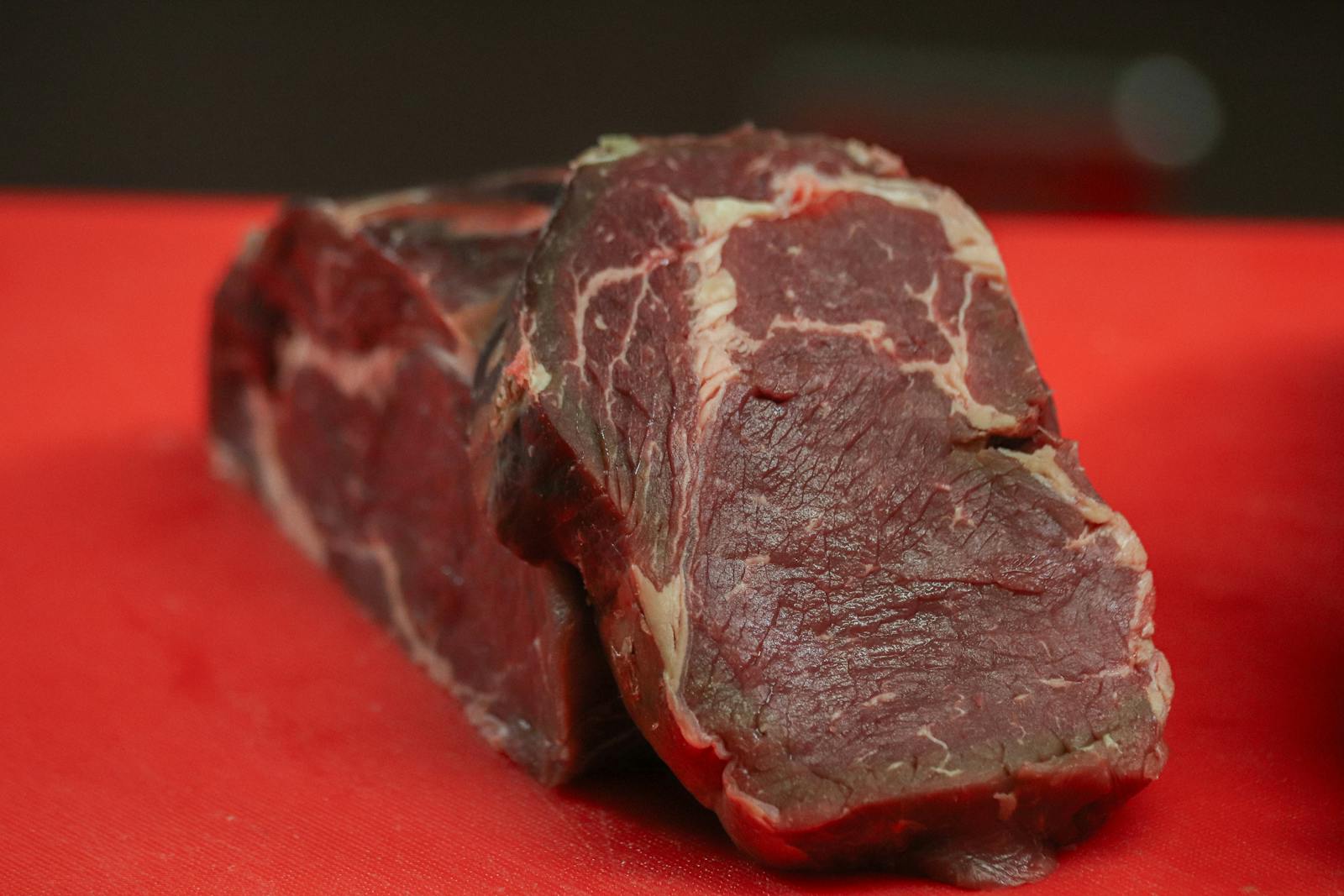
A federal review led by the USDA Food Safety and Inspection Service has placed Blackwing Meats at the center of a nationwide food safety alert, after investigators identified beef and pork products distributed without proper federal inspection, some bearing unauthorized inspection markings. The alert, which spans products sold between April 2024 and March 2026, introduces a critical concern within the broader conversation around food sourcing, transparency, and trust in premium meat labeling.
While no illnesses have been confirmed, the implications extend beyond immediate risk, drawing attention to how regulatory oversight intersects with consumer expectations, particularly in a market where terms like organic, grass-fed, and responsibly sourced carry both economic and cultural weight.
What the USDA Health Alert Means for Consumers
The USDA health alert highlights a specific issue rather than a traditional recall, as the products in question were not voluntarily removed by the producer but instead flagged during an ongoing investigation. According to the USDA Food Safety and Inspection Service, these products may contain undeclared allergens, harmful bacteria, or contaminants due to the absence of proper inspection protocols.
Among the items listed are vacuum-packed cuts such as New York strip steak, ground beef, pork, and stew meat, some of which displayed a false establishment number labeled “EST. 1996” within a counterfeit inspection mark, while others lacked any inspection mark entirely. This distinction is significant, as the USDA inspection seal is a foundational indicator of compliance within the U.S. food system, ensuring that products meet federal safety standards before reaching consumers.
Why Inspection Marks Matter in the Premium Meat Market
In the context of premium and organic meats, inspection markings serve as more than regulatory formalities; they function as a signal of legitimacy in a marketplace built on trust. Brands that position themselves within the organic or specialty category often rely on detailed labeling to communicate sourcing practices, animal welfare standards, and processing integrity.
When those markers are compromised, it disrupts the relationship between producer and consumer, particularly for buyers who prioritize transparency and are willing to pay a premium for it. The presence of unauthorized inspection labels introduces a layer of uncertainty that extends beyond a single brand, prompting broader questions about verification processes within the supply chain.
The Broader Impact on Food Transparency and Industry Standards
This situation arrives at a time when consumer awareness around food sourcing has become increasingly sophisticated, with greater scrutiny placed on labeling accuracy and regulatory compliance. The rise of direct-to-consumer meat brands and specialty producers has expanded choice, but it has also created a more complex landscape where oversight must keep pace with innovation.
Incidents like this reinforce the importance of institutional safeguards, not only to prevent contamination but to maintain confidence in the systems that support food distribution. For retailers and distributors, it also underscores the need for due diligence in sourcing, as reputational risk now extends across the entire supply chain rather than remaining confined to individual producers.
What to Do if You Purchased Blackwing Meats Products
Consumers who may have purchased affected products are advised not to consume them, even in the absence of reported illness, and instead either discard them or return them to the place of purchase. The concern lies not only in potential contamination but in the lack of verified inspection, which removes a critical layer of safety assurance.
For those seeking additional details or clarification, the official guidance and updates can be reviewed directly through the USDA Food Safety and Inspection Service website at https://www.fsis.usda.gov, where the agency provides ongoing information about the investigation and any newly identified products.
A Turning Point for Consumer Awareness
Although this alert does not represent a widespread outbreak, it reflects a moment that may influence how consumers engage with food labeling and sourcing claims moving forward. As expectations around quality and accountability continue to rise, the systems that underpin those expectations are being examined more closely, not only by regulators but by consumers themselves.
In that sense, this is less about a single alert and more about a shift toward heightened vigilance, where trust is increasingly tied to verification, and where informed purchasing decisions play a central role in shaping the future of the food industry.
More from Cultivated Comfort: