Do you love the idea of gardening, but lack the space? The truth is you don’t need much to get started.
Living in an apartment or place without a yard isn’t a limiting factor. In fact, you can convert your balcony into a garden and grow most plant varieties, from fruits and herbs to vegetables and flowers. Balcony gardens are popular among urban dwellers because they’re convenient, not to mention they really brighten up the space. They’re also a fantastic option for people with mobility issues.
Depending on what you choose to grow, a balcony garden can be low-maintenance and easy to start. If you’re wondering where to begin, we’ve got you covered.
Figure Out Your Balcony’s Weight Restrictions
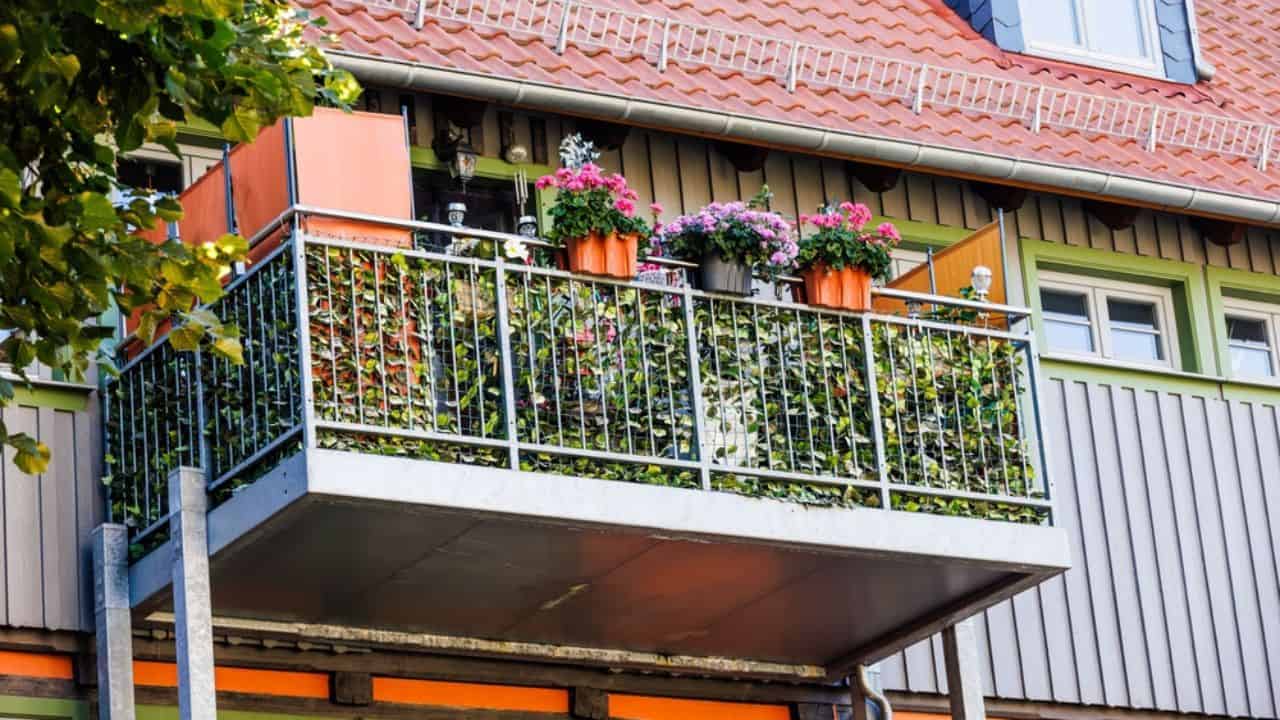
Before embarking on a balcony garden, determine how much weight the balcony can hold per square foot. Then, decide whether or not it can support the amount of planters, soil, and water you intend to use.
Potted plants can get heavy, so if weight is a concern, consider using smaller pots and growing smaller plants.
Sunlight And Water
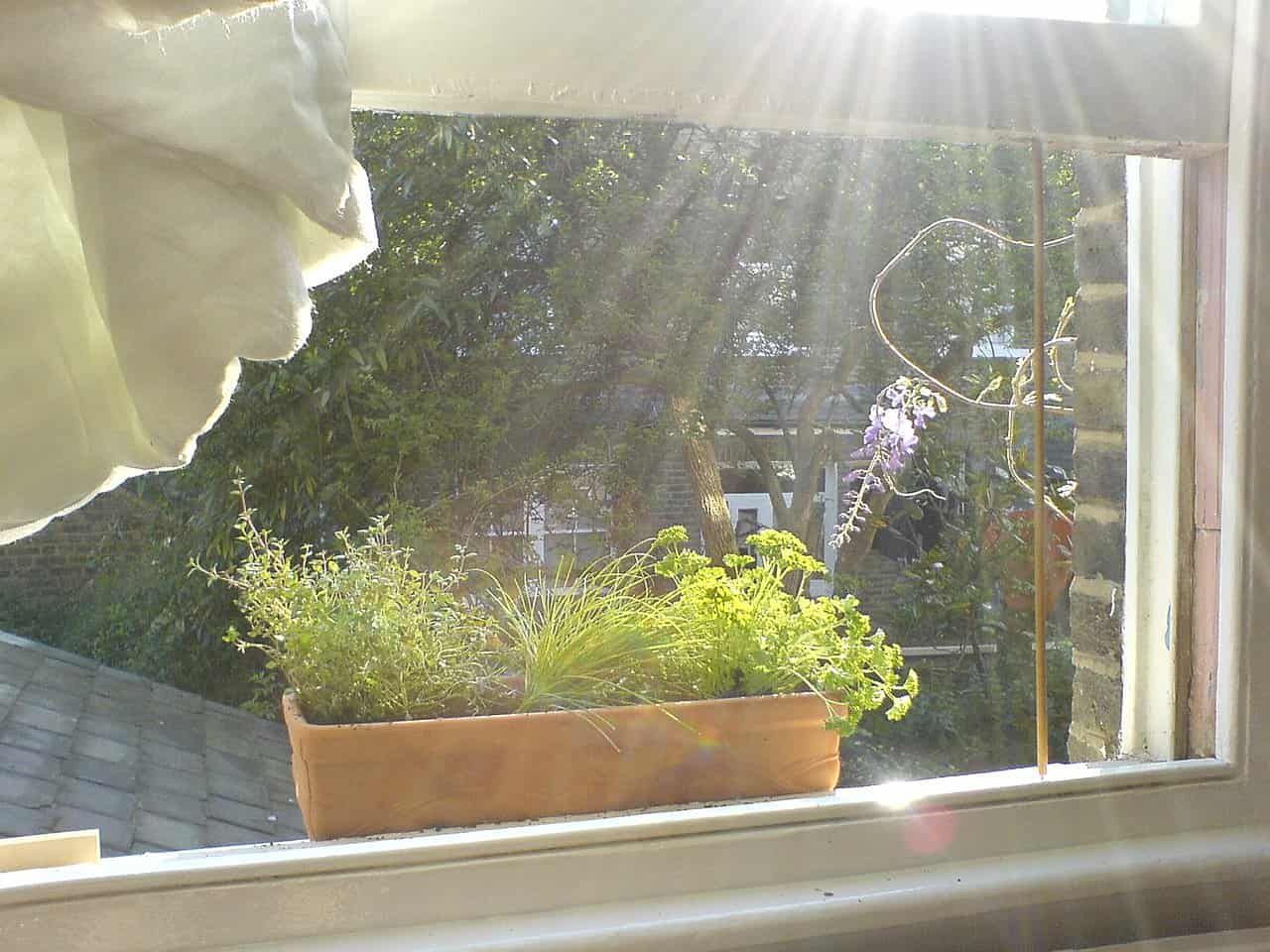
The size and positioning of your balcony will often determine what you can grow. Does it have access to sunlight, and how much does it get daily? Having a water source nearby is also a good thing to consider.
Having a sizeable watering can handy doesn’t hurt either, and you can pick one up for cheap at your local big box store. Understanding your space is vital for the success of your balcony garden.
Choose Suitable Plant Varieties

Some plants need several hours of direct sunlight daily to thrive, while others thrive in partial shade. Figuring this out will help you choose which spot on your balcony is perfect for a particular plant. Most plants you can grow in a container are great candidates for a balcony garden.
However, some plant varieties grow large and take up too much space. Choosing compact varieties allows you to grow more plants without overcrowding your balcony.
Use High-Quality Potting Soil/Mix
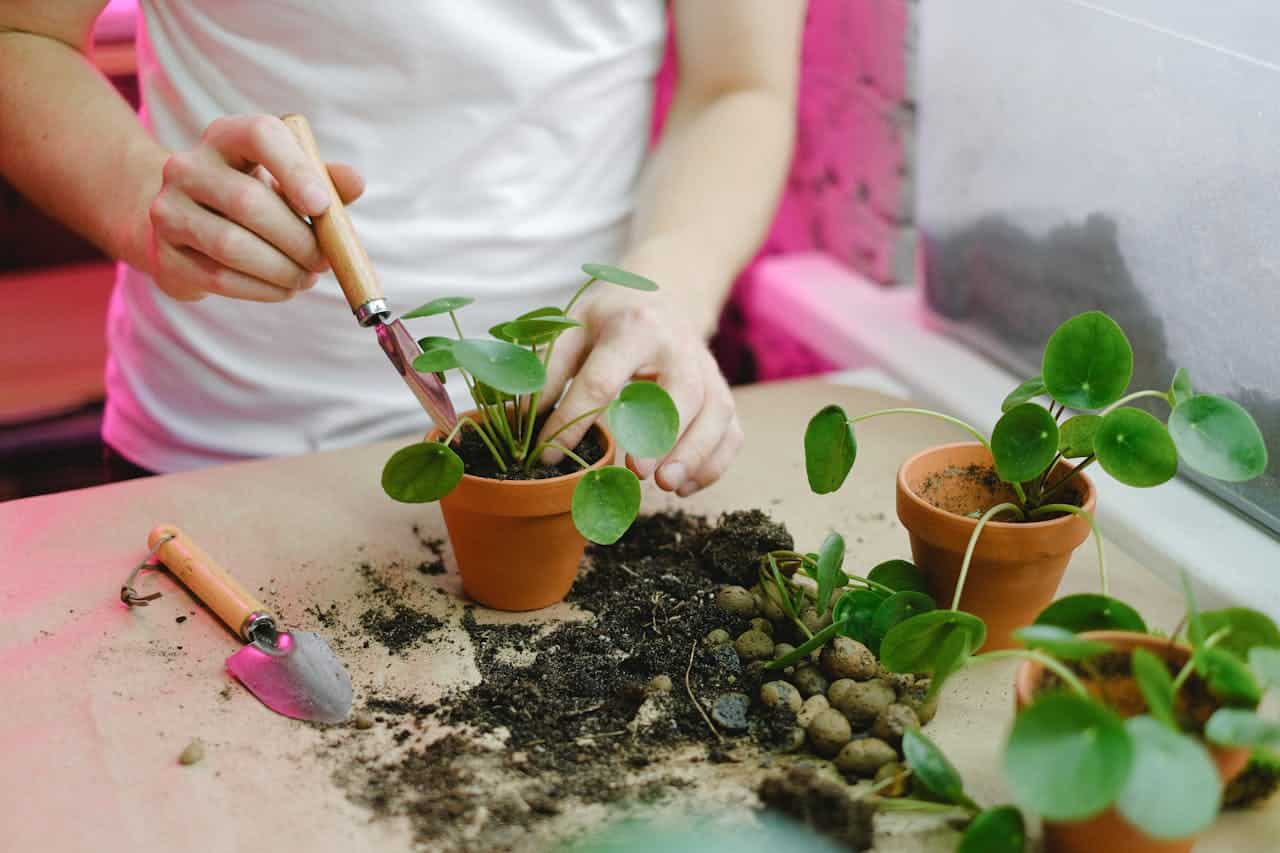
A nutrient-rich potting mix is airy and fluffy, making it an excellent option for your balcony garden. Choose a porous and moist potting soil or mix for proper drainage and healthy root growth.
However, the potting soil shouldn’t be soggy because that can promote root rot and potentially damage the plants.
Consider Vertical Gardening

One of the best ways to maximize space in your balcony garden is to plant things vertically. Build a trellis, hang baskets, or use shelves to grow your plants. This is not only visually pleasing but also improves air circulation.
You can grow most varieties of fruits, Flowers, vegetables, and herbs in your vertical garden. Plants with long branches need support and will need to be tied to a structure. You can grow anything from tomatoes and cucumbers to rosemary and succulents. The options are endless!
Install A Wind Barrier

Depending on your geographical location and landscape, you may need to protect your plants from strong winds by installing a wind barrier. Lattices, trellises, or hardy plants make great windbreakers. You can use the trellises and latices to grow climbing plants and create a green wall.
Aside from transforming your garden into an aesthetically pleasing sanctuary, a living wall also gives you some privacy.
Choose The Right Containers

Plants need containers big enough to support their roots. The right size is big enough for your plants to grow healthy but small enough not to overcrowd your balcony. This is a personal choice, and you can have fun with it.
Pots with draining holes prevent the soil from getting soggy and can prevent root rot. Place saucers and outer containers on your pots to protect your floor and surfaces.
Get Creative

Your garden, your rules. You can follow a theme or mix and match your plants. Growing a little bit of everything is a great way to get the most out of your space. Different types and varieties of plants will add texture and a pop of color to your space.
You can get as creative as possible with your garden; the possibilities are endless. Adding decor that blends well with the plants will make your balcony stand out.
Regularly Check For Pests And Disease

Check your plants regularly for diseases and pests; spotting them early could save them. Certain plants are susceptible to specific diseases and pests. Some signs to look out for are yellow, discolored, or curling leaves.
Don’t overcrowd your plants. Poor air circulation can cause powdery mildew, which thrives in wet or humid conditions.
Maintain Your Garden

Regular maintenance keeps your garden looking tidy. Water, when necessary, prune, trim, and harvest when needed. A small space can easily look overcrowded if it is not regularly maintained. Pinch off dry leaves and deadhead your plants.
Also, prune when required and harvest when the produce is ready. Putting tools away when not in use keeps your balcony uncluttered and helps prevent accidents.
Tool Storage

While you don’t need many tools for your balcony garden, you’ll need things like a hand trowel, hand rake, or pruning sheers. Over time, tools can add up and need a place to be stored. There are other great alternatives if you don’t have a closet to tuck them away in.
Old boxes, cabinets, garbage bags, or ottomans can be used to store tools. You can also repurpose old household items and store them there.
Do It Yourself
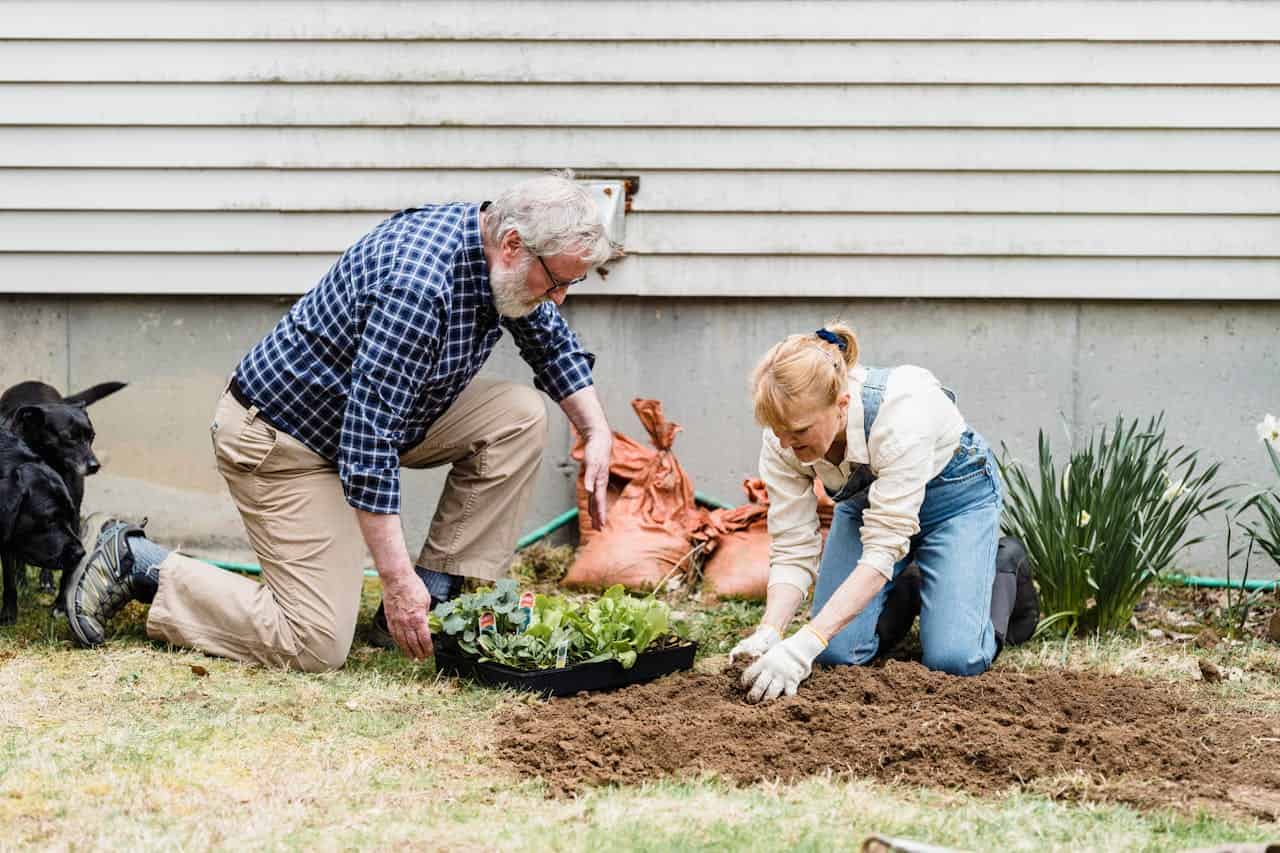
Doing it yourself is a cost-effective way to start your balcony garden. You can hang planters, tie plants to trellises, and assemble furniture yourself. You can lay artificial grass, paint and decorate planters, and install string lights.
You can make DIY milk jug and plastic bottle watering cans. Toilet paper and kitchen towel rolls also make great seed-starting pods.
Add Furniture

If space allows, adding furniture to your balcony garden makes it functional. It becomes a space to enjoy a meal in or relax with a book. Furniture can transform your garden into a homely and relaxing space.
Foldable furniture is an excellent option for limited space and prevents pathways from being blocked on the balcony. You can also opt for furniture with storage to store your tools, pillows, and blankets.
Start Small

Start small if you are still deciding what to plant in your balcony garden, the type of planters to use, or whether a balcony garden is the right option for you. Start with a small selection of plants and take it from there. This will help you to decide whether a balcony garden is for you.
Starting small is also an excellent way to discover what you like and learn your plants’ growing habits before investing more.

As a mom of three busy boys, I know how chaotic life can get — but I’ve learned that it’s possible to create a beautiful, cozy home even with kids running around. That’s why I started Cultivated Comfort — to share practical tips, simple systems, and a little encouragement for parents like me who want to make their home feel warm, inviting, and effortlessly stylish. Whether it’s managing toy chaos, streamlining everyday routines, or finding little moments of calm, I’m here to help you simplify your space and create a sense of comfort.
But home is just part of the story. I’m also passionate about seeing the world and creating beautiful meals to share with the people I love. Through Cultivated Comfort, I share my journey of balancing motherhood with building a home that feels rich and peaceful — and finding joy in exploring new places and flavors along the way.