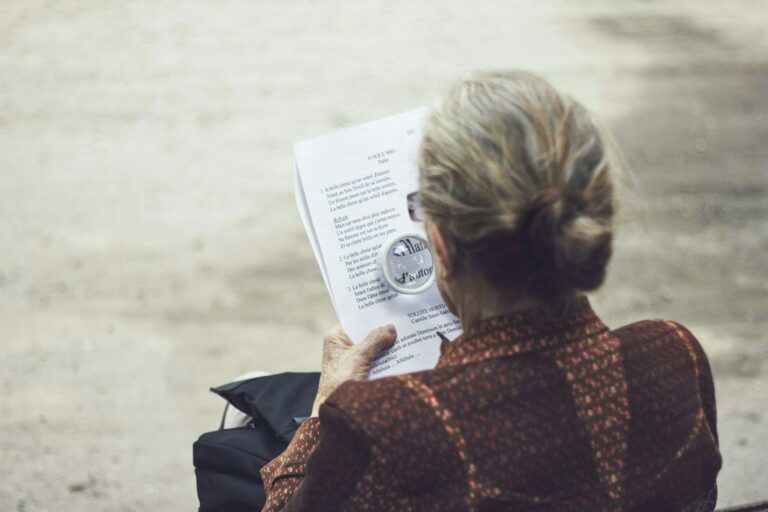

Many baby boomer mothers approached household management with the precision and strategy of a business executive, a trend that has significant implications for family dynamics and modern parenting today. As societal norms shifted throughout the 20th century, these women blended traditional domestic roles with emerging economic realities, ensuring their families thrived in a changing world. Understanding this approach sheds light on how these mothers shaped not only their households but also future generations.
The Rise of the Boomer Mom
Born between 1946 and 1964, baby boomer mothers experienced a unique blend of societal expectations and personal aspirations. The post-World War II era marked a significant shift in family structures and gender roles. While many women were encouraged to be homemakers, an increasing number entered the workforce, creating a dual dynamic of nurturing and professional ambition.
For boomer moms, this juxtaposition often meant developing skills that mirrored those found in the corporate world. They were not just caretakers; they became managers, strategists, and negotiators within their homes. Their ability to juggle multiple responsibilities laid the groundwork for a new model of parenting that emphasized efficiency and organization.
Strategic Household Management
One of the defining characteristics of boomer moms was their approach to household management as a strategic operation. They adopted budgeting techniques typically used in businesses to manage family finances effectively. This included tracking expenses, making financial forecasts, and prioritizing spending based on family needs.
Using tools like spreadsheets and household planners, these mothers ensured that their families operated smoothly. Grocery lists became meticulously planned budgets, and family schedules were crafted like project timelines. This strategic mindset not only kept households running efficiently but also instilled a sense of responsibility and discipline in children.
Time Management and Scheduling
Time management was another crucial area where boomer moms excelled. With many juggling careers and family obligations, they learned to optimize every hour of the day. From coordinating school drop-offs to managing after-school activities, their calendars resembled corporate schedules, filled with appointments, deadlines, and reminders.
These mothers often utilized color-coded planners and scheduling apps to keep track of their families’ busy lives. By treating household responsibilities with the same seriousness as a corporate job, they taught their children the value of time management and the importance of balancing multiple commitments.
Negotiation Skills
Negotiation was a fundamental skill for boomer moms, who often found themselves mediating disputes among siblings or negotiating chores. This experience not only reinforced their authority but also equipped their children with vital life skills. Many boomer moms believed in teaching their kids the importance of compromise and communication, traits that would benefit them in their personal and professional lives.
By fostering an environment where negotiation was encouraged, these mothers created a sense of teamwork within the household. Children learned to voice their opinions and negotiate responsibilities, preparing them for future interactions in various settings, including school and the workplace.
Creating a Legacy of Independence
As they ran their households like businesses, boomer moms also focused on instilling independence in their children. Many encouraged their kids to take on age-appropriate responsibilities, such as budgeting their allowance or planning meals. This practice cultivated a sense of accountability and self-sufficiency that has resonated through generations.
Through structured chores and responsibilities, children learned essential life skills that would serve them well into adulthood. The legacy of these practices can be seen today, as many millennials and Gen Z individuals carry forward the values of hard work, organization, and financial literacy introduced by their boomer mothers.
The Impact on Modern Parenting
The influence of boomer moms is evident in the parenting styles of today. As families face new challenges, including economic pressures and shifting cultural expectations, the lessons learned from these women continue to resonate. Modern parents often combine traditional nurturing roles with business-like efficiency, seeking to create balanced environments for their children.
Moreover, the integration of technology into household management has made it easier for contemporary parents to emulate the strategies pioneered by boomer moms. Digital tools for budgeting, scheduling, and communication have streamlined the process, allowing current parents to maintain the same level of organization and efficiency without the time-consuming methods of the past.

As a mom of three busy boys, I know how chaotic life can get — but I’ve learned that it’s possible to create a beautiful, cozy home even with kids running around. That’s why I started Cultivated Comfort — to share practical tips, simple systems, and a little encouragement for parents like me who want to make their home feel warm, inviting, and effortlessly stylish. Whether it’s managing toy chaos, streamlining everyday routines, or finding little moments of calm, I’m here to help you simplify your space and create a sense of comfort.
But home is just part of the story. I’m also passionate about seeing the world and creating beautiful meals to share with the people I love. Through Cultivated Comfort, I share my journey of balancing motherhood with building a home that feels rich and peaceful — and finding joy in exploring new places and flavors along the way.