As meal kit subscriptions become increasingly popular, many customers are expressing dissatisfaction with their experiences, citing high costs, food waste, and unmet expectations. This trend, affecting thousands of households across the country, raises questions about the sustainability of the meal kit industry and its long-term value for consumers. With more people reevaluating their choices, the future of these gourmet meal kits may be in jeopardy.
The Allure of Convenience and Variety
Meal kits initially gained traction due to their promise of convenience and culinary exploration. Companies like Blue Apron, HelloFresh, and Green Chef marketed their products as a way for busy individuals and families to enjoy home-cooked meals without the hassle of grocery shopping or meal planning. For many, the idea of receiving pre-measured ingredients and chef-designed recipes was an enticing solution to the daily struggle of deciding what to eat.
However, the novelty appears to be wearing off. A growing number of consumers report that the excitement of trying new recipes quickly diminishes when faced with mounting costs and the reality of food waste. A survey conducted by Meal Kit Insider revealed that nearly 60% of former meal kit subscribers cite financial burden as their primary reason for canceling their services.
High Costs and Budget Constraints
One of the most significant drawbacks of meal kits is their price tag. On average, a weekly meal kit can cost between $60 to $120 for a family of four, depending on the service and meal choices. As inflation continues to strain household budgets, many families are finding it increasingly difficult to justify spending on these premium meal kits.
In light of rising costs, consumers are reassessing their spending habits. Many families are opting for more traditional grocery shopping, which allows for greater flexibility and potential savings. “I realized I could buy the same ingredients at the store for a fraction of the price, and I wouldn’t have to worry about throwing away unused food,” shared Sarah Thompson, a former meal kit subscriber from Denver.
Food Waste Dilemma
Another pressing issue associated with meal kits is food waste. Many subscribers report receiving ingredients that they cannot use before their expiration dates, leading to uneaten food being discarded. This problem stems from the meal kit companies’ attempts to provide a variety of meals, often resulting in an excess of perishable items.
Statistics highlight the severity of this issue, with a study from the Natural Resources Defense Council estimating that around 30-40% of the food supply in the United States is wasted. Meal kits, while designed to minimize time spent on meal planning, may inadvertently contribute to this alarming trend. Environmental advocates are calling for greater accountability from these companies to address their role in food waste.
Expectations vs. Reality
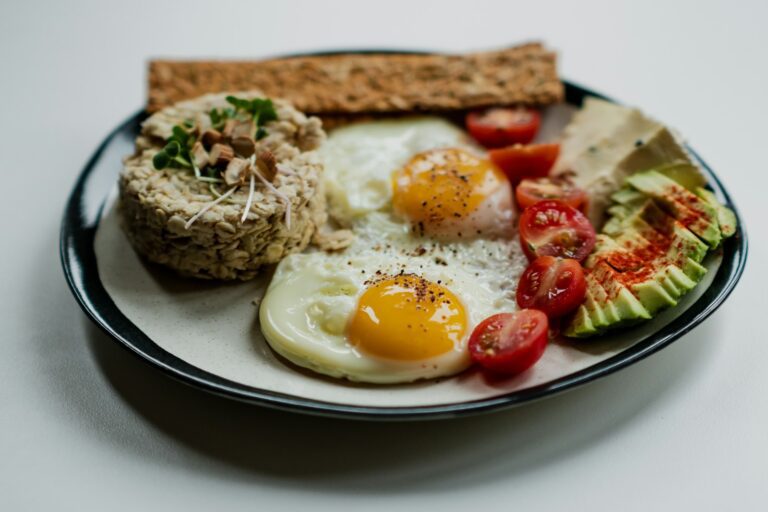
Many customers have also found that the meals they receive do not always meet their expectations. While the marketing materials often showcase beautifully plated dishes, the reality can be less appealing. Some subscribers report difficulty in recreating the meals as depicted, leading to disappointment when the food does not taste as good as anticipated.
This mismatch between expectation and reality can be disheartening, especially for those who may lack culinary experience. “I thought I could cook like a pro, but the meals were just too complicated, and I often ended up frustrated,” said John Miller, who canceled his meal kit subscription after just three months. Such experiences have prompted consumers to question the value of these services, particularly if they are not achieving the desired culinary results.
Shifting Priorities and Lifestyle Changes
The COVID-19 pandemic significantly altered many people’s eating habits and routines. As lockdowns forced families to cook at home more often, meal kits enjoyed a surge in popularity. However, as life returns to a semblance of normalcy, many consumers are reverting to simpler, more cost-effective meal solutions.
For some, the novelty of meal kits has worn off, replaced by a preference for quick and easy meals that still provide nutrition without the hefty price. “I’ve started to embrace the simplicity of one-pot meals and leftovers instead,” said Emily Chang, a mother of two. This shift in consumer priorities is prompting meal kit companies to reevaluate their offerings and consider more affordable options to retain customers.
The Future of Meal Kits
As the market for meal kits becomes increasingly competitive, companies are facing pressure to adapt to changing consumer sentiments. Some are responding by introducing more affordable meal options, promoting sustainable practices, and addressing food waste issues. Others are rebranding to emphasize convenience without compromising quality.

As a mom of three busy boys, I know how chaotic life can get — but I’ve learned that it’s possible to create a beautiful, cozy home even with kids running around. That’s why I started Cultivated Comfort — to share practical tips, simple systems, and a little encouragement for parents like me who want to make their home feel warm, inviting, and effortlessly stylish. Whether it’s managing toy chaos, streamlining everyday routines, or finding little moments of calm, I’m here to help you simplify your space and create a sense of comfort.
But home is just part of the story. I’m also passionate about seeing the world and creating beautiful meals to share with the people I love. Through Cultivated Comfort, I share my journey of balancing motherhood with building a home that feels rich and peaceful — and finding joy in exploring new places and flavors along the way.