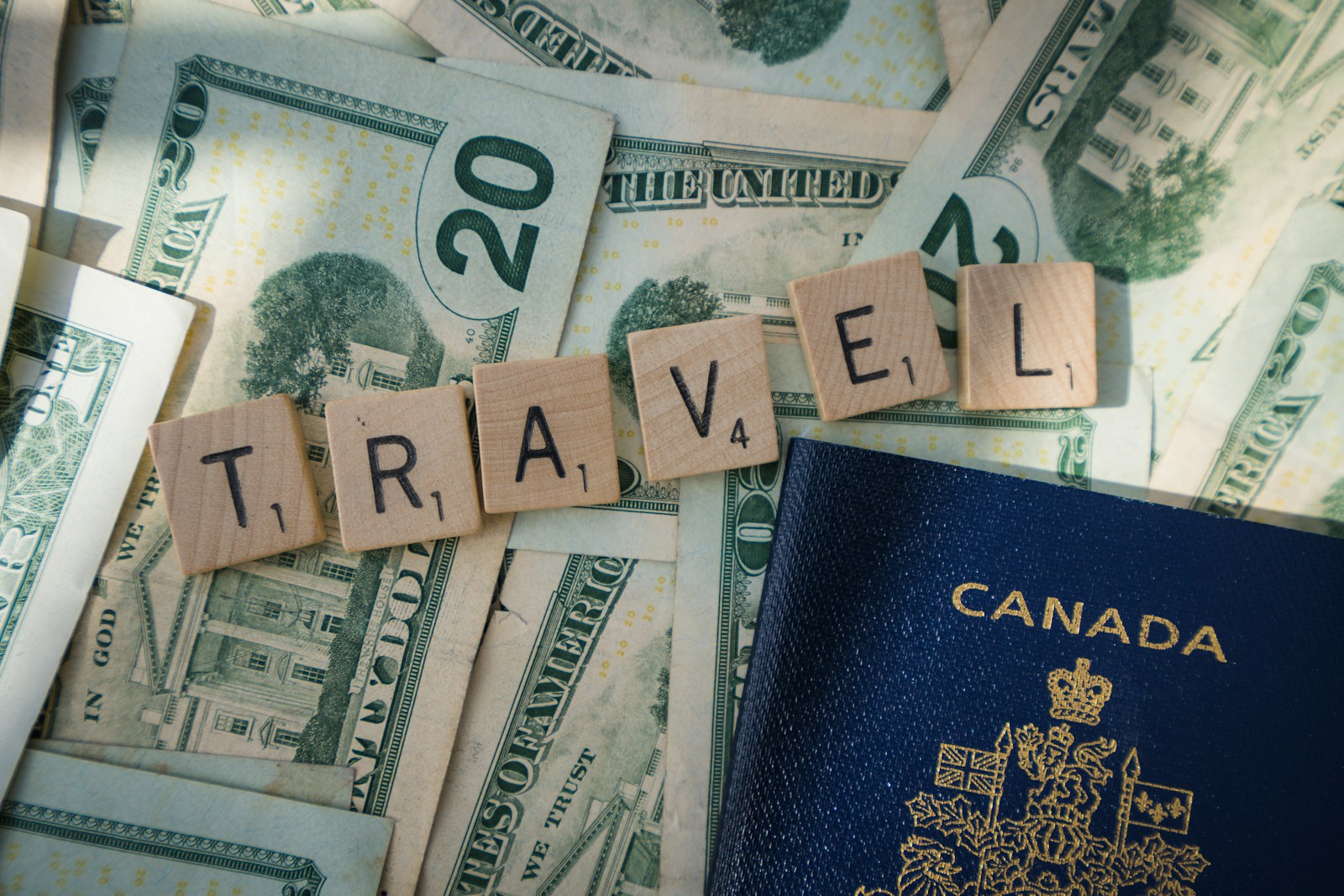
Despite rising costs and financial uncertainty, a growing number of Gen Z individuals are opting for vacations and travel experiences that strain their finances. This trend is significant as it highlights the generational shift in priorities, with many young adults valuing experiences over savings, often leading to long-term financial challenges.
The Rise of the Experience Economy
For many Gen Zers, travel has become more than just a leisure activity; it is seen as a vital component of personal growth and social connection. According to a recent survey by Morning Consult, nearly 70% of Gen Z respondents stated that they prioritize experiences over material possessions. This perspective is often shaped by social media, where influencers and peers showcase their travel adventures, creating a pressure to participate.
Financial Realities and Budgeting Challenges
While the desire to travel is strong, many young adults are grappling with financial realities that make it difficult to afford these trips. Student loan debt, rising housing costs, and stagnant wages are significant hurdles. A report from the Federal Reserve revealed that nearly 40% of Gen Z respondents live paycheck to paycheck, yet many still make the choice to spend on travel.
Travel companies have also adapted to this trend by offering more flexible payment plans and enticing promotions, making it easier for young travelers to book trips despite tight budgets. However, this can lead to a cycle of debt as individuals struggle to pay off their travel expenses alongside their other financial obligations.
The Impact of Social Media
Social media plays a crucial role in influencing travel decisions among Gen Z. Platforms like Instagram and TikTok are flooded with travel content, creating a perception that travel is not only achievable but also essential for a fulfilling lifestyle. The fear of missing out (FOMO) drives many young people to book trips, often without fully considering the financial implications.
Additionally, social media often presents a curated version of travel, where influencers showcase luxurious accommodations and exotic locations, leading to unrealistic expectations. This phenomenon can pressure Gen Z to keep up with their peers, sometimes resulting in decisions that could jeopardize their financial stability.
Seeking Instant Gratification
The desire for immediate satisfaction is another driving force behind Gen Z’s travel habits. Many young adults grew up in a fast-paced digital world where instant gratification is the norm. This mindset can lead them to prioritize short-term happiness, such as a vacation, over long-term financial health.
Experts caution that this approach can have significant consequences. Financial advisors often recommend prioritizing savings and budgeting for large purchases, including travel. However, the allure of a spontaneous getaway can easily overshadow these practical considerations.
Community and Cultural Influences
Travel is often seen as an opportunity for personal development and cultural exchange. Many Gen Z individuals believe that experiencing new cultures enhances their understanding of the world and fosters personal growth. This cultural perspective can make it easier for them to justify spending money on travel, even when it stretches their budgets.
Moreover, travel can provide a sense of community and belonging, especially for those who have faced challenges such as isolation during the pandemic. Engaging in group trips or shared experiences can strengthen friendships and create lasting memories, which many young adults deem invaluable.
Finding a Balance
As the trend of booking unaffordable trips continues, many financial experts urge Gen Z to seek a balance between their travel aspirations and financial responsibilities. Setting realistic budgets, planning trips well in advance, and considering alternative, budget-friendly destinations can help mitigate financial strain.
Additionally, some financial advisors recommend prioritizing experiences that are meaningful yet affordable. This could include local travel or weekend getaways that allow for exploration without the burden of significant costs. Such strategies can enable young travelers to enjoy the benefits of travel while maintaining financial health.
Conclusion
Gen Z’s passion for travel reflects a broader cultural shift toward valuing experiences over material goods. While the desire to explore and connect can lead to enriching experiences, it is essential for young adults to navigate this passion with careful financial planning. As they continue to book trips they can’t afford, finding ways to align their travel dreams with their financial realities will be crucial for their long-term stability.

As a mom of three busy boys, I know how chaotic life can get — but I’ve learned that it’s possible to create a beautiful, cozy home even with kids running around. That’s why I started Cultivated Comfort — to share practical tips, simple systems, and a little encouragement for parents like me who want to make their home feel warm, inviting, and effortlessly stylish. Whether it’s managing toy chaos, streamlining everyday routines, or finding little moments of calm, I’m here to help you simplify your space and create a sense of comfort.
But home is just part of the story. I’m also passionate about seeing the world and creating beautiful meals to share with the people I love. Through Cultivated Comfort, I share my journey of balancing motherhood with building a home that feels rich and peaceful — and finding joy in exploring new places and flavors along the way.