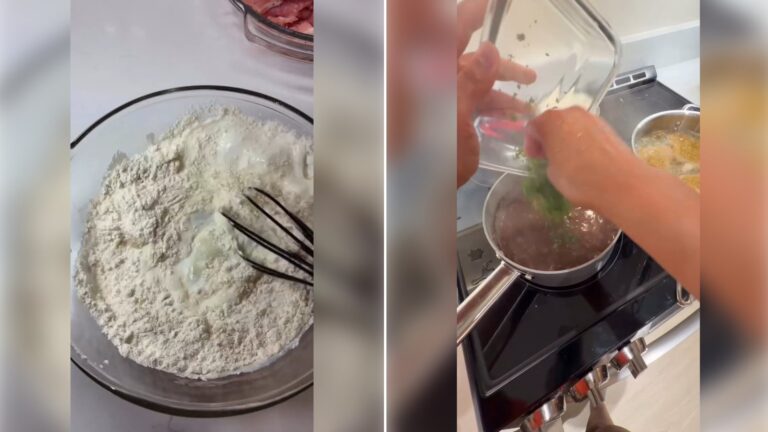
Some meals are saved for holidays, and some are saved for the people who make an ordinary Sunday feel like one. When her mom asked for a brisket that usually only comes out at the holidays and said she wanted to spend the night for the weekend, one home cook did not hesitate. She pulled out the Dutch oven, and the whole house smelled like a special occasion.
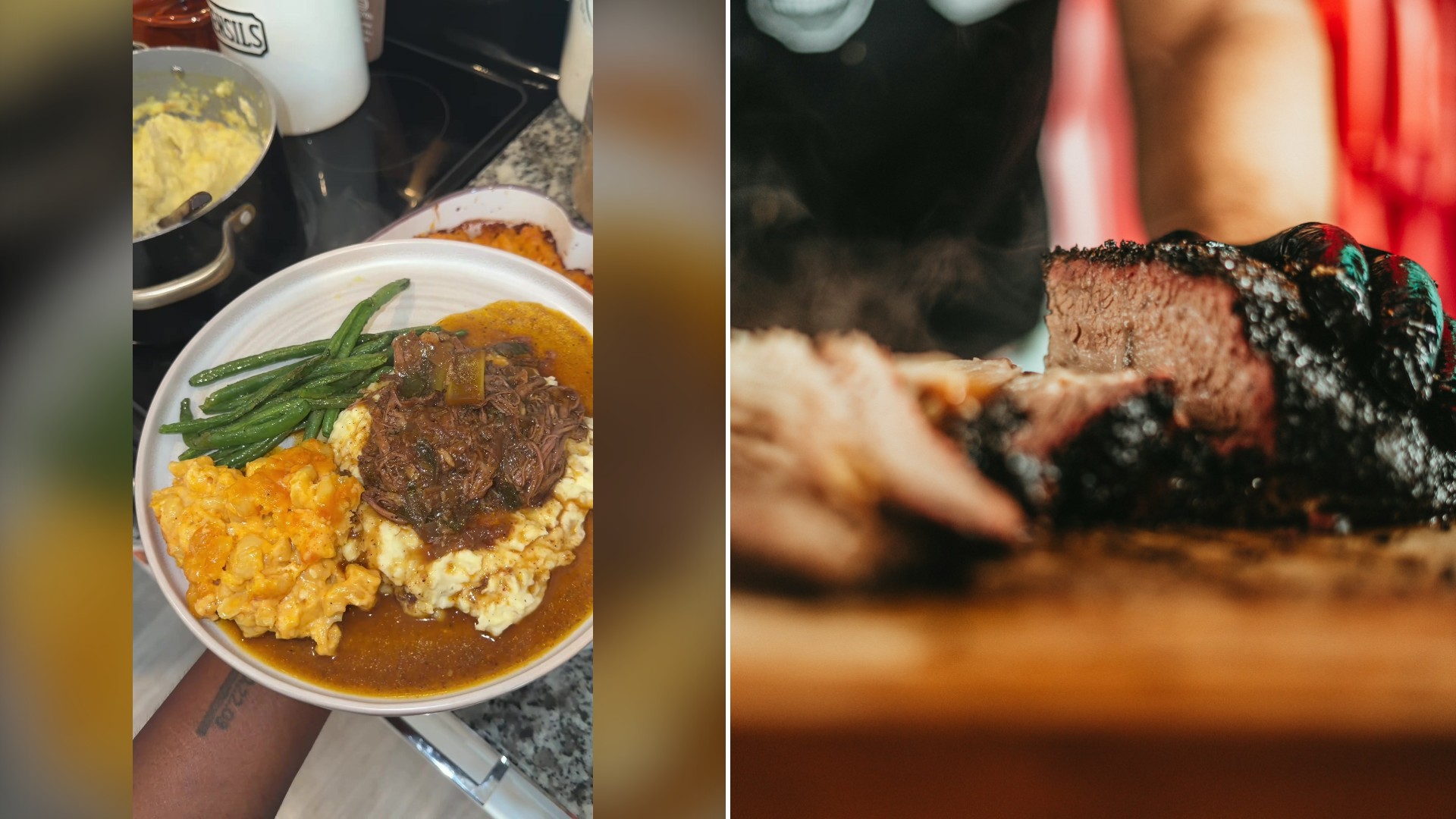
The cook is @kendriyanawilson, and she walks through the entire Sunday dinner in her fall decorated kitchen, from sauteed leeks to a bubbling tray of macaroni and cheese. Here is how it came together.
@kendriyanawilson
The brisket, braised low and slow
She starts with a bright orange Dutch oven. First she chops leeks and a sweet onion and sautes them for about ten minutes until they have a little caramelization. While they cook, she seasons the brisket with salt, pepper, garlic powder, paprika and a French onion seasoning, then sears it for about five minutes on the leeks. She explains that she buys one large brisket at a warehouse store and splits it into four meals, so this dinner uses a quarter of it.
The braising liquid is two cups of water, two cups of red wine (she used Pinot Noir) and one packet of au jus gravy mix. That goes into the pot with two large diced carrots, two diced celery stalks, one whole head of garlic, and a little drizzle of honey. The pot is covered and goes into a 300 degree oven. Her rule is one to one and a half hours per pound, so hers cooked for three and a half hours.
The holiday mac and cheese
The side dish is what she calls her holiday mac and cheese. She shreds three cheeses, sharp cheddar, mozzarella and gouda. The sauce starts with one cup of milk, one cup of heavy whipping cream and four ounces of cream cheese. The cheese goes in and cooks low and slow, because, as she warns, nothing is more devastating than a curdled cheese sauce. Seasonings are dried mustard powder, black pepper, paprika and garlic powder, and she skips the salt because cheese is already salty.
She folds boiled macaroni into the sauce, and she admits it does not look creamy at first, but it gets creamy in the oven. She layers it in a pumpkin shaped dish with extra cheese between the layers and bakes it at 350 degrees for 30 to 35 minutes.
The garlic that makes the dish
When the brisket comes out, she pops the soft roasted garlic cloves out of their skins and rubs them over the meat before shredding it with forks. She says this is why the garlic is essential, since it takes the flavor to the next level. The plate is finished with sour cream mashed potatoes, green beans, a spoon of au jus and the macaroni. Her verdict is that it was one of the best Sunday dinners they had had in a long time, and that when her mom calls and wants to spend the weekend, that is a special occasion.
Why braising works for tough cuts
Brisket is a hardworking muscle full of connective tissue, which is why it needs long, gentle cooking in liquid. Over several hours at a low temperature, the collagen breaks down into gelatin, and the meat becomes tender and juicy. Many cooks look for an internal temperature somewhere around 195 to 205 degrees Fahrenheit and judge doneness by how easily a fork slides in. Keeping the pot covered traps moisture, and resting the meat before shredding keeps the juices in.
- Sear first. Browning builds flavor that carries through the braise.
- Keep the liquid below the top. The meat should be partly submerged, not swimming.
- Shred against the grain. It makes each bite more tender.
- Save the juices. The braising liquid makes an excellent sauce.
Keeping cheese sauce smooth
Her warning about curdling is well founded. High heat can cause the proteins and fats in cheese to separate, leaving a grainy or oily sauce. Melting the cheese gradually over low heat, and shredding it yourself instead of using pre shredded cheese that is coated to prevent clumping, gives a smoother result. Cream cheese adds body and helps hold everything together. Slightly undercooking the pasta also helps, because the noodles keep absorbing sauce in the oven.
Common questions
Can I make the brisket ahead? Yes. Braised meat is often even better the next day. Refrigerate it in its liquid and reheat gently.
What if I do not use wine? Beef broth is a common substitute and still gives the liquid depth.
How do I store leftovers? Refrigerate within two hours and eat within three to four days, reheating to 165 degrees Fahrenheit.
The takeaway
A holiday meal does not have to wait for the calendar. When someone you love asks for a favorite dish and wants to spend time at your table, that is reason enough to make the good brisket. Take the time, add the extra garlic and enjoy the company.
Credit for the original post goes to @kendriyanawilson on TikTok.