Owning less is often associated with simplicity, but in some spaces, it’s also tied to refinement. In a TikTok video, @ladyblue_official shares a list of things she deliberately chooses not to own, presenting it as part of her approach to luxury minimalism. The focus isn’t on cutting back for the sake of it, but on being intentional about what stays and what doesn’t.
That framing shifts minimalism away from restriction and toward identity. It suggests that elegance can come from restraint, where the absence of certain items says just as much as the presence of others. Instead of chasing trends or accumulating more, the emphasis is placed on curation. The result is a lifestyle that feels considered rather than excessive.
What the Video Shows
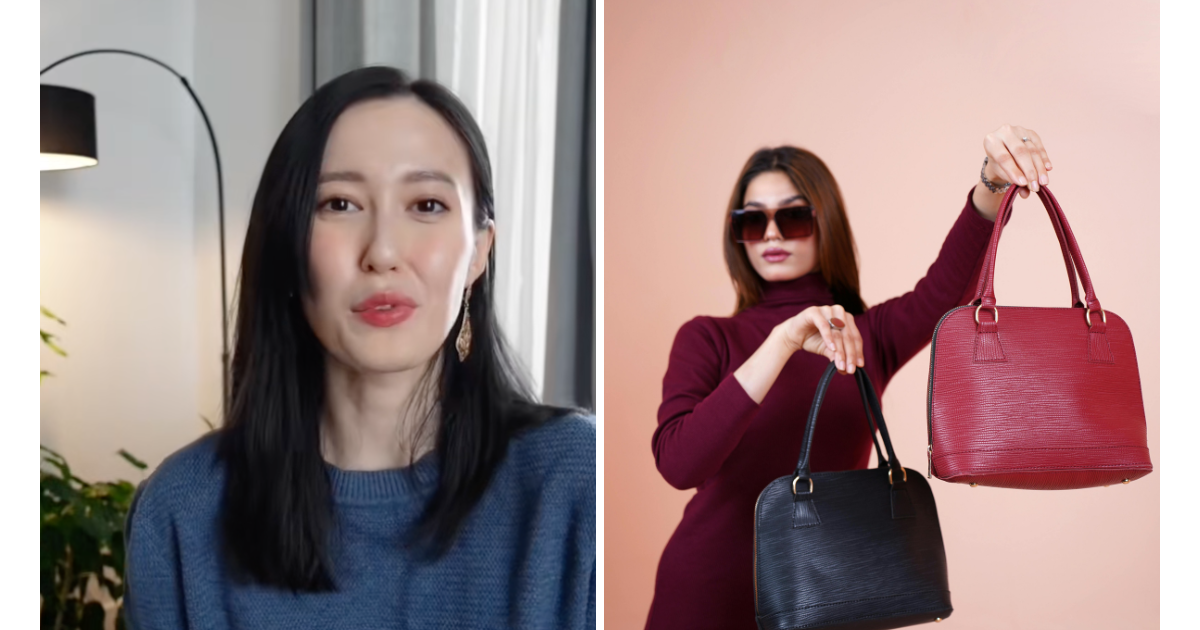
In the video, she introduces the idea of “useless things” she doesn’t own, using it as a way to highlight her personal standards for what adds value. The list itself is less important than the reasoning behind it. Each item represents something she has chosen to exclude rather than automatically include.
She explains that minimalism, in her view, is not about having the bare minimum. It’s about removing what feels unnecessary so that what remains feels more aligned with her lifestyle. That approach gives her space to focus on quality over quantity.
The tone is reflective rather than strict. She doesn’t present her choices as rules for everyone, but as an example of how someone might think differently about consumption. That openness makes the message feel more like an invitation than a directive.
Why Not Owning Things Can Signal Taste
Choosing not to own something can carry meaning, especially in environments where consumption is often visible. The absence of clutter, excess, or trend-driven items can signal a level of selectiveness that people associate with refinement. It suggests that decisions are being made with intention rather than impulse.
This idea connects to broader patterns in Sociology, where consumption is often linked to identity and cultural capital. What people choose to buy, or avoid buying, can reflect their values, priorities, and sense of belonging within certain spaces.
In this context, minimalism becomes less about having less and more about choosing well. It’s not the number of items that matters, but how those items align with a particular standard or aesthetic.
How Luxury Minimalism Differs from Regular Minimalism
Traditional minimalism often focuses on reducing clutter or simplifying life. Luxury minimalism, as described in the video, adds another layer by tying those choices to elegance and presentation. It’s not just about function, but about how things look and feel.
This approach places emphasis on timelessness rather than trends. Items are selected for their longevity, quality, and ability to fit seamlessly into a curated space. The goal is not to eliminate everything, but to ensure that everything serves a purpose.
That distinction makes the concept more aspirational. It connects minimalism to a sense of refinement, where restraint becomes part of the overall aesthetic rather than a purely practical choice.
Why This Perspective Feels Relevant
The idea resonates because it aligns with a growing shift away from overconsumption. More people are questioning whether owning more actually adds value, or if it simply adds noise. This has led to increased interest in approaches that prioritize intention over accumulation.
At the same time, the rise of quiet luxury has made subtlety more appealing. Instead of visible displays of wealth, there is more focus on understated choices that signal taste in less obvious ways. Minimalism fits naturally into that shift.
The video captures that balance by showing how personal standards shape what someone chooses to keep. It doesn’t present minimalism as a sacrifice, but as a way to refine everyday living.
Would You Choose to Own Less on Purpose?
The idea of not owning certain things can feel freeing for some and unnecessary for others. It depends on how someone defines value and what they want their environment to reflect. For those drawn to simplicity, it can create a sense of clarity and focus.
For others, holding onto more items may feel just as valid, especially if those items serve a purpose or bring comfort. The difference lies in whether the choice is intentional or automatic. That awareness is what shapes the outcome.
So the question becomes one of perspective. Would you start seeing what you don’t own as part of your personal style, or would you rather focus on what you do have?
More from Cultivated Comfort:
- 7 Vintage Home Items From the ’60s That Are Collectors’ Dream Finds
- 7 Vintage Home Goods That Became Collectors’ Gold
- 7 Fast-Food Chains That Changed for the Worse
- 7 Frozen Dinners That Were Better Back in the Day

As a mom of three busy boys, I know how chaotic life can get — but I’ve learned that it’s possible to create a beautiful, cozy home even with kids running around. That’s why I started Cultivated Comfort — to share practical tips, simple systems, and a little encouragement for parents like me who want to make their home feel warm, inviting, and effortlessly stylish. Whether it’s managing toy chaos, streamlining everyday routines, or finding little moments of calm, I’m here to help you simplify your space and create a sense of comfort.
But home is just part of the story. I’m also passionate about seeing the world and creating beautiful meals to share with the people I love. Through Cultivated Comfort, I share my journey of balancing motherhood with building a home that feels rich and peaceful — and finding joy in exploring new places and flavors along the way.