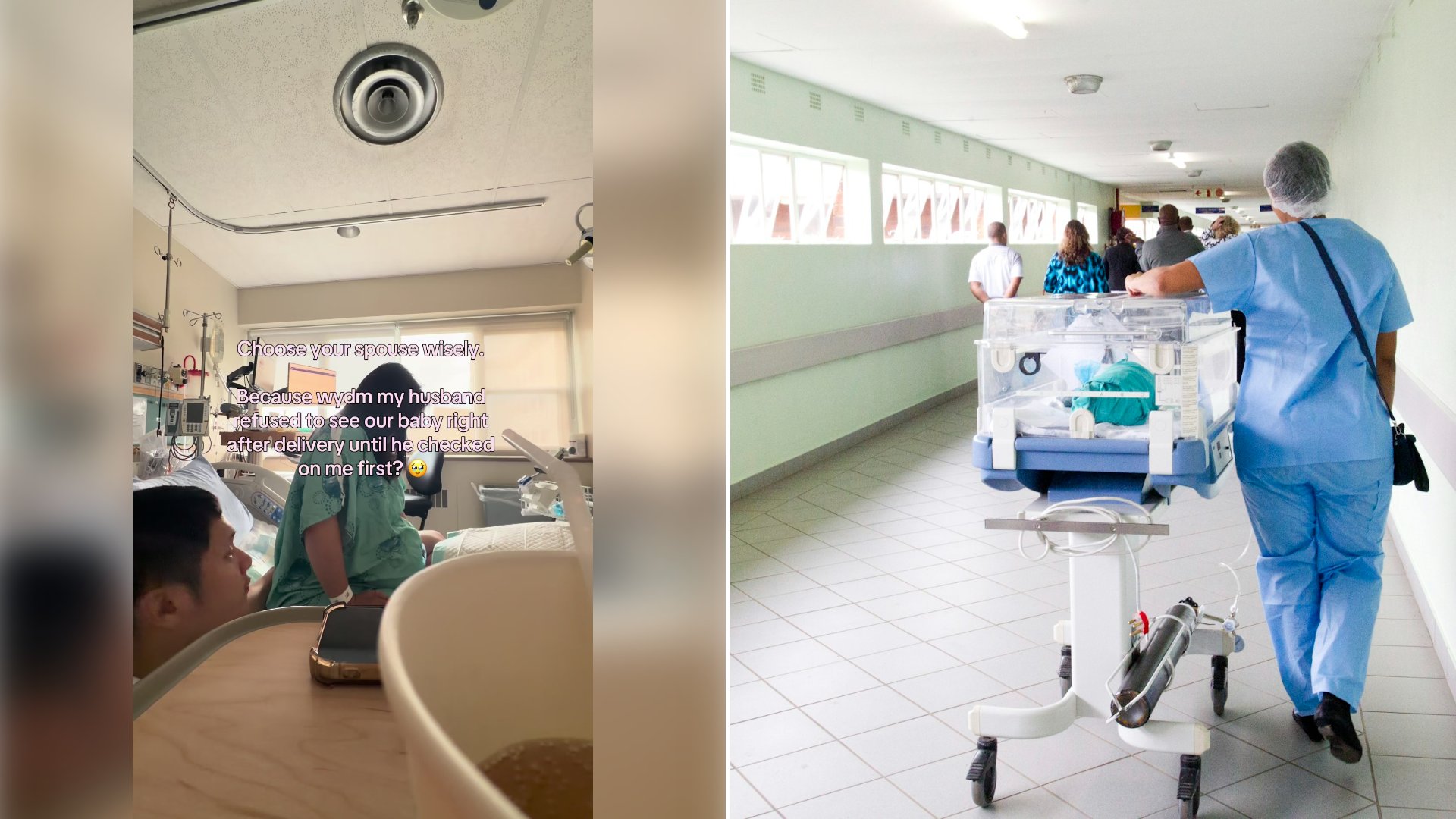
“I wanted to check on Kristine first.” According to Kristine Sanchez, that is what her husband told the doctor who asked, right after she gave birth, whether he wanted to go and see their baby. She shared the moment in a 14 second TikTok posted on September 19, 2026 by @krstnsnchzz.
There is no talking in the clip. The text on screen does the telling: “Choose your spouse wisely. Because wydm my husband refused to see our baby right after delivery until he checked on me first?”
Her caption fills in the exchange. “When the doctor asked him if he wanted to go see our baby, and he politely said, ‘I wanted to check on Kristine first.’” She closes it with “I’m too soft for this!”
Why the Mother’s Recovery Deserves Attention Too
The days and months after birth carry real risk for mothers. In data from Maternal Mortality Review Committees in 36 states for 2017 to 2019, the U.S. Centers for Disease Control and Prevention found that among pregnancy related deaths with timing information, 22 percent happened during pregnancy, 25 percent happened on the day of delivery or within 7 days after, and 53 percent happened between 7 days and 1 year after pregnancy. The CDC reported that more than 80 percent of those deaths were preventable.
The baby’s first hour has its own priorities. The World Health Organization lists immediate skin to skin contact and early initiation of breastfeeding within the first hour among its essential newborn care recommendations, and calls for an examination of the newborn’s general health, including activity, color and breathing, within 24 hours after birth.
If You Are the Partner in the Delivery Room
Talk about the first minutes before the due date. Decide together whether you will go to the baby when asked, stay at her side, or move between the two, so nobody has to work it out in the moment.
Ask her directly, the way this husband did. A simple “How are you doing?” to the person who just gave birth, before the photos and the phone calls, is the whole gesture in her post.
Keep checking after the hospital. Because the CDC found that more than half of pregnancy related deaths with timing information happened between a week and a year after pregnancy, the checking in her video matters for months, not minutes. Learn the warning signs her care team gives at discharge, write down who to call, and ask how she is feeling, in mood as well as body, every day.
If she brushes off a symptom, back her up. Call the number on the discharge papers with her, and go with her to the follow up appointment so there is a second set of ears.
More from Cultivated Comfort
- Husband Reaches Into the Backseat to Hand Over Yellow Roses Following a Longtime Family Tradition as She Realizes in Real Time That the Flowers Mean She’s Pregnant
- Husband Wakes His Wife Up at 4AM and Tells Her They’re Leaving for Costa Rica in Three Hours to Turn Her Whole Week Around
- Wife Films Her Husband Completely Unbothered on the Couch to Show Exactly How Differently They Handle Anxiety