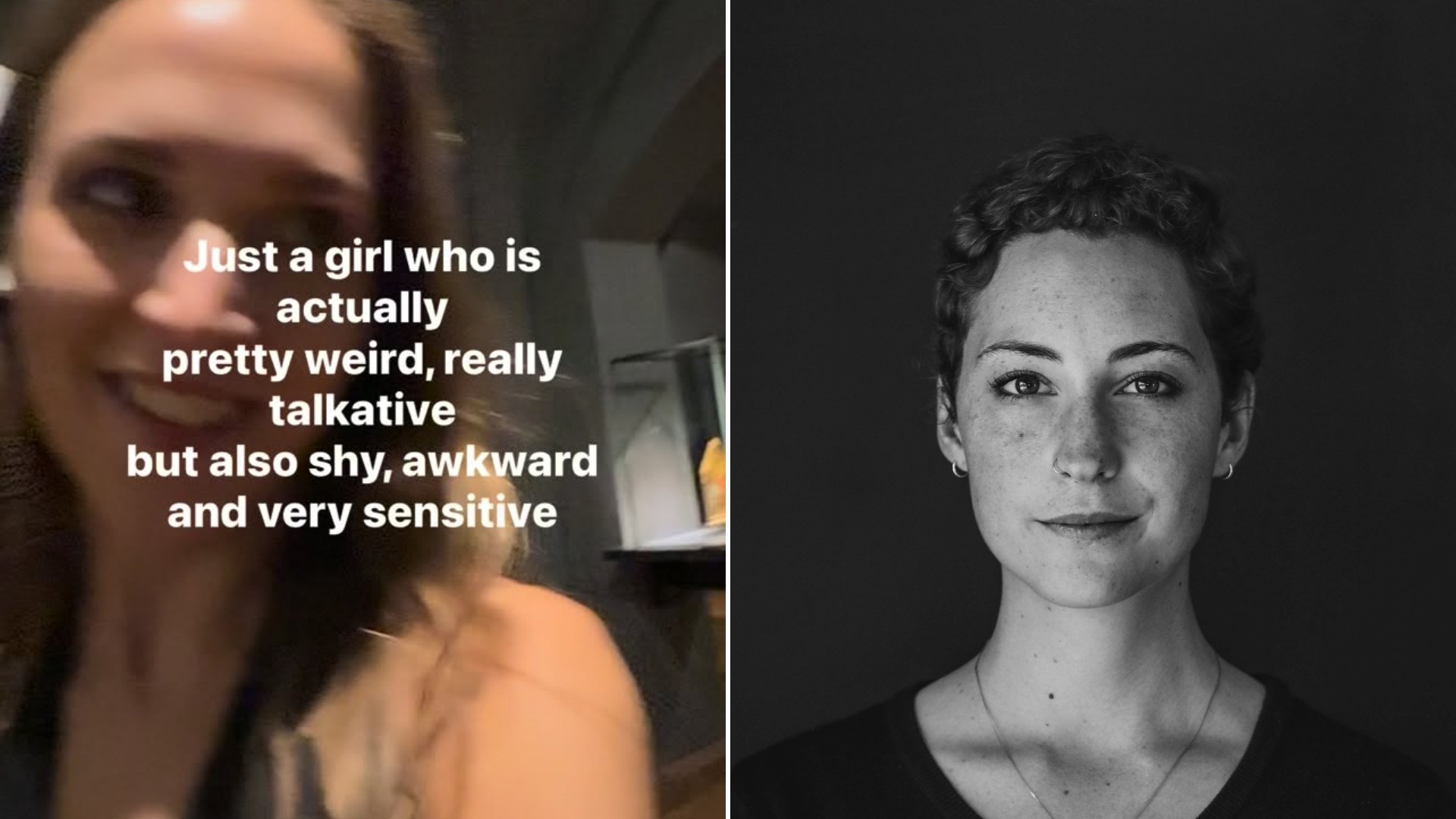
Shot in low, intimate lighting, this video takes on a more reflective tone than most self-aware personality content, as the creator sits quietly and lists out the self-deprecating comments she apparently makes about herself constantly, without even realizing it until recently.
There’s a kind of vulnerability in how matter-of-factly she delivers the list. These aren’t dramatic confessions; they’re small, habitual phrases, the kind of thing said so automatically that it takes real self-reflection to even notice the pattern, which is exactly what gives the video its weight.
This kind of content resonates because it touches on something widely recognized but rarely examined closely: how normalized casual self-criticism has become in everyday speech. Phrases that sound harmless or even self-aware in the moment, the jokes made at one’s own expense, the automatic downplaying of accomplishments, often reveal a deeper pattern of internalized self-doubt once laid out together.
There’s real psychological grounding behind why this kind of content strikes a nerve. The language people use about themselves, even in jest, can meaningfully shape self-perception over time, and naming a pattern of habitual self-deprecation out loud is often the first step toward actually changing it.
The dim, quiet setting of this video is doing real work too, stripping away any sense of performance or polish and signaling that this is meant as genuine reflection rather than entertainment. That tonal choice matters, since the same content delivered with upbeat music or a bright, cheerful setting would land very differently.
This genre of quiet self-awareness content has grown steadily as audiences increasingly seek out validation and language for internal patterns they’ve noticed in themselves but never fully articulated. Watching someone else name a specific, relatable habit, like reflexive self-deprecation, often gives viewers the vocabulary to recognize the same pattern in their own speech.
It’s also worth noting how differently this register of content performs compared to more comedic self-deprecating humor elsewhere on the platform. Here, the self-deprecation itself is the subject being examined, rather than the comedic device being used, which shifts the tone from entertainment toward something closer to gentle self-confrontation.
Comment sections under this kind of video tend to fill with viewers listing their own unconscious self-deprecating phrases, often surprised by how long and familiar the list becomes once they start paying attention. That collective recognition turns a solitary, quiet moment of reflection into a much broader, shared conversation about self-talk.
By the end, nothing is necessarily resolved, the habit isn’t instantly fixed just because it’s been named, but the act of noticing and saying it out loud is itself meaningful, offering both the creator and her audience a small but genuine starting point for changing how they talk about themselves.
This kind of direct, unguarded self-description has become one of the more compelling trends across lifestyle content generally, largely because it offers something scripted, aspirational content rarely can: the sense of actually getting to know a real, specific person rather than a curated online persona.
There’s a reason this format tends to generate such active engagement in the comments specifically. Naming a trait clearly and confidently gives viewers an easy, low-effort way to respond, either by relating directly or by offering a lighthearted counterpoint, which keeps the conversation moving well past the length of the original clip.
This genre also reflects a broader cultural shift toward treating self-awareness itself as something worth showcasing, independent of whether the traits being named are flattering or not. Audiences increasingly reward the willingness to describe oneself honestly over a polished, carefully managed image that reveals very little.
For viewers scrolling past this kind of video during an ordinary afternoon, the appeal is simple: a few seconds spent watching a stranger describe themselves with total confidence tends to prompt a quick, almost involuntary moment of self-reflection, even for people who never intended to engage with the video beyond a passing glance.
It’s also worth noting how much of this genre’s appeal comes from its brevity. A trait list or personality breakdown delivered in under a minute respects an audience’s time while still delivering something that feels substantial enough to sit with afterward, a balance that’s harder to strike than it might initially appear.
For viewers who find themselves returning to this kind of content again and again, the real draw likely isn’t any single video but the cumulative experience of being described, accurately or not, by dozens of different strangers across the platform, a strange but genuinely comforting kind of collective mirror.
It’s worth stepping back, too, to consider why a platform like Instagram has become such fertile ground for this exact kind of storytelling in the first place. The format rewards brevity, but it doesn’t punish depth, which means a creator willing to pack real substance into a short runtime can still build something that resonates far beyond the usual fifteen seconds of attention most content gets. That tension between short-form constraints and genuine emotional or comedic payoff is part of what makes a clip like this worth stopping for in a feed otherwise built for scrolling past.
There’s also a reason this kind of post tends to travel well beyond its original audience, reaching people who may never have come across the creator’s account otherwise. A specific, well-told moment, whether funny, tender, or simply honest, has a way of getting shared directly between friends and family members precisely because it says something that feels worth passing along, rather than just worth watching once.
For the Cultivated Comfort readership in particular, content like this fits naturally into a broader conversation this site keeps returning to: that home, comfort, and connection rarely look like a single polished aesthetic, and far more often look like real people navigating real days, with all the specific, sometimes contradictory feelings that come along with it.