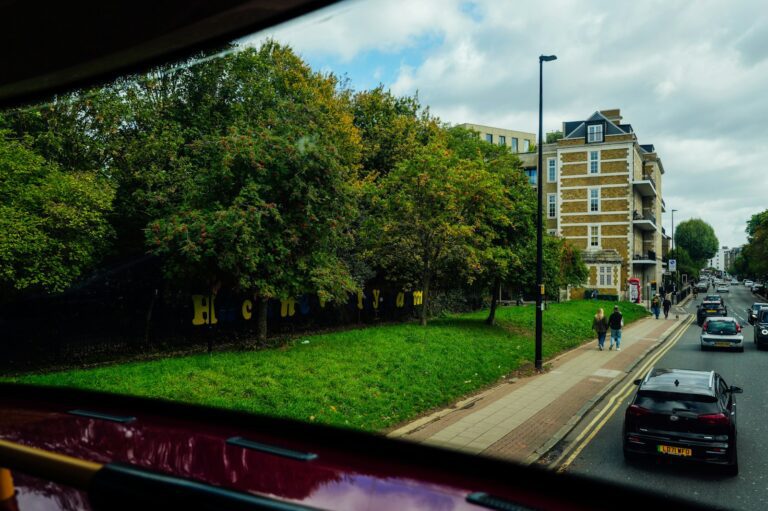
In 1906, the railroad arrived on the east bank of the Big Horn River in northern Wyoming. So a whole town had to move itself across the frozen river.
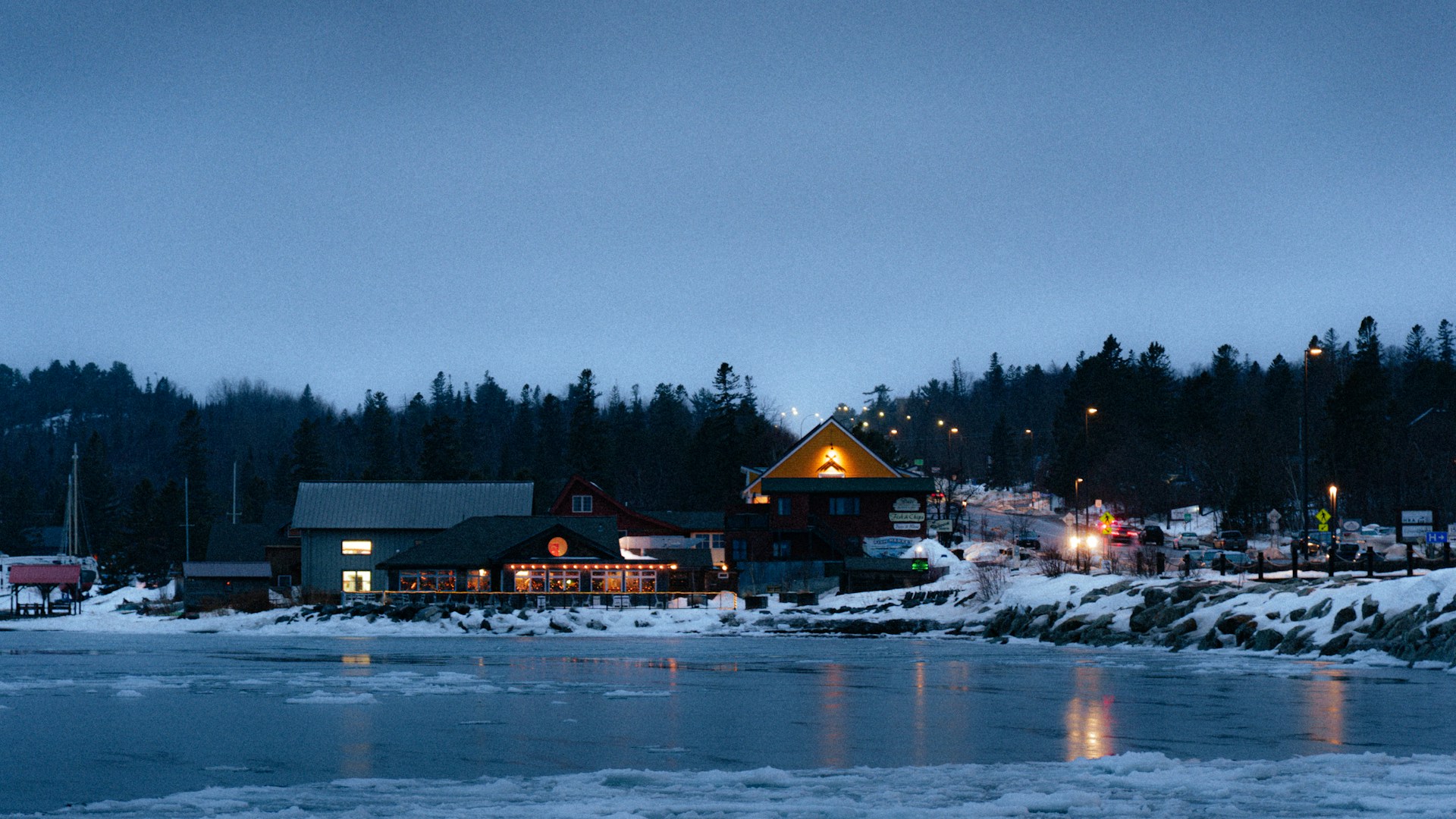
That is the story behind Worland, one of several small towns explored by travel creator @attrell. His tour covers historic main streets, abandoned places and even a one-room school in some of the most beautiful scenery in the state.
Worland is the county seat, and he says it sits in the middle of nowhere yet close enough to most of Wyoming’s popular tourist attractions.
The Town That Walked Across A Frozen River In 1906
According to the creator, when the railroad arrived on the east bank in 1906, the town had to move itself across the frozen Big Horn River. Worland was formed that same year.
Agriculture, especially sugar beets and later oil, helped it grow. The population peaked at 6,391 people in 1980.
He describes a vibrant, colorful downtown with a city hall, a courthouse, a small civic park called Pioneer Square built in 1990, and a cool-looking American Legion building. One building, he notes, clearly used to be a gas station.
Thermopolis Has A Street Wide Enough To Turn A Freight Team
The tour starts in Thermopolis, the county seat of Hot Springs County. The current town site was established in 1897, and the population peaked in 1960 at 3,955.
Broadway Street is 150 feet wide so a freight team could turn around. The downtown historic district was listed on the National Register of Historic Places in 1983, and the Burlington Railroad reached town in 1910. The town still has train service.
The standout is Hot Springs State Park, Wyoming’s first state park, created in 1897. The water comes out of the Big Spring hotter than most people can stand, then cools to about 104 degrees in the state bath house. The soak is still free.
He has spent the night in Thermopolis about nine times and says he cannot get enough of it. The park was being renovated during his September visit, so he used older footage.
Wind River Canyon Cuts Through Rock Half A Billion Years Apart
Just south of town, the Wind River Canyon runs about 15 miles with railway, highway and river cutting through the Owl Creek Mountains. The walls range from some of the oldest rock on the planet to layers half a billion years younger.
The railway was blasted through in 1911 and the highway came through in the 1920s. He says about three or four trains pass through the valley each day.
Greybull’s Speakeasy Hotel And Its Firefighting Bombers
In Greybull, where US Highways 14, 16 and 20 meet, the population peaked at 2,692 in 1920, shortly after the railroad arrived. The Hotel Greybull started construction in 1914 and opened in 1916 as the first and largest brick and concrete building in town. Its basement once became a speakeasy, and it still operates as a hotel.
The BNSF railroad still employs people there, and he loved the murals painted on the grain elevators and an art deco gas company building.
Greybull has been an aerial firefighting base since the late 1940s. It grew into one of the biggest private tanker outfits in the West, with old bombers and cargo planes dumping retardant on fires from Alaska to Yellowstone. At its peak more than 200 people worked at the airport, and a museum there has operated since 2005, open in summer.
A Lilac Town, A Mormon Colony And A Rescued Theater
Basin was laid out in 1896 and dropped “City” from its name when it incorporated in 1902. Every June the lilac bushes bloom, and the town throws Lilac Days. Its theater closed in the 1980s and was going to be demolished, but folks in town saved it, and it is now volunteer-run.
Lovell was formed in 1906. A Mormon colony arrived in 1900 and built irrigation that made the valley farmable. The town’s single-screen theater, built in 1951, closed in 1992 and reopened by 2004, and is now run by volunteers.
Lovell is also home to Queen Bee Gardens, which sells candies and has taken over three buildings.
Powell Started As A Work Camp And Keeps Growing
Powell was laid out in 1909 and incorporated in 1910. It began as Camp Coulter, a reclamation work camp, and its main street is the commercial core of a planned irrigation town, not a railroad town.
Unlike most towns on this list, Powell’s population peak is current, with 6,419 residents in 2020. It won an All-American City Award in 1994. The downtown is clean and charming, a theater built in 1919 is still in use, and Plaza Diane is a community arts center created through cooperation between groups and the city.
Powell is close to Yellowstone but not too close, he says, so it does not suffer the tourist trap of places like Cody.
The Pioneer School Where One Room Was Enough
The last stop is Pioneer School, built in 1914 with one classroom, high ceilings and banks of windows. Coal heat was added in 1930 and a house for the teacher in 1953.
The school closed in 1969, and the building and its two acres went to the Pioneer Service Group, which turned it into a community hall. It was listed on the National Register in October 1993.
He says he remembers playing on this kind of equipment as a kid in the 1970s.
Planning Your Own Northern Wyoming Loop
- Check museum hours first, since several were closed on his visit, including the ones in Thermopolis and Worland.
- Go in summer if you want the aerial firefighting museum in Greybull, which is open only in that season.
- Time a June trip for Lilac Days in Basin.
- Pair Thermopolis’s free hot springs soak with a drive through Wind River Canyon.
More Stories You May Like
- 7 Money Mistakes Couples Make When They Avoid Talking About Finances Before Retirement and the Conversation to Have Before a Crisis Hits
- The Rental Car Counter Upsell On Insurance And Prepaid Fuel Is Where Travelers Lose Money So Check Your Own Coverage First
- Frozen Smoked Salmon Sold in Six States Recalled After Testing Found Possible Listeria and Its Long Shelf Life Means It Could Still Be in Your Freezer