Some recipes are best learned in a warm kitchen, standing next to someone who is happy to talk while the pan heats up. In this one, a cook introduces an older woman named Miss Sharon to a dish she has heard of but never tasted: tomato gravy.
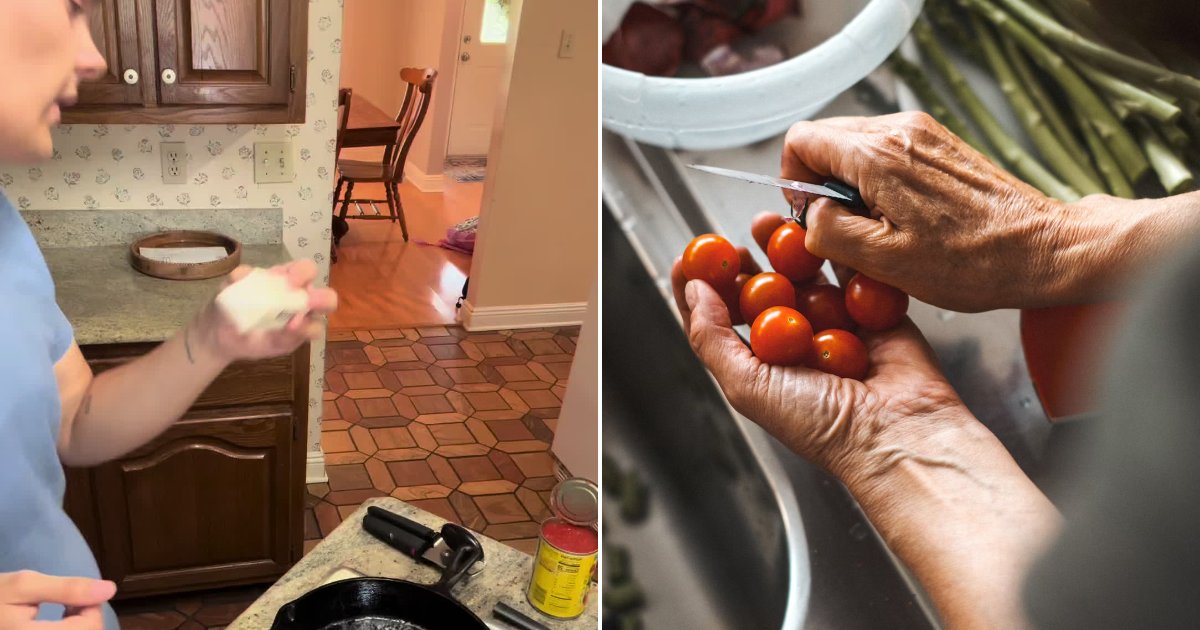
The cooking session was shared by @casonadams06, and it moves at the unhurried pace of a conversation between friends.
@casonadams06
Building the gravy from the pan up
The cooking begins in a cast iron skillet on the stove. The cook explains that tomato gravy is very popular, and Miss Sharon admits she has heard of it but never had it. Into the skillet that already holds rendered bacon grease goes a whole stick of butter. The cook cheerfully admits it is not exactly healthy, but says nobody is counting calories while they cook together.
The grease comes from six pieces of bacon. The cook says the bacon does not have to be fully cooked for the grease to render, and Miss Sharon chimes in that if you are going to cook it, cook it all the way, because you will probably eat it.
Once the fat is melted and whisked together, the flour goes in. The cook starts with what he thinks is about a half cup, then realizes it is closer to three quarters of a cup, adding it a little at a time. It is easier to add more flour than to take it away, he says. Adding it gradually keeps it from clumping, though it will still get a little lumpy before it smooths out. Both cooks agree on the key tip: cook the roux, because nobody wants a raw flour taste. The cook also scrubs the bottom of the pan to lift the tasty bacon bits into the sauce.
Two 15 ounce cans of crushed tomatoes come next, from a brand the cook says is from Indiana. He notes that homemade canned tomatoes make the dish even better, but time got away from him this year. Heavy cream thins the gravy and enriches it, and salt and plenty of black pepper round it out. A splash of water adjusts the consistency. Miss Sharon tastes it and says it is so good, and the cook points out that the gravy is delicious over biscuits and makes a lot, with plenty left over.
The stories behind the stove
What makes the session special is the talk. A small paring knife with a broken tip comes out of a drawer. It belonged to a grandmother, and the owner says she does not use it, but every time she sees it, she thinks of her. The whole kitchen, she jokes, is full of the same brand of knives and tools, which she says will outlive anyone. Another voice sums up the feeling: food can take you to a place, a person or a taste in time that you cannot go back to except in your heart and mind.
Why a roux is the heart of a gravy
A roux is just fat and flour cooked together. It thickens a sauce, but it also adds flavor when it cooks for a few minutes, which is why raw flour tastes pasty. Starting with a fat like bacon grease and butter gives a roux richness, and the browned bits in the pan add savory depth.
Tomato gravy is a good example of how a Southern cook stretches a few pantry items into a comforting dish. It is simple, forgiving and made for spooning over something that can soak it up.
Tips for making tomato gravy at home
- Render your bacon grease first. Cook the bacon slowly so the fat melts without burning, then use the grease in the pan.
- Add flour a little at a time. Whisk constantly to keep lumps to a minimum.
- Cook the roux for a few minutes. This removes the raw flour taste and gives the gravy a nicer flavor.
- Scrape up the browned bits. They are packed with flavor and belong in the gravy.
- Season at the end. Taste after the tomatoes and cream go in, then add salt and pepper to your liking.
- Serve it hot over biscuits. Warm, split biscuits are a classic match.
- Store leftovers safely. Cool the gravy and refrigerate it within two hours, then reheat until steaming.
Common questions
What should I do with leftover bacon grease? Let it cool, strain it and keep it in a covered container in the refrigerator for the next batch. Do not pour hot grease down the drain.
Can I use fresh tomatoes? Many cooks do, especially in summer. Canned tomatoes are consistent and easy to find, which is why this cook leans on them.
Is the cast iron skillet necessary? Not at all, but a heavy pan holds heat evenly and is great for building a roux.
The takeaway
This is more than a recipe. It is a reminder that cooking with someone is a way of sharing history. A pan of tomato gravy, a broken knife and a few good stories are all it takes to make a kitchen feel like home.
Credit for the original post goes to @casonadams06 on TikTok.