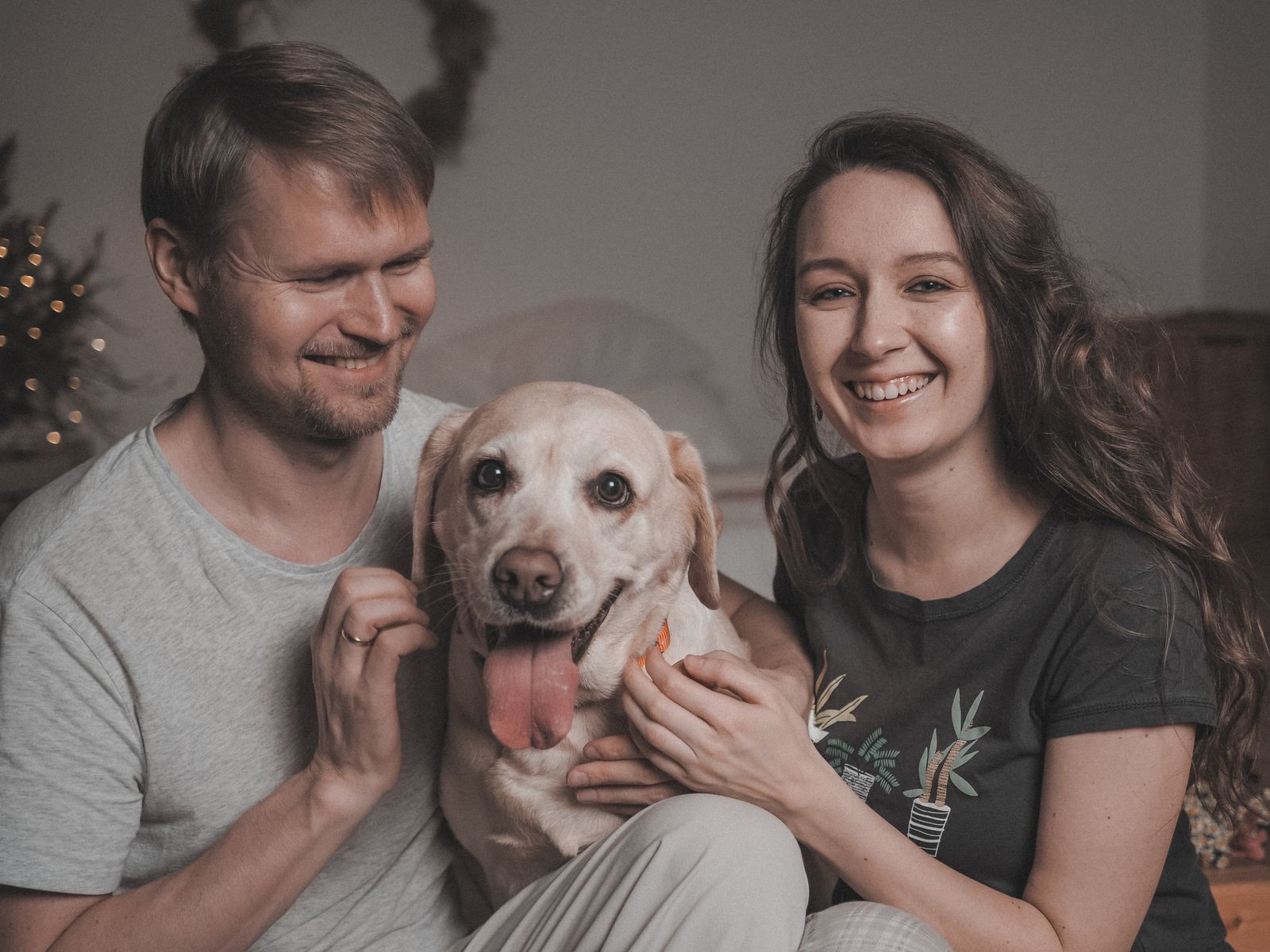
One in three pet-owning couples has a jealousy problem, and it isn’t about an ex or a coworker. A survey of 1,005 U.S. pet owners conducted by Catster, all of them married or cohabiting, found that 33% occasionally feel their dog or cat receives more love and attention than they do from their own partner. Another 25% said they feel that way rarely, meaning more than half of pet-owning partners have experienced at least some version of pet-related jealousy. Six percent said their pet frequently interferes with intimate moments between them and their partner. When researchers pushed the scenario to its logical extreme, the pet usually won.
When Forced to Choose, People Choose the Pet
Catster’s survey, fielded through a combination of Pollfish panel responses and social media outreach, presented participants with an ultimatum: keep the pet or keep the relationship. Respondents overwhelmingly sided with the animal. That result sounds extreme in isolation, but it lines up with a separate, larger survey from DatingAdvice and Prodege, which polled 1,498 U.S. adults and found that 33% admitted to staying in a relationship they knew was already over specifically to avoid losing access to a shared pet. Men were more likely to do this than women, 37% versus 29%, and dogs were the animal cited most often as the reason someone stayed, followed by cats and then exotic pets.
The Rise of the Pet Prenup
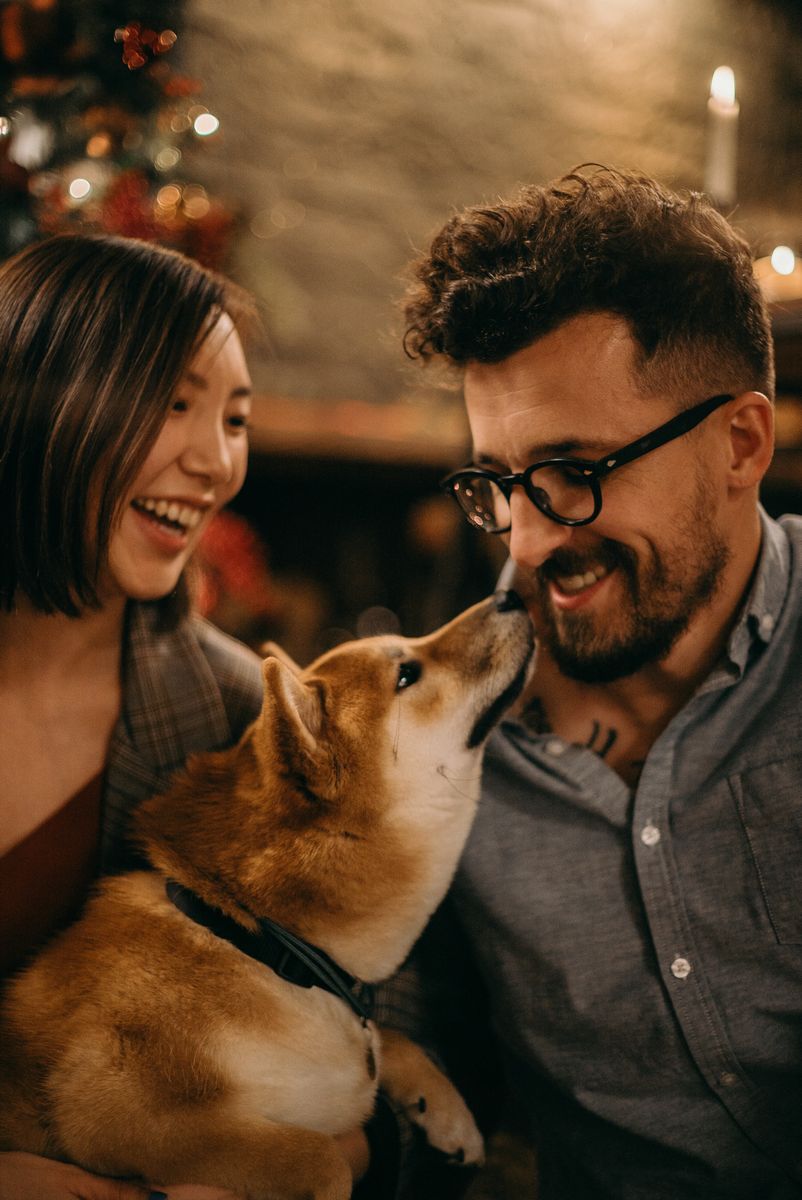
That same DatingAdvice survey found that 61% of Americans said they would be willing to sign a formal pet custody agreement, sometimes called a pet prenup, before moving in with or marrying a partner. Roughly half of respondents said such agreements make sense specifically for pets a couple adopts together, while 24% think every couple should have one regardless of how the pet was acquired. Younger adults are driving the trend: 66% of Gen Z respondents said they’d sign one, a number that steadily declined with age down to 50% among Boomers. The generational gap suggests pet custody planning is becoming a normal part of relationship logistics for younger couples the way prenups for property once were for an older generation.
Jealousy Doesn’t End When the Relationship Does
Pet-related jealousy also outlasts breakups. Forty-five percent of people in the DatingAdvice survey said they would feel jealous if an ex’s new partner spent time with a pet the couple used to share, and 16% said they would “hate” that scenario outright. Gen Z respondents reported the strongest reaction, with 33% saying they’d feel jealous, compared with just 19% of Boomers. More than half of respondents, 55%, said they wouldn’t date someone who still regularly saw an ex to help care for a shared pet, suggesting that for a lot of people, an ongoing pet-care arrangement reads less like practical logistics and more like unfinished emotional business.
It Isn’t Universal, Either
The Catster data also shows this isn’t a problem for every pet-owning couple. Forty-four percent of respondents said their pet had never interfered with an intimate moment, and just 5% described actively competing with their pet for their partner’s attention, with another 24% saying they don’t experience any competition at all. About two-thirds of the sample owned dogs and roughly a third owned cats, and the survey didn’t find that one species drove noticeably more friction than the other. The honest picture isn’t a case of pets ruining relationships across the board. It’s closer to a genuine split: a meaningful minority of couples feel real friction over how much attention a pet absorbs, while a comparable share report no tension whatsoever, which suggests the dynamic has more to do with the specific couple’s habits and boundaries than with pet ownership itself.
What the Jealousy Is Actually About
None of this means pets are secretly sabotaging modern relationships. If anything, the intensity of feeling described in both surveys reflects how central pets have become to people’s sense of home and daily companionship, often rivaling the emotional weight of a human partner. A dog or cat doesn’t compete for affection the way a rival partner would; it simply absorbs a large, uncomplicated share of it, and that share is apparently large enough that plenty of partners notice, and mind, when it comes at their expense. Couples who address that openly, rather than treating jealousy over a pet as silly or beneath discussion, may be better positioned than the ones who let it quietly build.