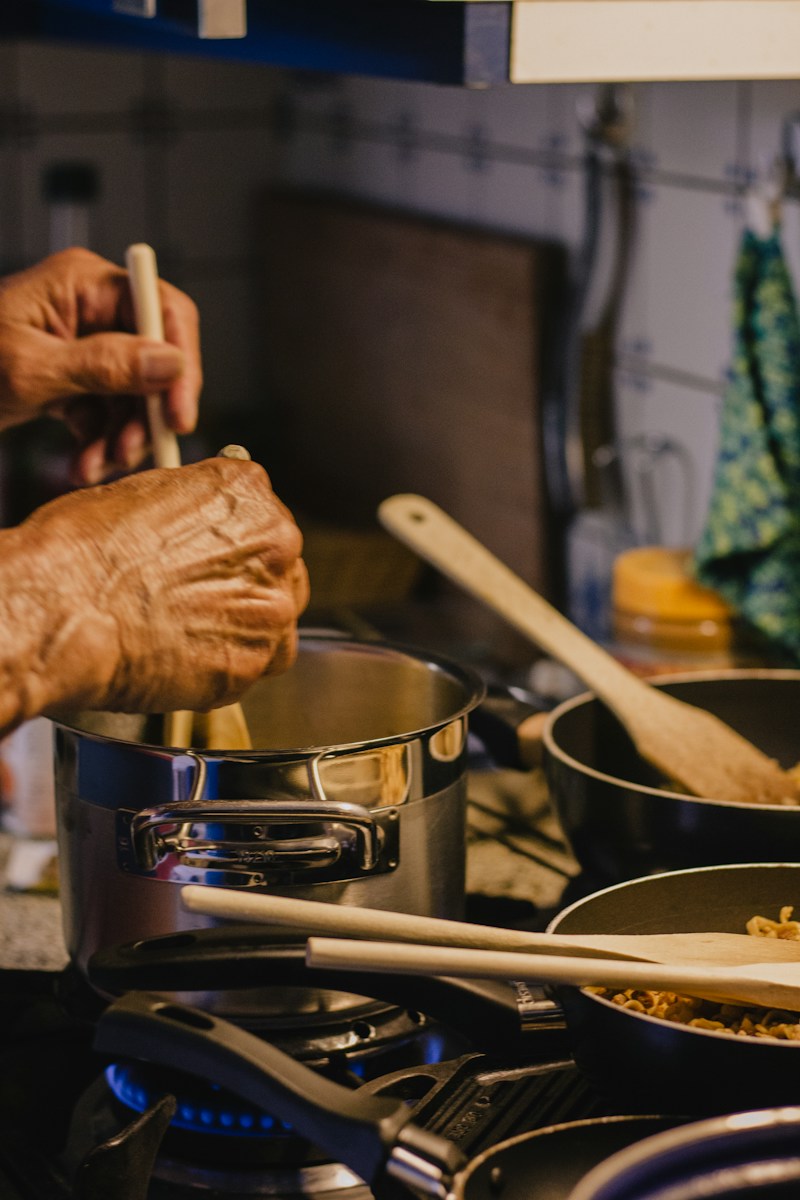
Hosting someone in your home is an act of generosity — you’re opening up your space, your time, and often your kitchen, all in the hope of making someone feel welcome. Most guests are wonderful. But there’s a specific category of small, repeatable behaviors that quietly test a host’s patience, even when no one says a word about it in the moment.
None of these are usually intended as rude. They’re just habits people bring from their own homes without realizing how differently they land in someone else’s. Here are ten of the most common ones, and why they get under a host’s skin more than guests tend to realize.
Showing Up Significantly Early or Late
A host’s timeline for a gathering is rarely arbitrary — food is timed to finish cooking, the space is being tidied until the last possible minute, and a guest who arrives twenty minutes early often catches the host mid-preparation, apron on, house not quite ready. On the other end, showing up significantly late without a heads-up throws off food timing and can leave other guests waiting awkwardly. The Emily Post Institute’s etiquette guidance consistently emphasizes respecting a host’s stated timeline as a foundational courtesy. A quick text if plans shift by more than a few minutes goes a long way toward keeping a host’s preparations on track.

Arriving Empty-Handed, Repeatedly
A single empty-handed visit is rarely noticed. A pattern of always showing up without so much as a bottle of wine or a small treat, especially when others consistently bring something, starts to register with a host over time. It’s not about the monetary value of the item — it’s about the small gesture of reciprocity that acknowledges the effort a host has put in. Even something as simple as a candle or a batch of cookies signals that a guest sees and appreciates the work involved in hosting.
Wandering Into Rooms That Weren’t Offered
Curiosity is natural, but opening closed doors, browsing bookshelves in a private office, or wandering into a bedroom without being invited crosses a line that most hosts feel keenly, even if they don’t say anything in the moment. A home has public and private zones, and part of being a gracious guest is respecting that boundary without needing it spelled out. If a host wants to show off a particular room, they’ll offer the tour themselves.
Overstaying an Unspoken Welcome
Every gathering has a natural rhythm, and most hosts start signaling the end of a visit through subtler cues than a direct request to leave — quieter conversation, tidying up, glancing at the clock. A guest who misses these signals repeatedly, staying well past when the energy of the room has shifted, puts the host in the uncomfortable position of either enduring the extension or being direct in a way that feels impolite. Reading the room and offering to help clean up is often the clearest, kindest signal a guest can give that they’re ready to wrap things up.
Rearranging Things Without Asking
Opening a window, turning off the air conditioning, moving furniture to make more room, adjusting the thermostat — these small acts of “helpfulness” can actually frustrate a host who has their space set up intentionally. What feels like a minor adjustment to a guest can feel like an overstep to someone whose home it is. A simple “would it be okay if I…” before making any change respects the fact that, however comfortable a guest feels, it’s still not their space to modify unilaterally.
Bringing Uninvited Guests
Showing up with an extra person who wasn’t included in the invitation puts a host in an immediate, awkward bind — scrambling for more food, more seating, more everything, often with no time to prepare. Even when the added guest is delightful company, the lack of advance notice is what causes the strain. Etiquette guidance is consistent on this point: any plus-one should be cleared with the host well ahead of time, not announced at the door.
Criticizing the Food or Home
Comments about the temperature of a dish, an unfamiliar decor choice, or a “helpful” suggestion about how something could have been done differently are rarely received the way they’re intended. A host has usually put real thought and effort into the meal and the space, and unsolicited critique — even framed gently — can sting considerably more than the guest realizes. Genuine compliments, or simply no comment at all, tend to be far more welcome than constructive feedback nobody asked for.

Leaving a Mess Without Offering to Help
Guests aren’t expected to do the dishes, but there’s a noticeable difference between someone who offers to help clear plates or wipe down a counter and someone who leaves napkins crumpled on the floor and walks out the door. The offer itself matters as much as the actual help, since it signals awareness that hosting involves real labor that continues after the guests leave. A host rarely forgets which guests made that small gesture and which didn’t.
Ignoring Dietary or House Rules Communicated in Advance
When a host asks guests to remove shoes at the door, avoid a particular allergen, or respect a no-smoking policy, and a guest disregards it anyway, it puts the host in the uncomfortable position of having to enforce their own stated boundary in their own home. These requests are rarely arbitrary — they usually reflect real practical or health considerations. Honoring them without needing a reminder is one of the simplest ways a guest can show respect for the home they’ve been welcomed into.
Monopolizing the Host’s Attention
A host is usually trying to juggle multiple responsibilities during a gathering — checking on food, greeting other arrivals, making sure everyone’s comfortable — and a guest who consistently pulls them into long one-on-one conversations, ignoring the fact that they’re needed elsewhere, can genuinely add stress to what’s supposed to be an enjoyable evening. Being mindful of a host’s divided attention, and stepping back to let them tend to their responsibilities, is a small courtesy that makes a real difference in how manageable the event feels for the person running it.