

Every generation inherits a pantry full of foods their parents and grandparents swore by, and every generation eventually decides which of those foods are worth keeping around. Some old-fashioned staples age gracefully into comfort-food classics; others end up quietly retired, remembered mostly through raised eyebrows at family dinners and the occasional “wait, people used to eat that?”
None of this is really about the food being objectively bad. A lot of it comes down to changing tastes, more diverse ingredient access, and a generation that simply grew up with different defaults on the table. Here are thirteen dishes that have a much harder time winning over younger eaters than they once did.
Liver and Onions
Organ meats were once a practical, affordable way to stretch a food budget and use the whole animal, and liver and onions held a regular spot on dinner tables for generations who grew up during and after wartime rationing, when wasting any part of an animal felt genuinely irresponsible. Younger eaters today, raised with far more variety and less direct connection to whole-animal butchery, tend to find the strong mineral flavor and grainy texture of liver much harder to get past, especially without the economic necessity that once made it worth pushing through. It’s become something closer to a delicacy in some fine-dining contexts, but as an everyday family dinner, it’s largely faded from regular rotation.
Aspic and Savory Gelatin Molds
Mid-century cookbooks were full of savory gelatin molds suspending meat, vegetables, or seafood in a jiggling, translucent shell, a presentation that was considered genuinely impressive and modern at dinner parties for decades. Younger generations who encounter these dishes today, often through vintage cookbook memes rather than an actual dinner table, tend to react with more bewilderment than appetite, put off by the texture combination of firm gelatin surrounding soft or chunky fillings. The dish required a level of kitchen confidence and specific equipment that simply isn’t part of most modern home cooking routines anymore, which has left it more of a nostalgic curiosity than a real recipe anyone reaches for.
Canned Vegetable Salads with Mayonnaise
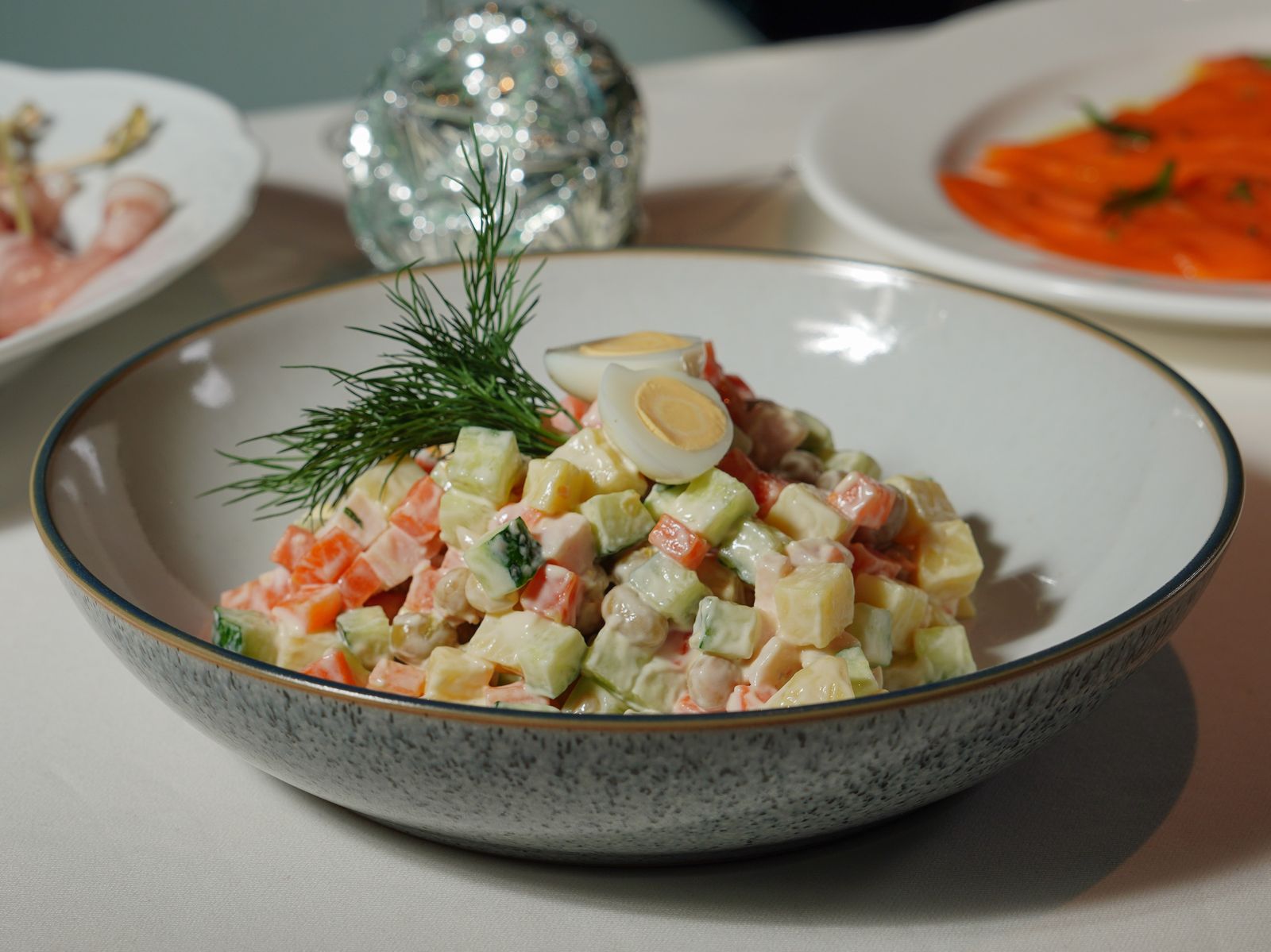
Recipes built around canned peas, canned corn, or shredded cabbage bound together with a generous amount of mayonnaise were a potluck and picnic staple for generations who valued convenience and shelf-stable ingredients in an era before year-round fresh produce access was a given. Younger eaters, who’ve grown up with much easier access to fresh vegetables year-round, tend to find the soft, canned texture and heavy mayonnaise coating less appealing than a simpler fresh salad would be. The dishes still show up at some family gatherings out of tradition, but they rarely get requested by anyone under about forty.
Tongue and Other Organ Meats
Beef tongue, tripe, and other organ cuts were common in households that couldn’t afford to waste any part of a butchered animal, prepared in ways that made the unusual texture more approachable through slow braising or pickling. Younger cooks, generally shopping in supermarkets stocked almost entirely with standard muscle cuts, rarely encounter these ingredients at all, let alone learn how to prepare them, which has made the whole category feel more foreign than it would to someone who grew up watching a grandparent work with them regularly. Some of these cuts have found a second life in specific ethnic cuisines and adventurous fine dining, but as an everyday home-cooked dish, they’ve largely disappeared from mainstream tables.
Creamed Chipped Beef on Toast
Known affectionately (or not so affectionately) by a much blunter military nickname, creamed chipped beef on toast was a breakfast staple for generations who came up through military service or grew up in households where it was passed down as an easy, filling meal. The dish’s heavy reliance on salty dried beef and a thick white sauce reads as fairly heavy and one-note to younger palates accustomed to more variety and fresher ingredients at breakfast. It still has a nostalgic following among people who grew up with it, but it rarely gets introduced to kids the way it once got passed down automatically.
Prune Juice and Stewed Prunes
Prunes were a household staple for generations focused on digestive health and thrift, valued as much for their practical benefits as for their taste, and stewed prunes or a small glass of prune juice were a normal part of breakfast in a lot of homes. Younger generations tend to associate prunes almost exclusively with an older demographic and digestive concerns rather than as an everyday snack or breakfast item, which has made the fruit something of a punchline rather than a pantry staple. The actual product hasn’t changed much, but the marketing and cultural association have shifted enough that most younger shoppers walk right past it in the store.
Deviled Ham Spread
Canned deviled ham spread, a finely ground, heavily seasoned ham paste sold in a distinctive small can, was once a common quick-lunch staple for sandwiches and crackers, valued for its long shelf life and convenience in an era before refrigerated deli counters were universally accessible. Younger eaters, with far more convenient fresh deli and prepared food options available, generally find the smooth, paste-like texture and intense saltiness less appealing than a simple sliced deli meat sandwich. The product still exists on some grocery shelves, but it’s become more of a nostalgic curiosity for older shoppers than a genuine lunch staple for anyone younger.
Jell-O Salads with Vegetables Suspended Inside
Beyond the fruit-based versions, mid-century cooking embraced Jell-O salads that suspended shredded carrots, celery, or even cabbage inside a savory or lightly sweetened gelatin base, a combination that reflected the era’s fascination with molded, convenience-driven presentation. Younger eaters overwhelmingly find the concept of vegetables suspended in a wobbly gelatin mold more strange than appetizing, a reaction that’s become something of an internet-era running joke whenever old cookbooks resurface online. The dish requires almost no defenders among people under fifty, and it’s largely vanished from actual dinner tables outside of retro theme parties.
Boiled Dinners with Overcooked Vegetables
Boiled dinners featuring meat and vegetables cooked together in one pot until everything reached a uniformly soft texture were a practical, low-effort way to feed a family, especially in households without much access to varied cooking techniques or equipment. Younger cooks, exposed to a much wider range of cooking methods through cooking shows, social media, and more diverse restaurant experiences, tend to prefer vegetables with more texture and distinct flavor rather than the muted, uniformly soft result of a long boil. The technique still has its place for certain dishes, but as a default cooking method for an entire meal, it’s fallen out of everyday favor.
Fruitcake as a Gift-Giving Tradition
Beyond just being a divisive dessert on its own, fruitcake carried a specific gift-giving tradition for generations, with dense, long-lasting cakes mailed to relatives as a holiday gesture partly because the cake’s density and alcohol content let it survive shipping and storage for weeks. Younger generations have largely abandoned this tradition, both because the cake itself remains widely disliked and because shipping fresh, more appealing treats has become far more practical and affordable than it used to be. The jokes about fruitcake being re-gifted for decades without anyone actually eating it have become almost as much a tradition as the cake itself.

Casseroles Built Around Canned Soup
The classic casserole formula of a starch, a protein, and a can of condensed soup as the binding sauce was a genuine kitchen revolution for busy mid-century households, offering a filling, affordable dinner with minimal prep time and ingredients that stayed shelf-stable for months. Younger home cooks, influenced by a food culture that prizes fresh ingredients and scratch-made sauces, often see the reliance on canned soup as a shortcut that sacrifices flavor for convenience, especially now that quick fresh-ingredient recipes are so easily accessible online. The casserole format itself hasn’t disappeared, but fewer younger cooks build one specifically around a can of condensed soup the way earlier generations did almost automatically.
Instant Coffee as the Default
Instant coffee was the standard cup for generations who valued speed and simplicity over flavor nuance, and it remained the default in a huge number of households well into recent decades. Younger coffee drinkers, raised in an era of accessible specialty coffee shops, pod-based brewers, and widespread home espresso equipment, generally find instant coffee’s flatter, slightly bitter flavor a hard sell compared to freshly brewed alternatives that require barely more effort. Instant coffee still serves a purpose for travel and camping, but as an everyday kitchen staple, it’s been almost entirely displaced by other brewing methods for anyone who grew up with more options available.
Margarine as the Default Spread
Margarine was heavily marketed for decades as the modern, health-conscious alternative to butter, and entire generations grew up with tubs of it as the default spread in the refrigerator door. As nutrition science shifted and public understanding of trans fats evolved, many younger consumers have moved back toward real butter, viewing it as the more genuine, less processed option despite margarine’s continued availability and lower price point in most stores. The reversal is a rare case of a food trend actually running backward, with the “modern” choice of one generation becoming the option younger eaters actively avoid in favor of what their grandparents’ generation originally used before margarine took over.
