Who doesn’t love a fresh batch of warm, homemade cookies? But sometimes, despite your best efforts, they don’t turn out the way you hoped. Maybe they’re too flat, too hard, or just lacking that perfect flavor. The truth is, even seasoned bakers make small mistakes that can completely change the outcome. This list highlights some of the most common baking errors that ruin cookies—along with tips and insights from trusted sources to help you avoid them. Get ready to turn out better, bakery-worthy cookies every time.
Using Wrong Flour Type
Flour is a key ingredient in cookie baking, yet many people overlook its importance and go for any type that’s readily available. Different flours have diverse protein contents which can greatly impact the texture of your cookies. For instance, using bread flour instead of all-purpose flour could result in tougher cookies due to the high protein content.
With the current trend of home baking, it’s important to understand the role of different flours in your cookie recipes. Using the right flour type will ensure that you get the desired texture and taste. Expert advice from King Arthur Baking Company recommends always sticking to the flour type specified in the recipe.
Overmixing the Dough
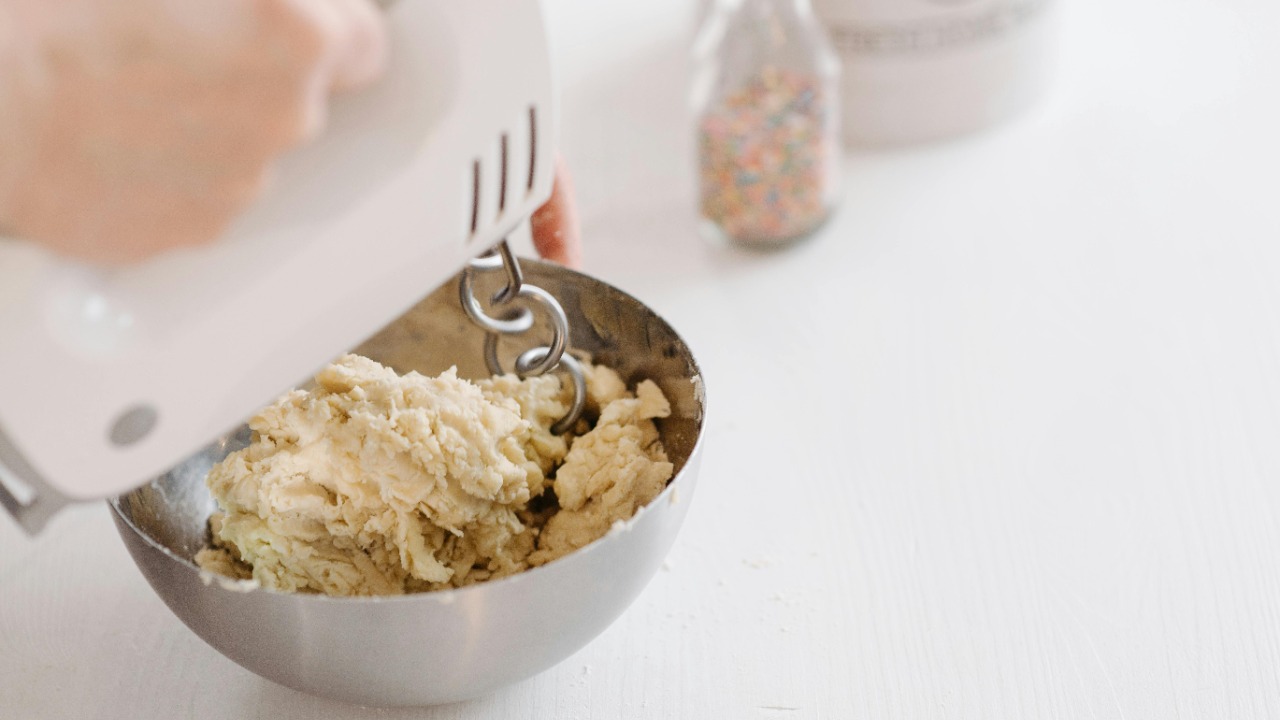
Overmixing cookie dough is a common mistake that many bakers, both novice and experienced, often make. The process of mixing blends the ingredients together, but when overdone, it can lead to hard and dense cookies. This happens because overmixing develops more gluten, responsible for the toughness in baked goods.
In today’s fast-paced world, the urge to get things done quickly can lead to this baking faux pas. However, taking the time to gently mix your dough until just combined will yield better, softer cookies. A useful tip from Bon Appétit is to stop mixing as soon as you see no more streaks of flour.
Not Chilling the Dough
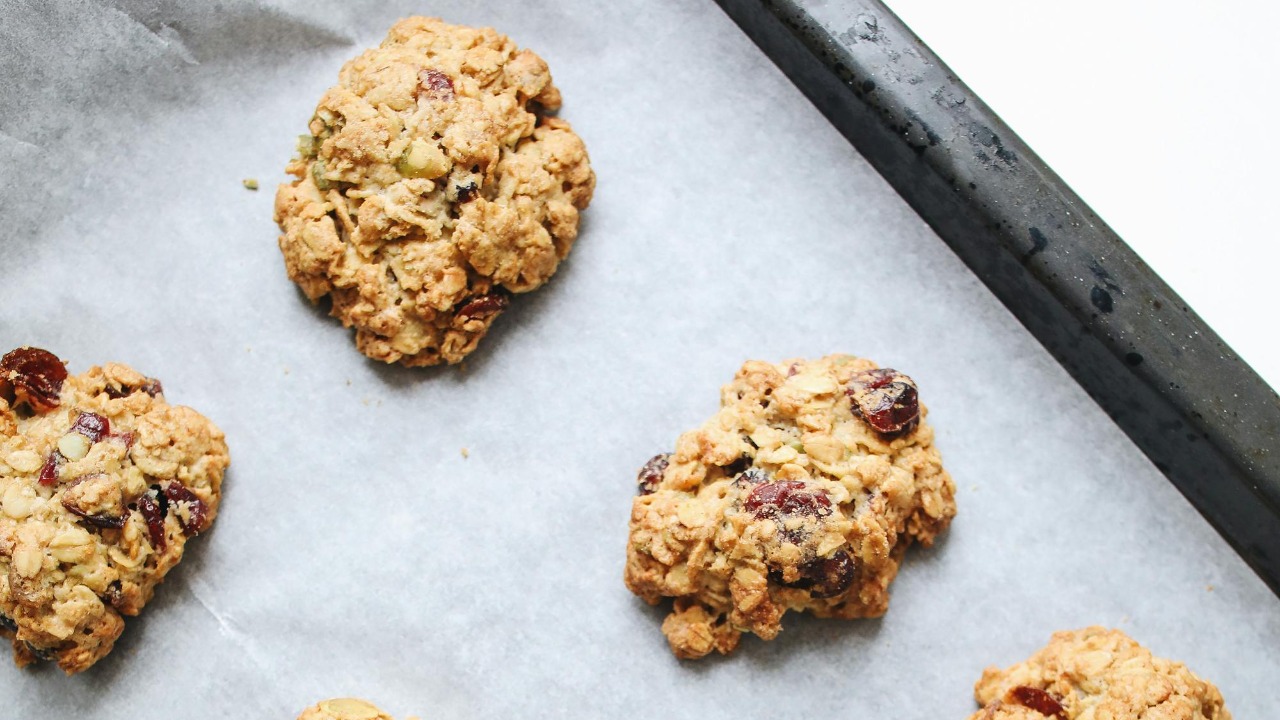
Many cookie recipes call for chilling the dough before baking, yet some bakers choose to skip this step. Chilling the dough allows the fats in the recipe to solidify. When the cookies are baked, the fats melt slowly, preventing the cookies from spreading too much and becoming flat and thin.
With the rise of ‘quick and easy’ recipes, the value of chilling dough might be overlooked. However, taking this extra step can greatly improve the quality of your cookies. Baking experts at Handle the Heat advise chilling your cookie dough for at least 24 hours for best results.
Using too Much Sugar
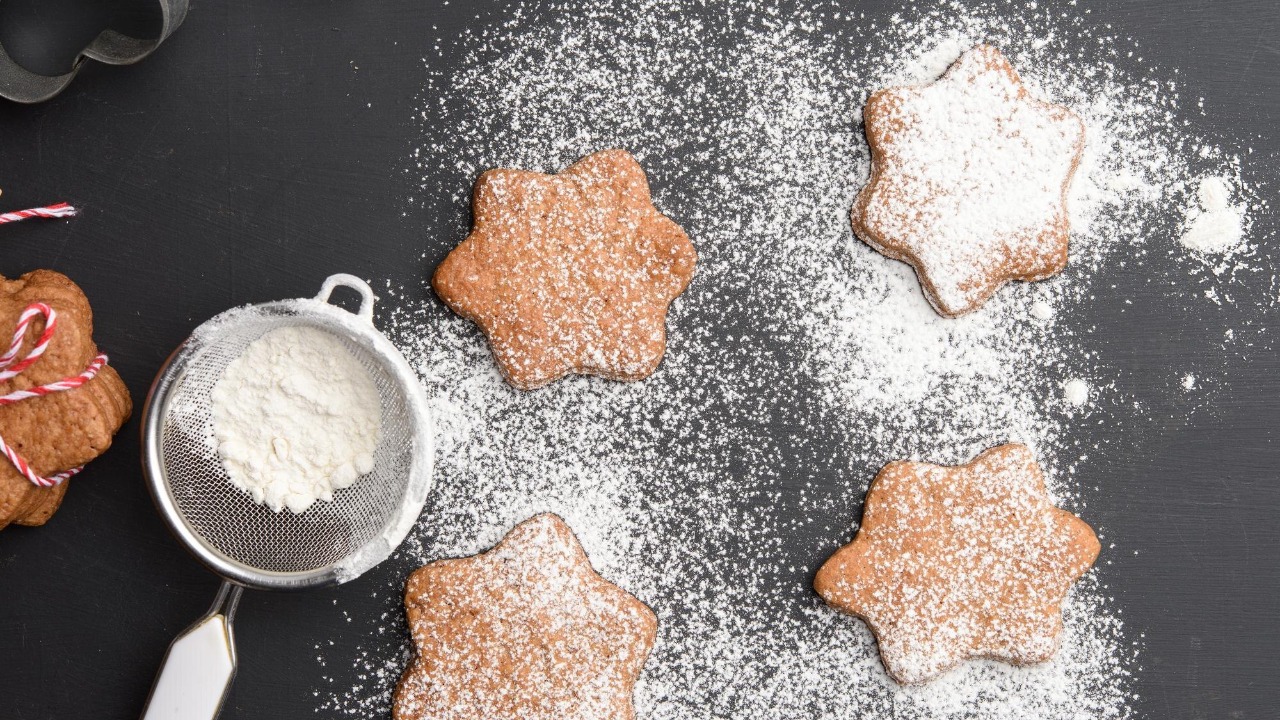
While sugar is a crucial ingredient in cookie recipes, using too much can ruin your cookies. Excessive sugar can cause cookies to spread too thin, brown too quickly, and take on a crunchy rather than soft texture. Many people fall into the trap of adding more sugar to make their cookies sweeter, not realizing the negative impact it can have.
Given the ongoing trend of health consciousness, moderating sugar in baking is more relevant than ever. Using the right amount of sugar not only ensures tastier cookies but also aligns with healthier eating habits. The American Heart Association provides guidelines on daily sugar intake that are worth considering in your baking.
Placing Cookies Too Close Together
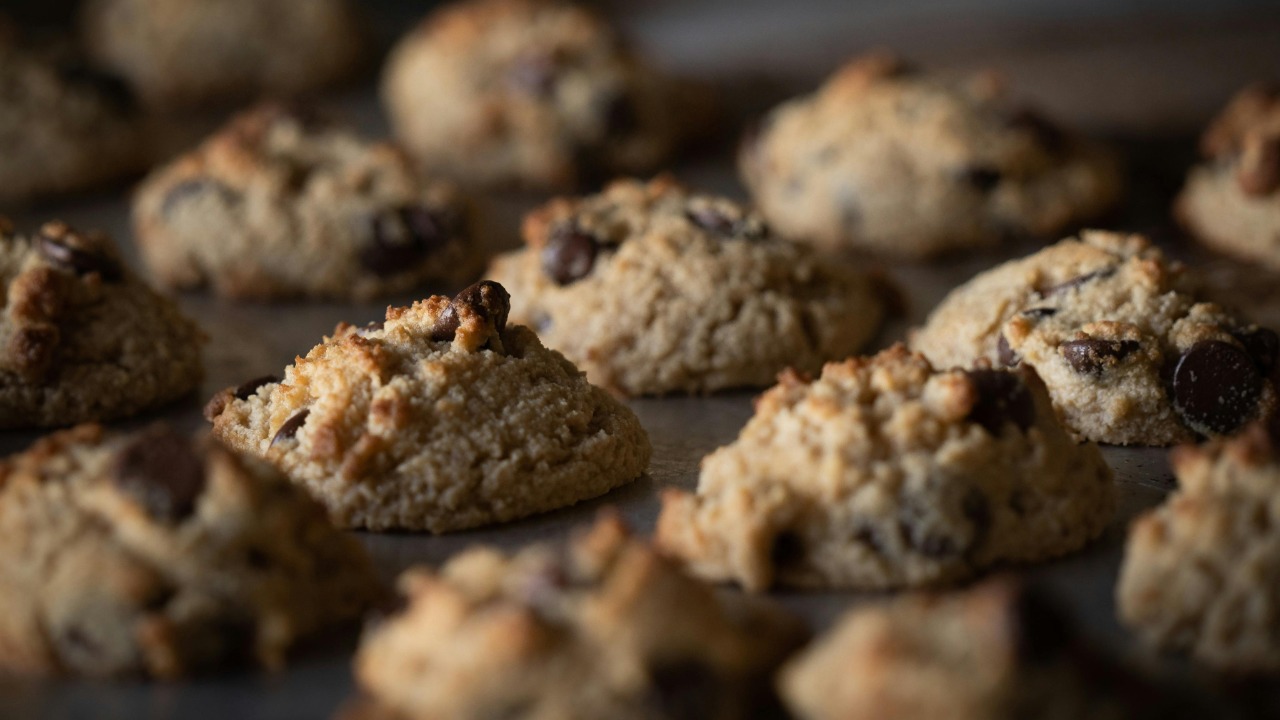
Placement of cookies on the baking sheet is often overlooked. Putting cookies too close together can cause them to bake into each other, leading to unevenly baked, misshapen cookies. It’s essential to leave enough space between each cookie to allow for spread during baking.
In today’s Instagram-worthy baking trend, presentation is key. Properly spaced cookies bake evenly and maintain their shape, making for a more appealing end result. Betty Crocker’s baking tips suggest leaving at least 2 inches of space between cookies on the baking sheet.
Ignoring Oven Preheating
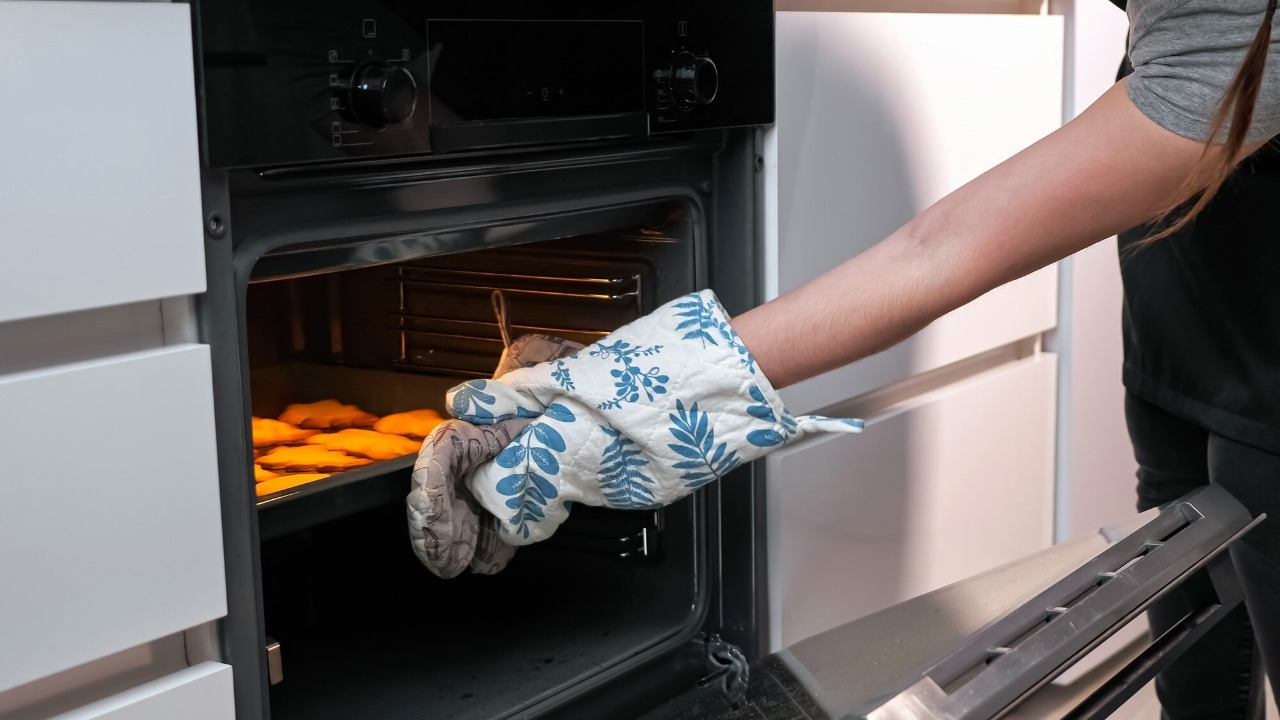
Many people are tempted to ignore the preheating step and place their cookies in the oven as soon as they are ready. However, not preheating the oven can lead to uneven baking and cookies that are raw in the middle. Preheating allows the oven to reach the desired temperature for optimal baking.
As people become more savvy in the kitchen, understanding the importance of each step in the baking process is crucial. Oven preheating is one such step that shouldn’t be bypassed. The Kitchn explains why preheating your oven matters.
Overbaking the Cookies
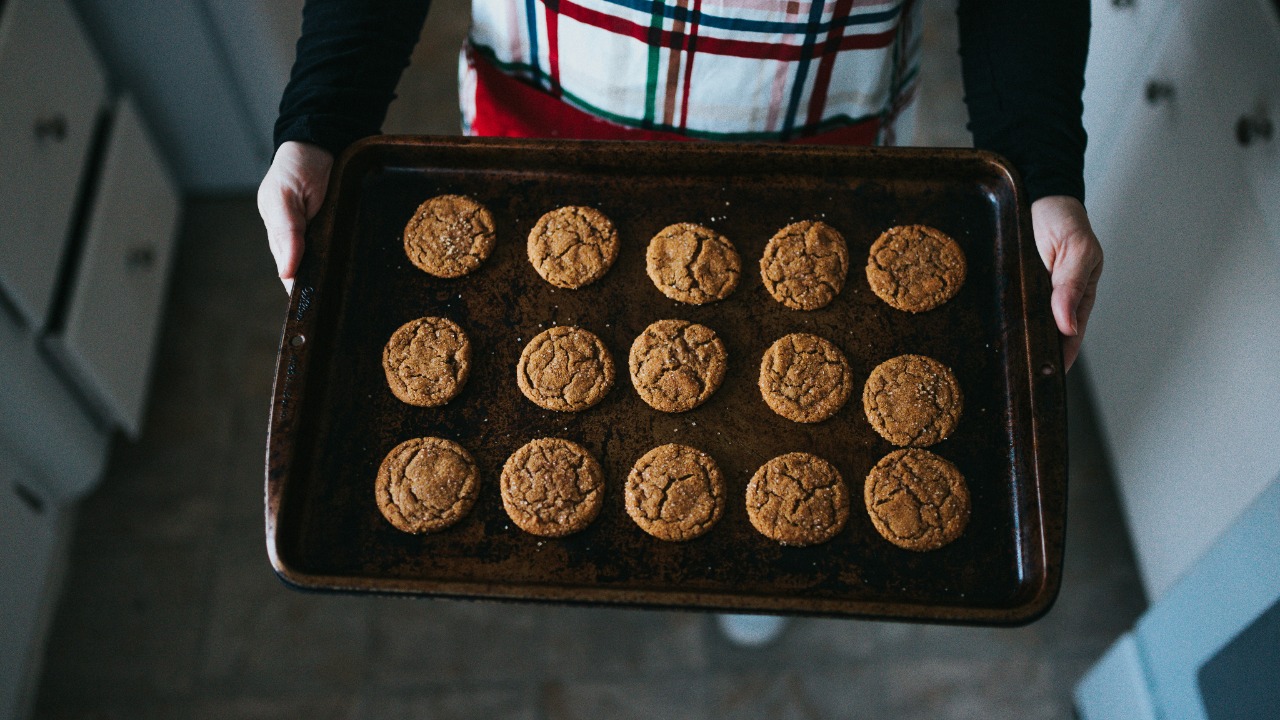
Overbaking is a common mistake that can lead to dry and hard cookies. Many people keep their cookies in the oven until they look fully baked. However, cookies continue to cook on the hot baking sheet even after they are removed from the oven, so they should be taken out when they are just underdone.
With the rise of home baking, understanding the perfect baking time is essential. Overbaked cookies not only taste less pleasant, but they also lack the desirable soft and chewy texture. Food Network suggests that cookies should be removed when the edges are set but the centers are still soft.
Not Cooling Cookies Properly
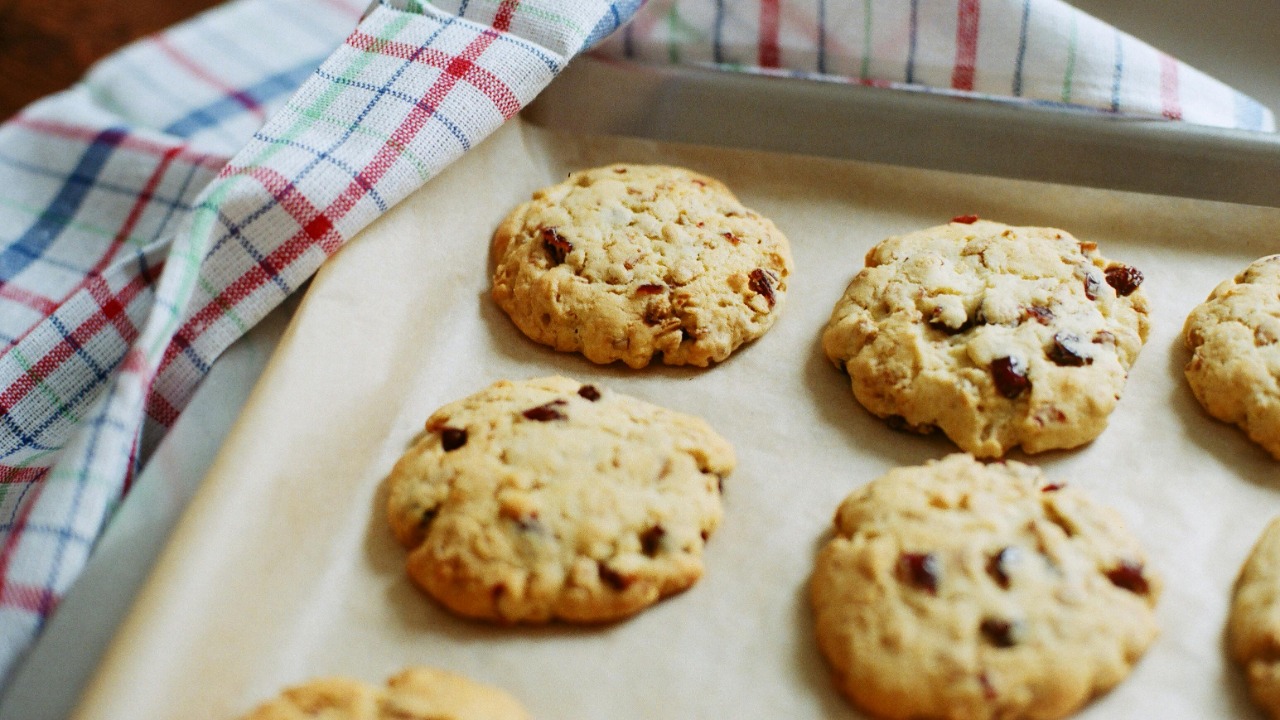
Once the cookies are out of the oven, they need to be cooled properly. Some bakers make the mistake of leaving the cookies on the hot baking sheet, which can result in overcooked or dry cookies. Others transfer them to a cooling rack too soon, which can cause fragile cookies to break.
Proper cooling is essential for achieving the perfect texture and preventing cookies from becoming too dry or crumbling. As more people enjoy baking at home, understanding how to cool cookies correctly is vital. The Spruce Eats provides helpful tips on cooling cookies correctly.
Measuring Ingredients Incorrectly
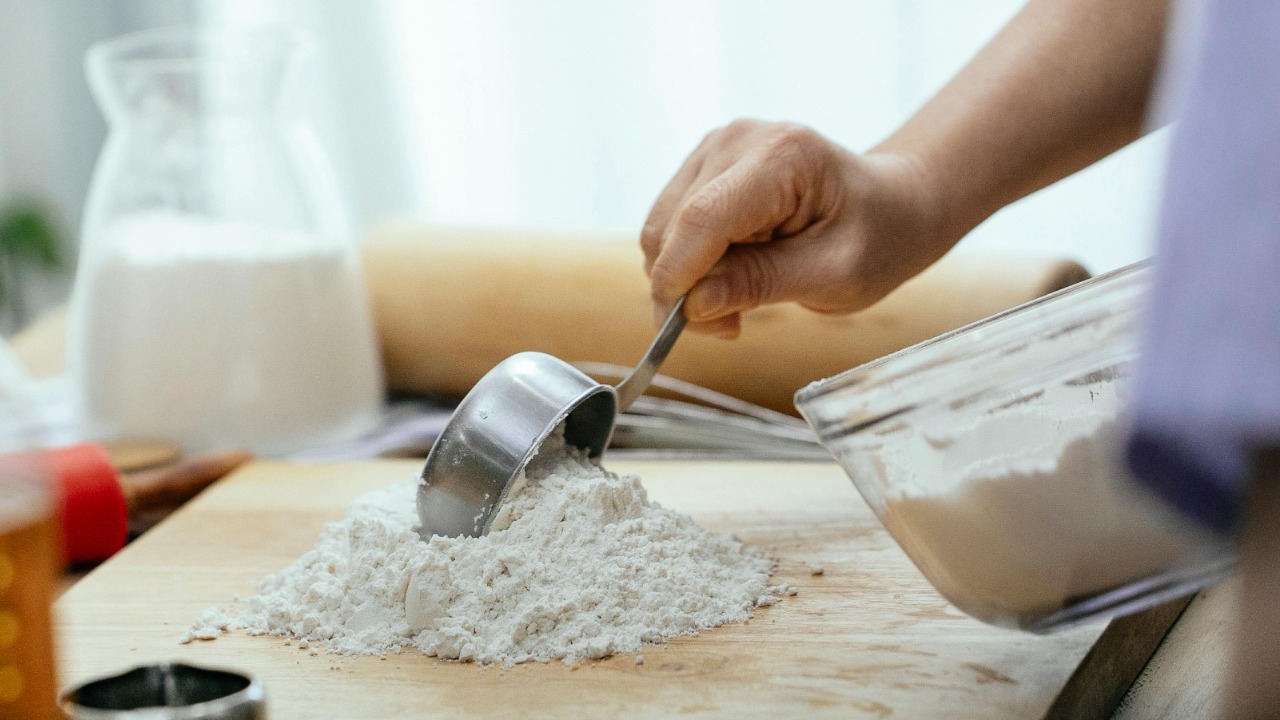
Baking is a science, and measuring ingredients is a critical part of that science. However, many people eyeball measurements or use the wrong tools, leading to inconsistent and disappointing results. For example, using a liquid measuring cup for flour can result in too much flour, leading to dry and crumbly cookies.
As home baking becomes more popular, it’s important to understand the value of accurate measurements. Following the recipe’s measurements exactly will yield consistent results and better tasting cookies. For guidance, Better Homes & Gardens offers a comprehensive guide to measuring baking ingredients correctly.
Ignoring Cookie Size
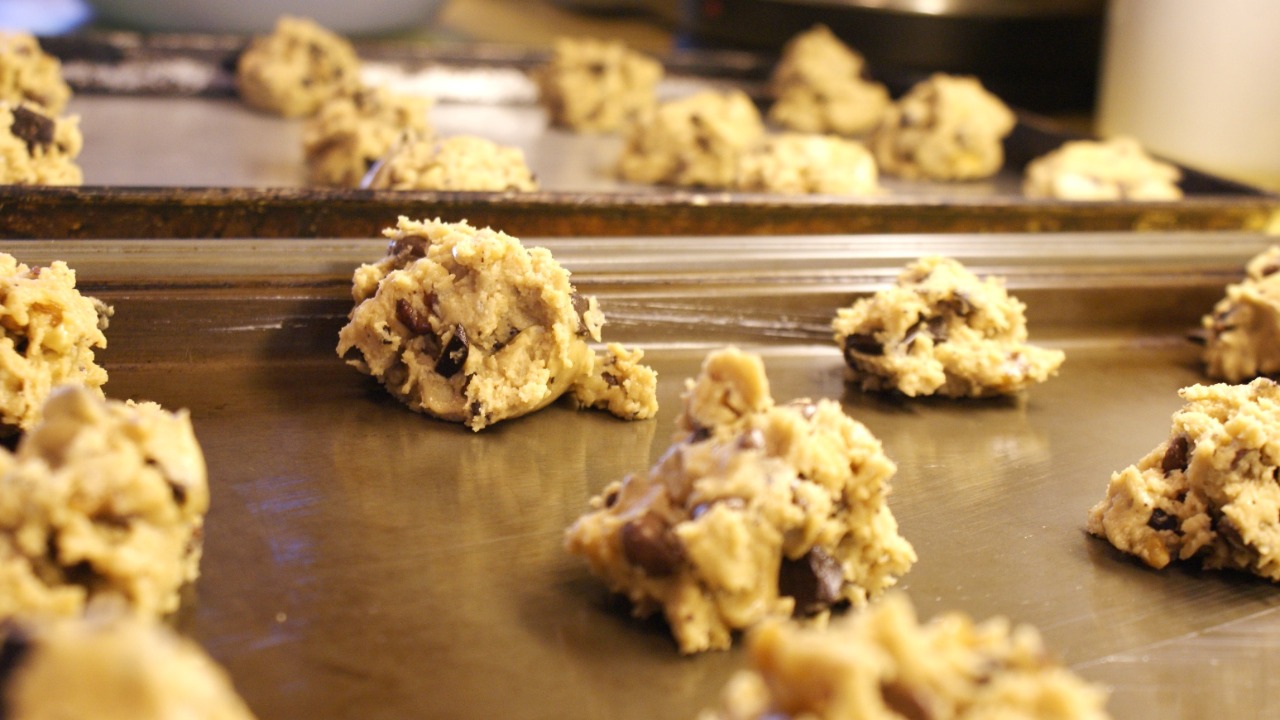
The size of the cookies can greatly impact their baking time and final texture. Yet, many bakers ignore this and make their cookies too big or too small. Larger cookies take longer to bake and can become dry, while smaller cookies may not fully develop their flavors before they are done.
Given the current trend of gourmet and artisanal cookies, getting the size right is more important than ever. The size of the cookies can influence not only their texture, but also their appearance and overall eating experience. Handle the Heat provides a guide on shaping and sizing cookies for the best results.

As a mom of three busy boys, I know how chaotic life can get — but I’ve learned that it’s possible to create a beautiful, cozy home even with kids running around. That’s why I started Cultivated Comfort — to share practical tips, simple systems, and a little encouragement for parents like me who want to make their home feel warm, inviting, and effortlessly stylish. Whether it’s managing toy chaos, streamlining everyday routines, or finding little moments of calm, I’m here to help you simplify your space and create a sense of comfort.
But home is just part of the story. I’m also passionate about seeing the world and creating beautiful meals to share with the people I love. Through Cultivated Comfort, I share my journey of balancing motherhood with building a home that feels rich and peaceful — and finding joy in exploring new places and flavors along the way.