

As we age, our bodies begin to face a slew of new challenges, one of which is inflammation. After the age of 55, inflammation can become a persistent issue, leading to chronic diseases such as arthritis, diabetes, and heart disease. But what if the solution to this problem lies not in the medicine cabinet, but in the kitchen? It turns out that certain foods can help to fight inflammation, promoting overall health and well-being. So, let’s dive into the world of anti-inflammatory foods and explore how they can help you maintain a healthy, vibrant life even after 55.
Whole Grains: Nature’s Anti-Inflammatory Powerhouse
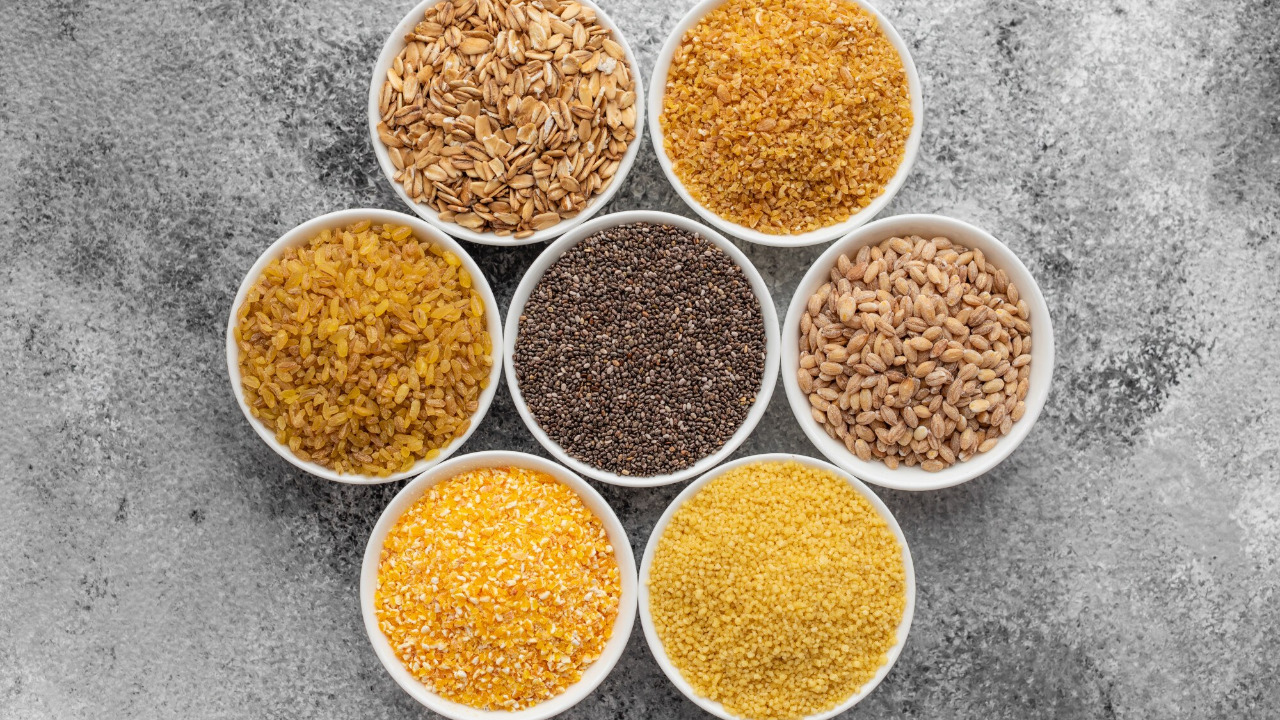
Whole grains, such as brown rice, oatmeal, and whole wheat bread, are rich in dietary fiber that can help lower inflammation levels in the body. This dietary fiber works by reducing levels of C-reactive protein, a marker of inflammation in the blood. Not only do whole grains fight inflammation, but they also help control weight, lower cholesterol, and reduce the risk of heart disease. So, make the switch from refined grains to whole grains for a healthier, inflammation-free life.
Dark Leafy Greens: An Inflammation Fighter in Your Salad Bowl
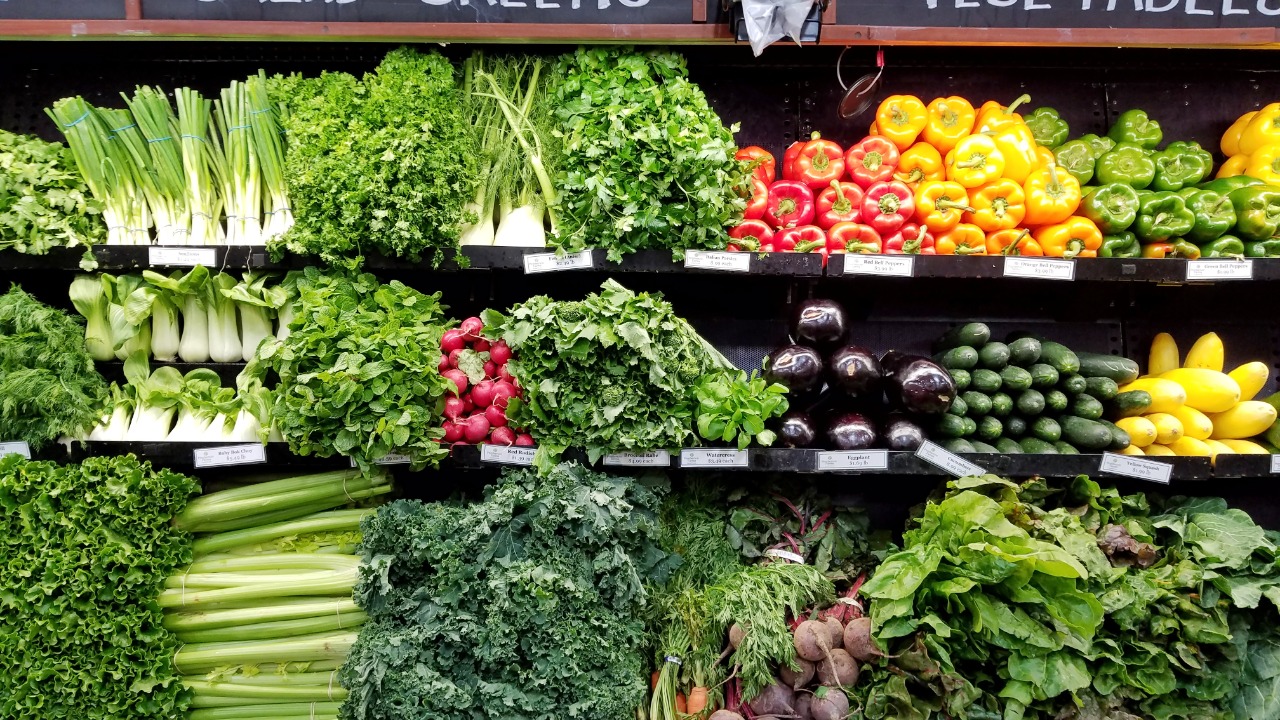
Dark leafy greens like spinach, kale, and collard greens are packed with antioxidants and polyphenols—powerful compounds known for their anti-inflammatory effects. These greens also contain high amounts of vitamin E, which plays a key role in protecting the body from pro-inflammatory molecules. Incorporating these nutrient-dense veggies into your daily diet can significantly help reduce inflammation and ward off related diseases.
Berries: Sweet and Anti-Inflammatory
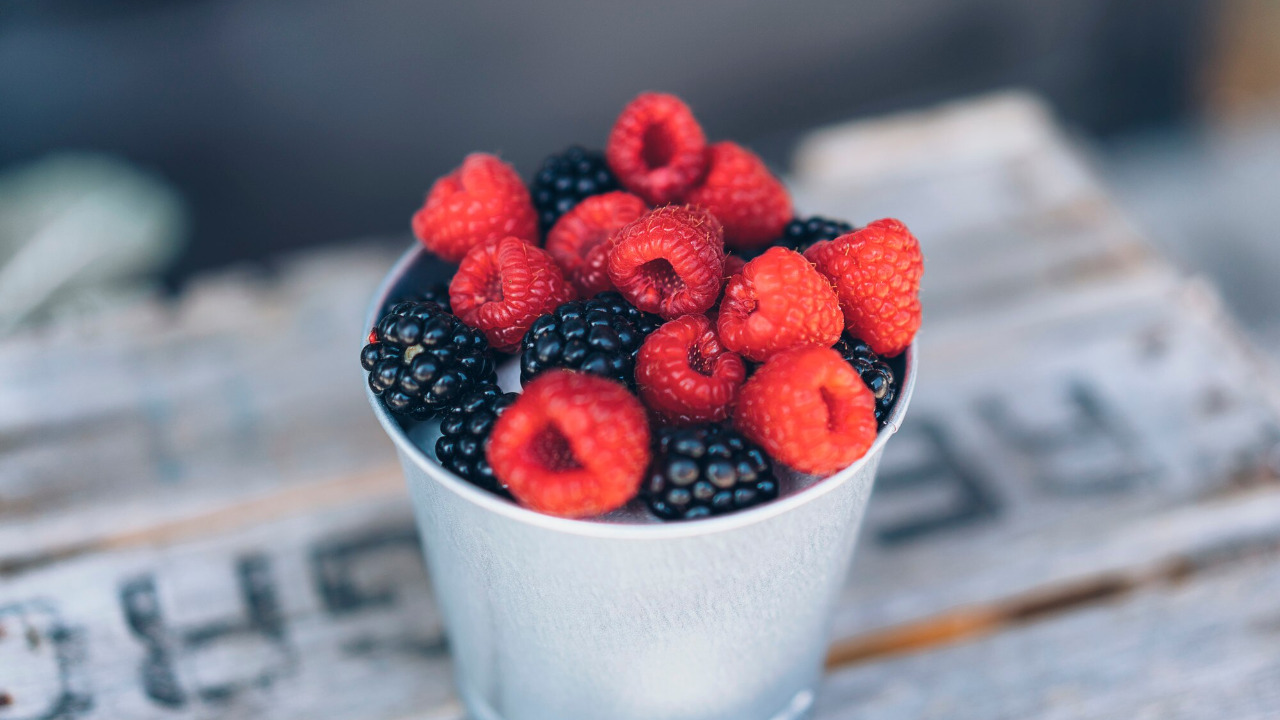
Berries are not just sweet and delicious, they are also packed with antioxidants called anthocyanins, which have potent anti-inflammatory effects. Berries like strawberries, blueberries, raspberries, and blackberries can help fight inflammation and boost overall health. They’re also easy to incorporate into your diet, whether as a quick snack, a smoothie ingredient, or as a topping for your morning oatmeal.
Fatty Fish: Omega-3s to Combat Inflammation
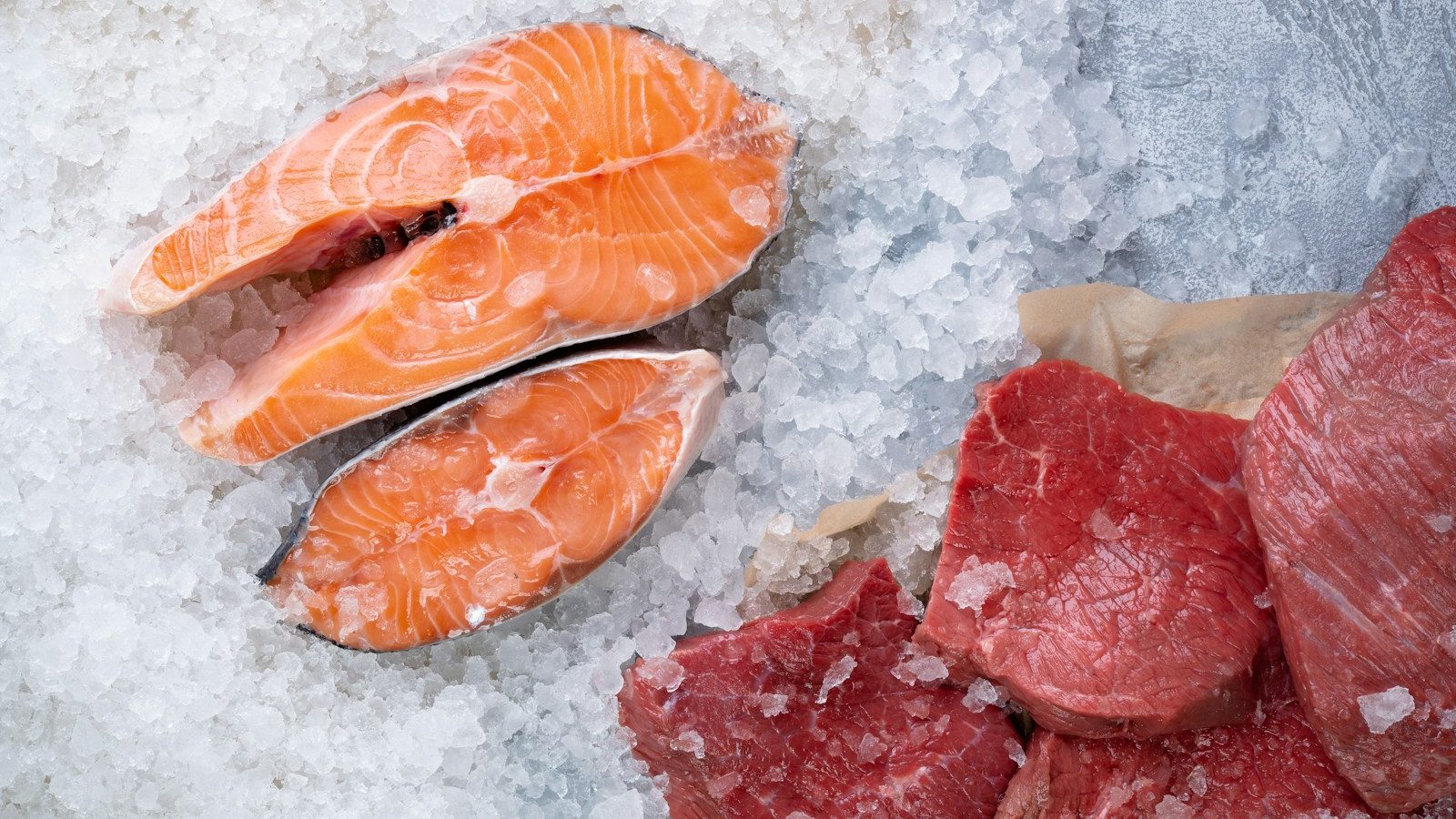
Fatty fish like salmon, mackerel, tuna, and sardines are rich in omega-3 fatty acids, which are known for their anti-inflammatory properties. Research has shown that people who regularly consume these types of fish have lower levels of inflammation and a lower risk of heart disease. If you’re not a fan of fish, consider taking fish oil supplements or flaxseed oil, both of which are also rich in omega-3s.
Avocados: The Healthy Fat Your Body Needs

Avocados are not only delicious, but they are also a powerhouse of anti-inflammatory nutrients. They’re rich in heart-healthy monounsaturated fats, fiber, and antioxidants that help fight inflammation. Plus, avocados can help your body absorb anti-inflammatory nutrients from other foods when eaten together. So, whether you’re adding it to your salad or spreading it on toast, avocados are a great addition to your anti-inflammatory diet.
Turmeric: A Spice with Powerful Anti-Inflammatory Properties

Turmeric, a bright yellow spice commonly used in Indian cuisine, has been hailed for its powerful anti-inflammatory properties. The active compound in turmeric, curcumin, has been shown to fight inflammation at the molecular level. Adding this spice to your dishes can not only enhance the flavor but also help you maintain a healthy inflammation response.
Garlic: More Than Just a Flavor Enhancer

Garlic is much more than just a flavor enhancer. It’s packed with bioactive sulfur compounds that have been shown to fight inflammation. Garlic can also boost your immune system, helping your body fight off infections and diseases. So, don’t hold back on adding this aromatic bulb to your dishes—it’s good for your health!
Olive Oil: An Essential Ingredient with Non-Essential Benefits
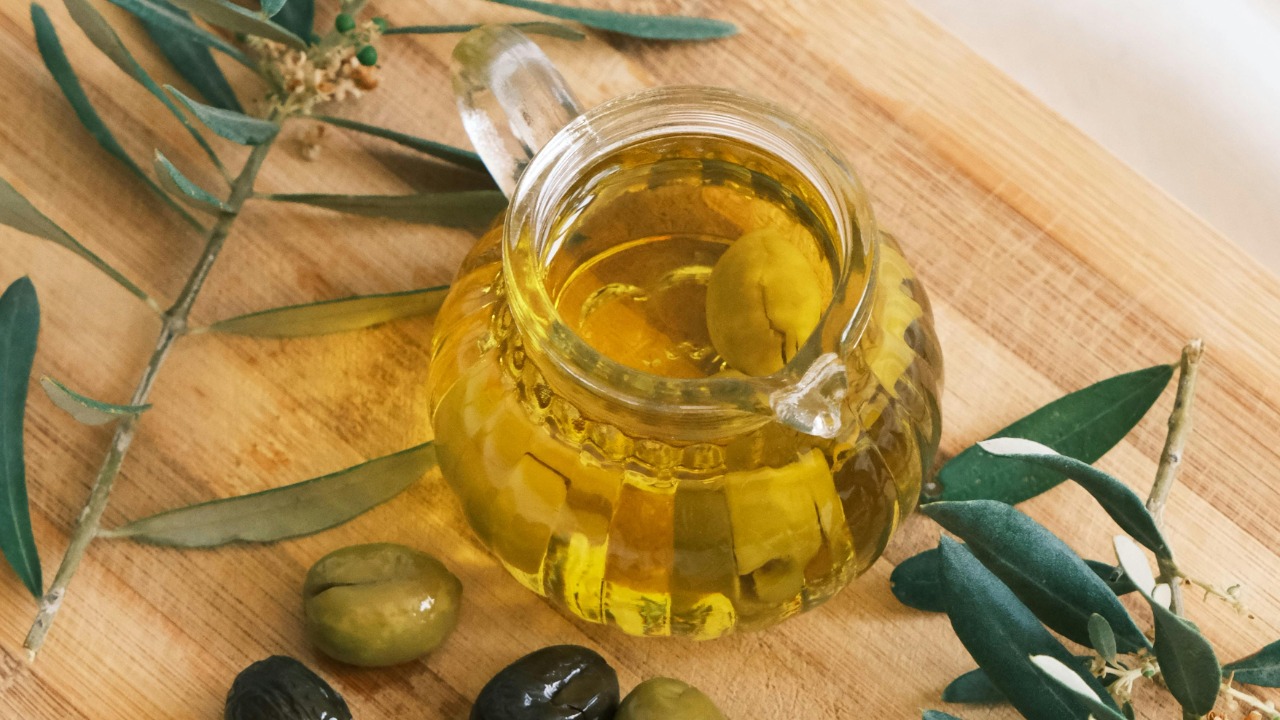
Olive oil is an essential ingredient in the Mediterranean diet, which is often touted for its health benefits, including its ability to reduce inflammation. This oil is rich in monounsaturated fats and contains oleocanthal, a compound that has been compared to anti-inflammatory drugs in terms of its effectiveness. Consider swapping out your regular cooking oil for olive oil to reap its anti-inflammatory benefits.
Green Tea: Sip Your Way to Lower Inflammation

Green tea is not only a soothing beverage, but it’s also a powerful inflammation fighter. It’s packed with antioxidants including epigallocatechin-3-gallate (EGCG), which is known for its anti-inflammatory effects. Regular consumption of green tea can lower inflammation and even reduce the risk of heart disease and cancer. So, why not replace your morning coffee with a cup of green tea?
Nuts and Seeds: Snack on These for Less Inflammation
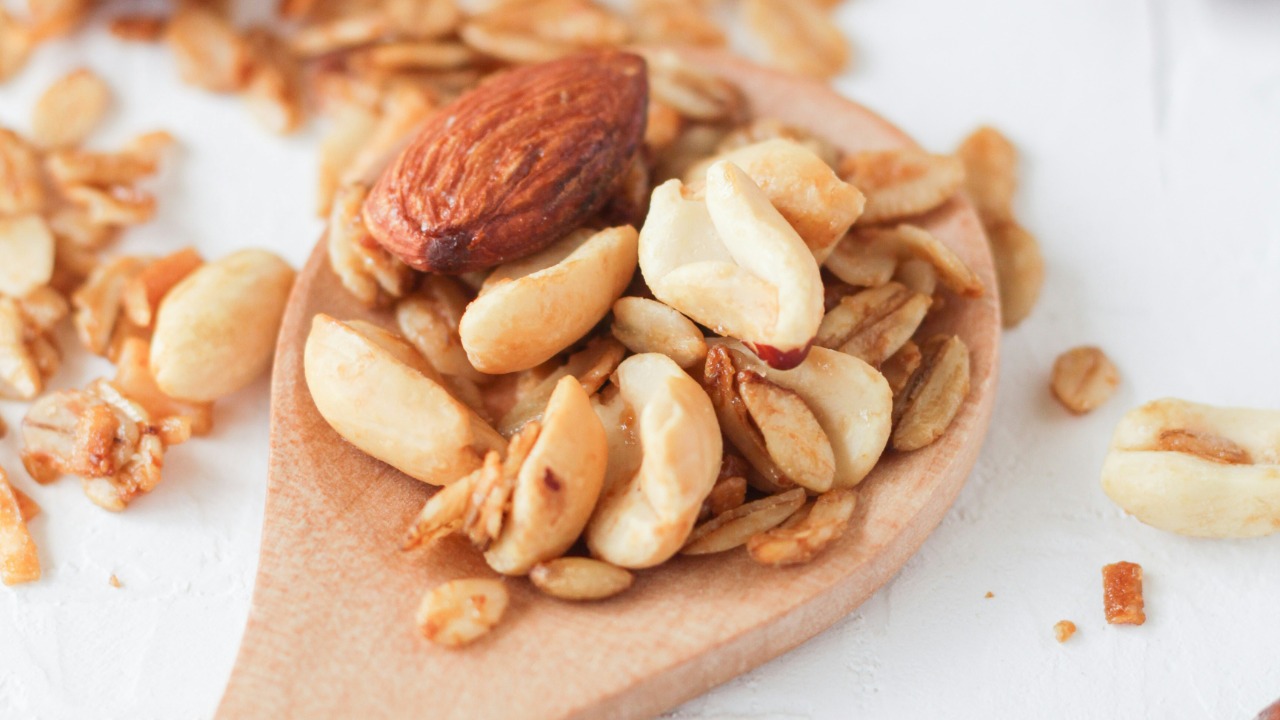
Nuts and seeds like almonds, walnuts, flaxseeds, and chia seeds are packed with anti-inflammatory nutrients like fiber, protein, and healthy fats. They’re also rich in antioxidants that help fight inflammation. Swapping out your regular snack for a handful of nuts or seeds can help reduce inflammation and provide your body with a host of beneficial nutrients.
Tomatoes: A Delicious Source of Anti-Inflammatory Nutrients
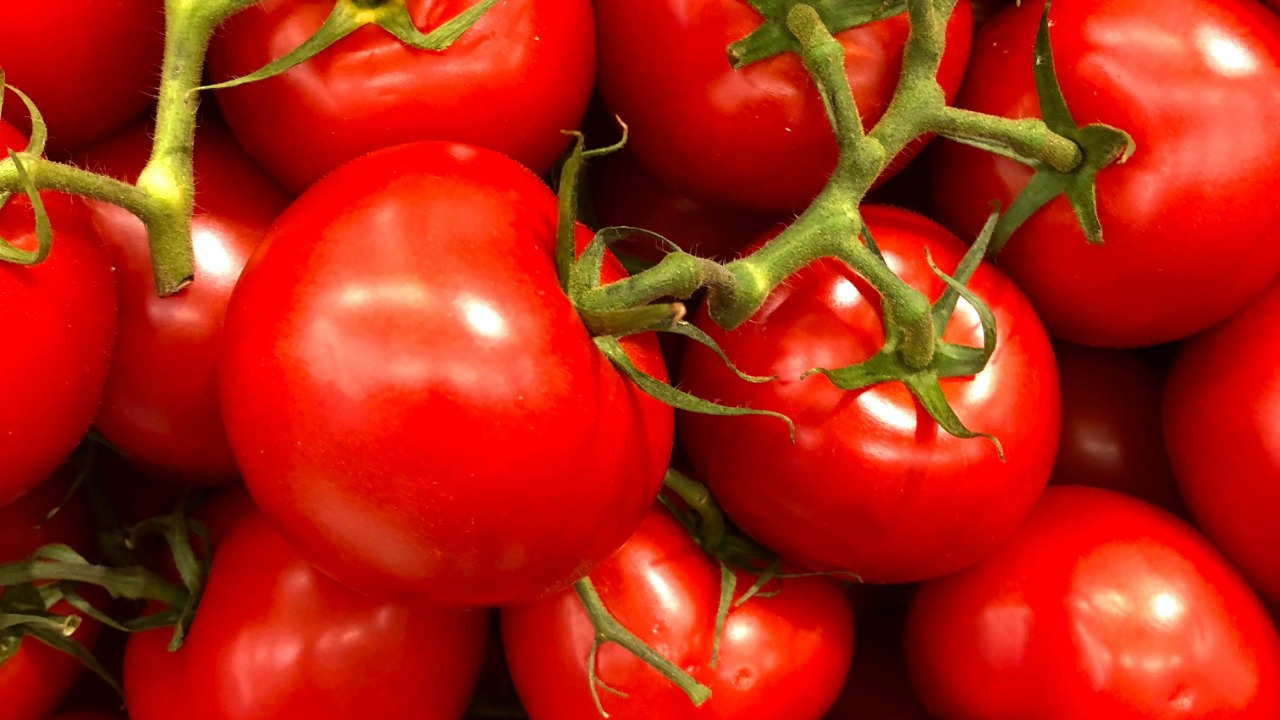
Tomatoes are a delicious source of anti-inflammatory nutrients. They’re rich in lycopene, a powerful antioxidant that has been shown to reduce inflammation in the lungs and throughout the body. Whether you enjoy them raw in a salad, cooked in a sauce, or as a juice, tomatoes can help keep inflammation at bay.

As a mom of three busy boys, I know how chaotic life can get — but I’ve learned that it’s possible to create a beautiful, cozy home even with kids running around. That’s why I started Cultivated Comfort — to share practical tips, simple systems, and a little encouragement for parents like me who want to make their home feel warm, inviting, and effortlessly stylish. Whether it’s managing toy chaos, streamlining everyday routines, or finding little moments of calm, I’m here to help you simplify your space and create a sense of comfort.
But home is just part of the story. I’m also passionate about seeing the world and creating beautiful meals to share with the people I love. Through Cultivated Comfort, I share my journey of balancing motherhood with building a home that feels rich and peaceful — and finding joy in exploring new places and flavors along the way.