Native gardens can be rewarding and beautiful, but they don’t always thrive as expected. Many gardeners find themselves frustrated when their native plants don’t grow well or seem to disappear over time.
Understanding why native gardens fail helps you avoid common pitfalls and create a healthier space for local plants. Knowing what to watch for can make a big difference in keeping your garden vibrant and sustainable.
Insufficient time for plants to establish, usually needing at least 3 years

When you start a native garden, it takes time for plants to settle in and grow strong. Often, it can take at least three years before your garden looks full and balanced.
During this period, you might see some bare spots or fewer plants than you expect. Patience is important because native plants need time to develop roots and compete with weeds naturally.
Giving your garden time will help you avoid frustration and create a healthy ecosystem that thrives on its own.
Mismatched plant heights causing overcrowding and overshadowing

When you select plants without considering their mature height, taller plants can overshadow shorter ones. This limits sunlight for smaller plants and slows their growth.
Overcrowding happens when tall plants spread too much, leaving little space for others.
By planning with plant heights in mind, you help each plant get enough light and room to thrive, keeping your garden balanced and healthy.
Selecting plants not suited to local yard conditions
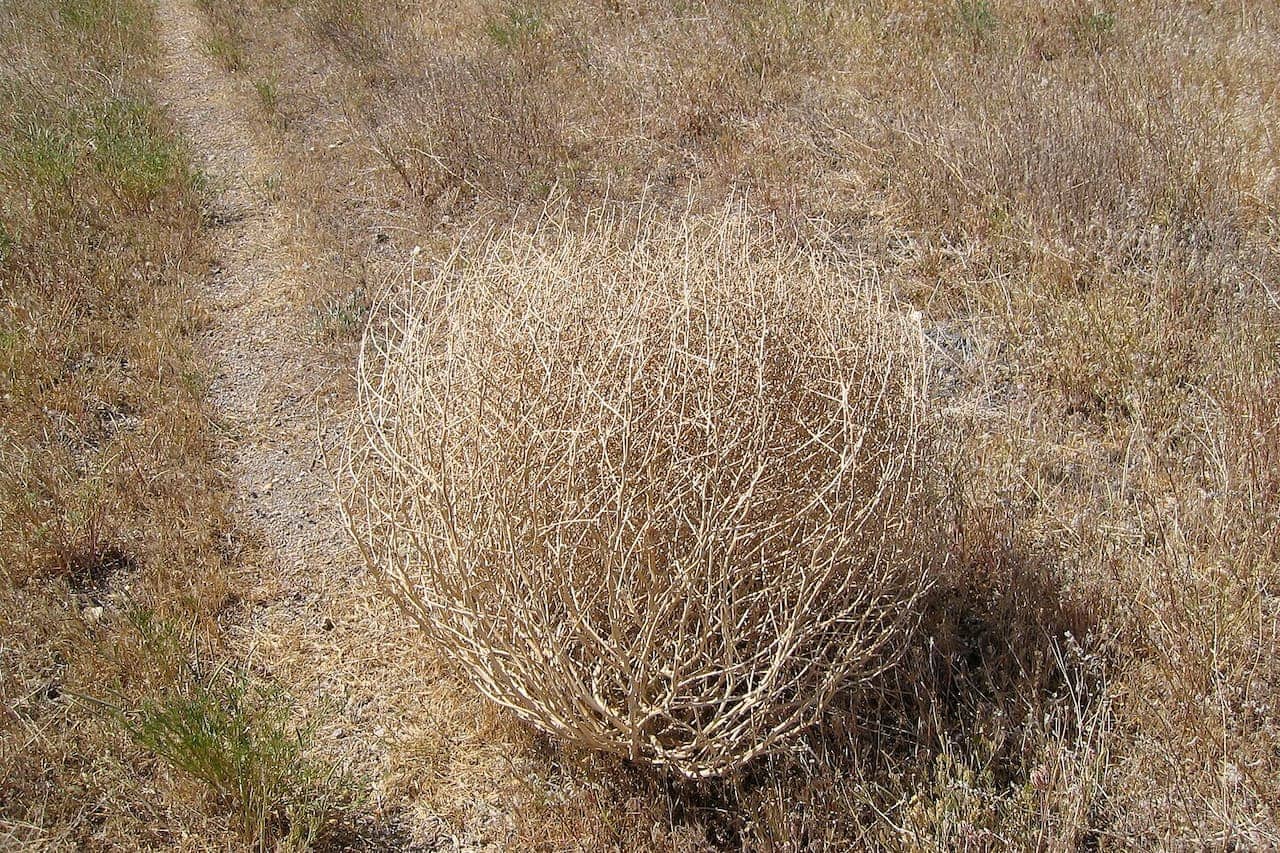
You might choose plants that look nice but don’t fit your yard’s soil, sunlight, or moisture levels. This mismatch often leads to poor growth or plant stress.
Native plants usually handle local conditions better, but you still need to pick species that match your specific environment. Knowing your yard’s details helps you avoid frustration and wasted effort.
Ignoring soil composition changes after previous landscaping
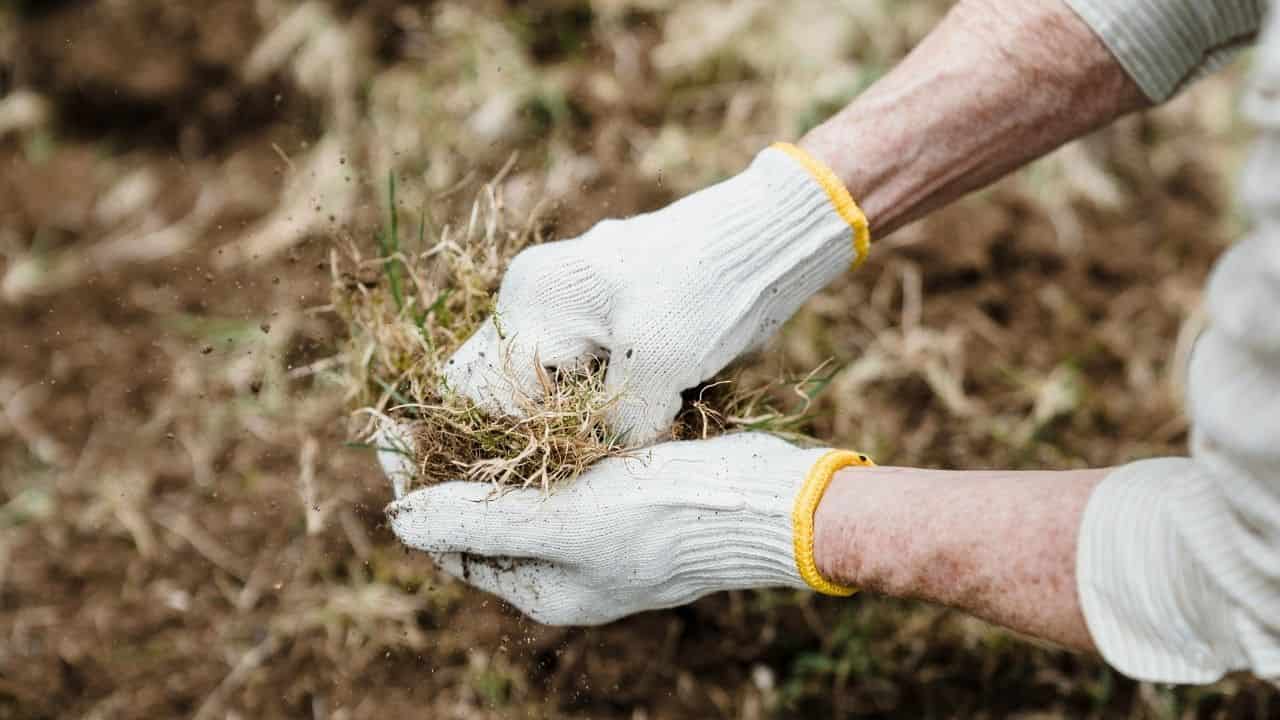
Your native garden may struggle if you don’t consider how past landscaping altered the soil. Compacted or amended soil can prevent native plants from establishing roots properly.
It’s important to test your soil before planting. You might need to adjust pH or add organic matter to recreate conditions native plants prefer.
Ignoring these changes can lead to poor plant health even if you choose the right species. Taking time to restore soil helps your native garden thrive.
Improper weed control letting invasive species take over

If you don’t manage weeds early, invasive plants can quickly take hold in your native garden. These invaders often outcompete the native species for resources.
Simply pulling them might disturb the soil and create more opportunities for invasives to spread. You need to control them carefully before planting natives to give your garden a better chance.
Planting in raised beds with poor location or drainage

If your raised bed is in a spot with poor drainage, your plants may struggle despite the benefits of raised soil. Water can pool and suffocate roots, causing stress or rot.
You should choose a location with good sunlight and avoid low areas where water collects. Even in a raised bed, soil quality and spot selection are key for native plants to thrive.
Low root competition leading to floppy or weak native plants

When your native plants face low root competition, they may grow too quickly above ground. This can cause stems to become weak and floppy.
Without enough competition below the soil, plants don’t develop strong root systems. That means they can’t support their rapid growth well.
To help your plants stay sturdy, consider adding other species nearby. This encourages balanced root growth and strengthens your native garden.
Using non-native plants conflicting with native garden goals

When you include non-native plants, your garden may lose its ability to support local wildlife. These plants often don’t provide the right food or habitat for native insects and birds.
You might think non-native plants add variety, but they can take up space where native species could thrive. This limits the garden’s overall biodiversity.
Remember, a few non-invasive non-natives might be okay, but relying on them too much can undermine your goal of building a truly native ecosystem.
Failure to understand specific moisture and sunlight needs
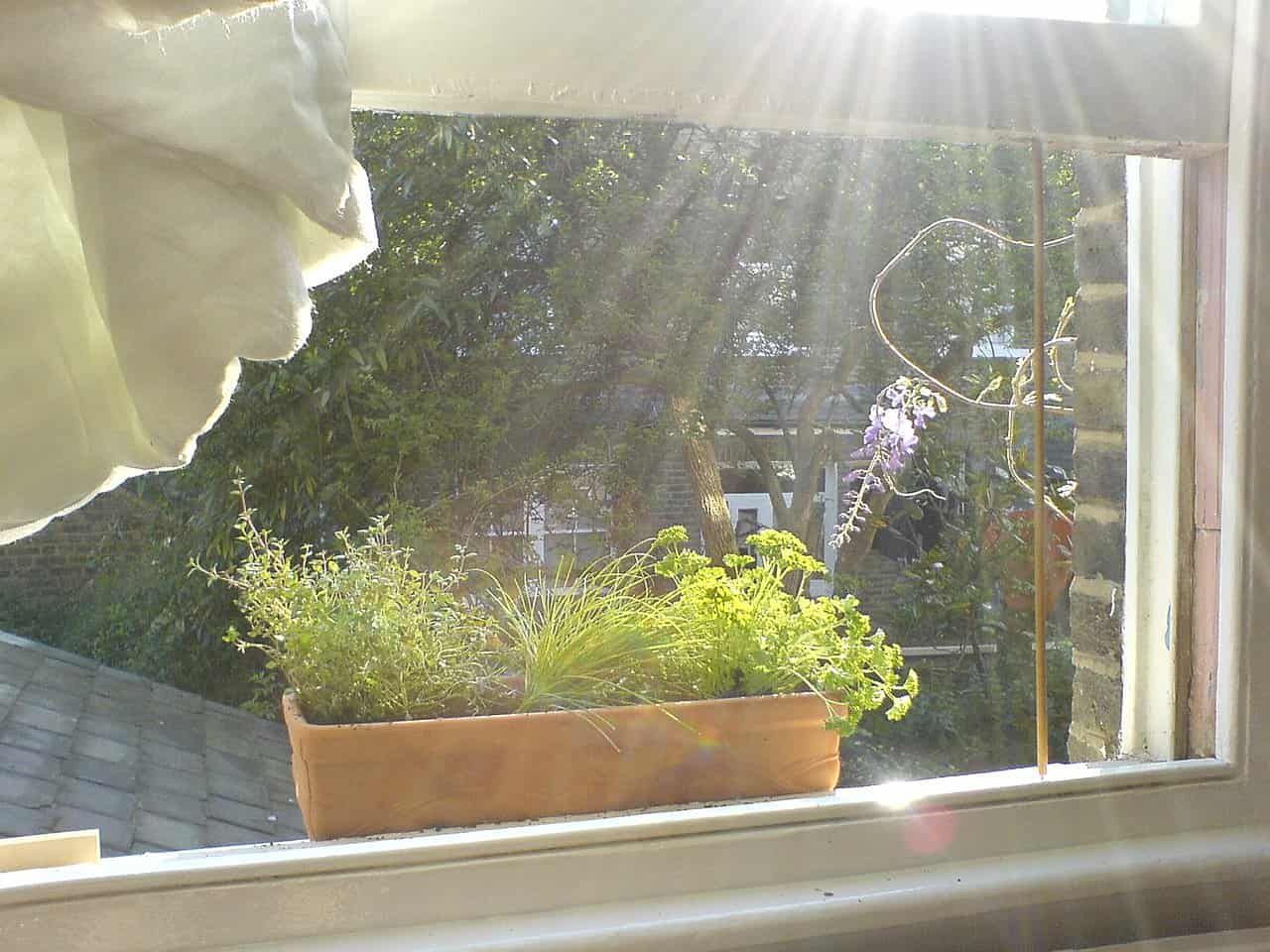
You might think native plants are tough, but they often need very specific moisture levels to thrive. Planting a species that prefers dry soil in a wet area can cause it to struggle or die.
Sunlight requirements are just as important. If a native plant needs full sun but is placed in shade, it won’t grow well. Knowing your garden’s conditions helps you pick the right natives for success.
Planting species that get too tall for the space

When you choose plants that grow taller than your garden can handle, they may crowd out smaller plants. This can lead to an unbalanced look and limit sunlight for others.
Tall plants can also cause issues with local rules, such as HOA guidelines. Picking species that fit your space keeps your garden neat and avoids potential fines.
High expectations without patience for native growth pace

You might expect fast results, but native plants often grow slower than non-natives. This patience is key for success.
If you get frustrated and replace plants too soon, your garden may never establish properly.
Native plants invest more time in developing deep roots and adapting to local conditions.
Give them seasons to settle in, and you’ll enjoy a healthier, more resilient garden over time.
Lack of knowledge about local microclimates

When you plant native species, understanding the specific conditions of your garden matters a lot. Microclimates can vary even within a small area, affecting sunlight, moisture, and temperature.
If you don’t consider these subtle differences, your plants might struggle. For example, some native plants need more shade or better drainage than you expect.
Learning about your garden’s unique conditions helps you choose the right native plants that will thrive where you live.

As a mom of three busy boys, I know how chaotic life can get — but I’ve learned that it’s possible to create a beautiful, cozy home even with kids running around. That’s why I started Cultivated Comfort — to share practical tips, simple systems, and a little encouragement for parents like me who want to make their home feel warm, inviting, and effortlessly stylish. Whether it’s managing toy chaos, streamlining everyday routines, or finding little moments of calm, I’m here to help you simplify your space and create a sense of comfort.
But home is just part of the story. I’m also passionate about seeing the world and creating beautiful meals to share with the people I love. Through Cultivated Comfort, I share my journey of balancing motherhood with building a home that feels rich and peaceful — and finding joy in exploring new places and flavors along the way.