Ranch Dressing
Often the go-to salad dressing for many, ranch dressing adds a creamy, tangy flavor to salads. It’s versatile and can be used not just on salads but also as a dip for vegetables and a variety of other foods. However, it’s the high calorie and fat content that often gets overlooked when reaching for this popular dressing.
As awareness of healthy eating increases, the focus on the nutritional content of everyday food items has never been more significant. Ranch dressing, despite its popularity, is high in calories, sodium, and saturated fat. Choosing this dressing can turn a healthy salad into a calorie-dense meal. Healthline provides an in-depth look at the nutritional profile of popular salad dressings.
Blue Cheese Dressing
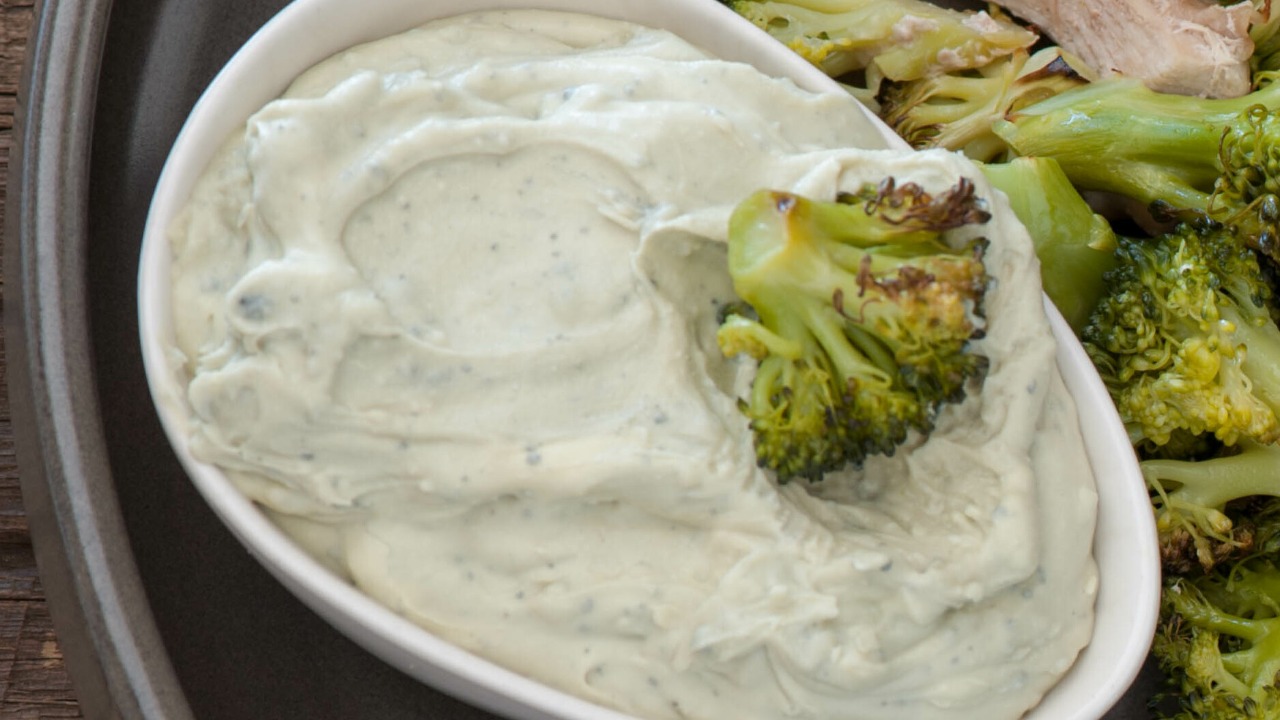
Blue cheese dressing is favored for its strong, tangy flavor. The distinctive taste of blue cheese pairs well with a variety of salads and is a popular choice among cheese lovers. Yet, its high calorie and fat content are often overlooked, making it a less-than-ideal choice for those seeking healthier options.
In the current health-conscious environment, understanding the nutritional content of food is crucial. Blue cheese dressing, while flavorful, can add a significant amount of calories and fat to a salad. With a growing trend towards healthier eating, it is important to choose dressings that align with nutritional goals. Eat This, Not That! provides a list of salad dressings to steer clear of.
French Dressing
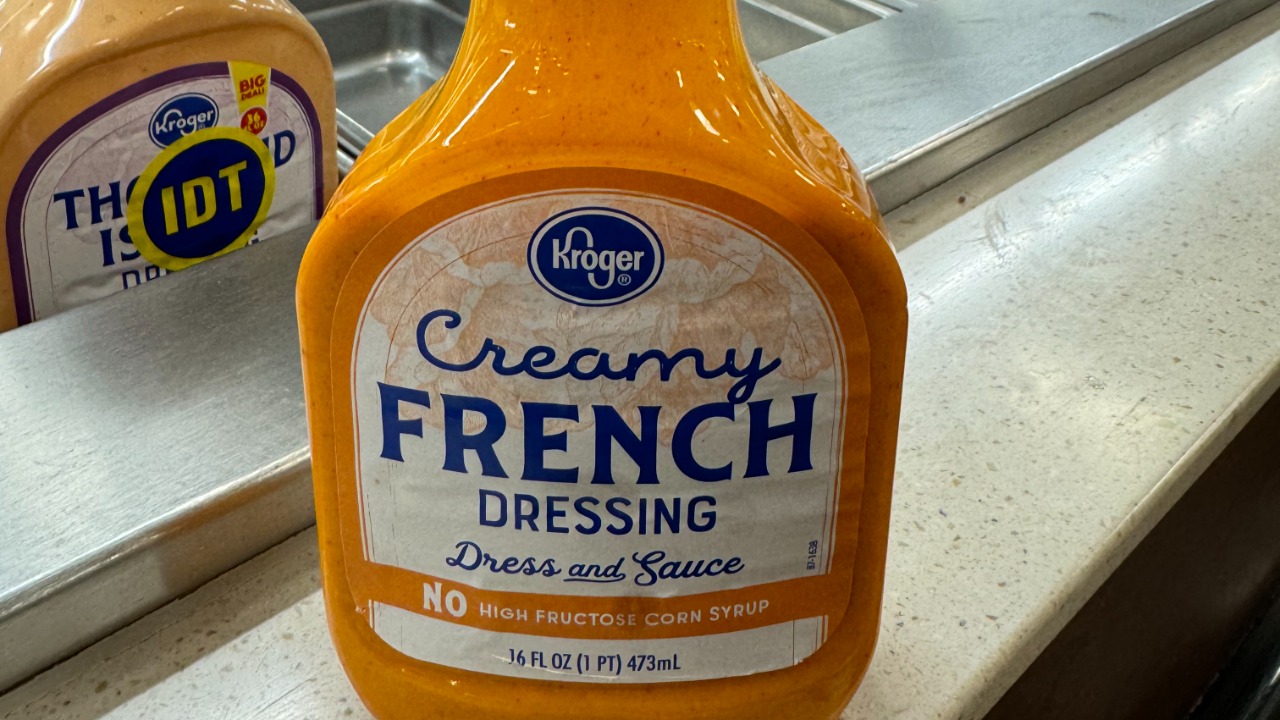
French dressing is known for its sweet and tangy flavor. Its bright orange color and unique taste make it a popular choice. Despite its appeal, many may overlook its high sugar and sodium content, which can counteract the benefits of eating a salad.
As we become more knowledgeable about the importance of limiting sugar and sodium intake, the choice of salad dressing has come under scrutiny. French dressing, while tasty, contains a high amount of sugar and sodium. Awareness of these factors is crucial in today’s health-conscious society. Mayo Clinic provides advice on choosing the right salad dressing.
Creamy Caesar Dressing
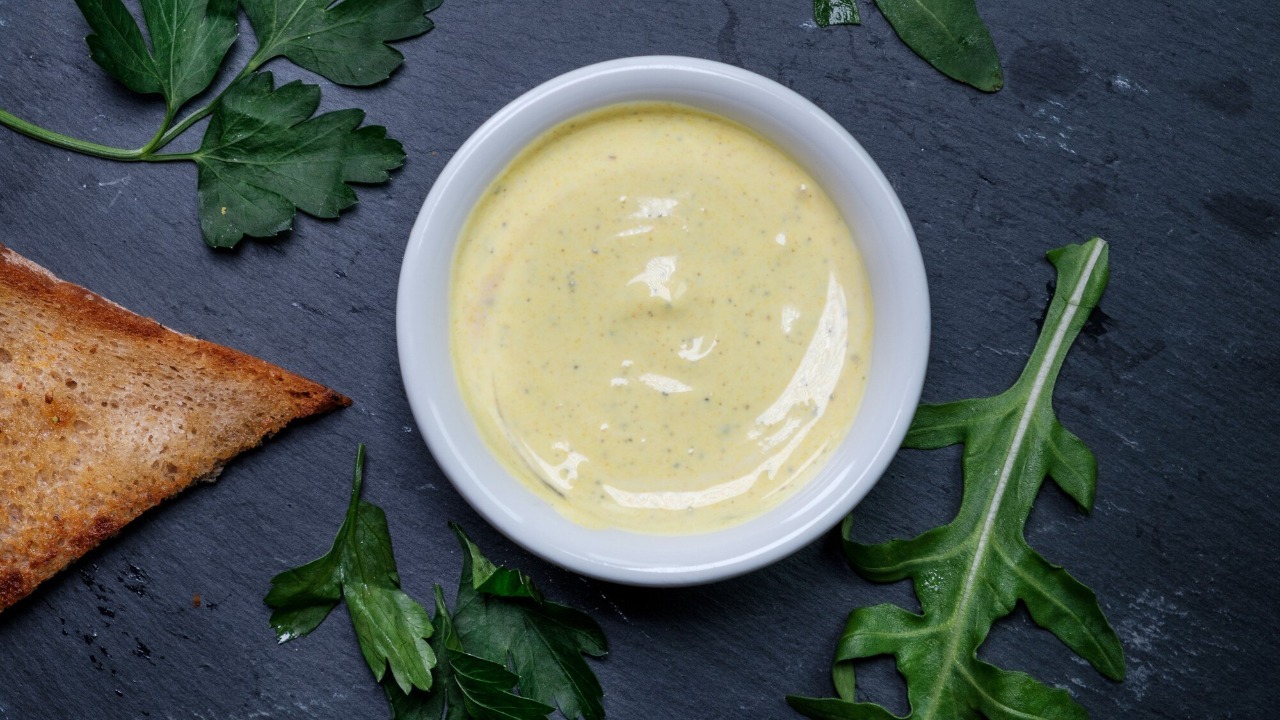
Creamy Caesar dressing is a classic choice for Caesar salad lovers. Its creamy texture and rich flavors make it a popular choice. However, it’s often overlooked that this dressing is high in fat, calories, and sodium.
With the growing trend of healthy eating and nutritional awareness, it’s important to consider the nutritional content of salad dressings. Creamy Caesar dressing, while delicious, can add a hefty dose of calories, fat, and sodium to a salad. Harvard Health Blog discusses the impact of salad dressings on health.
Thousand Island Dressing
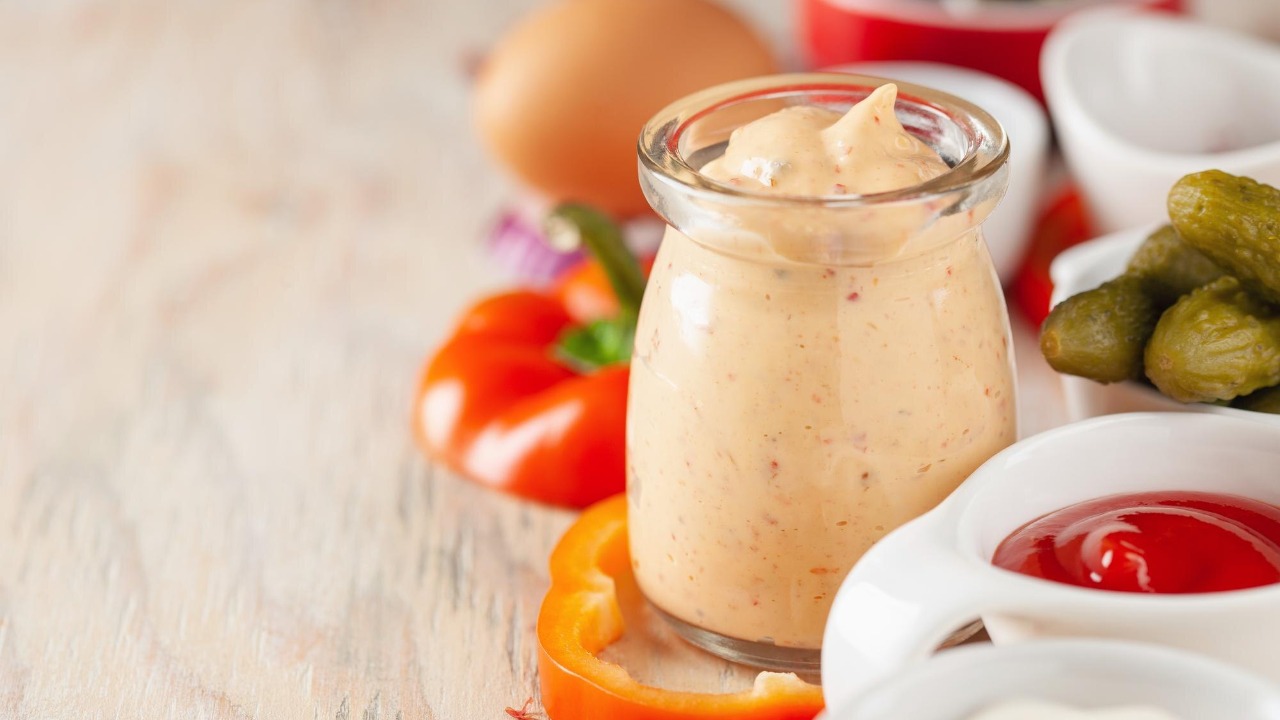
Known for its distinct flavor, Thousand Island dressing is a favorite for many salad lovers. Its sweet and tangy flavor pairs well with a variety of salads. However, its high calorie, sugar, and sodium content can negate the health benefits of a salad.
In the current health-conscious society, it’s important to be aware of the nutritional content of the foods we consume. Thousand Island dressing, while tasty, can add unnecessary calories, sugar, and sodium to a salad. Healthline provides tips on how to make a healthier salad.
Honey Mustard Dressing

Honey mustard dressing is a popular choice for its sweet and tangy flavor. It’s often used not only on salads but also as a dip or marinade. However, it’s high in sugar and sodium, which can be a concern for those watching their sugar or sodium intake.
With increasing awareness about the importance of a balanced diet, it’s crucial to consider the nutritional content of salad dressings. Honey mustard dressing, despite its appealing flavor, can add a significant amount of sugar and sodium to your meal. The American Heart Association provides guidelines on sugar intake.
Italian Dressing
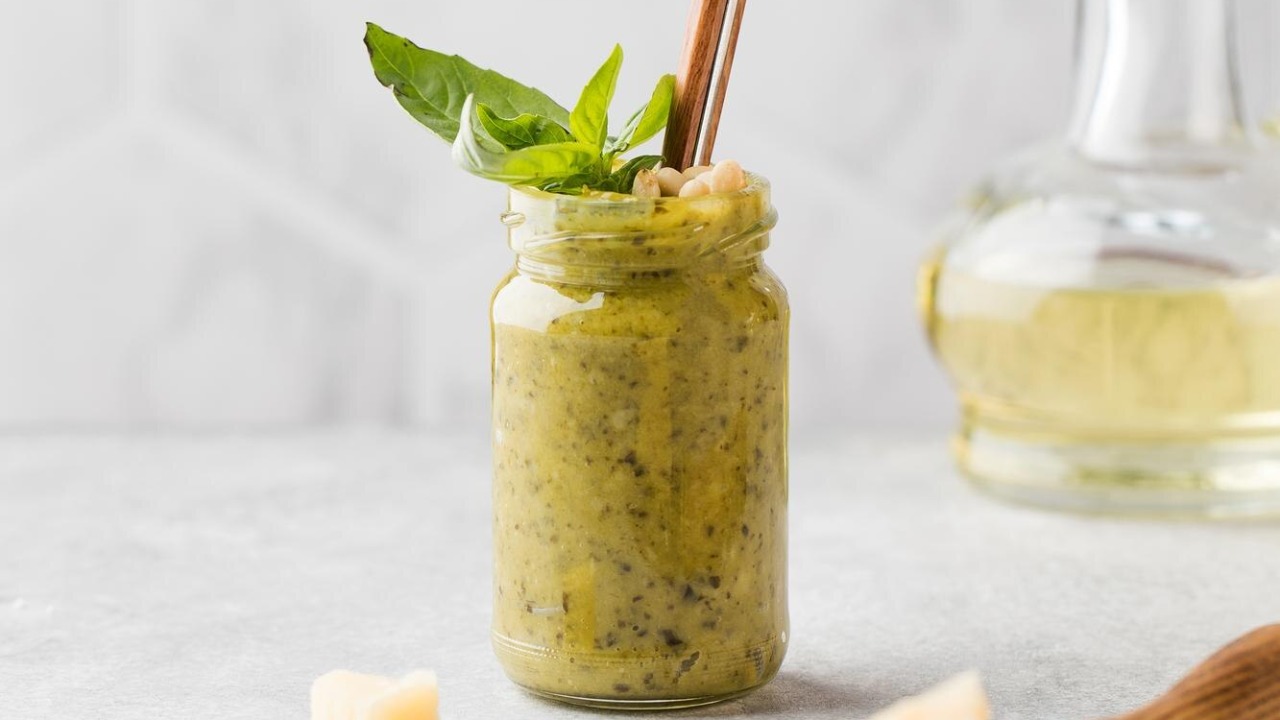
Italian dressing is a versatile option that can be used on various salads and dishes. Its tangy flavor is loved by many, but its high sodium content is often overlooked. While it may be lower in calories than creamy dressings, the sodium content can still be a concern.
As health-consciousness grows, it’s important to consider the sodium content in the foods we consume. Italian dressing, while light and flavorful, can significantly increase the sodium content of a salad. The CDC provides guidelines on sodium intake.
Balsamic Vinaigrette
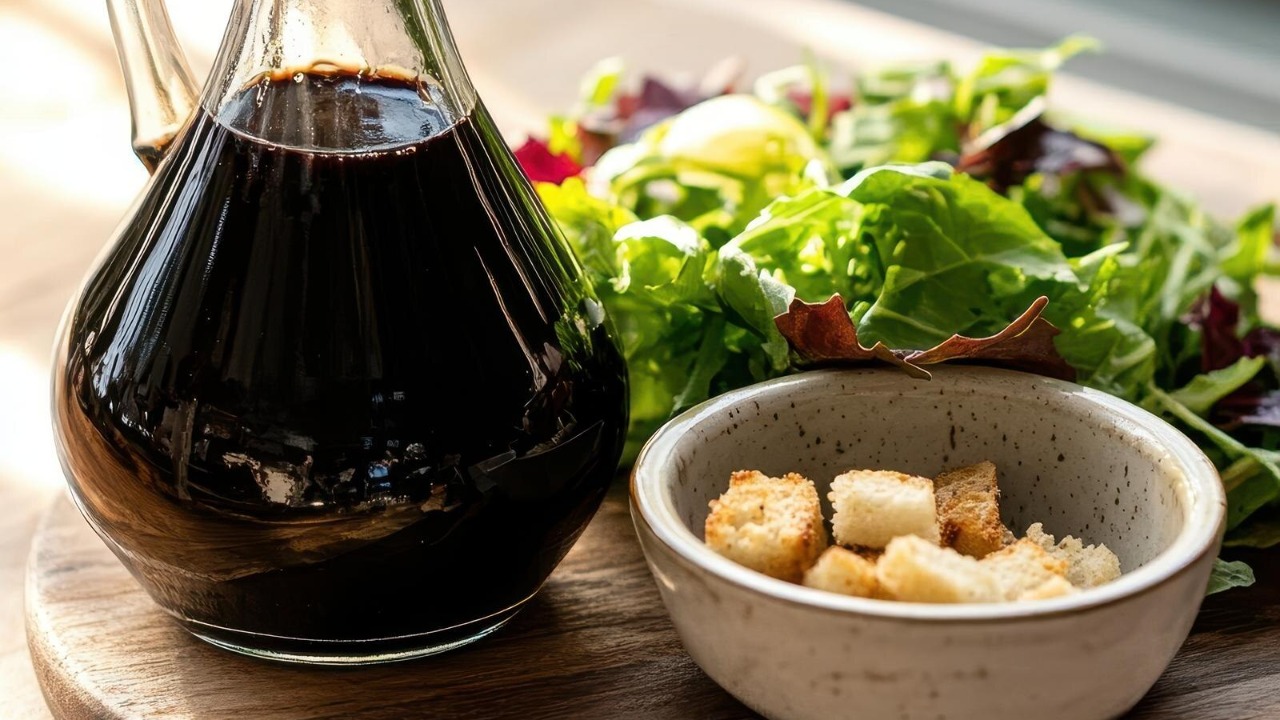
Balsamic vinaigrette is a popular choice for its sweet and tangy flavor. It’s often chosen as a healthier alternative to creamy dressings. However, it can be high in sugar, which can be a concern for those watching their sugar intake.
With a growing focus on limiting sugar in our diets, it’s important to be aware of hidden sugars in foods like salad dressings. Balsamic vinaigrette, while lighter than creamy dressings, can still contain a significant amount of sugar. The Academy of Nutrition and Dietetics provides guidelines on sugar intake.
Parmesan Peppercorn Dressing

Parmesan peppercorn dressing is known for its bold, cheesy flavor. It’s a favorite among cheese lovers and can be used on a variety of salads. However, it’s high in calories and fat, which can be a concern for those watching their weight.
As more and more people focus on healthy eating, it’s important to consider the calorie and fat content of salad dressings. Parmesan peppercorn dressing, while packed with flavor, can add a significant amount of calories and fat to a salad. Eat This, Not That! provides a list of salad dressings to avoid.
Buttermilk Dressing
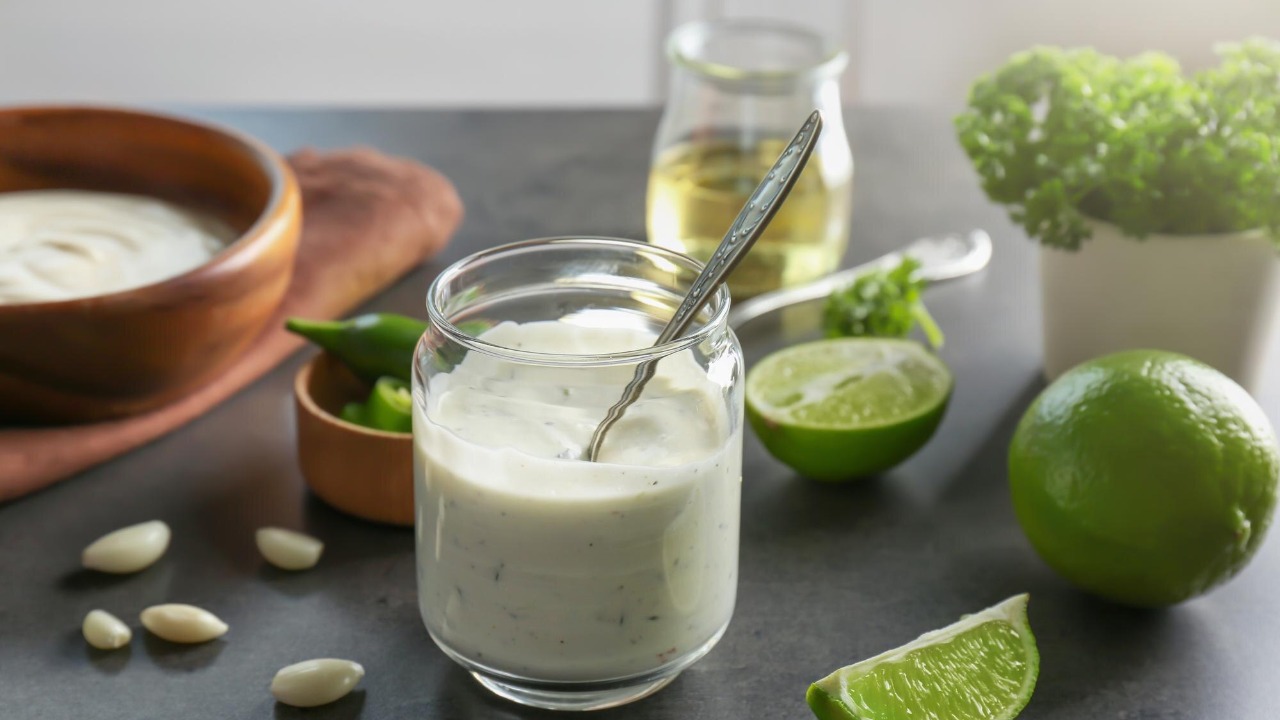
Buttermilk dressing is a creamy and tangy option that pairs well with a variety of salads. It’s often chosen for its unique flavor. However, it’s high in calories and fat, which can be a concern for those watching their weight.
With a growing focus on healthy eating, it’s important to consider the nutritional content of salad dressings. Buttermilk dressing, while flavorful, can add a significant amount of calories and fat to a salad. Harvard Health Blog discusses the impact of salad dressings on health.
Creamy Garlic Dressing
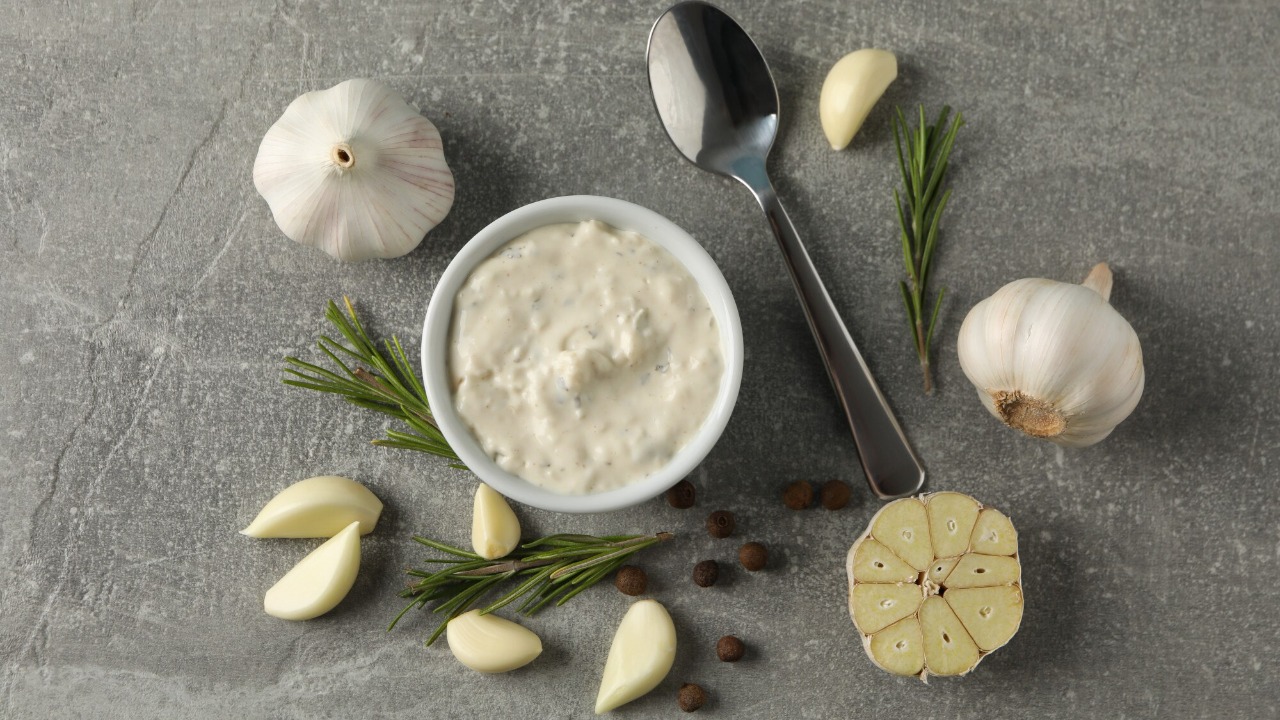
Creamy garlic dressing is a favorite for its robust garlic flavor. It’s often used on a variety of salads and dishes. However, it’s high in calories, fat, and sodium, which can be a concern for those watching their weight and sodium intake.
As awareness of healthy eating increases, it’s important to consider the nutritional content of salad dressings. Creamy garlic dressing, while flavorful, can add a significant amount of calories, fat, and sodium to a salad. Healthline provides tips on how to make a healthier salad.

As a mom of three busy boys, I know how chaotic life can get — but I’ve learned that it’s possible to create a beautiful, cozy home even with kids running around. That’s why I started Cultivated Comfort — to share practical tips, simple systems, and a little encouragement for parents like me who want to make their home feel warm, inviting, and effortlessly stylish. Whether it’s managing toy chaos, streamlining everyday routines, or finding little moments of calm, I’m here to help you simplify your space and create a sense of comfort.
But home is just part of the story. I’m also passionate about seeing the world and creating beautiful meals to share with the people I love. Through Cultivated Comfort, I share my journey of balancing motherhood with building a home that feels rich and peaceful — and finding joy in exploring new places and flavors along the way.