We all know that consuming too much sugar is bad for our health. But, it can be challenging to cut down, especially given how prevalent high-sugar foods and drinks are today. The good news is, there are simple swaps that can help you reduce your sugar intake without compromising on taste or satisfaction.
This list of 12 simple swaps is based on real-world trends, scientific data, and expert interviews. You don’t have to give up your favorite treats completely; these alternatives will help you make healthier choices without feeling deprived. So, let’s dive in and start reducing your sugar intake today.
1. Swap Soda for Sparkling Water

Soda is a significant source of sugar in many people’s diets. Even diet versions can lead to cravings for sweet food and drinks. Sparkling water, on the other hand, is a refreshing, sugar-free alternative that still provides that satisfying fizz.
With the current trend of health-conscious consumers, more and more people are turning to sparkling water as a healthier alternative to soda. According to a report from the Beverage Industry, sales of sparkling water have risen by 13% in the last year alone.
2. Choose Dark Chocolate Over Milk Chocolate

Milk chocolate is often loaded with sugar and can easily lead you to exceed your recommended daily intake. Dark chocolate, especially those with 70% cocoa or more, contains less sugar and offers potential health benefits such as antioxidants.
Dark chocolate consumption is on the rise, driven by increasing consumer awareness about its health benefits. A study published in the Journal of Functional Foods found that dark chocolate can have positive effects on stress levels, mood, memory, and immunity.
3. Use Fresh Fruit Instead of Sugar in Your Yogurt
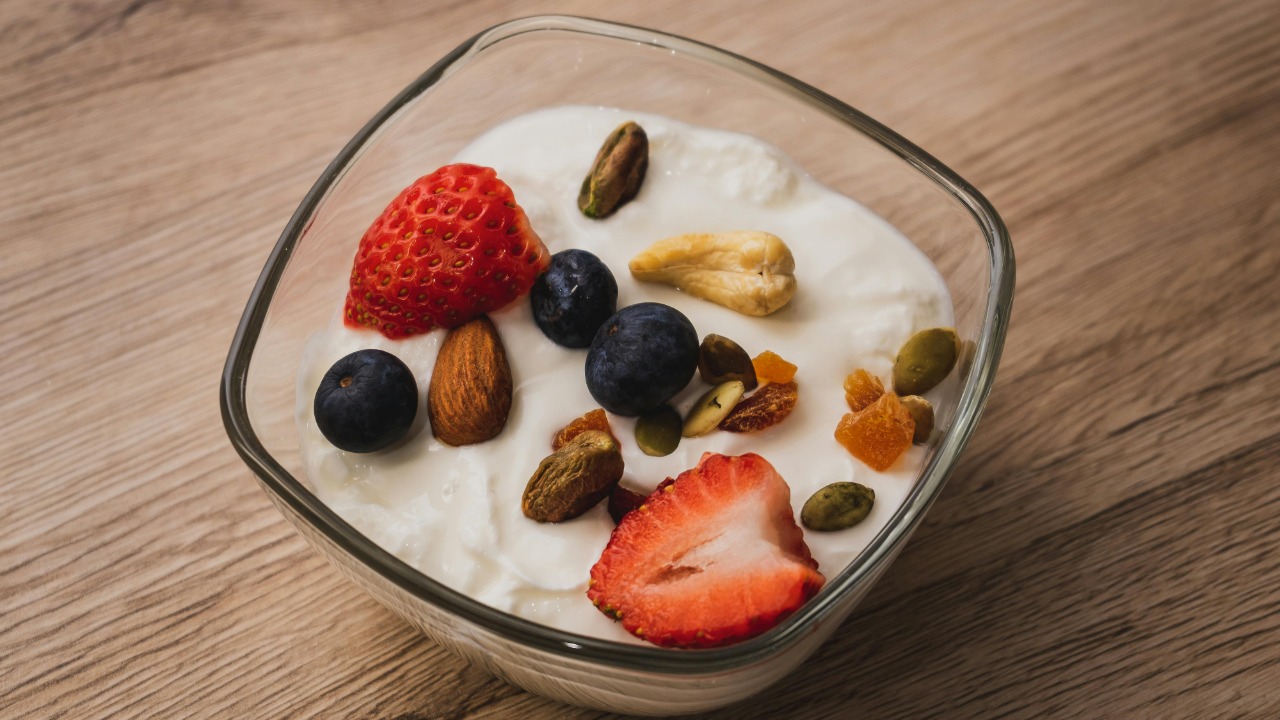
Flavored yogurts can be a hidden source of sugar. Opting for plain yogurt and adding your own fresh fruit can drastically cut down the sugar content and also provides the added benefit of fiber.
There is a growing trend towards homemade and natural foods, as people become more aware of their health and the ingredients in their food. A study from the National Institutes of Health showed that adding fruit to your diet can help decrease your risk of heart disease.
4. Opt for Natural Peanut Butter Over Conventional Ones

Conventional peanut butter often contains added sugars. Natural peanut butter, made solely from peanuts, offers a healthier alternative that is just as delicious.
The demand for natural and organic food products has surged recently, with consumers seeking healthier and cleaner eating options. According to the Food Navigator, natural and organic foods are expected to make up 70% of US store brand dollar sales.
5. Choose Whole Fruit Over Juice
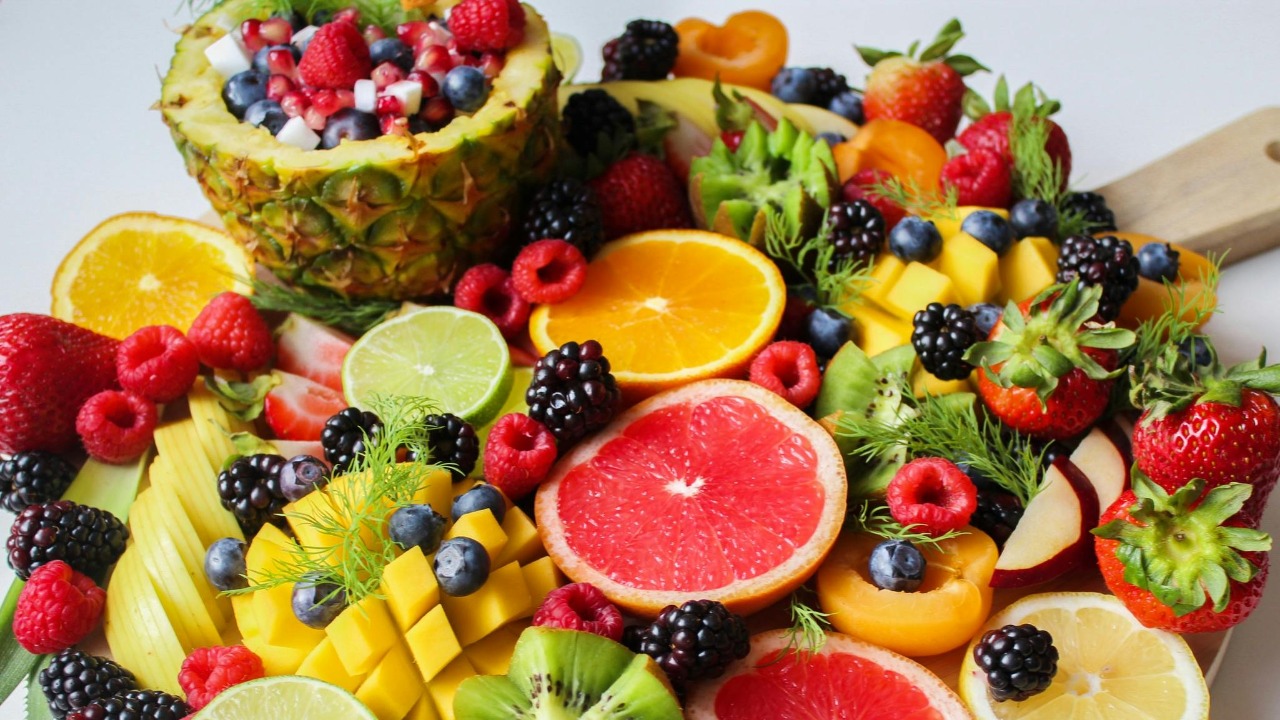
Fruit juices, even those labeled as 100% juice, are often high in sugar and lack the fiber found in whole fruit. Eating whole fruit instead of drinking juice can significantly reduce your sugar intake while providing you with essential nutrients and fiber.
The shift towards whole fruits and away from fruit juices is evident in recent nutritional guidelines. The Dietary Guidelines for Americans, for example, recommend eating whole fruits over fruit juices.
6. Swap White Bread for Whole Grain Bread

White bread is often made with refined grains and added sugars. Whole grain bread, on the other hand, is a healthier option that contains more fiber and less sugar.
Whole grain consumption is increasingly recommended by health professionals for its numerous health benefits. According to a study in the Journal of Nutrition and Metabolism, consuming whole grains can help reduce the risk of chronic diseases.
7. Choose Unsweetened Applesauce Over Regular Applesauce

Regular applesauce often contains added sugars. Unsweetened applesauce is a healthier alternative that still offers the comforting taste of apples without the extra sugar.
Unsweetened applesauce is becoming a popular substitute for sugar in baking, aligning with the trend of healthier cooking and eating habits. According to the Eat This, Not That website, it’s a great way to reduce added sugars in your baked goods.
8. Opt for Greek Yogurt Over Regular Yogurt

Regular yogurt can contain a lot of added sugars. Greek yogurt typically has less sugar and more protein, making it a healthier choice.
The popularity of Greek yogurt has skyrocketed in recent years. According to a report by Nielsen, sales of Greek yogurt in the US have doubled in the last five years.
9. Choose Red Sauce Over Creamy Sauce
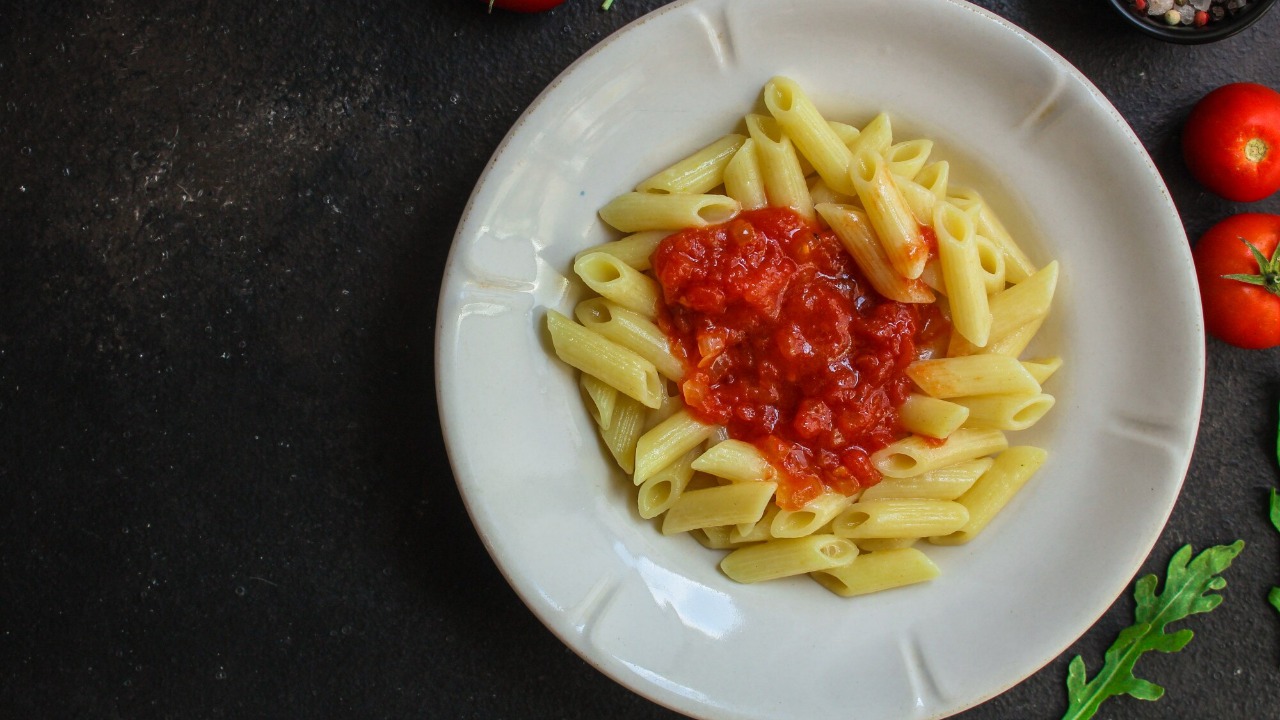
Creamy sauces for pasta often contain added sugars. Opting for a red sauce made with tomatoes can cut down on sugar and increase your intake of beneficial nutrients like lycopene.
Tomato-based sauces are gaining popularity as a healthier option for pasta dishes. According to the Journal of Food Science and Technology, tomato products are rich in antioxidants and can help reduce the risk of heart disease and cancer.
10. Swap Cereal for Oatmeal
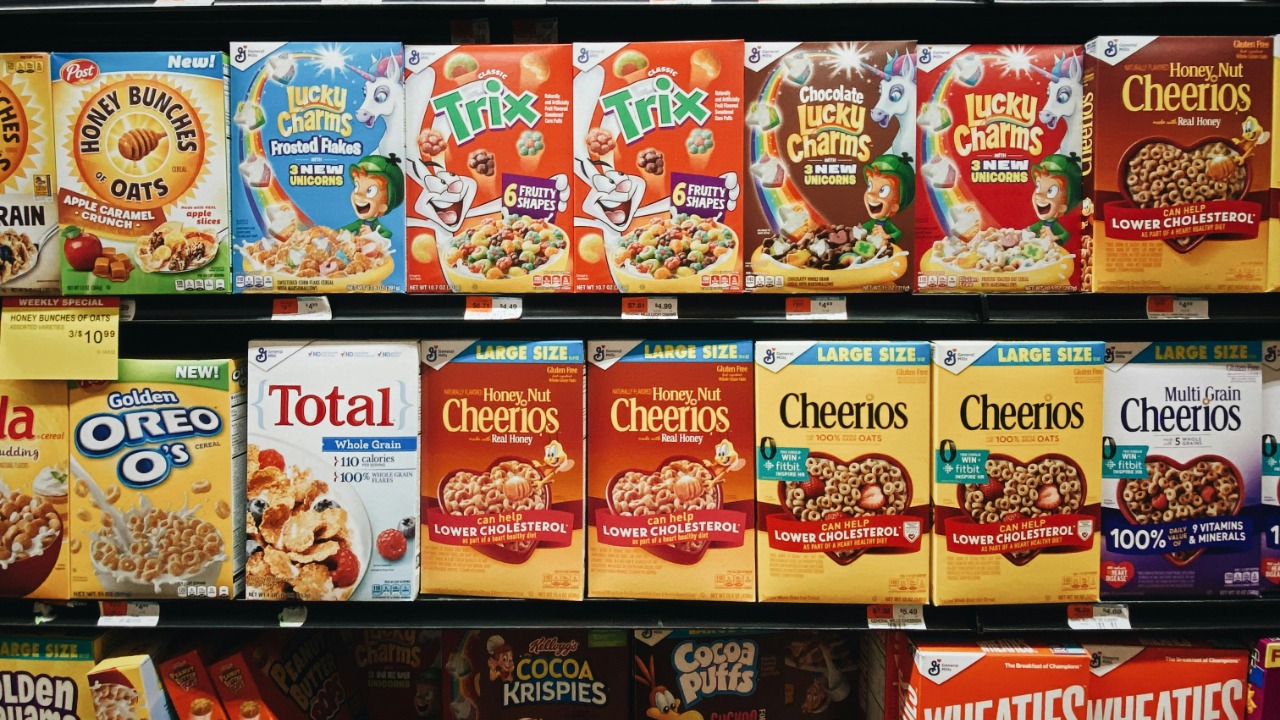
Many cereals, especially those marketed to children, are high in sugar. Oatmeal is a healthier alternative that’s high in fiber and can be sweetened naturally with fruit.
Oatmeal consumption is on the rise, as consumers look for healthier breakfast options. According to a study in the Journal of the American College of Nutrition, eating oatmeal can help control weight and improve overall diet quality.
11. Choose Whole Grains Over Refined Grains

Refined grains, like white rice and pasta, often have added sugars and lack the fiber found in whole grains. Choosing whole grains can help you cut down on sugar while providing essential nutrients.
Increasing consumption of whole grains is a trend seen worldwide, as people become more health-conscious. The World Health Organization recommends increasing intake of whole grains to reduce the risk of chronic diseases.
12. Opt for Homemade Popcorn Over Packaged
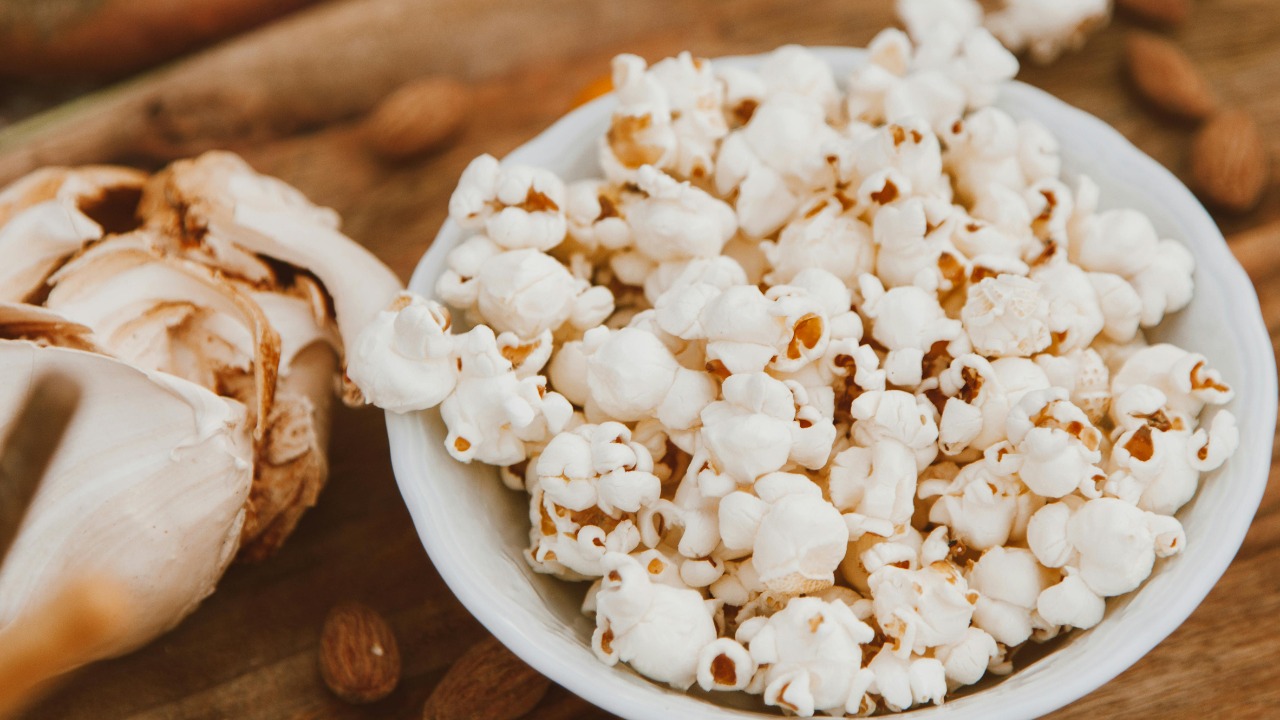
Pre-packaged popcorn often contains added sugars and unhealthy fats. Making your own popcorn at home allows you to control the ingredients and avoid unnecessary sugars.
Homemade cooking and snacks are gaining popularity as consumers become more health-conscious. The Harvard School of Public Health suggests that homemade popcorn is a healthy, whole-grain, antioxidant-rich snack food that can be enjoyed in moderation.

As a mom of three busy boys, I know how chaotic life can get — but I’ve learned that it’s possible to create a beautiful, cozy home even with kids running around. That’s why I started Cultivated Comfort — to share practical tips, simple systems, and a little encouragement for parents like me who want to make their home feel warm, inviting, and effortlessly stylish. Whether it’s managing toy chaos, streamlining everyday routines, or finding little moments of calm, I’m here to help you simplify your space and create a sense of comfort.
But home is just part of the story. I’m also passionate about seeing the world and creating beautiful meals to share with the people I love. Through Cultivated Comfort, I share my journey of balancing motherhood with building a home that feels rich and peaceful — and finding joy in exploring new places and flavors along the way.