As consumers, we often expect products to retain their value over time. However, shrinkflation—a trend where product sizes shrink while prices remain the same—continues to challenge this expectation. In 2025, companies are employing increasingly clever tactics to mask these changes, leaving shoppers to navigate a landscape where getting the full bang for their buck isn’t as straightforward as it once was.
Smaller Packaging, Same Price
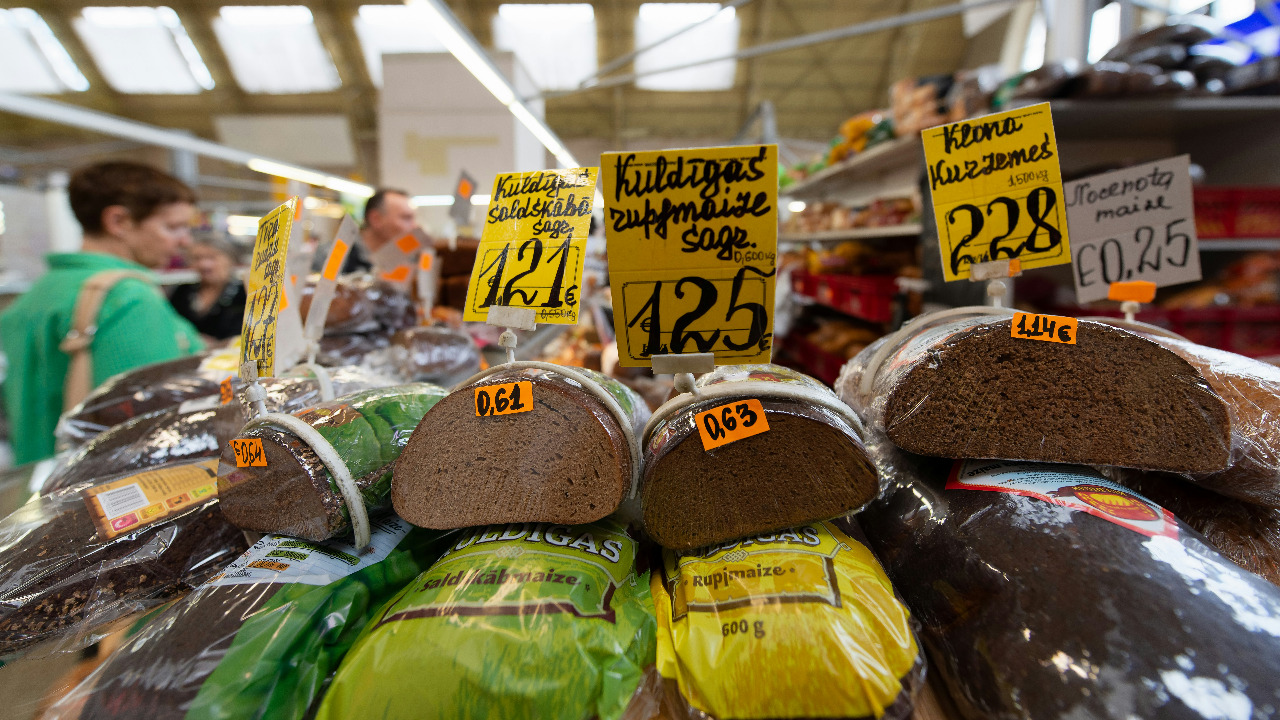
One of the most common shrinkflation tactics involves reducing the size of packaging while keeping the price unchanged. For instance, a popular cereal brand might reduce the box size from 18 ounces to 16 ounces, but maintain the same price point. The packaging may look nearly identical, making it difficult for consumers to notice the change at a glance.
Consumers often rely on packaging size as a cue for value, so this method can be particularly deceptive. It’s a subtle shift that places the burden on savvy shoppers to spot the difference by checking the fine print on labels.
Thinner Product Layers
Product layers are getting thinner, particularly in items like paper towels, toilet paper, and even chocolate bars. A once robust layer of chocolate might now be just a sliver, saving manufacturers money while offering less product. For example, a chocolate bar that used to be 10mm thick might now only be 8mm.
This tactic not only saves on material costs but also preserves the appearance of the product. It’s a detail that many might miss unless they compare the new and old versions directly.
Reduced Product Count
Another shrinkflation trick is reducing the number of items in a package. A box of cookies that used to contain 12 might now hold only 10. This tactic is especially common in snack foods and frozen meals, where the difference is less noticeable until the package is opened.
Consumers may feel short-changed when they realize they’re getting less for the same price, but the onus is on them to count the items before purchasing.
Subtle Ingredient Substitutions
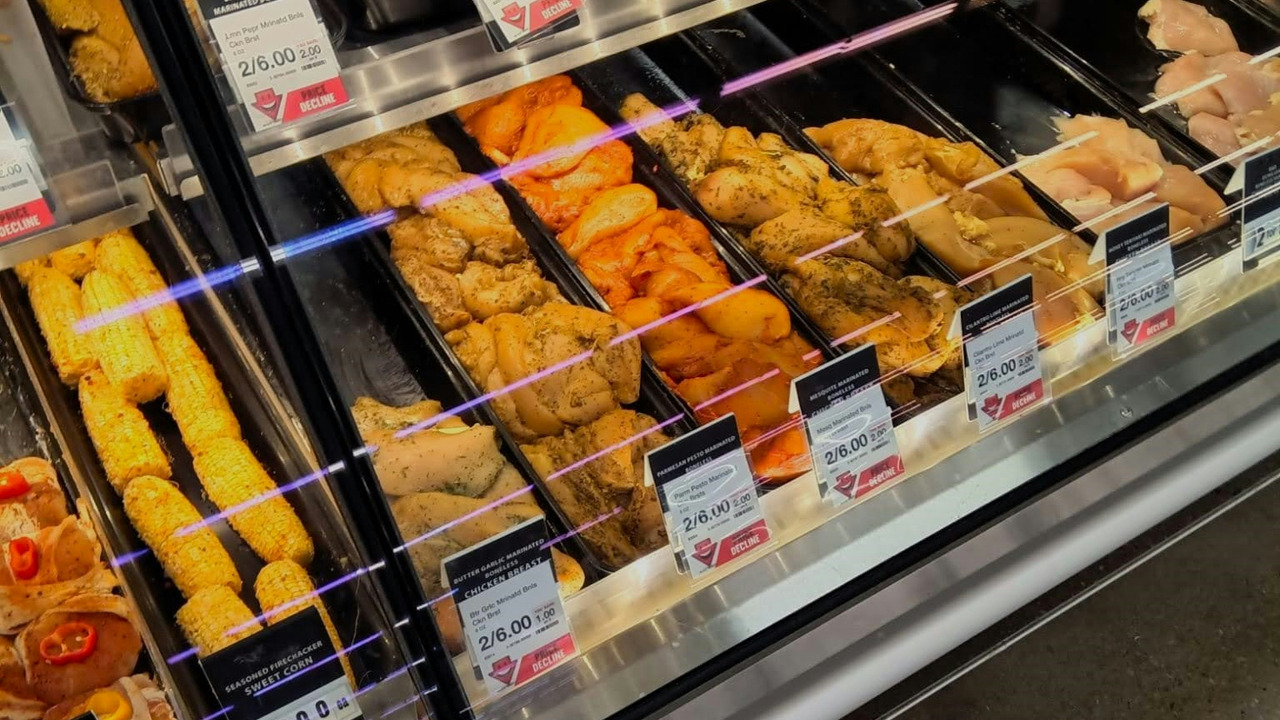
Some companies are opting to substitute ingredients with cheaper alternatives. A brand of orange juice might switch from pure juice to a blend of juice and concentrate, maintaining the same flavor profile while cutting costs. This can reduce product quality, even if the change isn’t immediately noticeable.
Ingredient lists are crucial here, as they offer transparency about what exactly is in the product. However, subtle changes often go unnoticed by busy consumers.
Decreased Durability

Durability is another area where manufacturers cut corners. A trash bag brand might reduce the thickness of their bags, making them more prone to tearing, yet preserving the package count and price. This change can lead to a more frequent need to repurchase, indirectly increasing costs for consumers.
While the initial price remains unchanged, the reduced lifespan means that shoppers may end up spending more over time to replace inferior products.
Diluted Formulations
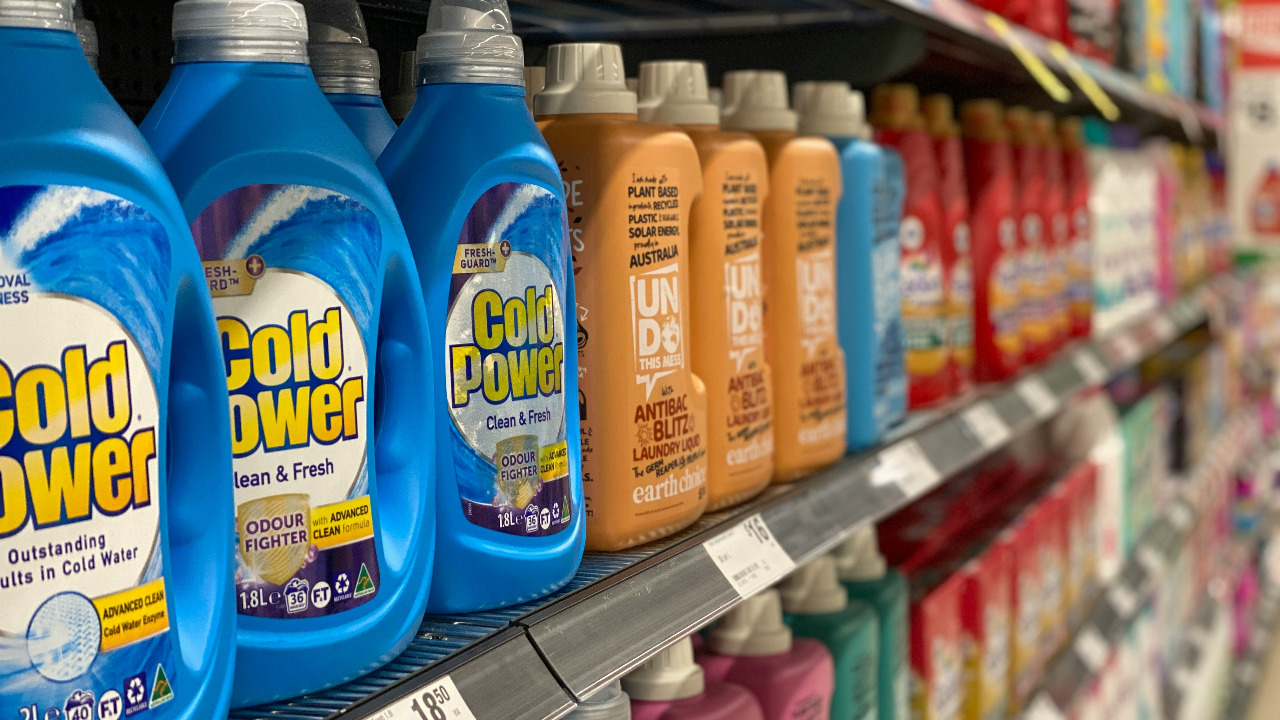
Liquid products like detergents and cleaning solutions often fall prey to dilution. A laundry detergent that once required only a capful per load may now recommend using more to achieve the same results. This means consumers go through the product faster, necessitating more frequent purchases.
The dilution isn’t always obvious, as the packaging and price stay the same. Consumers may only notice when they find themselves buying replacements more often than before.
Shrinking Serving Sizes

Serving sizes are a subtle yet effective way for companies to imply that a product hasn’t changed. A bag of chips may list a serving size as 10 chips instead of the previous 12, making the caloric content appear lower while the package remains the same size.
These changes require consumers to be more vigilant about serving sizes and nutritional information if they wish to understand the true value they’re receiving.
Hidden Price Per Unit Increases

Even without changing product size, companies can increase the price per unit subtly. A six-pack of soda might be priced slightly higher per can, with the total package price unchanged or minimally adjusted. This tactic is particularly effective in multi-pack items.
Price per unit is a crucial metric for determining value, yet it’s often overlooked by consumers focused on the overall price tag.
Redesigned Packaging to Mask Size Reduction

Design tricks are sometimes employed to hide a reduction in size. A popular ice cream brand might use a deeper but narrower container to maintain the visual height while reducing the overall volume. This can create an optical illusion that the product is the same size as before.
Such redesigns can be misleading, as they play on consumer expectations that visual cues accurately represent product size.
Partial Product Fill

Some products are being partially filled to cut costs. A jar of peanut butter, for example, might have more air space at the top than before, though the jar itself looks unchanged. This tactic is particularly prevalent in products sold by weight rather than volume.
While the net weight is often labeled, the visual cue of a full container can be misleading, requiring consumers to weigh the product themselves for confirmation.
Invisible Viscosity Changes
Viscosity alterations can make products seem the same while offering less value. A shampoo brand might subtly change its formula to be less viscous, meaning consumers need more product per use. This can lead to faster consumption, despite the bottle size remaining constant.
These changes are hard to detect without direct comparison, making them a clever way for companies to cut costs without drawing attention.
Reduced Accessory Inclusions

Some products come with fewer accessories than before. Electronics, for instance, might now come without charging cables or adapters that were once standard. A smartphone might still be priced the same, but without earphones that were previously included.
Consumers may find themselves needing to purchase these accessories separately, effectively increasing the overall cost of the product.

As a mom of three busy boys, I know how chaotic life can get — but I’ve learned that it’s possible to create a beautiful, cozy home even with kids running around. That’s why I started Cultivated Comfort — to share practical tips, simple systems, and a little encouragement for parents like me who want to make their home feel warm, inviting, and effortlessly stylish. Whether it’s managing toy chaos, streamlining everyday routines, or finding little moments of calm, I’m here to help you simplify your space and create a sense of comfort.
But home is just part of the story. I’m also passionate about seeing the world and creating beautiful meals to share with the people I love. Through Cultivated Comfort, I share my journey of balancing motherhood with building a home that feels rich and peaceful — and finding joy in exploring new places and flavors along the way.