

1. Lentils
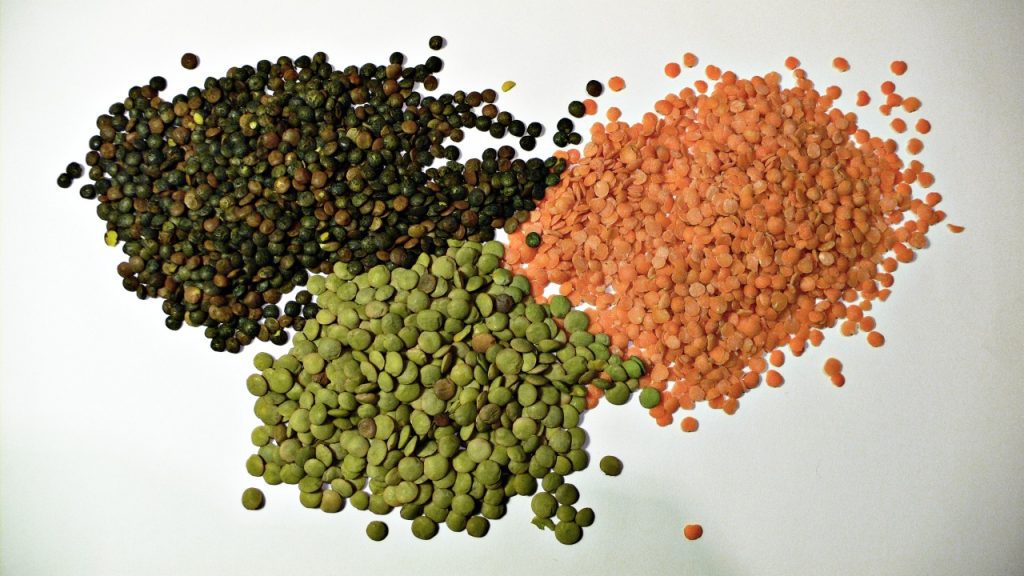
Often overlooked in the pantry, lentils are a versatile and budget-friendly ingredient packed with protein. Unlike other legumes, lentils don’t require soaking, making them a convenient choice for quick meals. They come in a variety of colors including green, red, and brown, each with its unique flavor and texture. Furthermore, lentils are a great source of dietary fiber and complex carbohydrates, promoting a healthy gut and sustained energy levels.
In today’s health-conscious world, lentils are gaining popularity as a plant-based protein alternative. Not only do they align with vegetarian and vegan diets, but they also provide a sustainable choice that contributes less to climate change compared to animal-based proteins. For those seeking to incorporate more protein into their diet without breaking the bank, lentils are a worthy consideration. See Healthline for more about the benefits of lentils.
2. Canned Tuna

Canned tuna is a staple in many households due to its long shelf life, affordability, and high protein content. It’s a versatile ingredient that can be used in salads, sandwiches, pasta, and more. Additionally, tuna is a good source of omega-3 fatty acids, which are known for their heart health benefits. However, it’s important to choose brands that are committed to sustainable fishing practices to ensure the long-term viability of fish stocks.
With the current trend towards high-protein diets, canned tuna’s stock is on the rise. Its convenience, versatility, and affordability make it an excellent choice for those looking to increase their protein intake without straining their budget. For more information on the nutritional benefits of canned tuna, check out this article on Eat Right.
3. Eggs

Eggs are a classic high-protein food that’s both economical and versatile. They can be cooked in numerous ways, making them a suitable ingredient for any meal. Apart from protein, eggs are also rich in essential vitamins and minerals. Although they have been controversial due to their cholesterol content, recent studies show that moderate egg consumption does not increase heart disease risk for most people.
The demand for eggs remains high due to their nutritional value and affordability. With the shift toward home cooking amid the pandemic, eggs have become even more valuable for their versatility and nutritional punch. To know more about the health benefits of eggs, visit Harvard School of Public Health.
4. Greek Yogurt
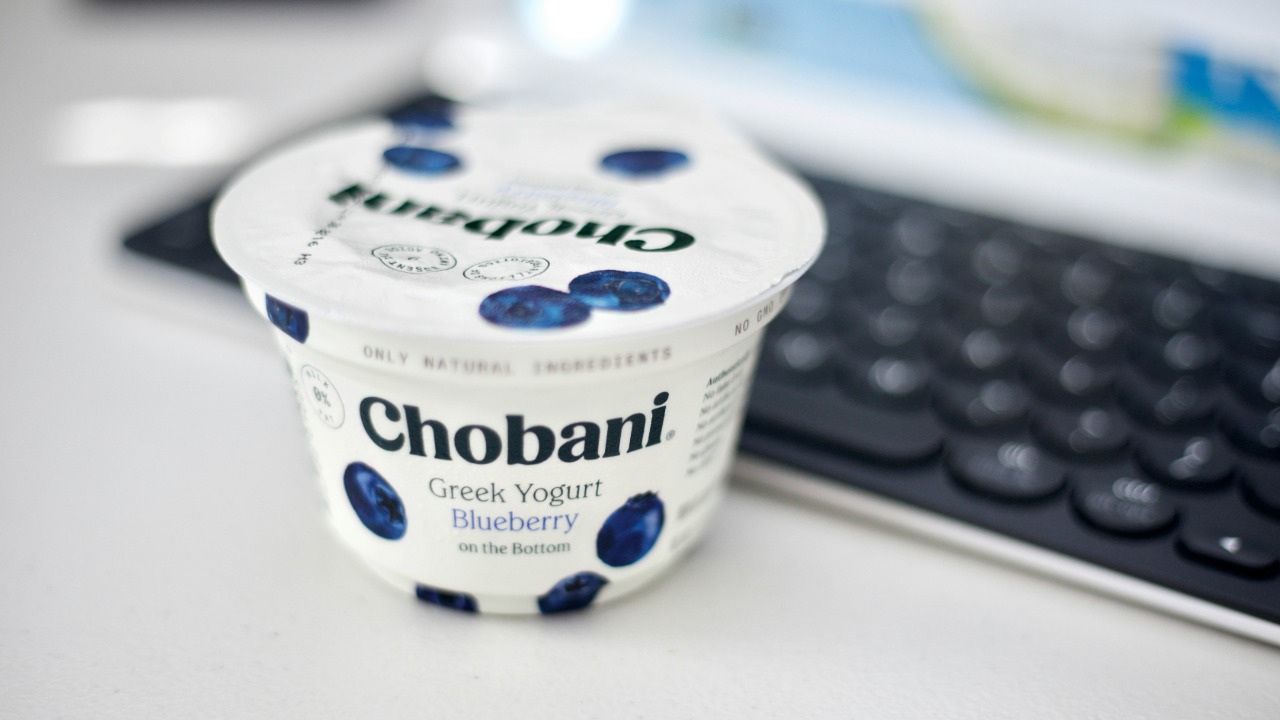
Greek yogurt is a protein-rich dairy product that’s become a popular choice for health-conscious consumers. It’s thicker and creamier than regular yogurt, with a tangy flavor that works well in both sweet and savory dishes. Greek yogurt also contains probiotics, which are beneficial for gut health.
As more people look for high-protein, low-sugar foods to support their wellness goals, Greek yogurt stands out. Its high protein content makes it a satisfying snack or addition to meals, helping to curb hunger and support muscle growth. For more insights on the benefits of Greek yogurt, refer to this article on Mayo Clinic.
5. Quinoa

Quinoa, often referred to as a superfood, is a grain crop known for its high protein content. Unlike many plant proteins, quinoa is a complete protein, meaning it contains all nine essential amino acids. It’s also gluten-free, making it a great choice for those with gluten intolerance or celiac disease.
With the rise of plant-based and gluten-free diets, quinoa’s popularity continues to soar. Its nutritional profile and versatility make it a valuable addition to any diet. To learn more about the health benefits of quinoa, check out this article on Medical News Today.
6. Cottage Cheese

Cottage cheese is a fresh cheese curd product with a mild flavor. It’s high in protein and contains various essential nutrients, including calcium, vitamin B12, and selenium. While it’s often enjoyed as a stand-alone snack, cottage cheese can also be used in cooking and baking.
With the ongoing trend towards high-protein, low-carb diets, cottage cheese is making a comeback. Its affordability and high protein content make it a valuable choice for those on a budget. For more on the nutritional benefits of cottage cheese, visit Healthline.
7. Black Beans
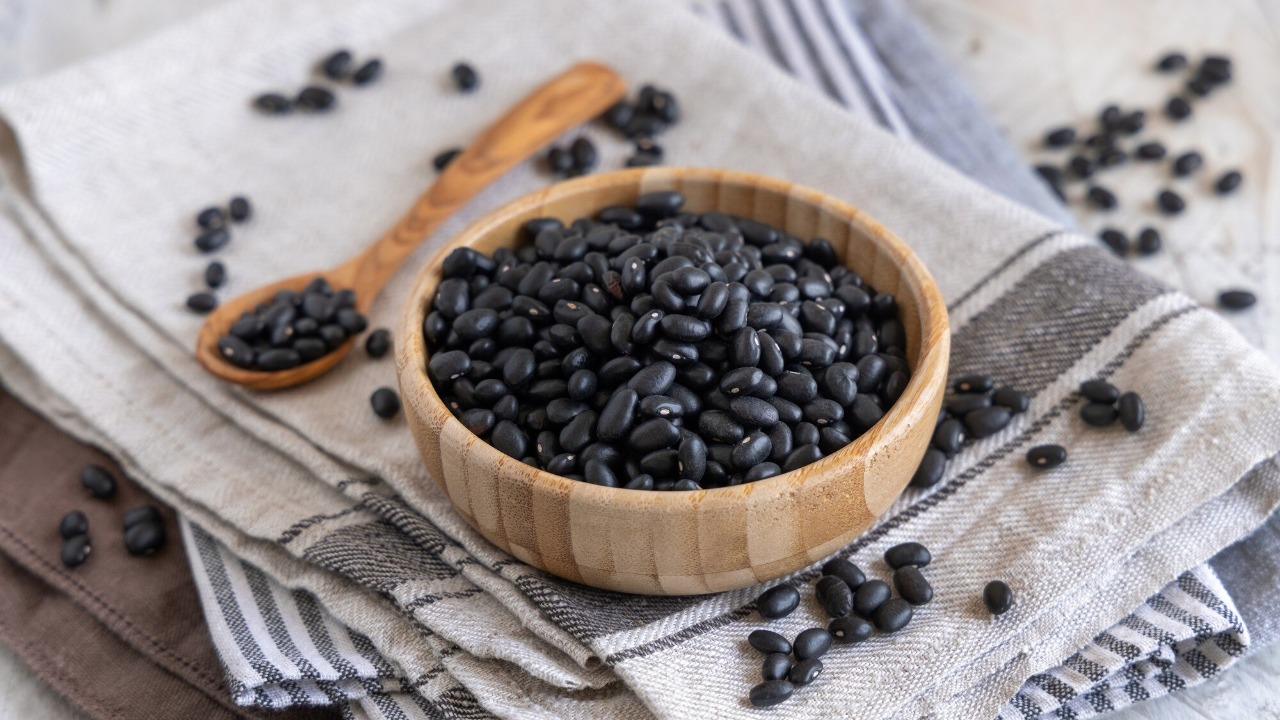
Black beans are a nutrient-dense legume packed with protein and fiber. They’re a staple in many cuisines, particularly in Latin America, and are often used in soups, stews, and salads. Apart from their nutritional value, black beans are also highly affordable, making them a great choice for budget-conscious consumers.
With the growing interest in plant-based diets, black beans have gained recognition for their high protein content and versatility. They’re an excellent choice for those seeking to increase their protein intake without relying on animal products. For more on black beans’ health benefits, refer to this resource on Medical News Today.
8. Peanut Butter
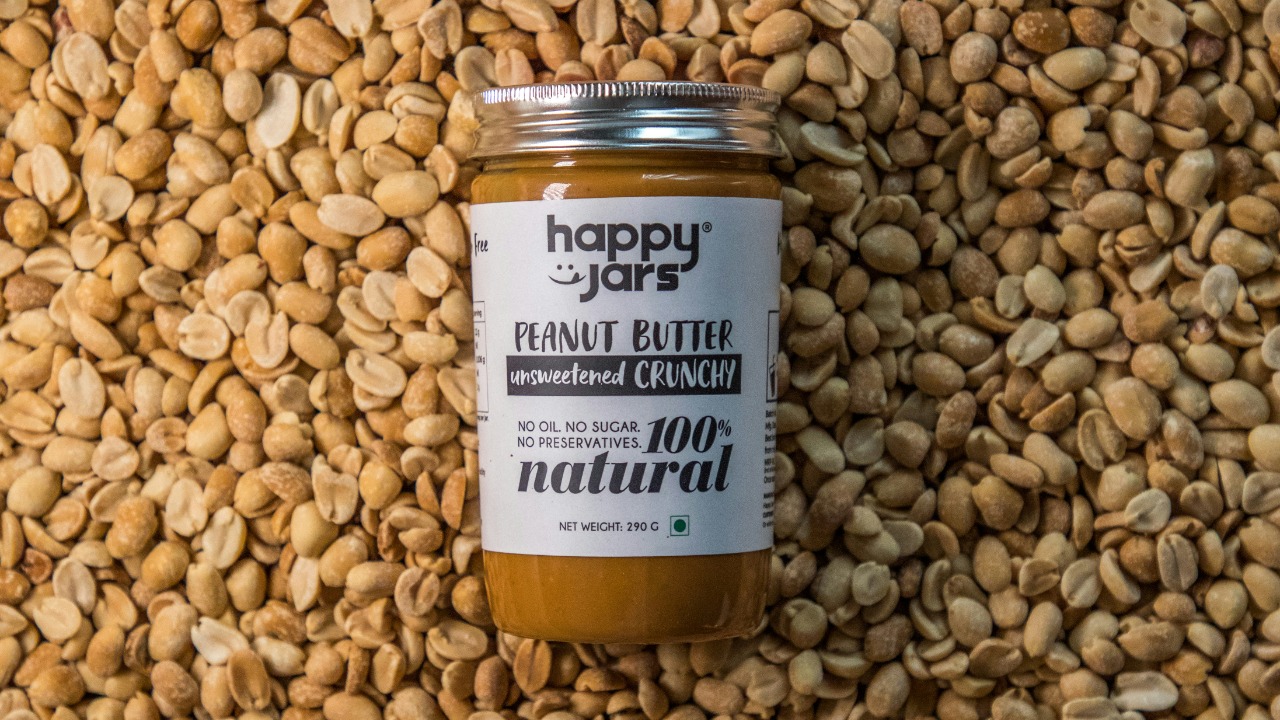
Peanut butter is a popular spread made from ground dry-roasted peanuts. It’s not only delicious but also rich in protein and healthy fats. While it’s traditionally used in sandwiches, peanut butter can also be added to smoothies, oatmeal, and even savory dishes for a protein boost.
Given the current trend toward nutrient-dense, convenient foods, peanut butter remains a popular choice. Its affordability and versatility also make it a budget-friendly protein source. For more about the nutritional benefits of peanut butter, check out this article on Healthline.
9. Chickpeas
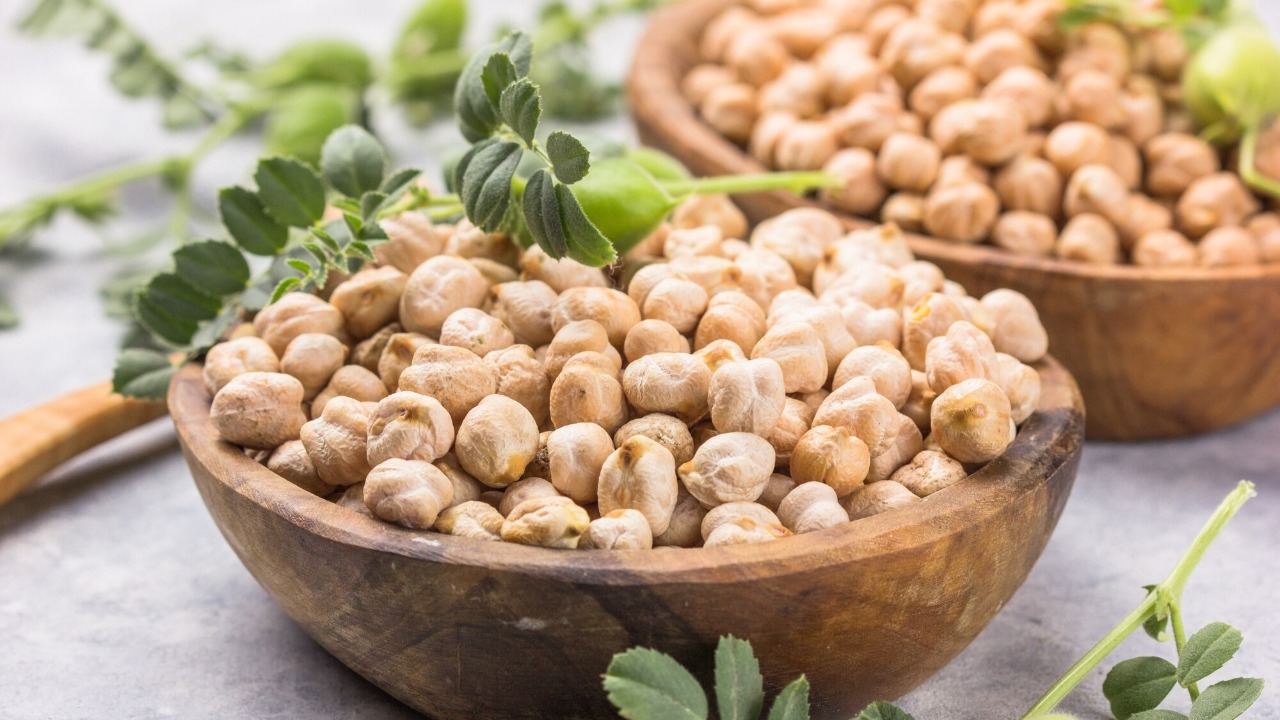
Chickpeas, also known as garbanzo beans, are a type of legume known for their high protein content. They have a nutty taste and firm texture, making them a staple in many Middle Eastern and Indian dishes. Chickpeas are also packed with fiber, iron, and phosphorus, contributing to a balanced diet.
With the rise of plant-based eating, chickpeas have become a popular protein source. Their affordability and versatility make them an excellent choice for those seeking to incorporate more plant-based proteins into their diet. Learn more about the health benefits of chickpeas on Medical News Today.
10. Almonds

Almonds are a type of tree nut loaded with protein, healthy fats, and various essential nutrients. They’re a convenient and versatile snack that can be enjoyed raw, roasted, or as almond butter. Almonds also contribute to heart health, thanks to their high monounsaturated fat content.
As consumers become more health-conscious, almonds remain a popular choice for their nutrient density and heart health benefits. They’re a budget-friendly way to add high-quality protein to your diet. For more on the health benefits of almonds, visit this resource on Mayo Clinic.

As a mom of three busy boys, I know how chaotic life can get — but I’ve learned that it’s possible to create a beautiful, cozy home even with kids running around. That’s why I started Cultivated Comfort — to share practical tips, simple systems, and a little encouragement for parents like me who want to make their home feel warm, inviting, and effortlessly stylish. Whether it’s managing toy chaos, streamlining everyday routines, or finding little moments of calm, I’m here to help you simplify your space and create a sense of comfort.
But home is just part of the story. I’m also passionate about seeing the world and creating beautiful meals to share with the people I love. Through Cultivated Comfort, I share my journey of balancing motherhood with building a home that feels rich and peaceful — and finding joy in exploring new places and flavors along the way.