There’s nothing quite like the experience of a bustling farmers’ market. The fresh air, the vibrant colors of ripe produce, and the taste of farm-fresh goods make it an unforgettable experience. However, not all purchases at the farmers’ market are created equal. Some items can lose their freshness or quality before you even get home, turning your delightful purchases into disappointments.
This list is based on real-world trends, expert advice, and data gathered from various sources. It aims to give you a better understanding of what items to be cautious about when shopping at your local farmers’ market. These insights will help you make the most of your market experience, ensuring that you bring home only the freshest and highest-quality goods.
Soft Berries
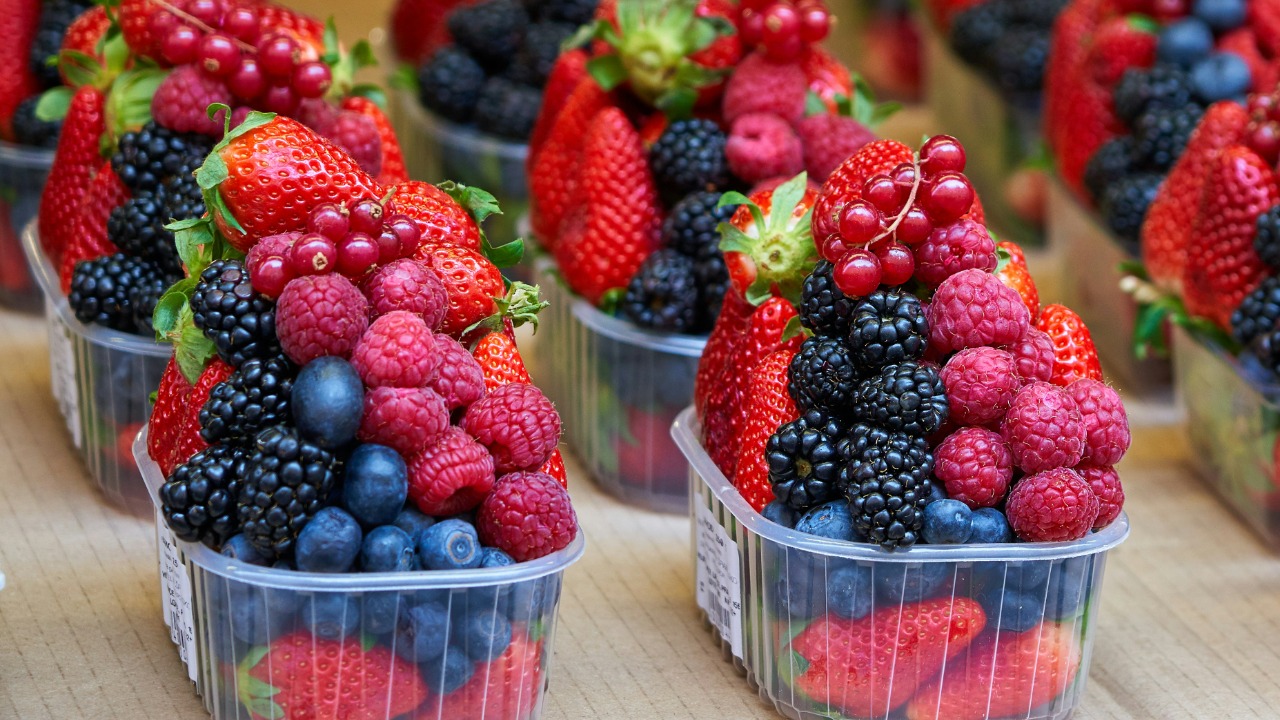
Soft berries like raspberries, blackberries, and strawberries are a popular purchase at farmers’ markets due to their sweet taste and health benefits. However, they are also extremely delicate and susceptible to bruising and molding, especially in warm weather.
Currently, the trend is to consume berries immediately after purchase to enjoy their freshness. If you plan to buy soft berries, bring a cooler with you to keep them chilled until you get home. For more information on handling and storing berries, check out this guide from the FDA.
Fresh Cut Flowers
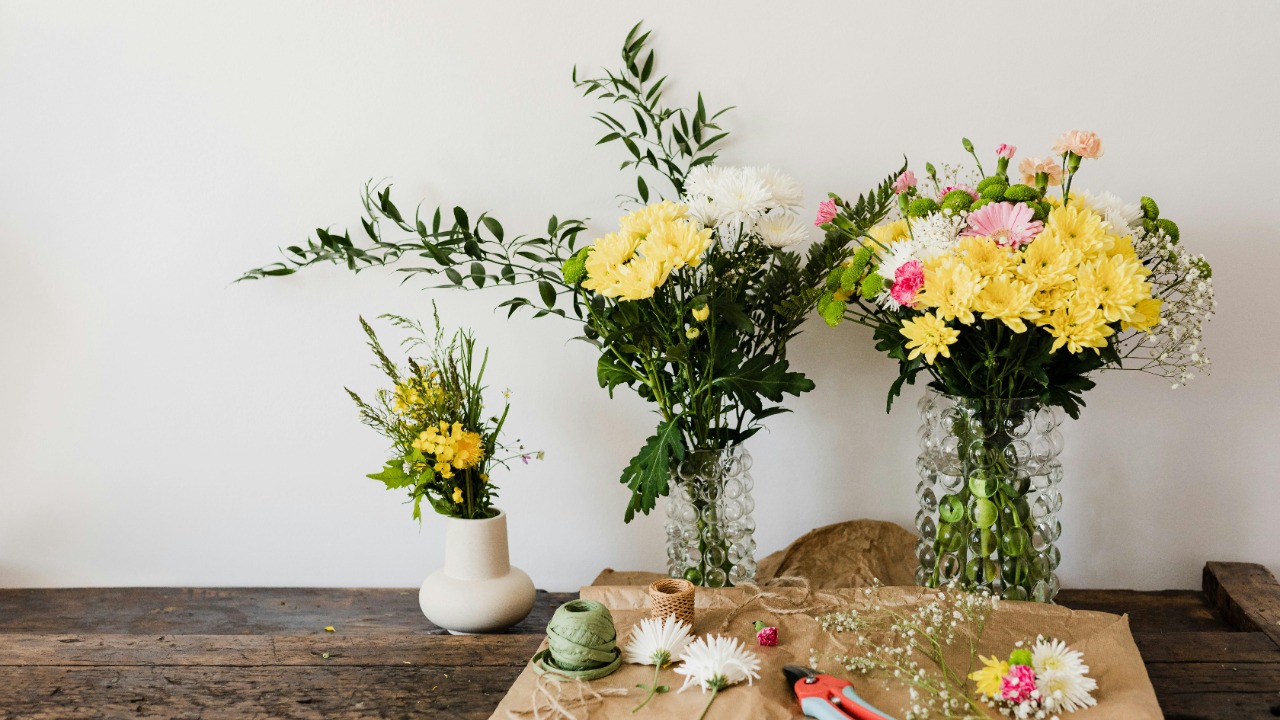
Fresh cut flowers are a common sight at farmers’ markets. Their vibrant colors and fragrant scents make them an irresistible purchase. However, without proper care, these beauties can wilt before you even get them into a vase at home.
Flower care has become a hot topic recently as more people turn to local growers for their floral needs. To keep your fresh cut flowers looking their best, consider bringing a bucket of water to keep them hydrated during your market visit. For more tips on flower care, visit the American Horticultural Society’s guide.
Leafy Greens
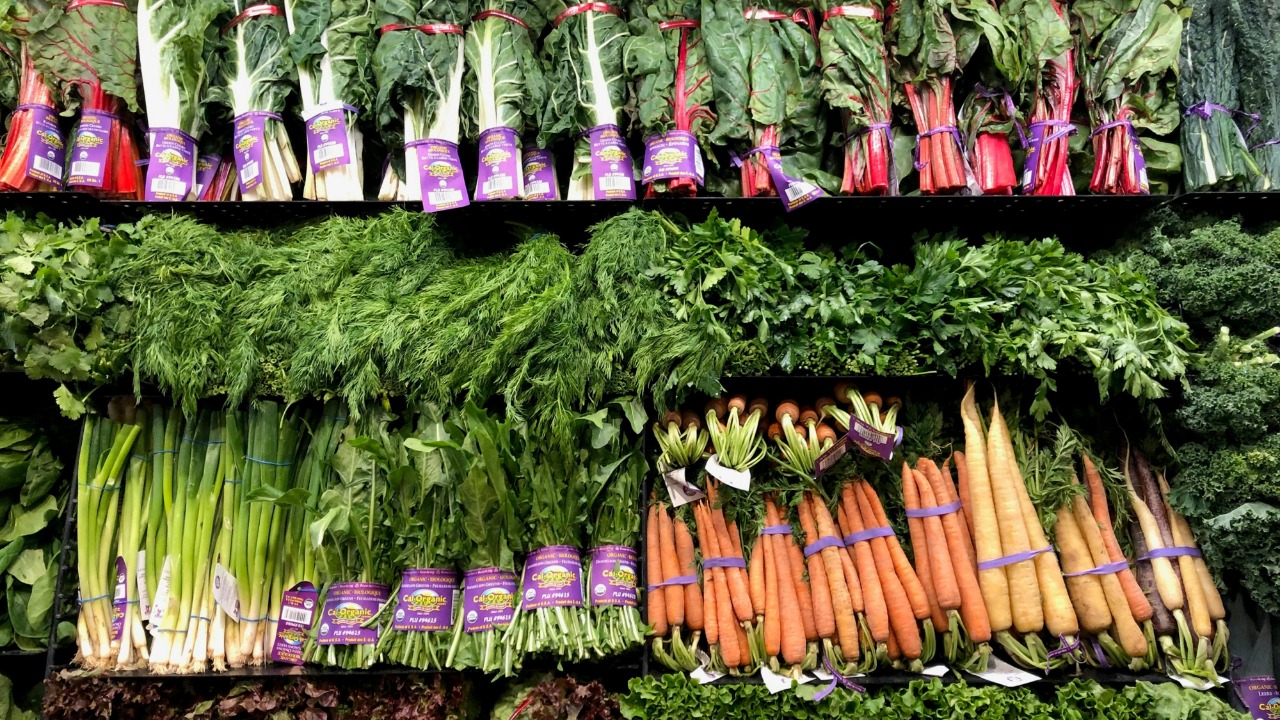
Leafy greens like lettuce, spinach, and kale are staples at farmers’ markets. However, these delicate vegetables can wilt or become slimy if not properly stored or if they’re left in a hot car.
There’s a growing trend of consuming fresh, locally-grown greens, which are packed with nutrients. If you’re buying leafy greens, ensure you keep them in a cooler environment until you get home. For more information on storing leafy greens, check out this guide from the CDC.
Shellfish
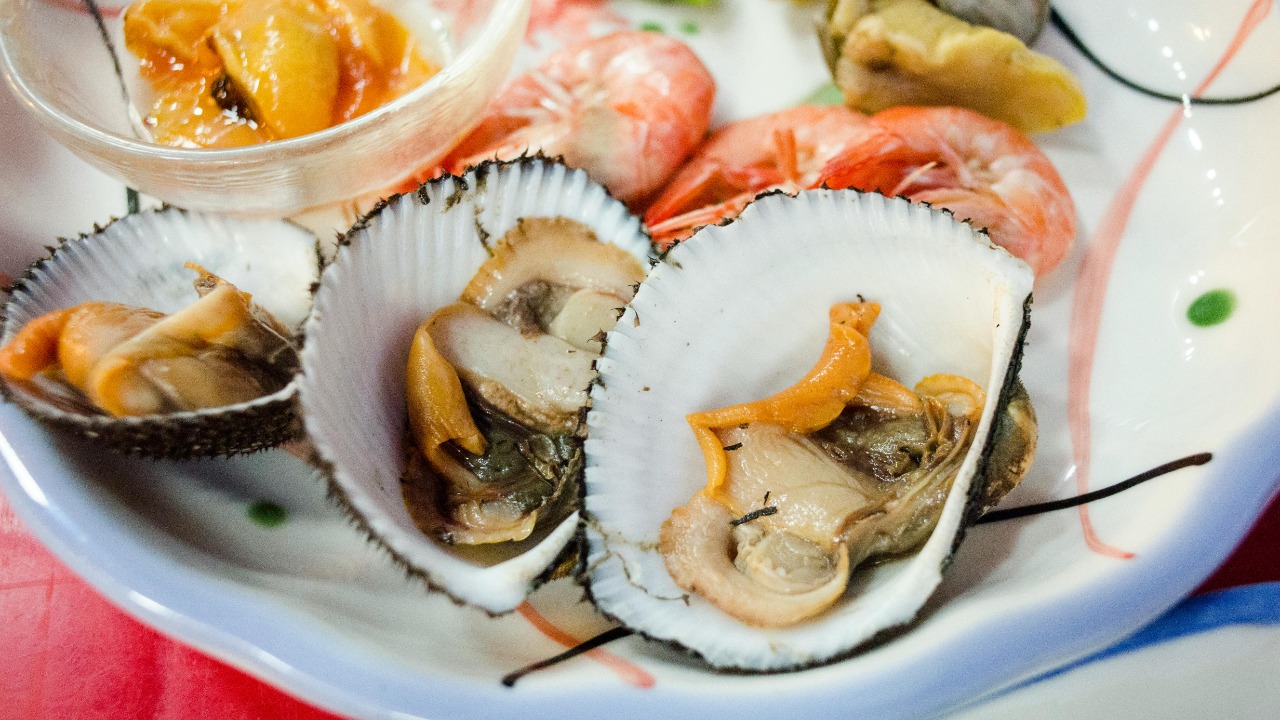
Fresh shellfish, like clams, mussels, and oysters, are a treat from the sea. They’re often bought at farmers’ markets near coastal areas. However, these delicacies are highly perishable and can quickly become unsafe to eat if not properly handled.
Given the recent rise in seafood consumption, it’s important to know how to store and handle shellfish correctly. If you’re planning to buy shellfish, bring a cooler to keep them at the proper temperature. For more tips on handling shellfish, the FDA has a comprehensive guide.
Eggs
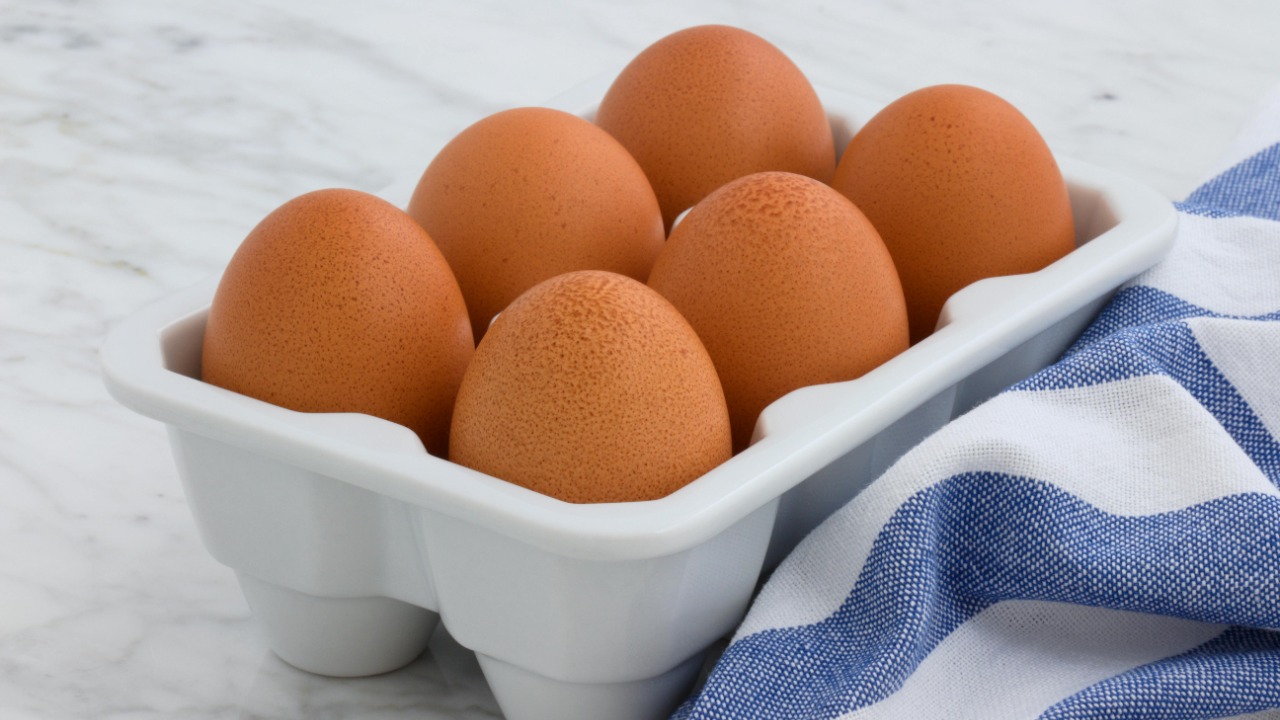
Farm-fresh eggs are a high-demand item at farmers’ markets. However, eggs are susceptible to temperature fluctuations, and if they’re not stored properly, their quality can degrade quickly.
With the growing trend of consuming farm-to-table products, it’s crucial to understand how to handle eggs properly. If you’re buying eggs, bring an egg carton and a cooler to maintain their freshness. For more information on egg safety, visit the USDA’s guide.
Tomatoes
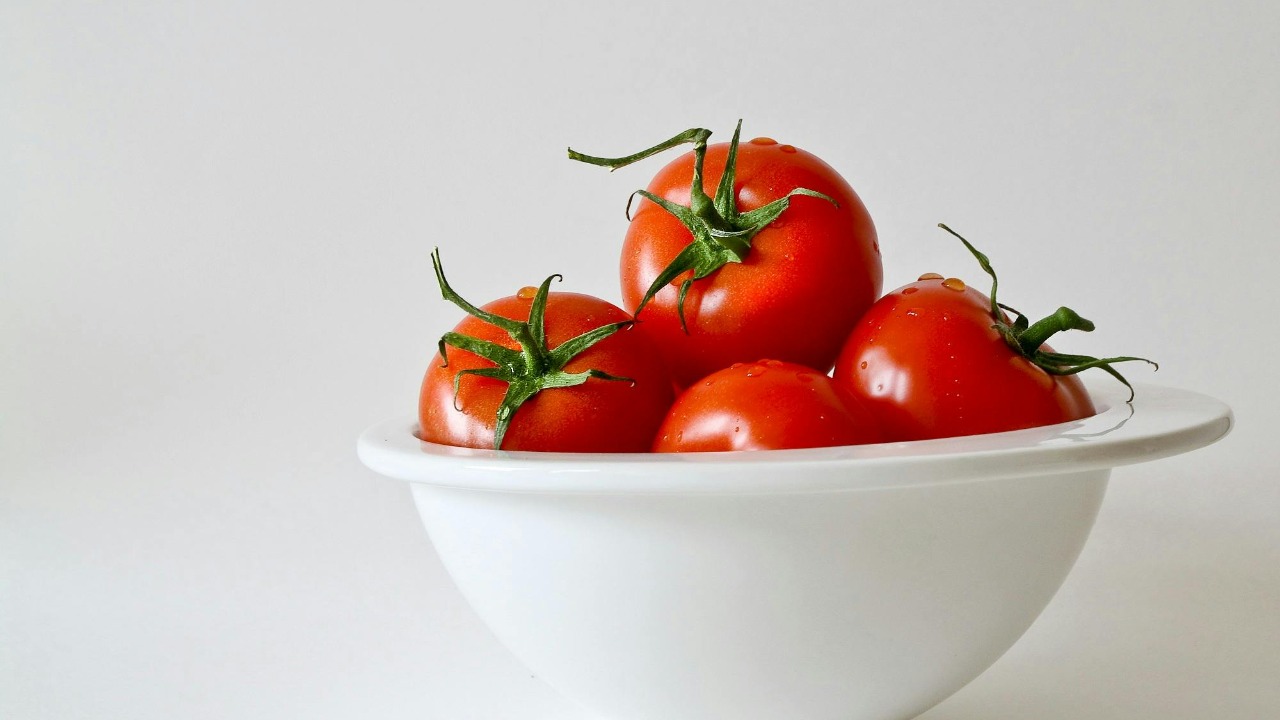
Juicy, ripe tomatoes are a favorite at farmers’ markets. However, they are soft fruits that can easily get bruised or become overripe if not handled with care.
As more people are discovering the unmatched flavor of vine-ripened tomatoes, it’s important to know how to transport and store them properly. To keep them fresh, avoid stacking tomatoes on top of each other and keep them in a cool place. For more tips on handling tomatoes, visit the Fruits & Veggies More Matters guide.
Mushrooms
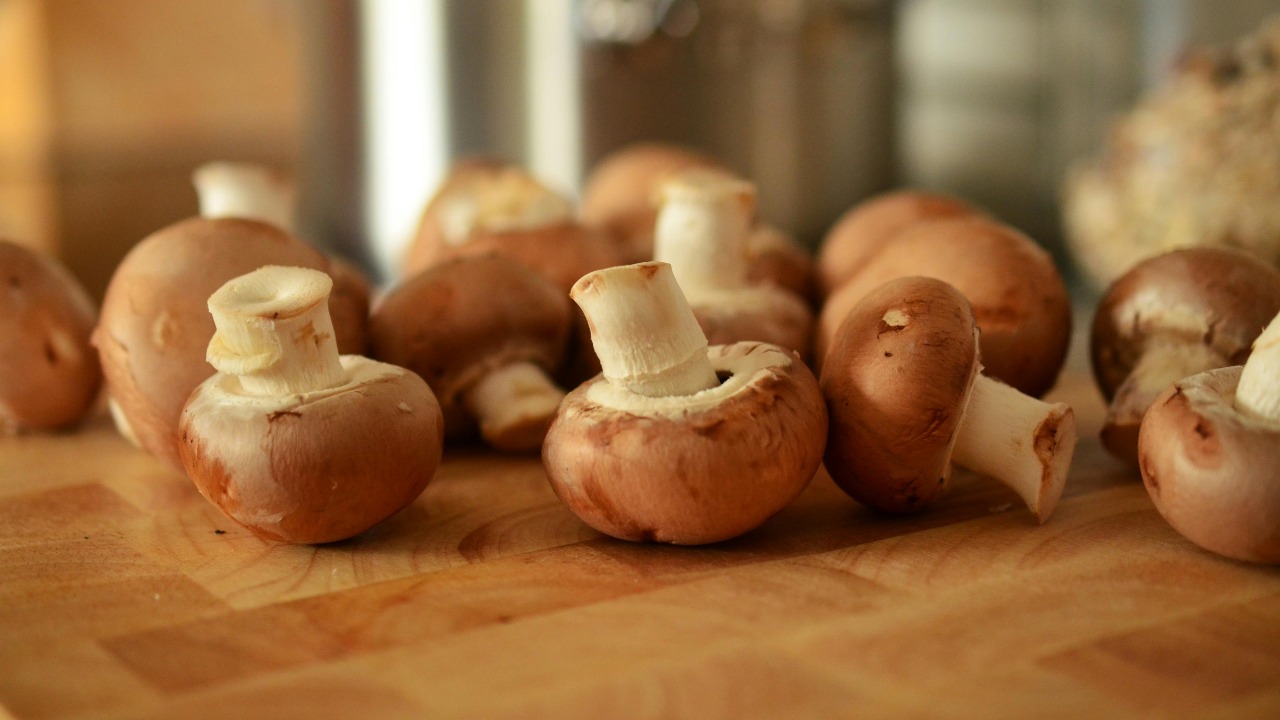
Fresh mushrooms are a great addition to any meal, and they’re often available at farmers’ markets. However, mushrooms can quickly become slimy and unappetizing if not stored properly.
With the rise of vegetarian and vegan diets, the demand for fresh mushrooms has increased. If you’re buying mushrooms, store them in a paper bag to prevent moisture build-up. For more tips on storing mushrooms, check out this guide.
Peas

Fresh peas are a springtime favorite at farmers’ markets. However, peas can lose their sweetness quickly if not stored properly, turning starchy and bland.
As more people are seeking out fresh, locally-grown produce, it’s important to know how to keep peas fresh. If you’re buying peas, keep them in a cool place and consume them as soon as possible. For more tips on handling peas, visit the Fruits & Veggies More Matters guide.
Herbs
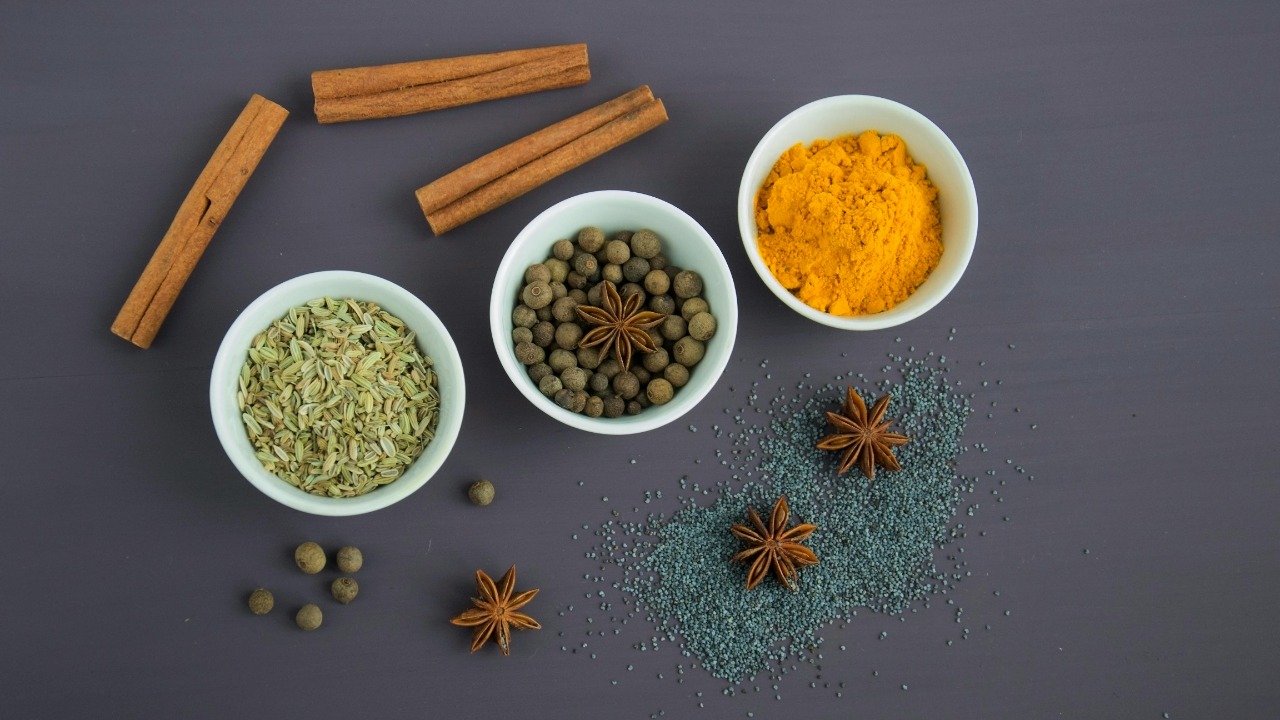
Fresh herbs are a must-have for any home cook, and they’re readily available at farmers’ markets. However, herbs can wilt quickly if not stored properly, losing their vibrant flavor.
With the trend of using fresh ingredients in home cooking, it’s crucial to know how to store herbs correctly. If you’re buying herbs, keep them in a damp paper towel inside a bag in the fridge. For more information on herb storage, check out this guide from FoodSafety.gov.

As a mom of three busy boys, I know how chaotic life can get — but I’ve learned that it’s possible to create a beautiful, cozy home even with kids running around. That’s why I started Cultivated Comfort — to share practical tips, simple systems, and a little encouragement for parents like me who want to make their home feel warm, inviting, and effortlessly stylish. Whether it’s managing toy chaos, streamlining everyday routines, or finding little moments of calm, I’m here to help you simplify your space and create a sense of comfort.
But home is just part of the story. I’m also passionate about seeing the world and creating beautiful meals to share with the people I love. Through Cultivated Comfort, I share my journey of balancing motherhood with building a home that feels rich and peaceful — and finding joy in exploring new places and flavors along the way.