With the rise of DIY trends and a push towards self-sustainability, many are looking towards their kitchens with a new perspective. It’s not just about cooking anymore; it’s about creating. While there’s a certain allure to making everything from scratch, it’s not always the most practical or cost-effective choice. From the standpoint of time, money, and even safety, there are certain grocery items that are best left to the professionals.
This list is compiled from real-world trends, data, and surveys from culinary experts. We’ve considered factors such as cost, time investment, and difficulty level. The aim is to help you make informed decisions about what’s worth your time in the kitchen and what’s best left on the grocery store shelves.
Pasta
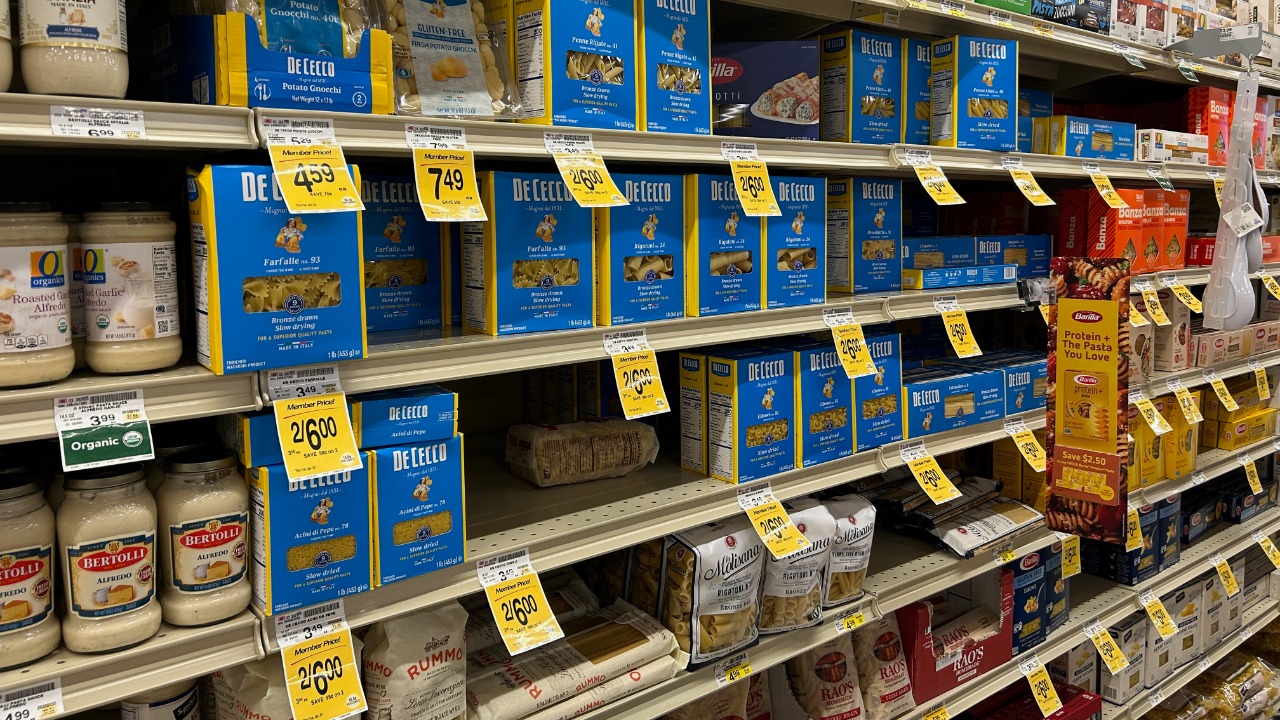
Pasta is a staple in many households, and while making it from scratch can be a fun endeavor, it’s not necessarily practical for most of us. The process is time-consuming and requires special equipment like a pasta machine or a pasta press. Plus, there’s a learning curve involved, making it a challenging task for beginners.
Today, there are numerous high-quality, store-bought pasta options available that can rival homemade ones. According to Bon Appétit, some brands even use traditional Italian techniques and the finest ingredients, delivering pasta that is just as good, if not better, than what you could make at home.
Bread
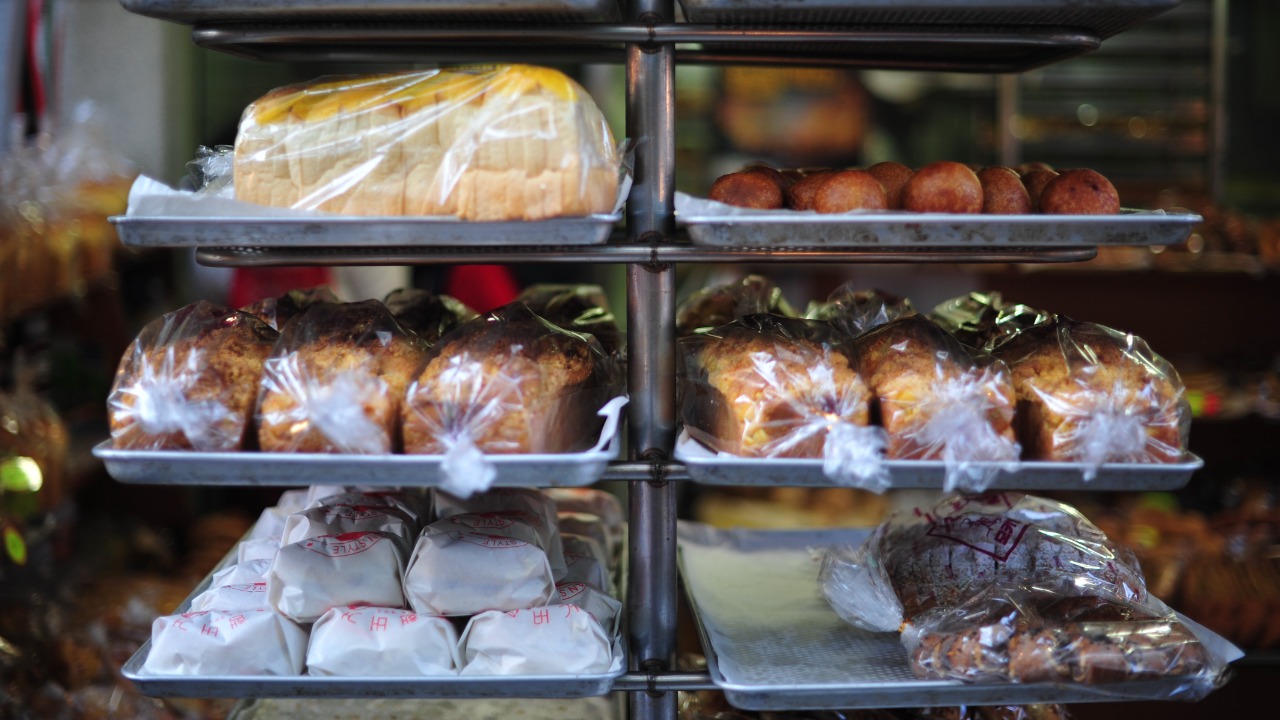
There’s nothing quite like the smell of freshly baked bread filling your home. However, the process of making bread from scratch can be a laborious one. It requires precision in measuring ingredients, understanding the science of yeast fermentation, and patience in allowing the dough to rise properly.
With the artisan bread movement taking the culinary world by storm, grocery stores are now stocking a variety of breads that are both delicious and affordable. According to Taste of Home, these breads are made using traditional methods and high-quality ingredients, making them a worthy substitute for homemade bread.
Yogurt
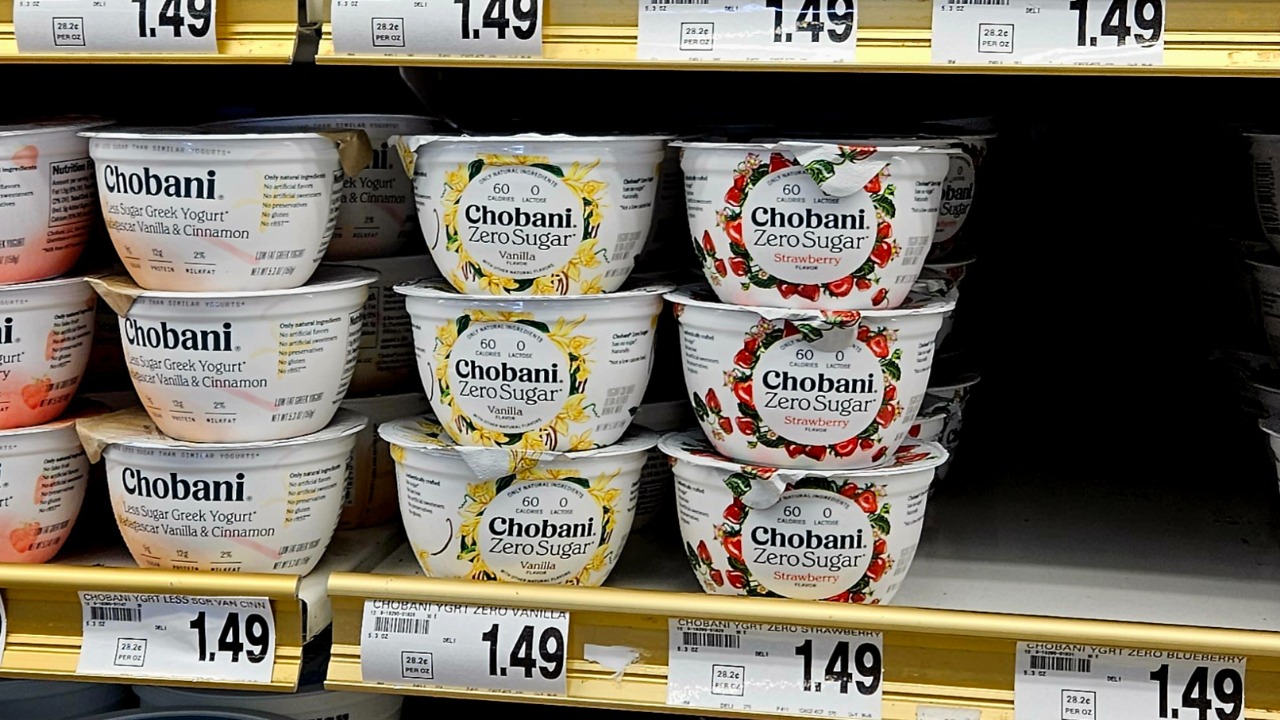
Homemade yogurt can be a healthy alternative to store-bought versions, and it has the added benefit of allowing you to control the amount of sugar and additives. However, it’s a delicate process that requires maintaining the right temperature and using the right starter cultures, which can be tricky for beginners.
Nowadays, with the rise of probiotic food trends, there’s a wide variety of high-quality, store-bought yogurts available. According to Healthline, many of these yogurts contain live cultures and are made without artificial additives, making them a perfect choice for health-conscious consumers.
Butter
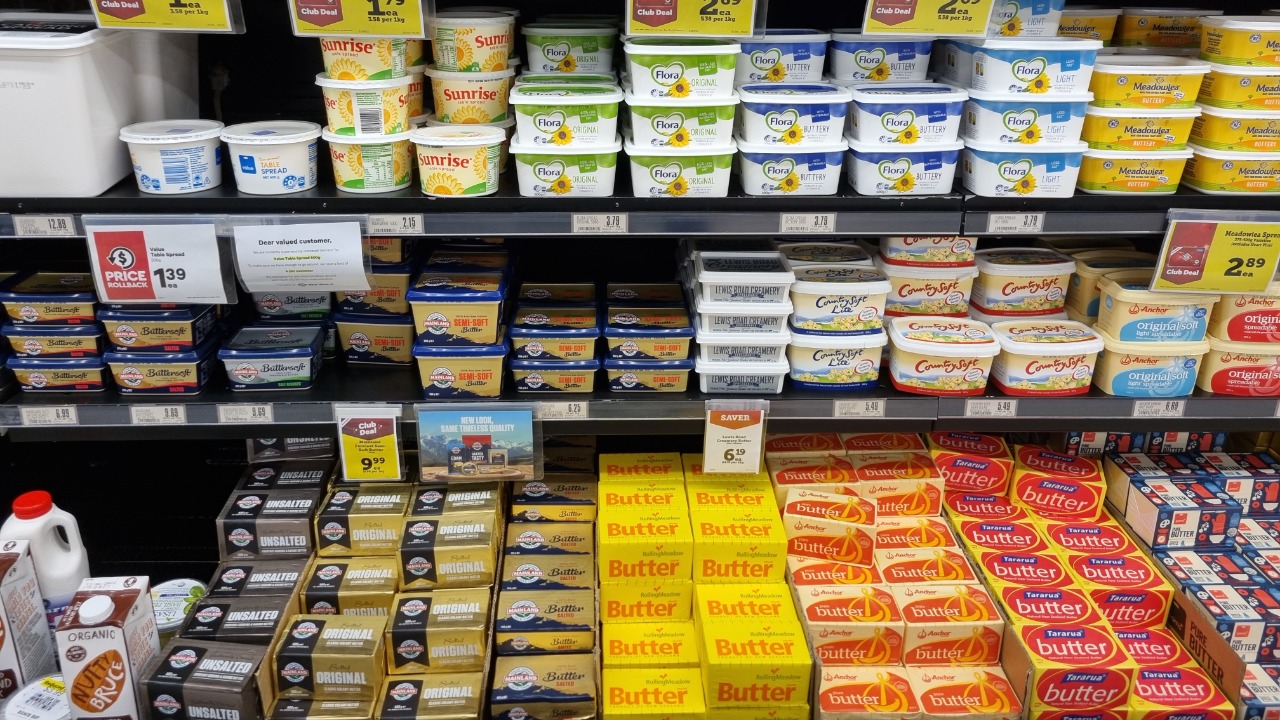
While making butter at home can be a fun experiment, it’s not necessarily cost-effective. It requires a large volume of cream and a fair amount of labor to produce a relatively small amount of butter. Plus, the quality of your homemade butter will largely depend on the quality of the cream you use.
Today, the market is flooded with high-quality butters made from the milk of grass-fed cows, which are rich in nutrients and flavor. According to Epicurious, these butters are creamy and flavorful, making them a worthy addition to your kitchen staples.
Mayonnaise

Mayonnaise is a common ingredient in many recipes, and while it can be made at home, the process can be tricky. It requires slow and steady emulsification of oil into egg yolks, which could easily result in a broken or watery mayo if not done correctly.
With the rise of the clean eating trend, many brands now offer high-quality, store-bought mayonnaise made with simple, natural ingredients. According to Food Network, these mayonnaises are not only convenient but also flavorful and free of artificial preservatives.
Salad Dressing
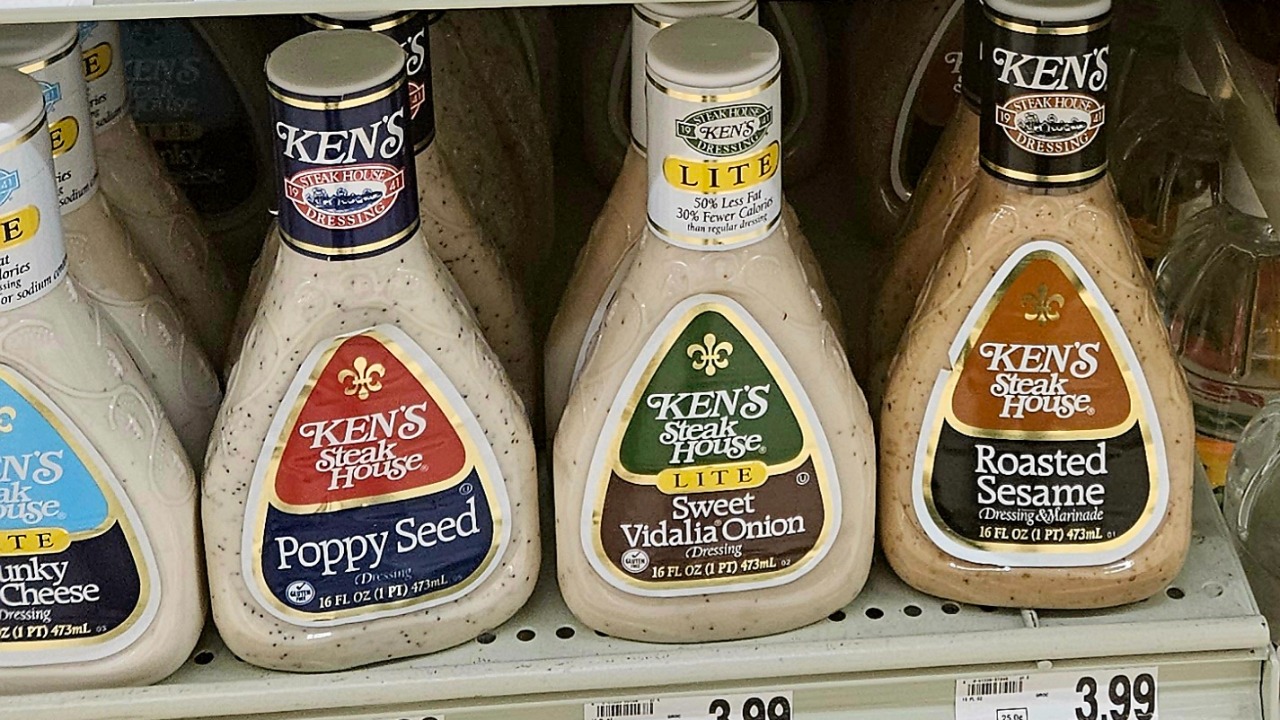
Making your own salad dressing can be a healthy alternative to store-bought versions, as it allows you to control the ingredients and avoid preservatives. However, homemade dressings often lack the shelf life of their store-bought counterparts and require regular preparation.
With the rise of health-conscious consumers, many brands now offer high-quality, natural, and organic salad dressings. According to Eat This, Not That!, these dressings are made without artificial additives, making them a great choice for those looking for convenience without compromising on health.
Mustard
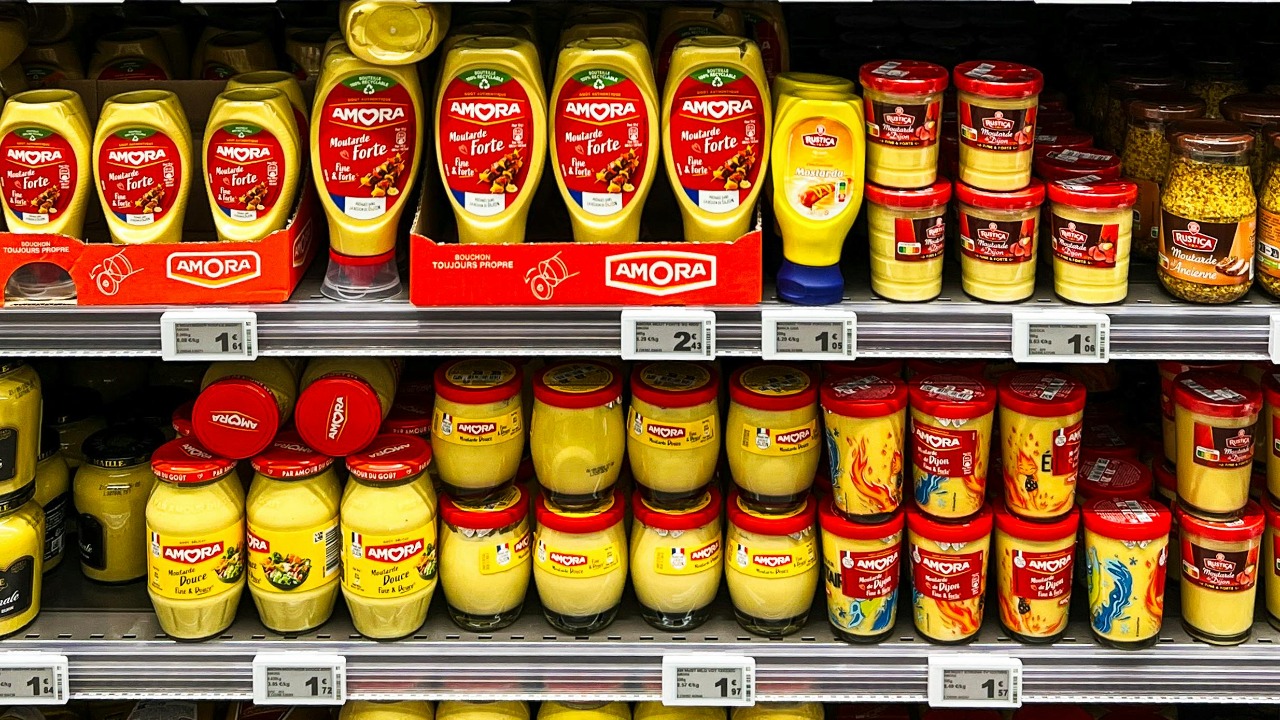
Mustard is a pantry staple that can be made at home, but it requires a fair amount of patience. The seeds need to soak for a couple of days and require a lot of grinding to achieve the right consistency. Plus, it can be hard to replicate the smooth texture of commercially made mustard at home.
Today, there are a variety of high-quality, store-bought mustards available that cater to different tastes and preferences. According to Serious Eats, these mustards are flavorful and versatile, making them a convenient option for most households.
Puff Pastry

Puff pastry is a versatile ingredient used in both savory and sweet dishes. While it’s possible to make it at home, it’s a laborious process that requires careful layering and folding of dough and butter to create the characteristic light, flaky texture.
With the rise of home baking, many brands now offer ready-to-use puff pastry that saves time and effort without compromising on quality. According to Bon Appétit, these products have a consistent quality that is hard to achieve at home, making them a reliable choice for most bakers.
Cheese
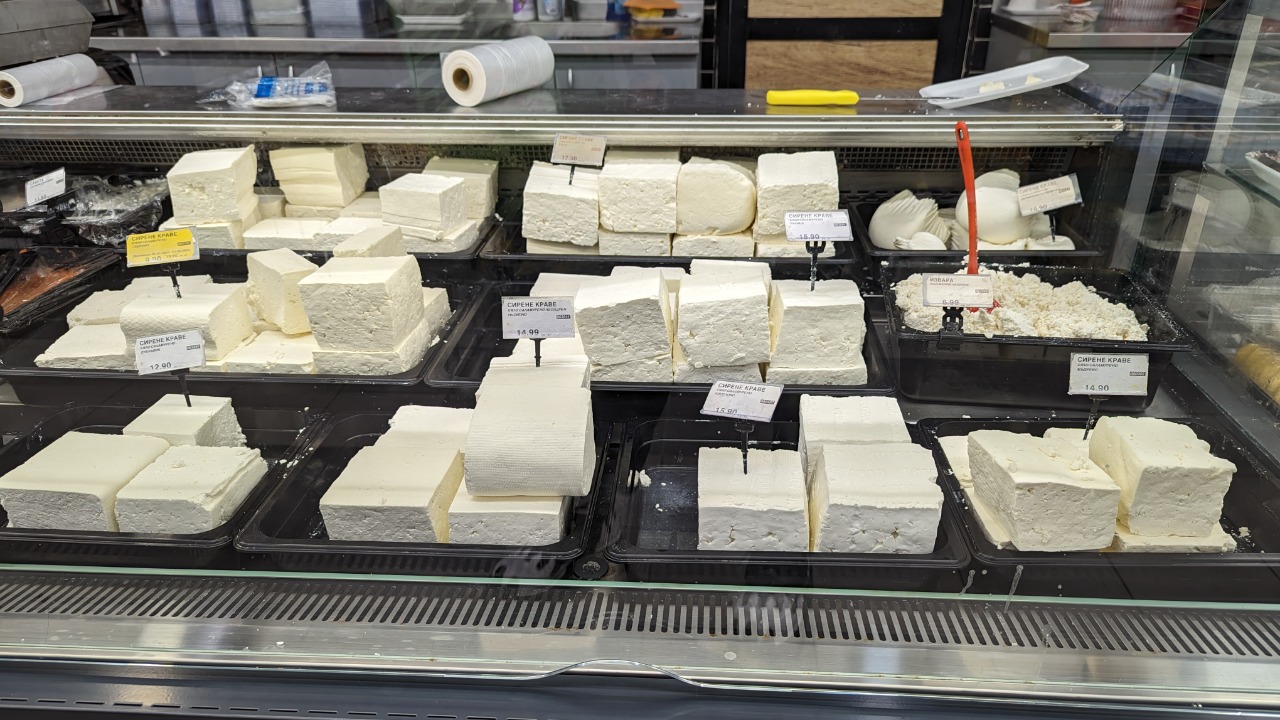
Cheese making is an ancient art that can be a fascinating process to undertake at home. However, it requires specialized equipment, raw materials, and a fair understanding of the science behind fermentation and aging. Plus, some types of cheese require aging for months or even years, which is not practical for most home cooks.
With the proliferation of artisan cheese makers, many grocery stores now offer a wide variety of high-quality cheeses. According to Food & Wine, these cheeses are made using traditional methods and quality ingredients, making them a worthy substitute for homemade cheese.

As a mom of three busy boys, I know how chaotic life can get — but I’ve learned that it’s possible to create a beautiful, cozy home even with kids running around. That’s why I started Cultivated Comfort — to share practical tips, simple systems, and a little encouragement for parents like me who want to make their home feel warm, inviting, and effortlessly stylish. Whether it’s managing toy chaos, streamlining everyday routines, or finding little moments of calm, I’m here to help you simplify your space and create a sense of comfort.
But home is just part of the story. I’m also passionate about seeing the world and creating beautiful meals to share with the people I love. Through Cultivated Comfort, I share my journey of balancing motherhood with building a home that feels rich and peaceful — and finding joy in exploring new places and flavors along the way.