We’ve all heard the saying, “Less is more.” This truism, especially when applied to our living spaces, can lead to a refreshing sense of calm and tranquility. In today’s world, where our physical surroundings often reflect our mental clutter, simplifying your environment can foster a peaceful, more mindful existence. A journey of decluttering, however, isn’t always easy. To give you a head start, here are 15 objects I let go of to create a serene, uncluttered space.
1. Unused Kitchen Appliances

Unused or infrequently used kitchen appliances can take up a lot of counter space, causing your kitchen to feel cluttered and chaotic. Consider donating or selling appliances you rarely use, like that bread maker or ice cream machine that’s been collecting dust.
When you clear out these items, you have more space to cook and it becomes easier to keep your kitchen clean. If you’re worried about needing the appliance in the future, remember that there are typically other ways to accomplish the same task. For instance, a simple hand mixer can often take the place of a stand mixer for most baking tasks.
2. Excess Decorative Items
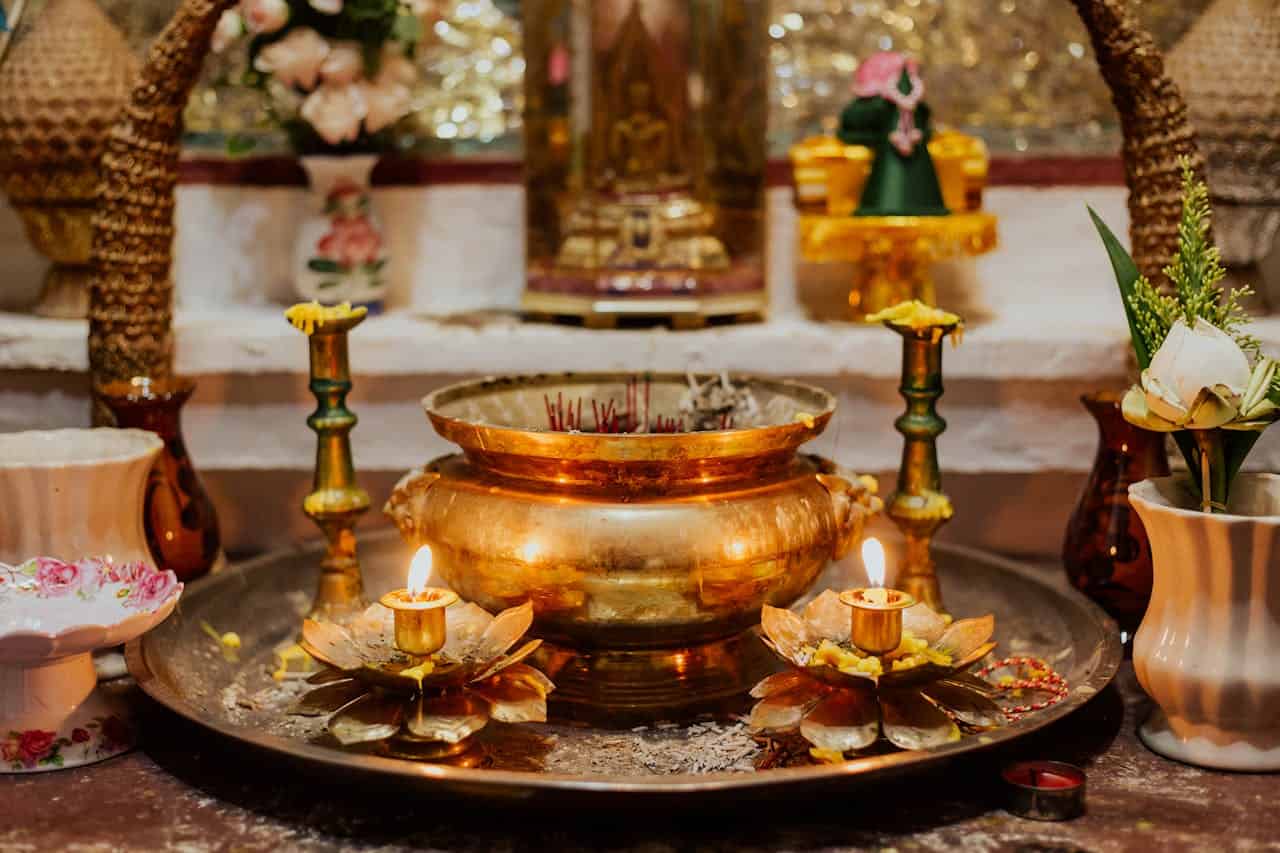
While it’s lovely to have a few special decorative items that bring you joy, having too many can make a room feel crowded and overwhelming. Take a walk through your home and consider which items you truly love and which you could live without.
By paring down your decor, you can make your favourite pieces stand out more. This minimalistic approach to decoration can make your home feel more like a peaceful retreat. And remember, it’s not about creating a space that’s barren or devoid of personality – it’s about choosing to surround yourself only with items that truly bring you joy.
3. Old Magazines and Newspapers

Magazines and newspapers can quickly pile up, creating clutter and dust. If you’re holding onto old issues because there’s an article you want to read, consider clipping that article and recycling the rest.
In the digital age, most newspapers and magazines also have online versions. If you subscribe to these, you can save physical space while still enjoying your favourite reads. Plus, many online publications have archives, allowing you to read past issues without the physical clutter.
4. Outdated Electronics

From old mobile phones to outdated laptops, many of us have a collection of old electronics that we’re not sure what to do with. These items can take up a lot of space and, in some cases, can even be a fire hazard.
Consider recycling these items at a designated electronic waste facility. If they’re still in working order, you might also consider donating them. Many organisations refurbish old electronics for those in need.
5. Unused Exercise Equipment

Exercise equipment can take up a lot of room. If you have gym equipment that you’re not using, consider selling or donating it.
Remember, there are plenty of ways to stay fit without a home gym. Running or walking outdoors, doing yoga at home, or finding a local gym can all be great alternatives.
6. Old Makeup and Toiletries

It’s easy to accumulate a collection of old makeup and toiletries. These items can take up valuable bathroom space and, in the case of makeup, can even become a breeding ground for bacteria.
Consider a regular clear-out of these items. Most makeup has a symbol on the packaging that indicates how long it’s safe to use after opening. For toiletries, if you haven’t used it in a year, it’s probably safe to say you can live without it.
7. Unworn Clothes

Clothes that you no longer wear can take up a lot of closet space. Consider donating or selling these items to free up room and make your closet more manageable.
Remember, it’s better to have a few outfits that you love and feel good in than a closet full of clothes you don’t wear. Consider adopting a more minimalist wardrobe, focusing on versatile pieces that can be mixed and matched.
8. Old Paint Cans

Old paint cans can take up a lot of room in your garage or basement. If the paint is still good, consider donating it to a local school or community centre.
If the paint isn’t usable anymore, make sure to dispose of it properly. Many cities have special disposal programs for hazardous waste like paint.
9. Unused Furniture

Unused furniture can make a room feel crowded and cluttered. If you have furniture that you don’t use, consider selling or donating it.
Remember, it’s better to have a few pieces of furniture that you love and use regularly than a room full of unused items. This can make your home feel more spacious and relaxing.
10. Old Children’s Toys

If you have children, you know how quickly toys can accumulate. Consider regularly sorting through your children’s toys and donating those that are no longer used.
This can be a great opportunity to teach your children about giving to others. Plus, it can make cleaning up their play area much easier.
11. Unused Linens

Many of us have a collection of unused linens taking up space in our closets. If you have more linens than you need, consider donating them.
Remember, you only really need two sets of sheets per bed – one for the bed, and one for the wash. The same goes for towels.
12. Excess Craft Supplies

If you enjoy crafting, you probably have a collection of craft supplies. If you have more supplies than you need, consider donating them to a local school or community center.
Remember, it’s easier to be creative when your supplies are organized and manageable. Plus, someone else might be able to use the supplies that you’re not using.
13. Old CDs and DVDs

With the rise of digital media, many of us no longer need our old CDs and DVDs. Consider selling or donating these items to free up space.
If you have movies or music that you love, consider transferring them to a digital format. This can help preserve your favorites while reducing physical clutter.
14. Old Manuals and Warranties

Many of us hold onto old manuals and warranties for items we no longer own. If you’re one of these people, consider recycling these items.
For items you do still own, consider storing the manuals and warranties in a digital format. This can help reduce physical clutter while still keeping important information accessible.
15. Broken Items

Many of us hold onto broken items with the intention of fixing them. If you’ve been holding onto a broken item for a while, consider whether you’re ever going to fix it. If not, it’s time to let it go.
Remember, holding onto broken items can create unnecessary clutter. Plus, letting go of these items can make room for new, functional items.
Decluttering your home is a journey, not a destination. It’s about creating a space that feels calm and peaceful, a space where you can relax and recharge. By letting go of these 15 types of items, you can begin to create a more serene and uncluttered space.

As a mom of three busy boys, I know how chaotic life can get — but I’ve learned that it’s possible to create a beautiful, cozy home even with kids running around. That’s why I started Cultivated Comfort — to share practical tips, simple systems, and a little encouragement for parents like me who want to make their home feel warm, inviting, and effortlessly stylish. Whether it’s managing toy chaos, streamlining everyday routines, or finding little moments of calm, I’m here to help you simplify your space and create a sense of comfort.
But home is just part of the story. I’m also passionate about seeing the world and creating beautiful meals to share with the people I love. Through Cultivated Comfort, I share my journey of balancing motherhood with building a home that feels rich and peaceful — and finding joy in exploring new places and flavors along the way.