

You use your kitchen every day, and small choices there quietly affect your long-term health. This article shows four common items you should consider swapping out to lower potential risks and make cooking safer and more heart-friendly.
You’ll learn which everyday tools to replace and simple alternatives that reduce exposure to concerning chemicals and wear.
Plastic food storage containers
You should avoid long-term use of plastic food containers when possible. Studies show plastics can leach chemicals and microplastics, especially with heat, which raises concern for heart and overall health.
Swap to glass or silicone for storage and reheating. Many cardiologists recommend making the change; see a roundup of recommended non‑toxic swaps for kitchen items (including glass containers) at EatingWell.
Nonstick pans with Teflon coatings
You should avoid scratched or overheated Teflon pans because high heat can degrade PTFE coatings and release fumes. Studies and guides explain risks tied to certain nonstick coatings and recommend alternatives like stainless, cast iron, or ceramic for frequent cooking (see guidance on nonstick safety).
If you keep a nonstick pan, don’t broil or heat it above recommended temperatures and never use metal utensils. Replace any pan with peeling or flaking coating to reduce potential exposure.
Plastic cutting boards
You probably reach for a plastic cutting board because it’s cheap and lightweight. But repeated knife cuts release tiny plastic shards that can cling to food, and those particles may carry plastic chemicals.
Swap to hardwood or bamboo boards for most chopping; they’re less prone to deep grooves and can be sanded smooth. For raw meat, use a glass or dedicated cutting surface you can sanitize well to reduce cross-contamination.
Research warns about microplastics in food, so choosing nonplastic options lowers that exposure risk. (See concerns about plastic cutting boards and microplastics.)
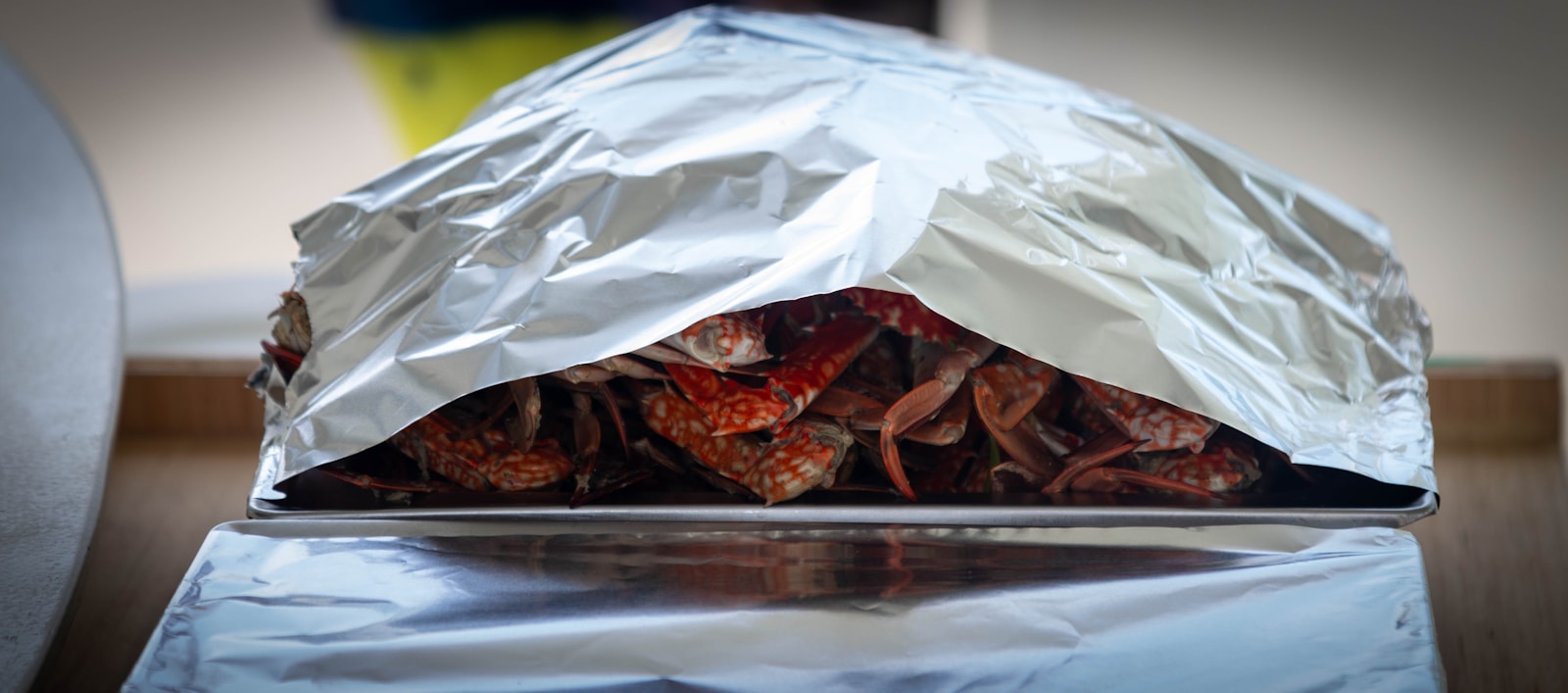
Aluminum foil
You likely reach for aluminum foil for roasting and wrapping leftovers because it’s convenient.
When used with acidic foods or at very high heat, tiny amounts of aluminum can leach into your food, so avoid direct contact with tomatoes, citrus, or long bakes.
Swap foil for parchment paper, a glass baking dish, or reusable silicone wraps when possible.
For grilling, use stainless steel or cast iron pans to reduce metal transfer and keep your food tasting clean.
More from Cultivated Comfort:
- 7 Vintage Home Items From the ’60s That Are Collectors’ Dream Finds
- 7 Vintage Home Goods That Became Collectors’ Gold
- 7 Fast-Food Chains That Changed for the Worse
- 7 Frozen Dinners That Were Better Back in the Day

As a mom of three busy boys, I know how chaotic life can get — but I’ve learned that it’s possible to create a beautiful, cozy home even with kids running around. That’s why I started Cultivated Comfort — to share practical tips, simple systems, and a little encouragement for parents like me who want to make their home feel warm, inviting, and effortlessly stylish. Whether it’s managing toy chaos, streamlining everyday routines, or finding little moments of calm, I’m here to help you simplify your space and create a sense of comfort.
But home is just part of the story. I’m also passionate about seeing the world and creating beautiful meals to share with the people I love. Through Cultivated Comfort, I share my journey of balancing motherhood with building a home that feels rich and peaceful — and finding joy in exploring new places and flavors along the way.
